




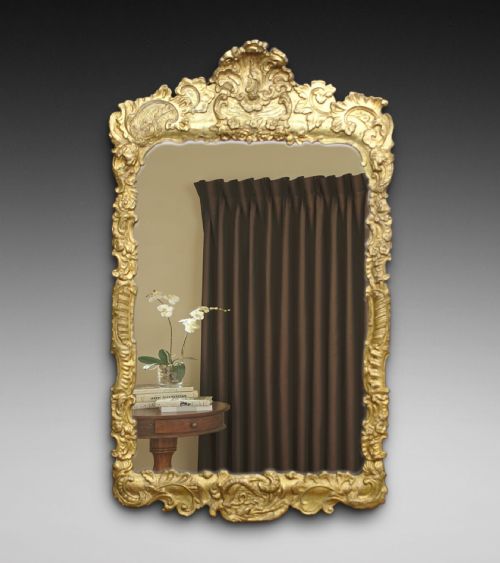
Gilt Scroll Overmantel
These gilt scroll overmantel pieces bring height and reflected light to a room, spanning Victorian and Georgian eras with carved wooden frames.
Gilt Scroll Overmantel
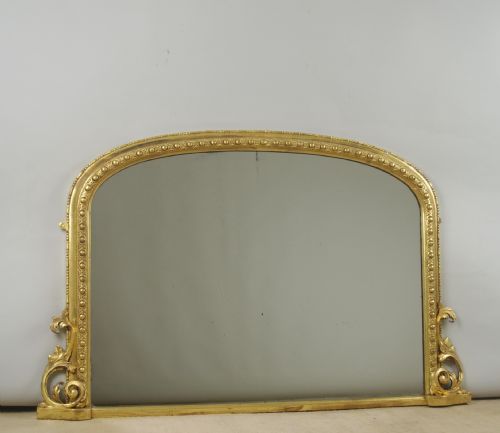
A gilt scroll overmantel provides a grand architectural presence above a fireplace, designed to draw the eye upward and brighten the chamber using natural daylight. The search phrase covers large wall mirrors and pier glasses built with sweeping scrollwork and ornate surrounds.
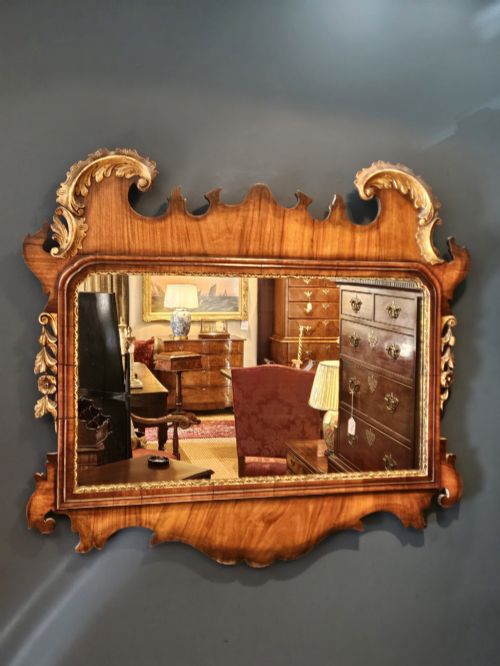
Most examples found here hail from the nineteenth century, including Victorian and Rococo Revival forms, alongside earlier Georgian and seventeenth-century pieces. These heavy timber frames often feature arched tops or landscape orientations suited for placement over a hearth or mantelpiece.
How they were made
Makers constructed these frames from carved wood, mahogany, or composition material, applying gesso as a smooth base for the metallic finishes. Artisans then applied gold leaf or applied paint to achieve the characteristic gilt surface.
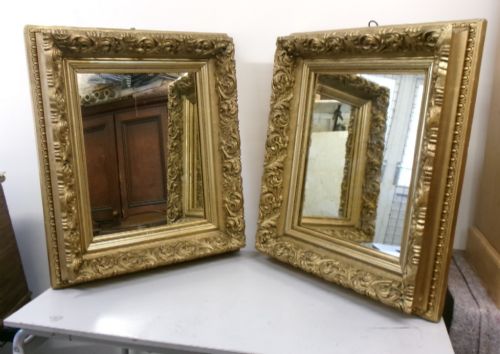
Mirrors incorporated heavy glass plates set within the timber housing, often secured with traditional backing boards. The elaborate scroll and Rococo motifs relied on skilled hand-carving and moulded composition details to create depth along the borders.
Several mirrors carry the invisible history of nineteenth-century hearth smoke, quietly mellowing their gold leaf over decades by the fire.
What varies in quality
The distinction between pieces rests on the depth and crispness of the hand-carved detail within the wooden scrollwork, compared to simpler moulded composition ornament. Solid carved frames demonstrate superior craftsmanship over built-up decorative layers.
The integrity of the original gilding and the clarity of the mirror glass dictate the overall standard. Pieces retaining their primary gold leaf or authentic silvered surfaces hold greater visual weight than later re-gilt examples.
The Gilt Scroll Overmantel Glossary
- Giltwood
- Timber that has been gilded with gold leaf or metal powder applied over a prepared ground. This finish gives the frame its luminous golden surface.
- Gesso
- A plaster-like mixture applied to wood frames to create a smooth surface for gilding. It allows craftsmen to carve fine details before applying gold leaf.
- Overmantel
- A large mirror or painting designed specifically to hang on the wall directly above a fireplace mantel. These pieces often feature landscape formats or arched tops.
- Pier glass
- A tall mirror designed to be hung on the pier, the section of wall between two windows. They share similar decorative framing styles with overmantels.
- Rococo
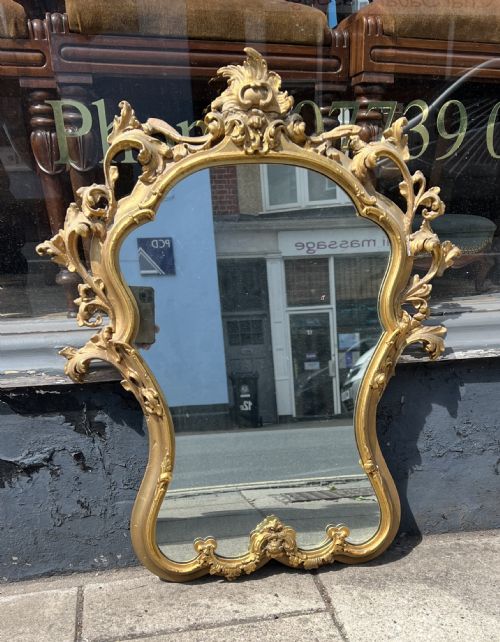
- An ornate design style characterised by asymmetrical scrollwork, C-scrolls, and naturalistic plant motifs. It appears frequently on Victorian and eighteenth-century mirrors.
Gilt Scroll Overmantel: Frequently Asked Questions
Where should an overmantel hang?
These mirrors traditionally hang on the chimney breast directly above the fireplace mantel, anchoring the wall space and reflecting light across the room.
They also function effectively on large expanse walls as principal decorative focal points, provided the wall structure supports their considerable weight.
How do I identify a Victorian piece?
Victorian examples often display heavy proportions, arch tops, and exuberant Rococo Revival scrollwork. They frequently utilise composition ornament alongside carved wood elements.
Makers working in this era combined historical Georgian influences with industrial-era production methods to create substantial wall mirrors.
What is the difference between giltwood and composition?
Giltwood consists of solid timber carved by hand and directly gilded, offering sharp detail and natural wood grain beneath worn areas. Composition utilises a moulded paste pressed over a simpler wooden carcase.
Many fine mirrors combine both materials, using carved wood for structural integrity and composition for repetitive decorative mouldings.
How do I clean an antique gilt frame?
Dusting should be performed gently using a soft, dry brush to prevent disturbing fragile gesso and gold leaf layers. Moisture and chemical cleaners must be avoided entirely.
Because antique gilding is delicate, aggressive rubbing will wear away the metallic surface and expose the underlying red or white gesso base.