
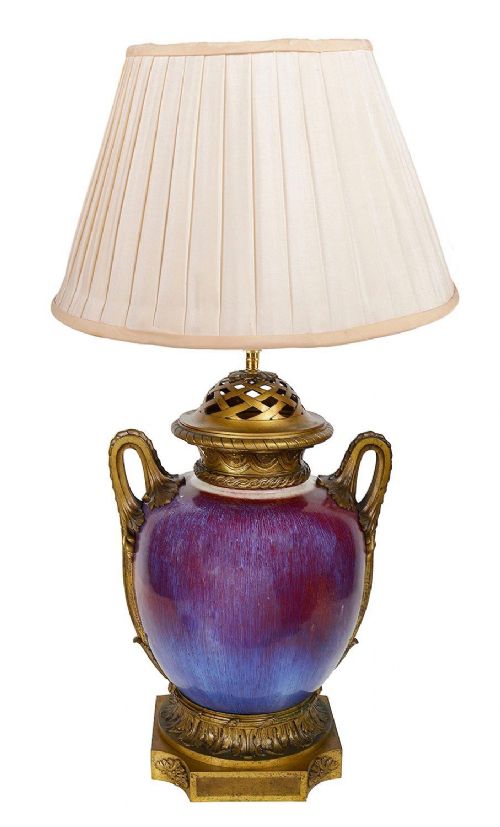


Gilt Porcelain Table Lamps
These gilt porcelain table lamps bring weight and rich colour to a room, turning antique vases into practical lighting.
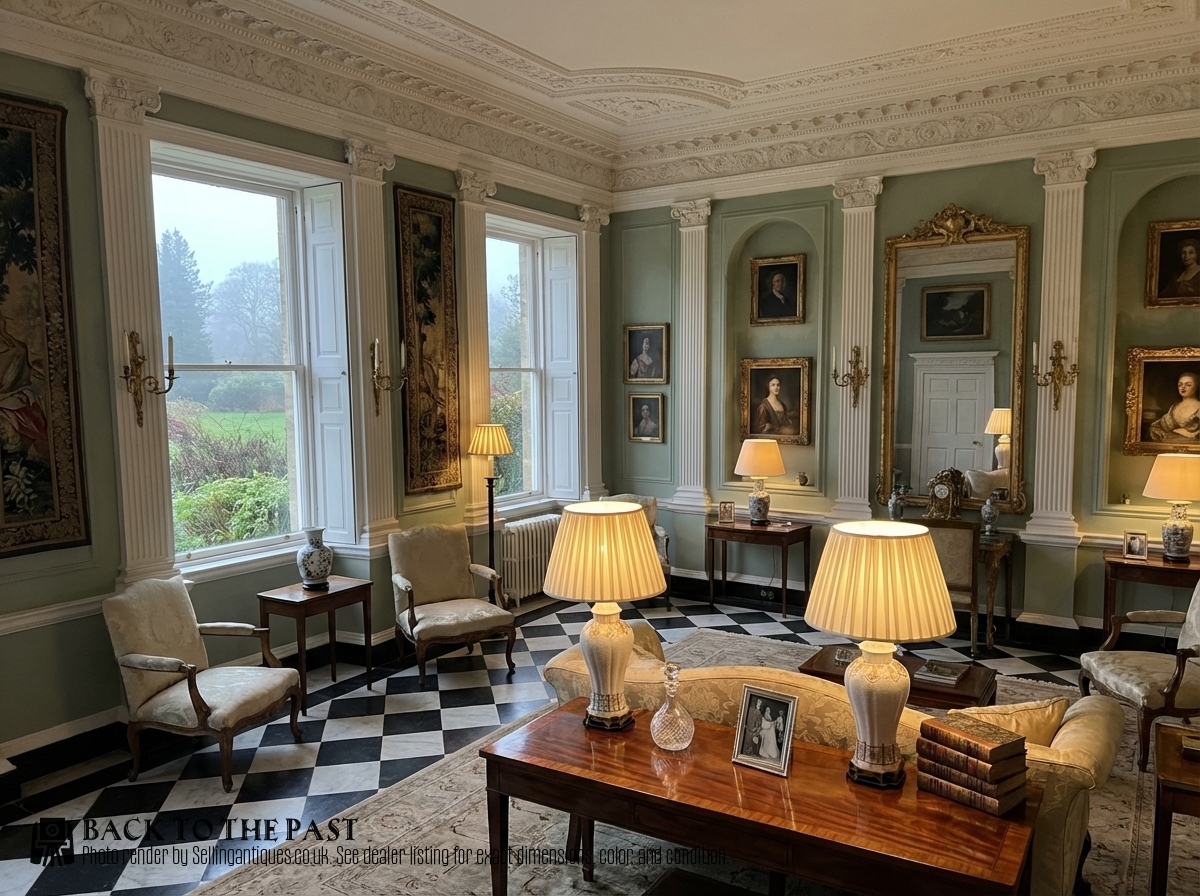
What these pieces are
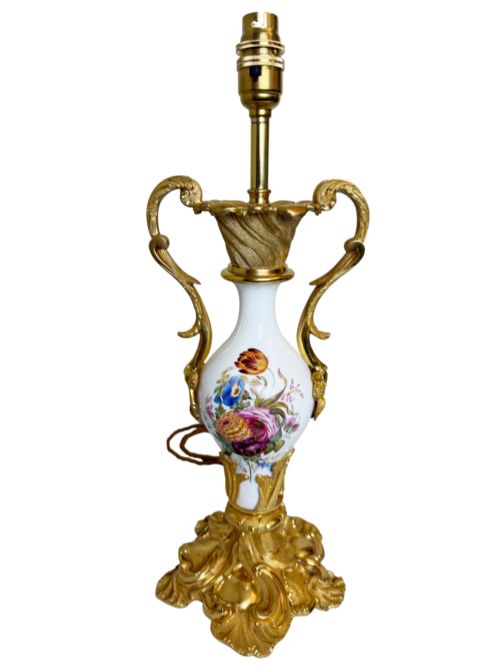
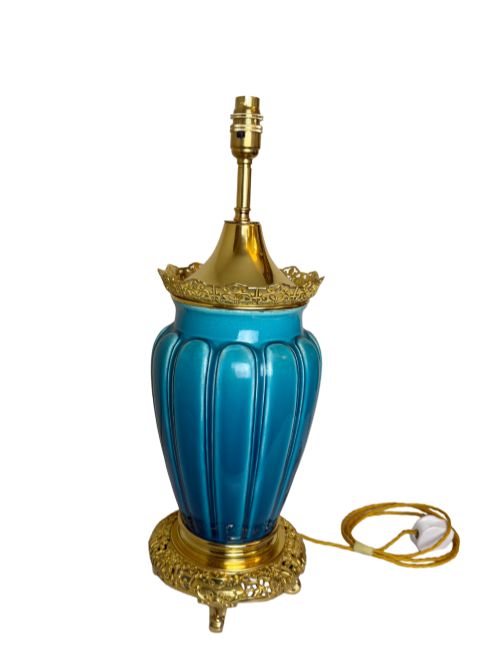
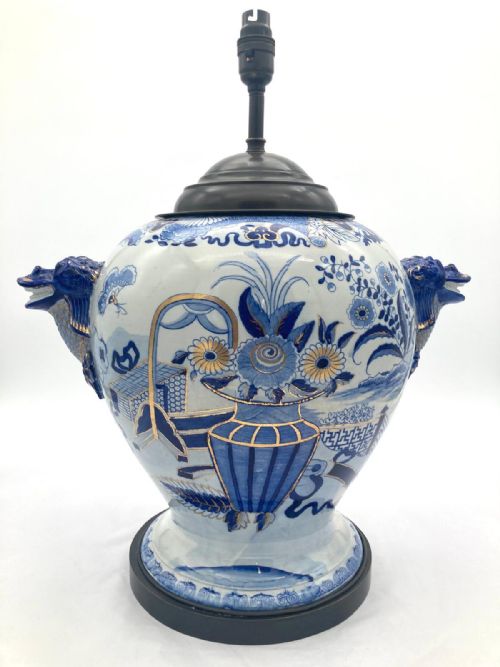
Gilt porcelain table lamps bridge the gap between ornamental ceramics and everyday illumination, giving historic vessels a renewed domestic purpose. The examples available here take the form of converted vases from various traditions, mounted for modern interior use.
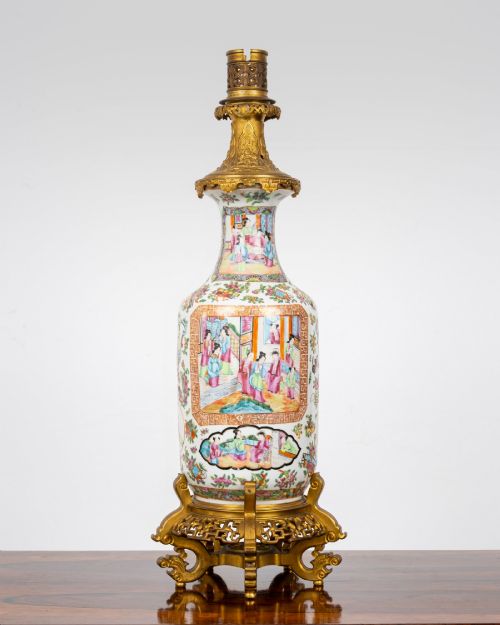
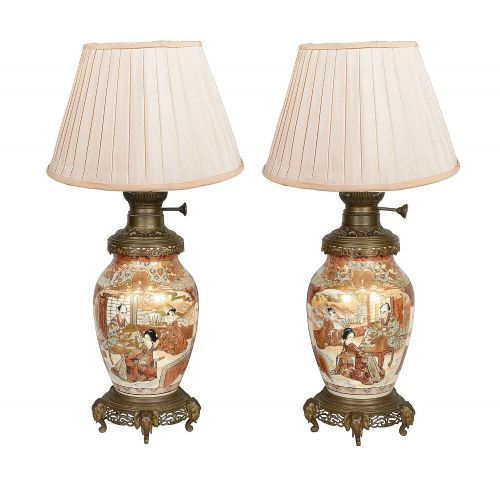
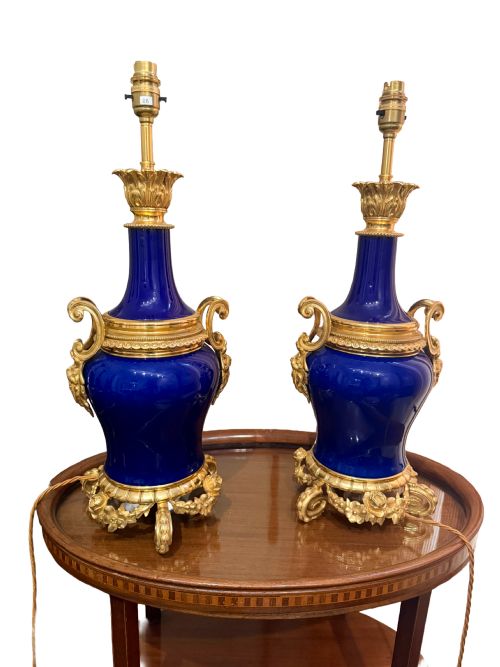
Most pieces on this page originate from the nineteenth century, alongside later interpretations from nineteen thirty. Buyers will encounter pairs featuring distinct decorative vocabularies, including French Chinoiserie, Meiji period Japanese work, and Qing dynasty Chinese designs.
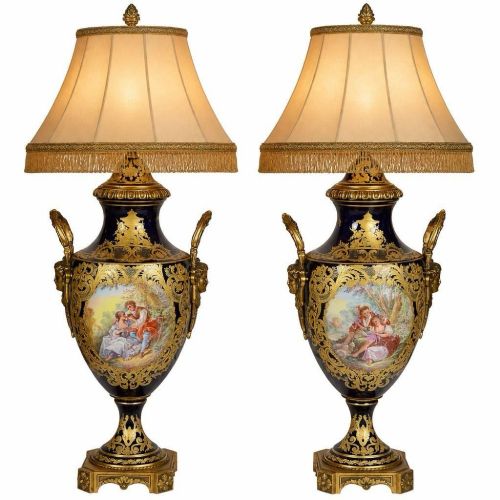
The forms draw directly upon traditional vase shapes such as Rose medallion and Canton styles, which lend themselves naturally to conversion. These items function as sculptural centrepieces while casting a warm glow through fabric and silk shades.
How they were made
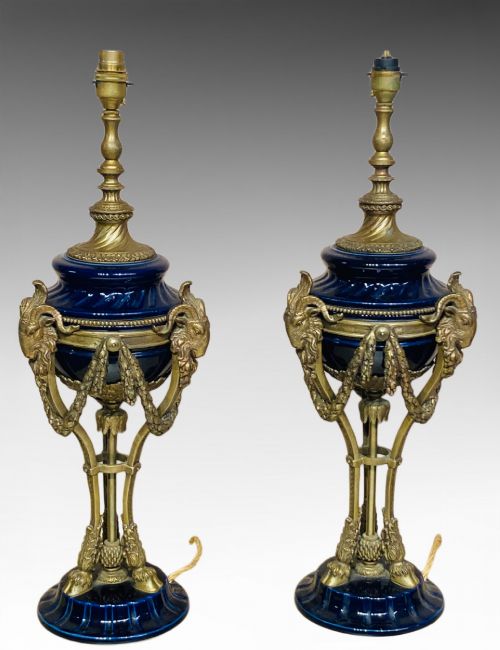
The foundation of each piece is fired ceramic, painted by hand with intricate motifs and finished with gilding that catches the light. Makers combined porcelain bodies with mounts and fittings cast in brass or ormolu to secure the electrical components.
Selected items incorporate silk and fabric elements for the shades, complementing the reflective metallic accents on the ceramic surfaces. The gilding process required steady brushwork to apply gold leaf or paint over the fired glaze before final assembly.
Retail Price Guide 2026
Typical UK retail prices for gilt porcelain table lamps, calculated from the Sellingantiques database of over a million retail prices indexed since 2003. This retail price guide relies exclusively on Sellingantiques data; no external sources or auction records are used, so the figures do not describe the wider market.
What varies in quality
Quality rests in the crispness of the hand-painted details upon the porcelain and the precision of the metal mounts. Finer examples display richly detailed figural scenes and balanced floral panels that remain crisp across the entire ceramic surface.
The weight and finish of the brass or ormolu mounts also set superior pieces apart from simpler conversions. Well-executed pieces integrate the lamp fittings harmoniously with the historic vase without compromising the original integrity of the ceramic.
The Gilt Porcelain Table Lamps Glossary
- Ormolu
- Gilded bronze or brass used for mounts and decorative trims on furniture and ceramics. This technique adds a bright metallic border that frames the porcelain body.
- Rose medallion
- A distinctive style of Chinese ceramic decoration featuring compartmentalised panels of figures and birds, surrounded by pink floral elements. It appears frequently on nineteenth-century vases adapted into lamps.
- Meiji period
- The era of Japanese history lasting from eighteen sixty-eight to nineteen twelve, known for opening trade with the West. Export ceramics from this time often feature detailed hand-painted scenes.
- Canton
- A major port city in southern China associated with vibrant export porcelain decorated in bright enamels and gilding. These pieces were often exported to Europe and later converted for domestic lighting.
Frequently Asked Questions
How do I clean gilt porcelain lamps?
Dust the ceramic body gently with a dry, soft cloth to protect the delicate hand-painted surface and gilding.
Avoid using liquid cleaners or abrasive cloths, as moisture can damage both the historic glaze and the electrical fittings.
Can I replace the lampshades safely?
Replacement shades can be fitted easily provided the harp and spider fitters match the existing hardware dimensions.
Choose neutral silk or fabric materials to complement the ornate metallic and painted details of the vintage bases.
Are these lamps converted antique vases?
Many examples on this market start life as nineteenth-century Chinese or Japanese vases before receiving electrical wiring.
This conversion practice preserves decorative ceramic art while giving the historic vessels a practical function in modern rooms.
How do I date a porcelain lamp?
Examine the style of the hand-painted motifs, the characteristics of the ceramic body, and any associated export marks.
Nineteenth-century pieces often display hand-applied Rose medallion or Canton patterns that differ from later nineteen-thirty interpretations.