




Fitted Chinese Vase Lamps
Fitted chinese vase lamps combine antique porcelain vessels with period electrical mounts, offering collectors decorative focal points for traditional interiors.
Fitted Chinese Vase Lamps
Fitted chinese vase lamps transform traditional ceramic vessels into functional domestic lighting through the addition of electrical fittings and bases. Buyers examining these items encounter pieces originating predominantly from the nineteenth century, reflecting periods such as the Qing Dynasty and Chinese Export styles.
How they were made
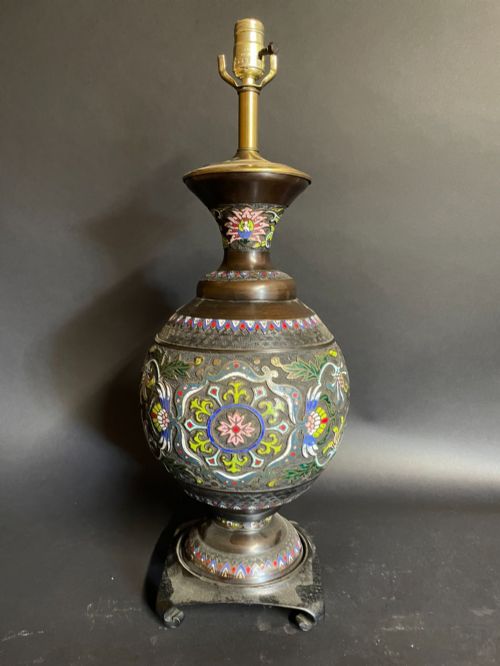
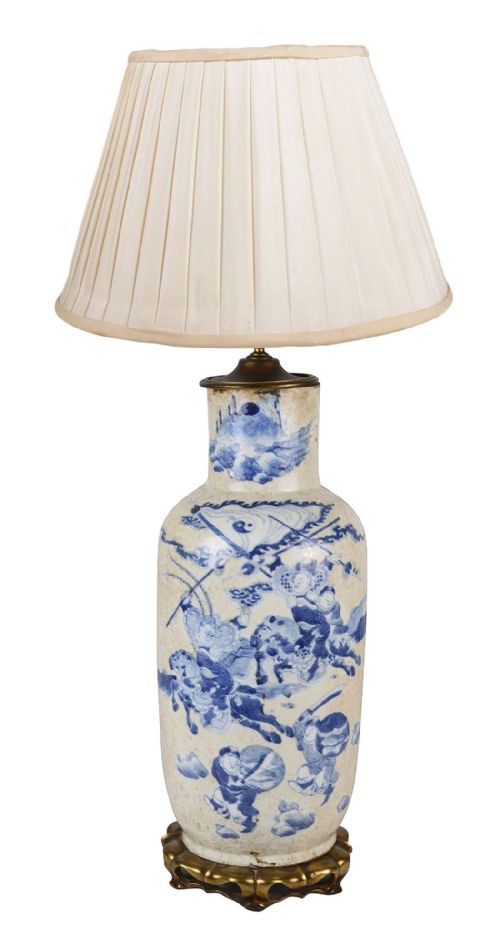
Makers constructed these fitted chinese vase lamps by mounting ceramic bodies onto metal bases using brass, bronze, or gilt bronze mounts. Artisans adapted imported porcelain vessels, drilling or securing them to accommodate electrical wiring while preserving the original hand-painted enamel and glaze decoration.
Fabric elements such as silk and standard textile shades complete the assembly, pairing nineteenth-century ceramics with contemporary wiring hardware. The combination unites historic pottery traditions with late nineteenth and early twentieth-century domestic lighting requirements.
Listings feature items from the nineteenth century, including pieces dated precisely to 1880 and 1920.
What varies in quality
The visual strength of fitted chinese vase lamps depends upon the crispness of the hand-painted enamel work and the integration of the metal mounts. Pieces displaying rich Famille Rose or Famille Verte palettes demonstrate superior ceramic artistry compared to simpler monochrome or flambe examples.
Proportion and scale dictate the visual balance of the object, with large pairs commanding greater presence in a room. The harmony between the original vase and the added brass or bronze hardware determines the overall success of the conversion.
The Fitted Chinese Vase Lamps Glossary
- Famille Rose
- A palette of opaque enamels dominated by pink or rose colours, introduced during the Qing Dynasty. It appears frequently on nineteenth-century porcelain vessels.
- Cloisonne
- An enamel technique where metal wires form raised cells on a bronze or metal base before being filled with coloured paste and fired. This method creates intricate patterned surfaces.
- Rose Medallion
- A distinct panelled decorative style featuring alternating sections of birds, flowers, and figures painted in vibrant colours. It is a hallmark of nineteenth-century export porcelain.
- Qing Dynasty
- The final imperial dynasty of China, spanning from sixteen-forty-four to nineteen-twelve. Many vases mounted as lamps date from the later decades of this period.
Fitted Chinese Vase Lamps: Frequently Asked Questions
Are these lamps converted from old vases?
Yes, artisans adapt antique Chinese vases into lamps by adding electrical wiring and mounts. This practice has a long history of giving decorative ceramic vessels a functional purpose in Western interiors.
Most examples utilise nineteenth-century porcelain bodies paired with brass, bronze, or gilt bronze hardware.
What is Chinese Export porcelain?
Chinese Export porcelain refers to ceramics manufactured in China specifically for overseas markets in Europe and the Americas. These items often blend traditional Chinese forms and motifs with Western functional requirements.
Many nineteenth-century vase lamps found on the market belong to this category.
How should I care for a vase lamp?
Maintain the ceramic body by dusting gently with a soft, dry cloth to protect the painted enamels and gilt details. Avoid using liquid cleaners on antique porcelain surfaces.
Check the electrical components periodically and consult a qualified professional if rewiring is necessary.