




Hand Painted Japanese Lamps
These hand painted japanese lamps bring centuries of ceramic artistry and decorative lighting into the home.
Hand Painted Japanese Lamps
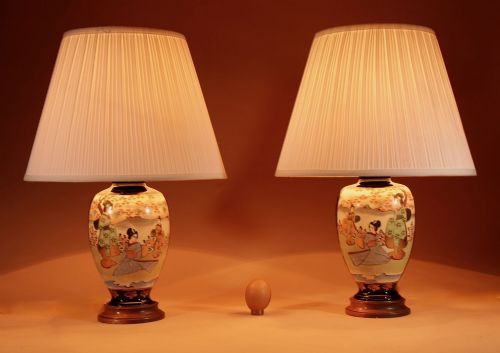
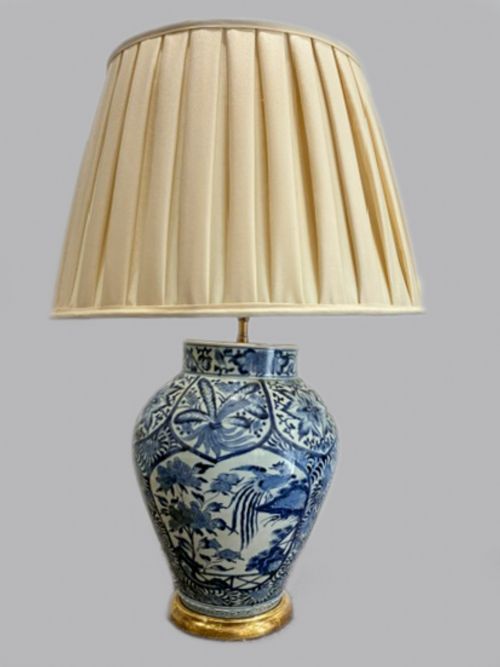
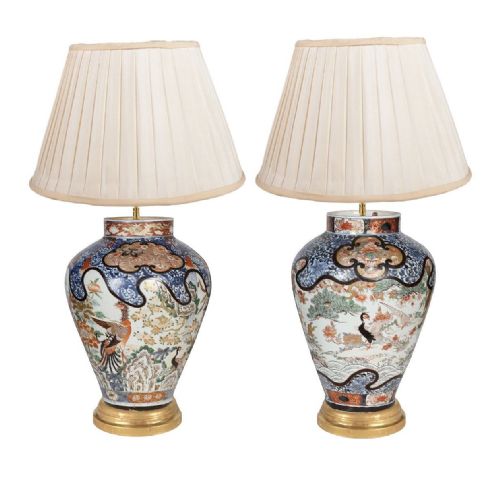
These hand painted japanese lamps comprise historical ceramic vessels converted for modern illumination across various periods. Buyers searching this phrase will frequently encounter antique vases transformed into functional table and standard lamps.
The selection ranges from early Edo and seventeenth century pieces to nineteenth century Meiji works and later twentieth century examples. Many items feature traditional porcelain forms paired with brass fittings and fabric shades.
Vessels originating from famous kilns such as Satsuma, Kutani, and Arita form the backbone of these listings. They span centuries of craftsmanship, connecting historical Japanese pottery directly to contemporary interiors.
How they were made
The foundation of these pieces relies on traditional ceramic manufacturing techniques utilising porcelain and earthenware bodies. Skilled artisans shaped clay into vases before applying intricate hand painted designs.
Makers employed rich pigments, gilt detailing, and lacquer finishes to build complex pictorial scenes on the ceramic surface. Later conversions integrated brass components to securely mount electrical hardware to the ancient vessels.
Seventeenth century vessels finding a second life as modern reading companions.
What varies in quality
The refinement of the hand painted brushwork dictates the visual distinction between average pieces and superior examples. Finer specimens display meticulous detail in every motif, whereas lesser items show hurried application.
The structural integrity and age of the underlying ceramic vase strongly influence the desirability of the lamp. Conversion methods also matter, as professional wiring and careful mounting preserve the original vessel without causing damage.
The Hand Painted Japanese Lamps Glossary
- Satsuma
- A type of Japanese earthenware originating from the Satsuma Province, typically characterised by a crackled glaze and elaborate polychrome and gilt decoration. These ceramics are frequently mounted as luxury lamps.
- Kutani
- A style of Japanese porcelain renowned for bold colour palettes, particularly greens, blues, and reds, depicting pictorial scenes. Kutani vases serve as vibrant centrepieces in interior lighting designs.
- Imari
- A traditional style of Japanese export porcelain featuring underglaze blue and overglaze iron red and gold. These pieces demonstrate centuries of international trade and aesthetic exchange.
- Chinoiserie
- A European decorative style reflecting Chinese and broader East Asian artistic influences, sometimes appearing alongside genuine Japanese antiques in transitional lighting fixtures.
Hand Painted Japanese Lamps: Frequently Asked Questions
How are old vases converted into lamps?
Historic ceramic vessels are fitted with internal wiring and brass hardware to hold standard bulbs and shades. Professional conversions ensure the antique body remains undamaged during the process.
This careful adaptation allows fragile centuries-old porcelain to function safely as everyday domestic lighting without altering its historic character.
Which periods do these lamps come from?
The available pieces span multiple centuries, ranging from seventeenth century Edo period vessels to nineteenth century Meiji examples and twentieth century interpretations. Each era brings distinct decorative styles and ceramic bodies.
Earlier examples often feature Arita or Imari porcelain, while later Victorian and Edwardian periods introduced various styles of conversion and accompanying furniture.
What is the difference between Satsuma and Kutani?
Satsuma ware generally utilises an earthenware body with a distinctive ivory crackle glaze beneath detailed pictorial painting and gilt. Kutani porcelain employs a harder white body decorated in striking, vivid enamel colours.
Both styles offer entirely different visual textures and palettes when utilised in decorative lighting applications.
How do I care for antique ceramic lamps?
Dust the porcelain body gently with a soft, dry cloth to prevent the accumulation of grime on the hand painted surface. Avoid harsh chemical cleaners that might damage delicate gilt or enamel work.
Regularly check the electrical fittings for safety while preserving the integrity of the historic ceramic base beneath.