




Gilt Plant Stand
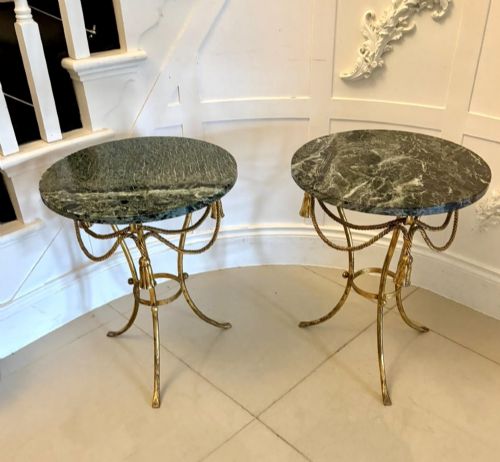
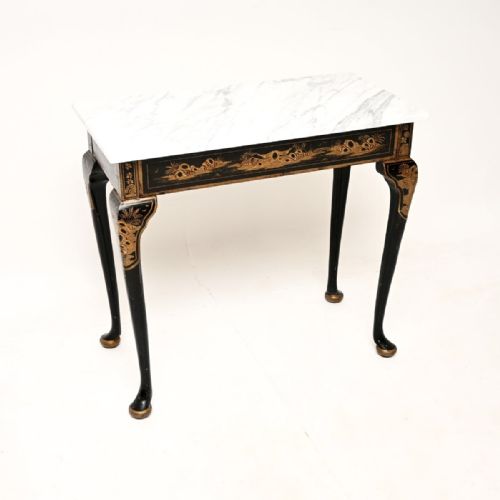
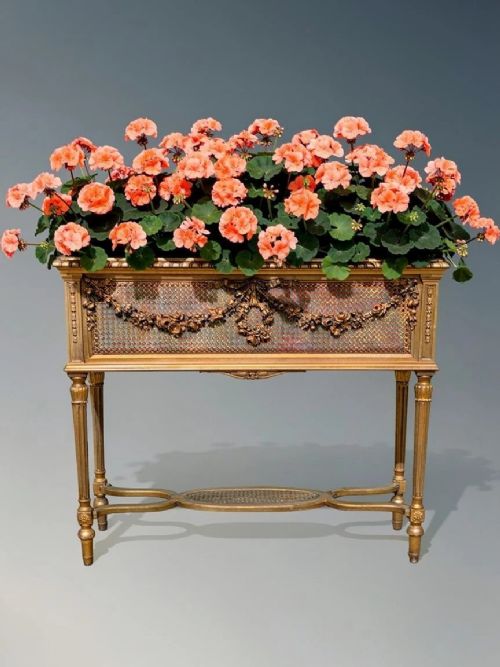
These gilt plant stand examples bring gilded wood, ormolu, and marble together to elevate greenery and display lamps across the nineteenth and early twentieth centuries.
Gilt Plant Stand
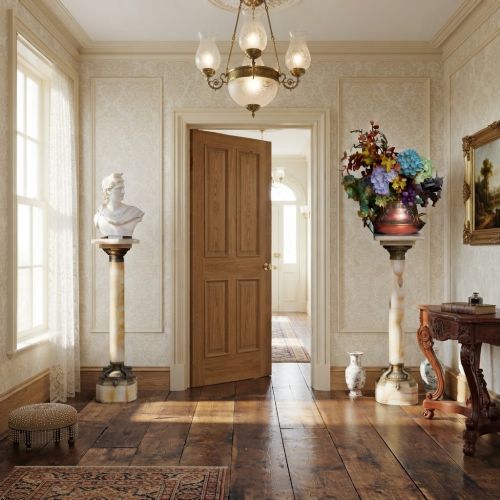
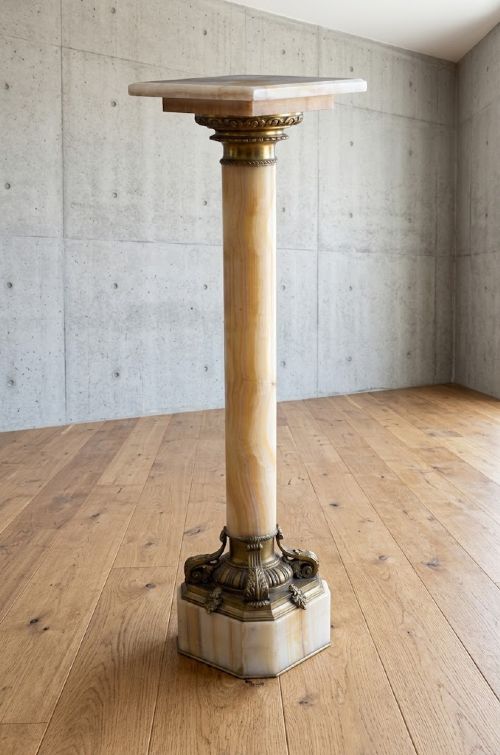
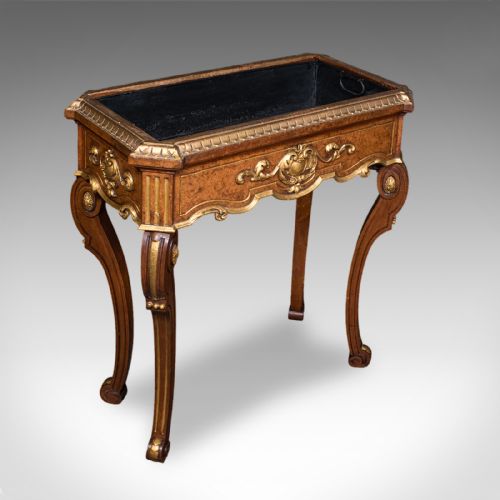
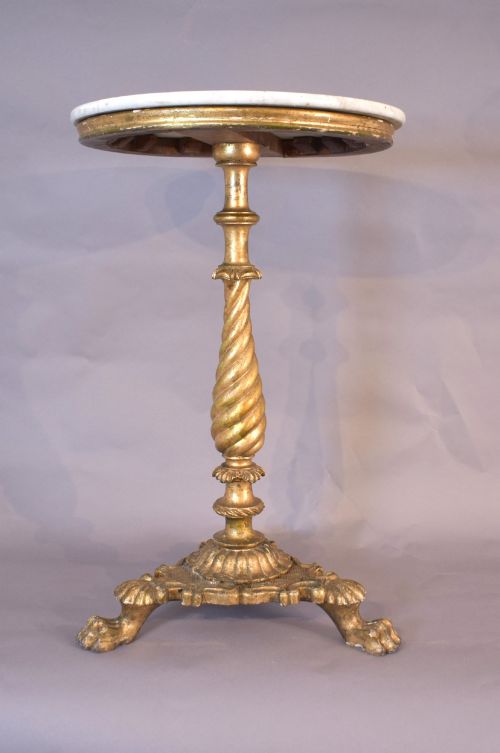
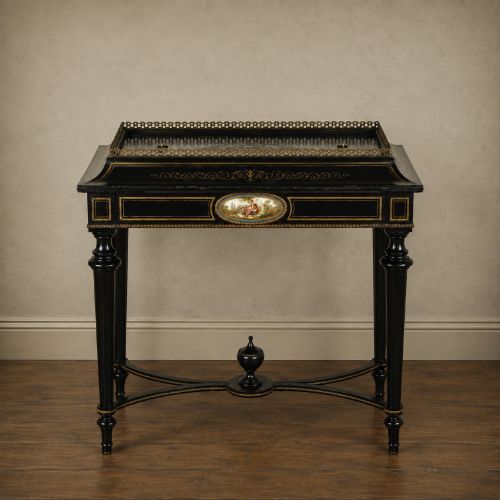
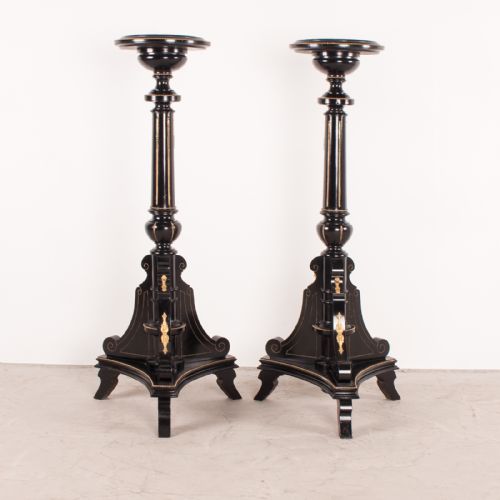
A gilt plant stand encompasses tall torcheres, marble-topped pedestals, and fitted jardiniere tables designed to display plants, urns, and decorative objects.
Most pieces date from the Victorian era and the nineteenth century, drawing heavily on French styles including Louis XVI, Napoleon III, and Rococo Revival.
Makers utilised rich materials such as giltwood, ormolu, and inset marble tops to create ornamental furniture that functioned as both display pieces and structural accents in period interiors.
Materials and construction
Carpenters shaped structural supports from woods like mahogany, walnut, satinwood, and ebonised timber, often applying carved gesso and gold leaf to create the characteristic gilt finish.
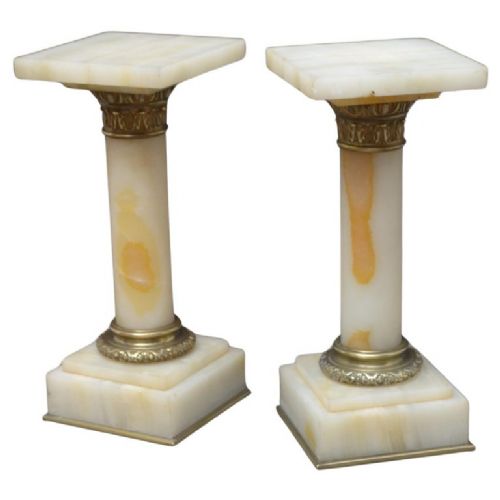
Ornate mounts cast in ormolu, gilt bronze, and gilt metal adorn many examples, securing marble tops, onyx columns, and painted porcelain plaques.
Judging the work
Quality rests on the crispness of the wood carving, the depth of the gilding, and the weight of the cast ormolu mounts rather than surface finish alone.
Superior examples feature genuine inset marble or onyx slabs fitted precisely to the frame, alongside refined details such as hand-painted porcelain plaques or marquetry inlay.
Gillow & Co.
The Gilt Plant Stand Glossary
- Torchere
- A tall, slender stand or column originally designed to hold a light and later used for plants or urns. These pieces often feature carved giltwood or ebonised surfaces.
- Jardiniere
- A decorative stand or container, typically fitted with a metal liner, designed to hold indoor plants or flowers. Many period examples incorporate marquetry or ormolu mounts.
- Ormolu
- Gilded bronze or brass applied as decorative mounts on furniture and stands. The technique involves mercury amalgamation or modern electroplating to achieve a bright gold finish.
- Gesso
- A plaster-like mixture applied to wood surfaces and carved before gilding. It provides a smooth base for gold leaf application on decorative stands.
- Gueridon
- A small circular table supported by a central column or multiple legs, frequently topped with marble. This French form often serves the same display function as a plant stand.
Gilt Plant Stand: Frequently Asked Questions
What is the difference between a torchere and a pedestal?
A torchere is specifically a tall, slender stand designed to elevate a light source, plant, or urn, often featuring ornate carved or gilded decoration.
A pedestal serves a similar height function but typically has a heavier columnar form, frequently topped with marble or onyx to support heavier sculptures.
How were jardiniere stands used in period homes?
Jardiniere stands held potted plants and floral arrangements inside principal reception rooms, protecting surrounding surfaces with fitted metal liners.
They also doubled as display tables or decanter caddies during entertaining, combining utility with decorative ornamentation.
Are marble tops original to these stands?
Most marble and onyx tops on nineteenth-century stands are original to the piece, cut and fitted specifically to the wooden or ormolu frame.
Replacement tops do occur due to accidental breakage over time, identifiable by differences in thickness or edge profiling.
How do I identify French revival styles?
French revival pieces from the nineteenth century draw on earlier court aesthetics, displaying the flowing asymmetry of Louis XV or the restrained symmetry of Louis XVI.
Look for specific details like gilt bronze mounts, Vernis Martin lacquer panels, and ebonised woodwork characteristic of Napoleon III production.