
Gilt Painted China Cabinet
These gilt painted china cabinet pieces encompass display furniture and hand-painted porcelain plates from the Georgian, Victorian and Edwardian periods.
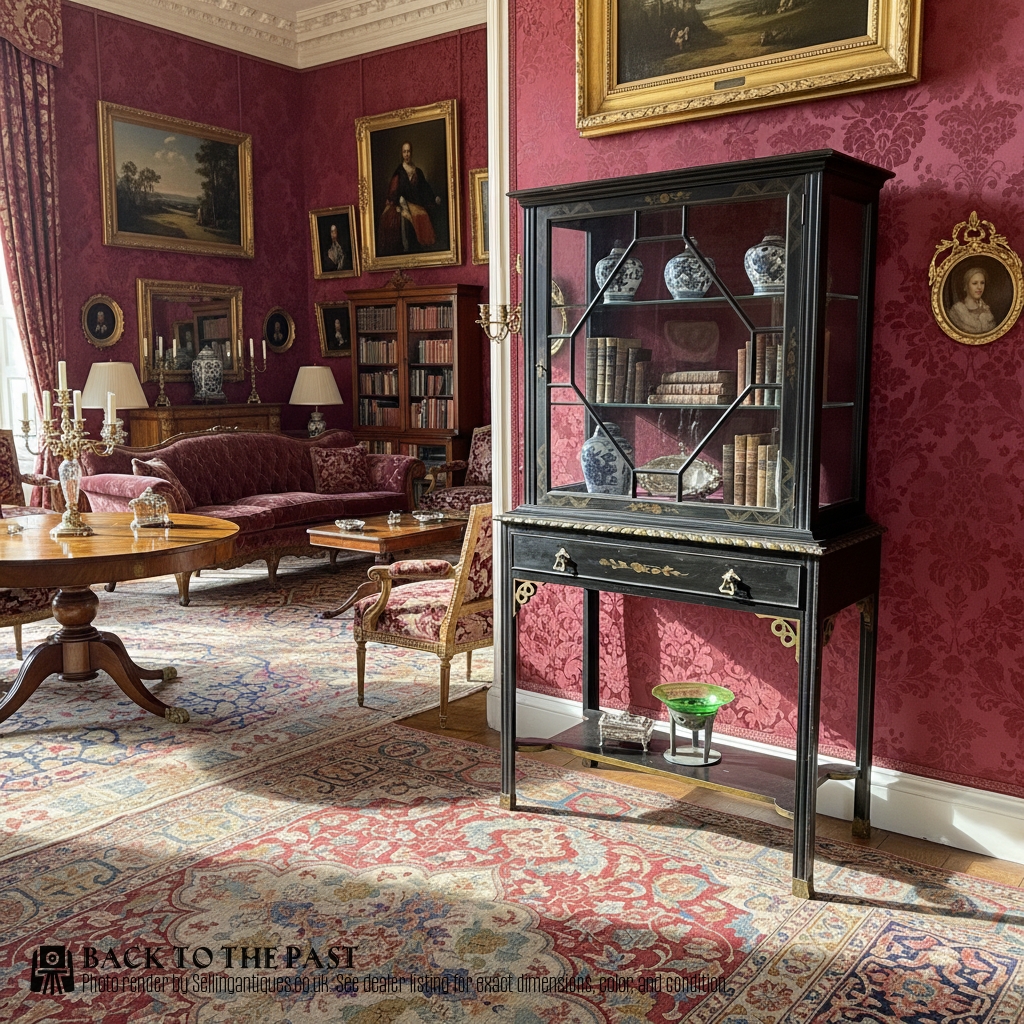
Gilt Painted China Cabinet
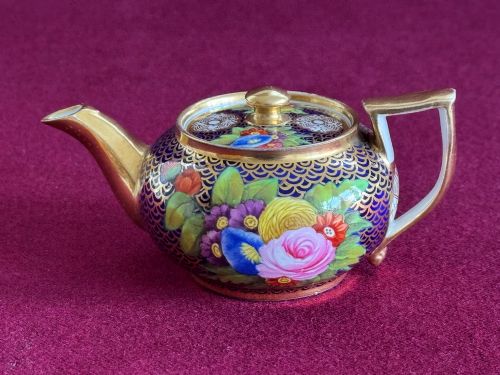
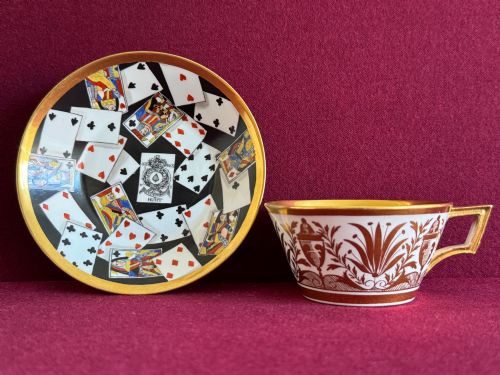
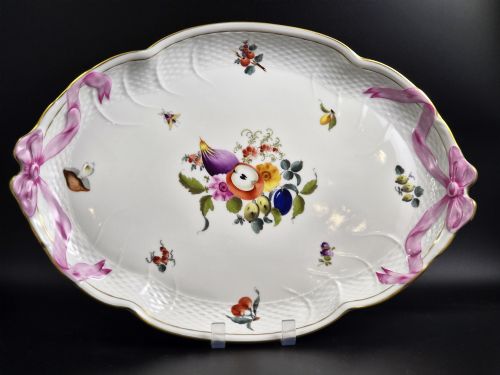
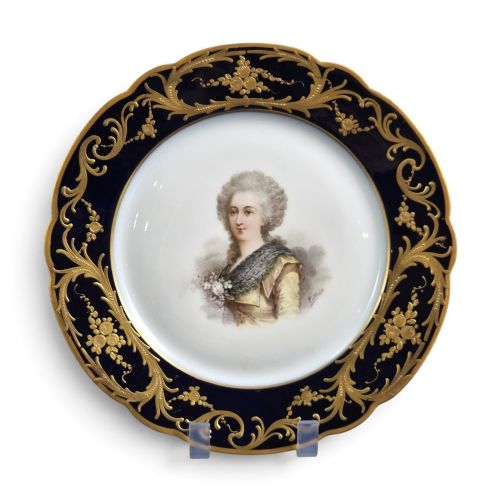
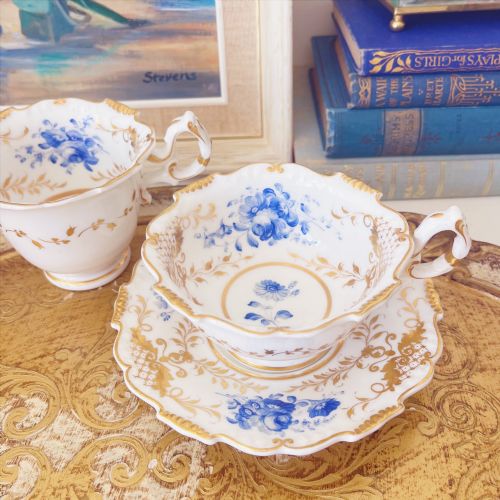
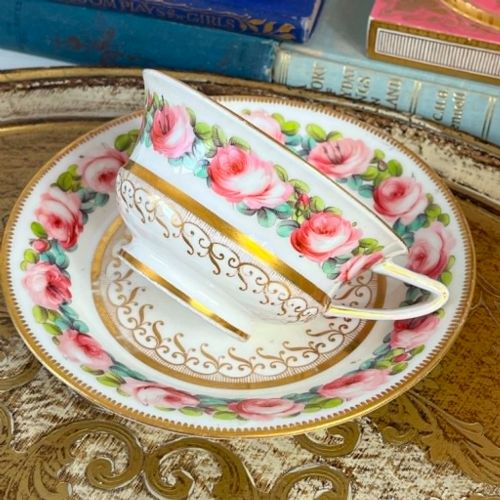
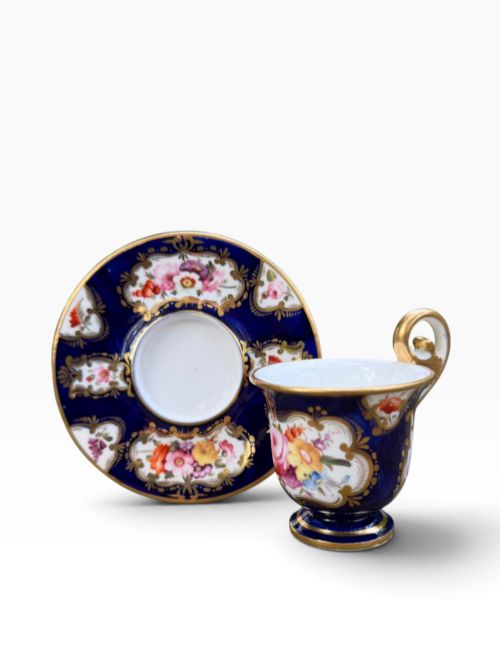
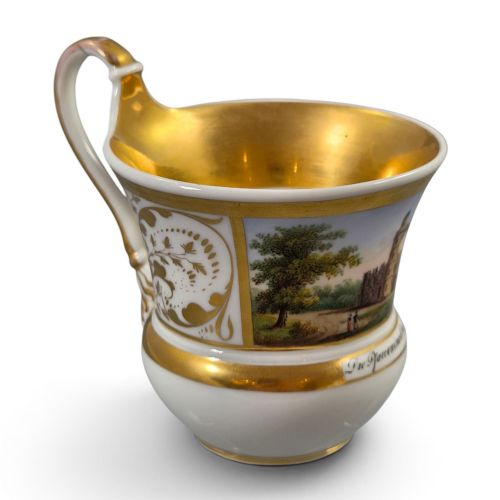
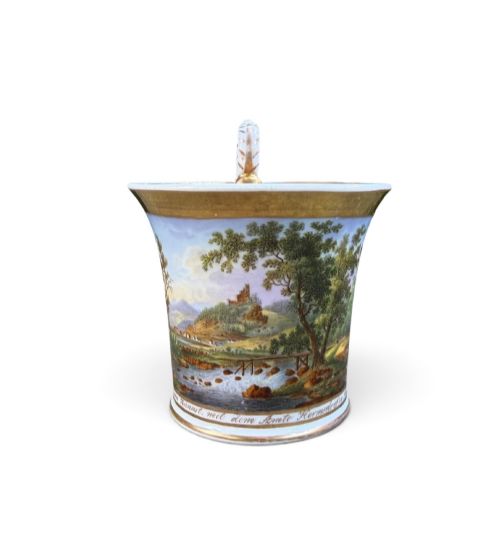
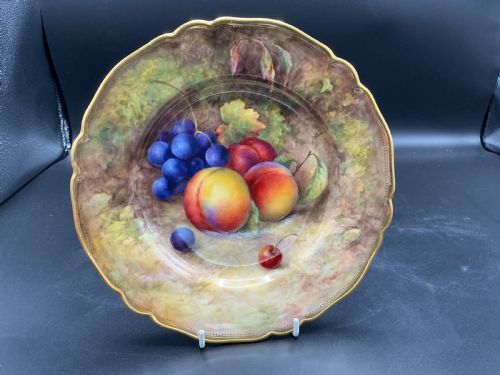
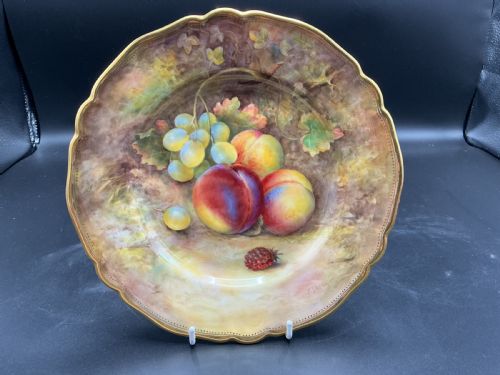
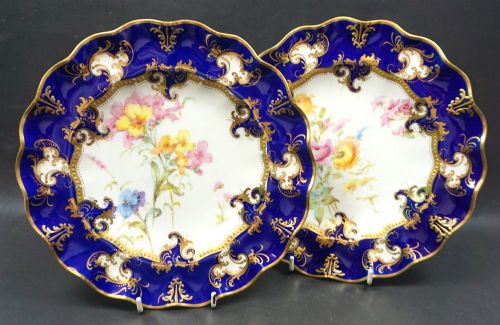
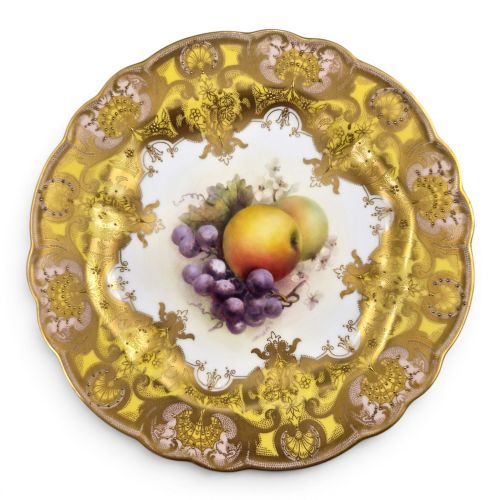
The ceramic selections meeting this description comprise porcelain cabinet plates, dessert plates, and teacups originating from factories including Royal Worcester, Sèvres, Meissen, and Derby. These ceramic pieces frequently exhibit hand-painted botanical, fruit, or topographical scenes enhanced with gilding or gold leaf. Such items were produced for display within formal rooms rather than for everyday dining.
Dating across the Georgian, Regency, Victorian, and Edwardian periods, the selection shows a strong presence of 19th-century craftsmanship. French furniture often incorporates ormolu mounts alongside painted panels, while English porcelain factories focused on botanical studies and armorial crests. Buyers find both large-scale vitrines for room displays and delicate cabinet cups meant for specialised ceramic collections.
How they were made
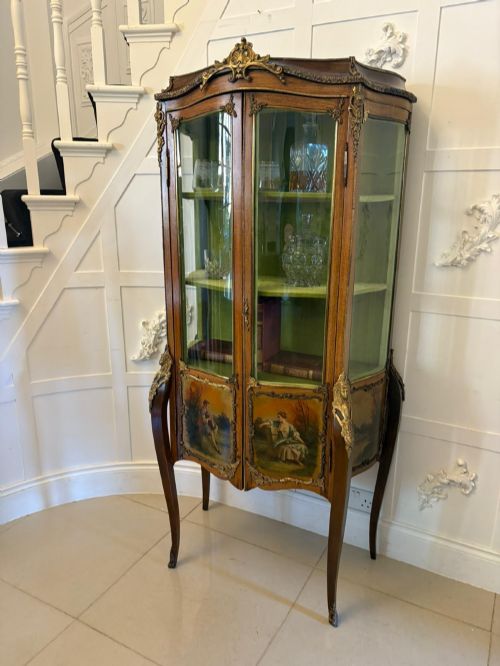
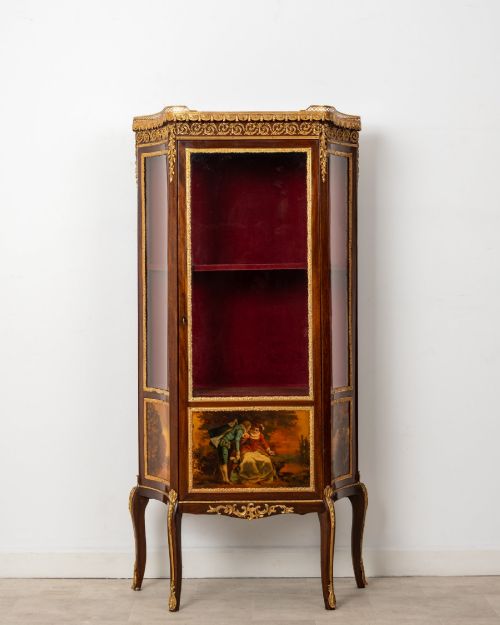
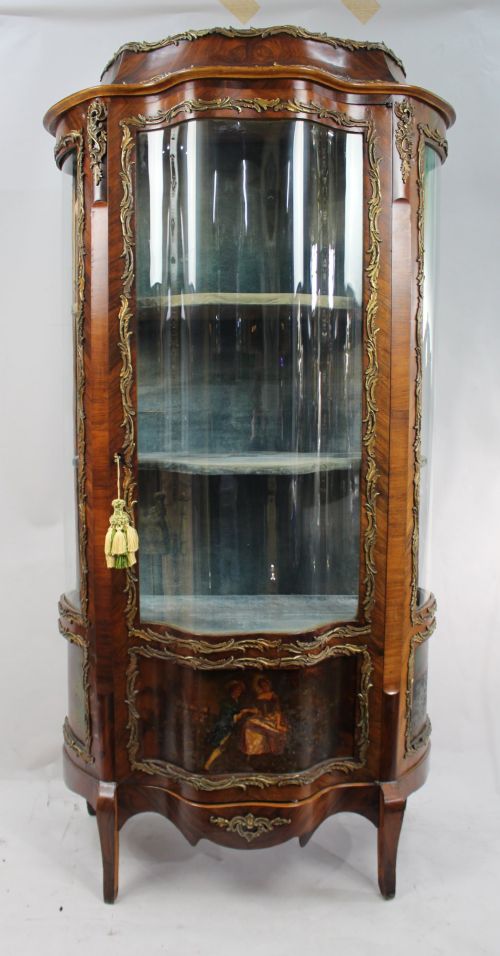
Furniture construction relied on fine timbers such as mahogany and kingwood, shaped into serpentine or glazed display cabinets. Artisans applied Vernis Martin varnishing techniques and gold leaf gilding to accentuate the painted panels and ormolu mounts. These methods required careful layering of varnish to achieve a translucent, luminous surface finish on the cabinet doors and sides.
Ceramic pieces utilised bone china and hard-paste porcelain blanks that were hand-painted by specialist artists. Factories employed enamel colours and applied gilding or gold leaf borders to frame central motifs such as fruit, flowers, or portraits. Kiln firing fixed the pigments and metals to the porcelain glaze, ensuring lasting brilliance on cabinet plates and cups.
The listings include 19th-century French vitrines and English porcelain from factories such as Royal Worcester and Bloor Derby.
What varies in quality
The refinement of the hand-painted decoration separates standard production from exceptional work. Pieces featuring named artists, such as Royal Worcester fruit painters, command attention due to the precision and artistry of the brushwork. Similarly, furniture quality is judged by the crispness of the gilt bronze ormolu mounts and the execution of the painted panels.
The choice of materials and the integrity of the original construction dictate the standing of each piece. Cabinets utilising premium hardwoods like kingwood alongside detailed Vernis Martin work represent higher tiers of manufacture. In ceramics, translucent porcelain bodies combined with intricate, raised gilding indicate superior workshop standards.
H and R Daniel·KPM Berlin·Royal Worcester·Royal Crown Derby·John Davenport·Royal Doulton·Minton·Meissen·Doe and Rogers·Bloor Derby
The Gilt Painted China Cabinet Glossary
- Vernis Martin
- A type of furniture finishing developed in 18th-century France using translucent varnishes over painted decorations. This technique created a glossy, durable surface that imitated Japanese lacquer work.
- Ormolu
- Gilt bronze mounts applied to furniture and decorative objects for ornamentation. The process involves coating cast bronze with a mercury and gold amalgam before heating.
- Cabinet Plate
- A decorative porcelain plate made primarily for display rather than dining use. These items typically feature hand-painted scenes, botanical studies, or armorial crests with extensive gilding.
- Vitrine
- A glass-fronted display cabinet designed to showcase porcelain, glassware, and small collectibles. These pieces often feature glazed sides and mirrored backs to maximise light reflection.
- Bone China
- A type of porcelain composed of clay, feldspathic material, and bone ash. It produces a strong, translucent body well suited to fine cabinet cups and dessert plates.
Gilt Painted China Cabinet: Frequently Asked Questions
What is a Vernis Martin cabinet?
A Vernis Martin cabinet is a piece of display furniture decorated with layered varnished paintings, typically originating from 19th-century French workshops. These cabinets often combine mahogany or kingwood structures with glazed doors and gilded bronze mounts.
The distinctive finish provides a luminous sheen that protects the painted scenes while enhancing the richness of the wood. They were designed to showcase fine porcelain and objets d'art in formal reception rooms.
Were cabinet plates used for dining?
Cabinet plates were created exclusively for display on sideboards, walls, or within vitrines rather than for serving food. Their delicate hand-painted artwork and extensive gilding made them unsuited to practical dining use.
Factories produced these pieces to highlight the skill of their principal artists, featuring subjects such as botanical studies, topographical views, and still-life fruit.
How do I identify a cabinet cup?
Cabinet cups and saucers are distinguished from tea sets by their high-quality painted decoration and single-item production. They often rest on small feet and feature ornate handles accented with heavy gilding.
These vessels were made by prominent porcelain manufacturers like Coalport, Davenport, and Berlin, intended for display on mantelpieces or inside glass cabinets.
How should I care for gilded porcelain?
Gilded porcelain requires gentle handling and should be kept away from abrasive cleaning agents that can wear away the gold leaf. Dusting with a soft, dry cloth is usually sufficient for maintenance.
Displaying these items out of direct sunlight helps preserve the vibrancy of the hand-painted enamels and prevents fading over time.