


Ebonised Standing Cabinet
An ebonised standing cabinet brings dark, dramatic presence to a room, offering elevated display and storage through richly blackened wood.
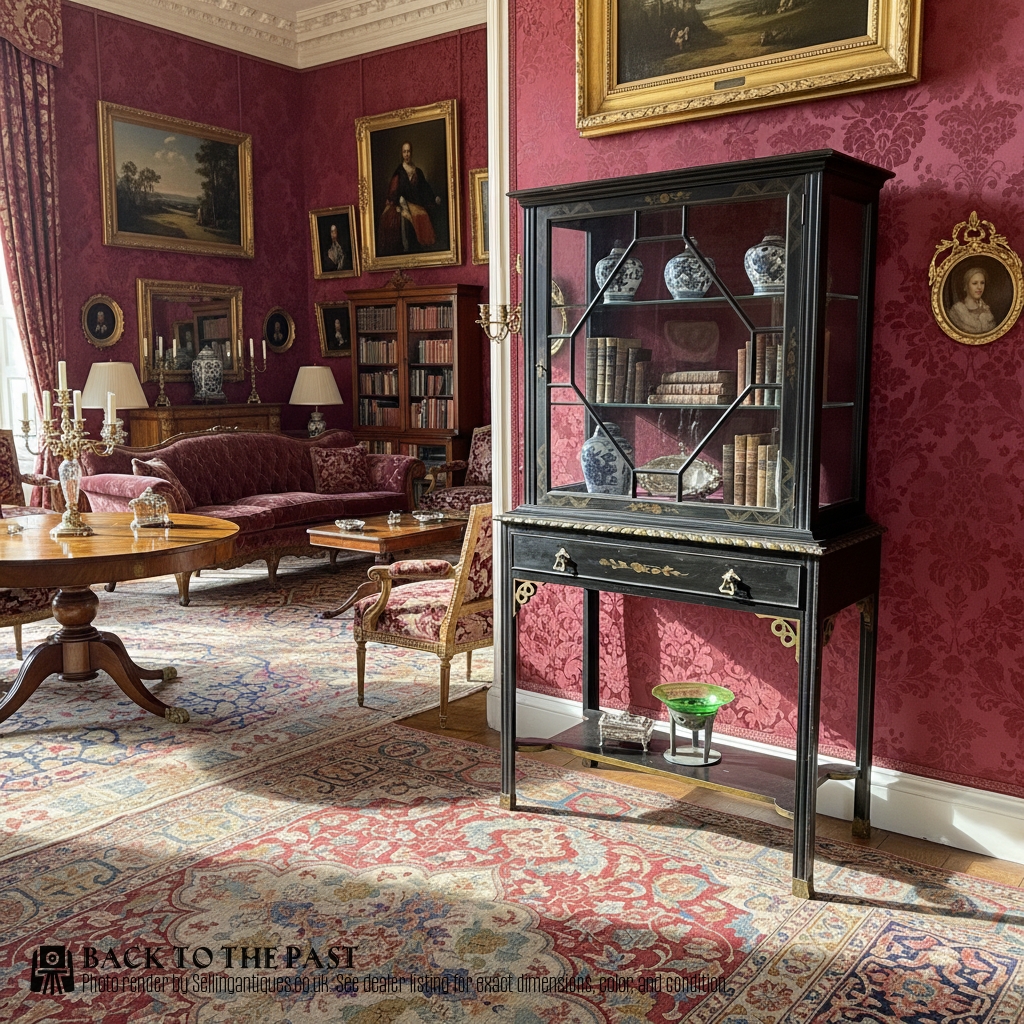
Ebonised Standing Cabinet
When you search for an ebonised standing cabinet, you encounter tall, vertical furniture finished to resemble dense ebony, spanning centuries from seventeenth-century Baroque works to nineteenth-century Victorian interpretations.
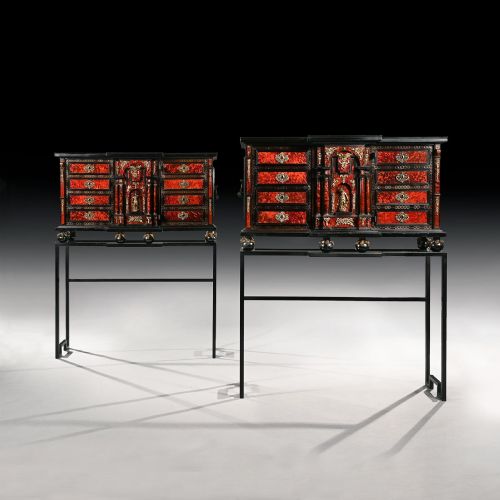
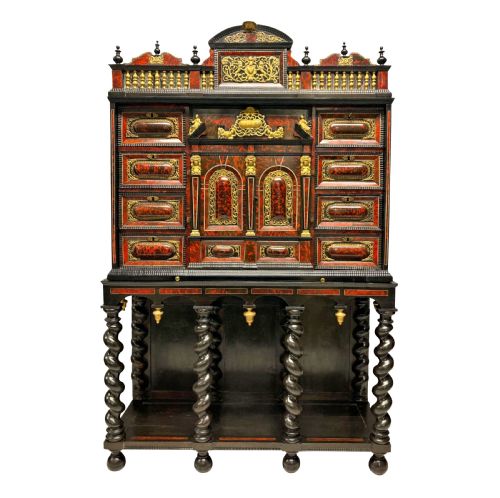
The pieces on this page lean heavily towards nineteenth-century Victorian and Aesthetic Movement designs, alongside earlier Spanish and Flemish seventeenth-century forms raised on supportive stands.
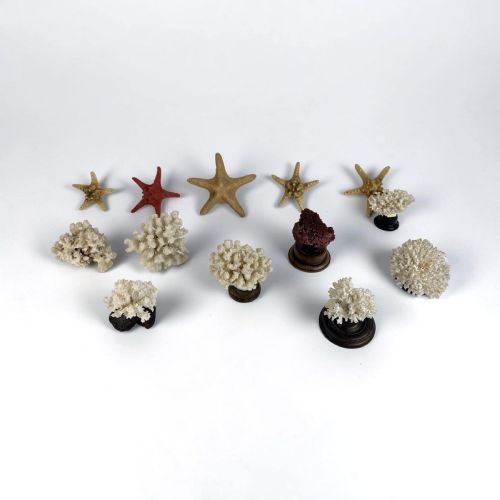
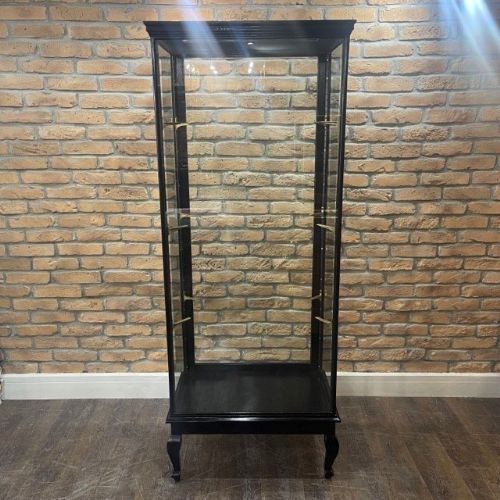
Forms vary significantly, encompassing glazed vitrines, architectural cabinet-on-stand constructions, music cabinets, and specialised natural history specimen displays.
Materials and construction methods
Carroetry and carcases utilise woods such as mahogany, walnut, and ordinary hardwoods treated with dark stain, paint, or polish to achieve the characteristic ebonised finish.
Surface decoration frequently incorporates contrasting elements like tortoiseshell panels, brass mounts, gilt bronze, and parcel-gilding to catch the light against the dark background.
Samuel Pepys makes an unexpected appearance in the records as the namesake for a seventeenth-century Dutch Colonial ebony cabinet.
Distinctions in quality
Quality rests upon the depth of the ebonisation process and the integrity of the underlying timber, distinguishing carefully prepared finishes from superficial modern treatments.
The sophistication of secondary materials, such as genuine tortoiseshell inlays, hand-chiselled gilt bronze mounts, and original glass panes, separates standard production from exhibition pieces.
Henry Ogden & Son
The Ebonised Standing Cabinet Glossary
- Ebonised
- Wood treated with stain or paint to imitate ebony. This dark finish gained immense popularity during the Victorian and Aesthetic Movement periods.
- Cabinet on stand
- A cabinet designed to sit upon a separate supporting frame or legs. This form elevates the display surface and characterises many seventeenth-century examples.
- Vitrine
- A glass-fronted cabinet utilised for displaying fragile objects and curiosities. These pieces protect contents while offering all-round visibility.
- Parcel-gilt
- Partially gilded with gold leaf or powder. This technique highlights carved details against a dark ebonised carcase.
Ebonised Standing Cabinet: Frequently Asked Questions
What is an ebonised standing cabinet?
An ebonised standing cabinet is a tall piece of furniture finished in a dark, black hue designed to mimic costly ebony timber. These pieces typically provide enclosed storage or elevated display space.
Such cabinets range from seventeenth-century architectural forms on stands to nineteenth-century Victorian and Aesthetic Movement designs created for domestic display.
How do I date an ebonised cabinet?
Dating relies on examining the construction methods, secondary timbers, and decorative styles employed in the piece. Seventeenth-century examples often feature elaborate tortoiseshell and architectural mouldings.
Later Victorian and Aesthetic Movement versions display machine-cut elements, characteristic brass hardware, and distinct revival styles that reflect the tastes of their era.
Where were these cabinets placed in a home?
These cabinets served as focal points in reception rooms, drawing rooms, and studies where owners displayed prized collections and curiosities. Tall vertical proportions allowed them to occupy wall space efficiently.
Music cabinets and glazed vitrines were specifically positioned to house sheet music, books, and delicate specimens within easy reach.
How do I care for ebonised wood?
Care requires dusting with a soft, dry cloth and avoiding harsh chemical polishes that can degrade the dark finish. Maintaining stable room humidity prevents the underlying timber from shifting.
Care should also be taken to protect inlaid materials like tortoiseshell and gilt highlights from direct sunlight and abrasive handling.