
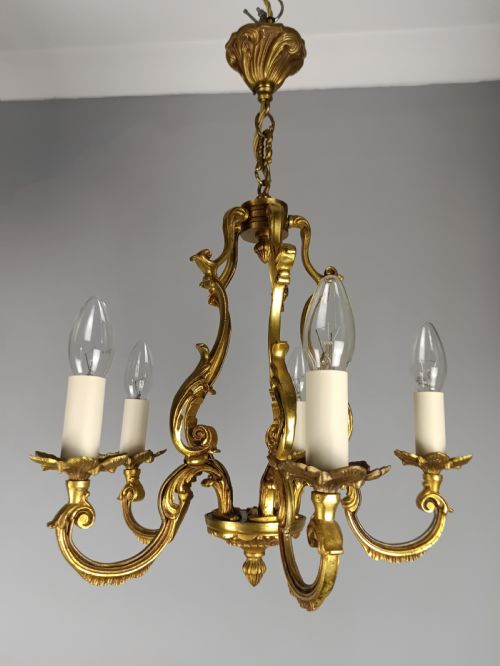
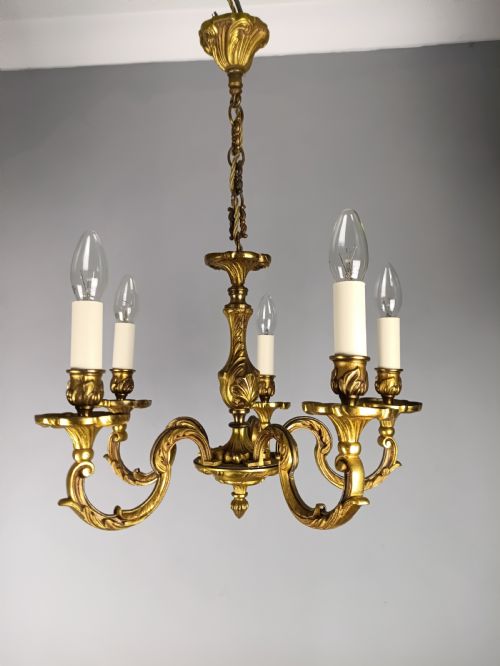
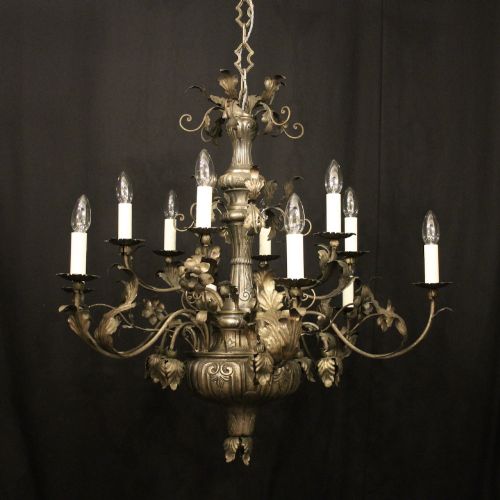
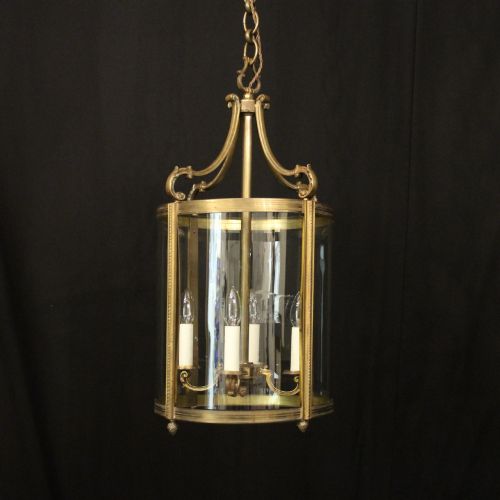

Gilt Metal Light
When you search for a gilt metal light, you enter a world of chandeliers, wall sconces, and candelabra designed to catch and amplify the flicker of fire or electricity.
Gilt Metal Light
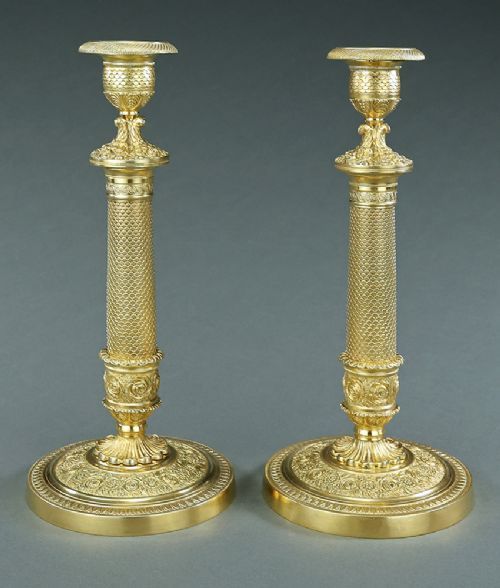
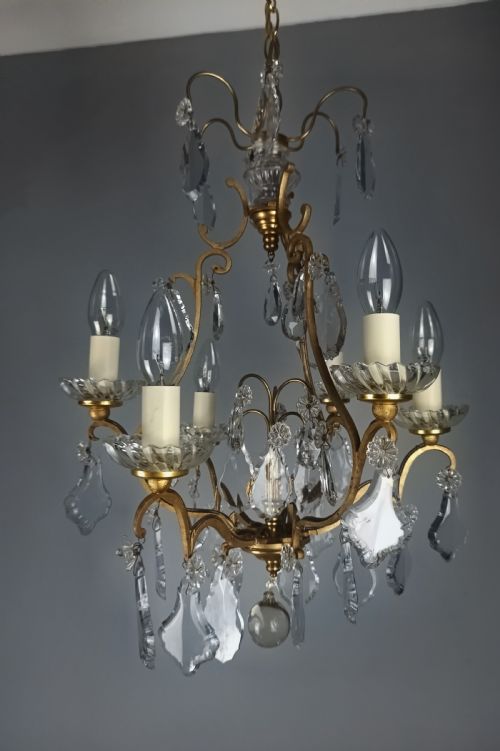
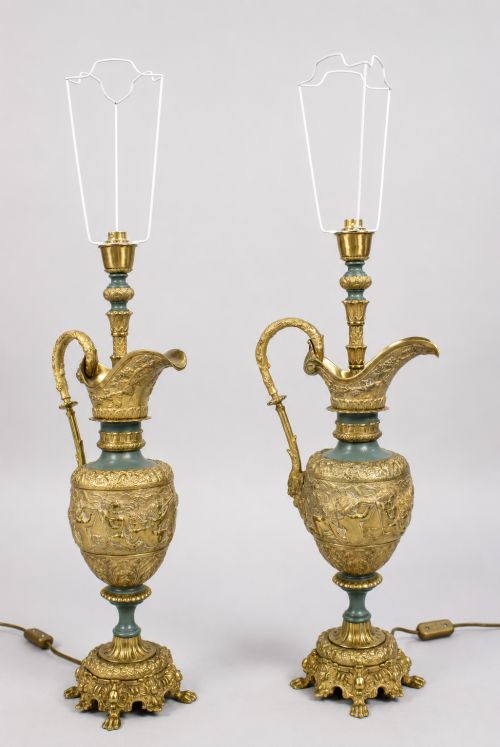
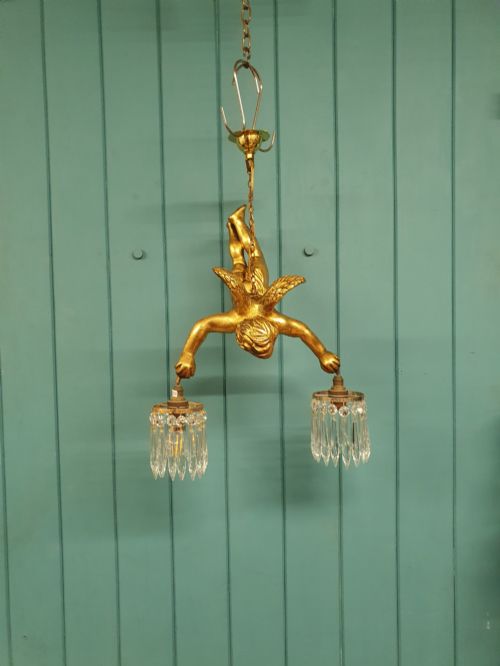
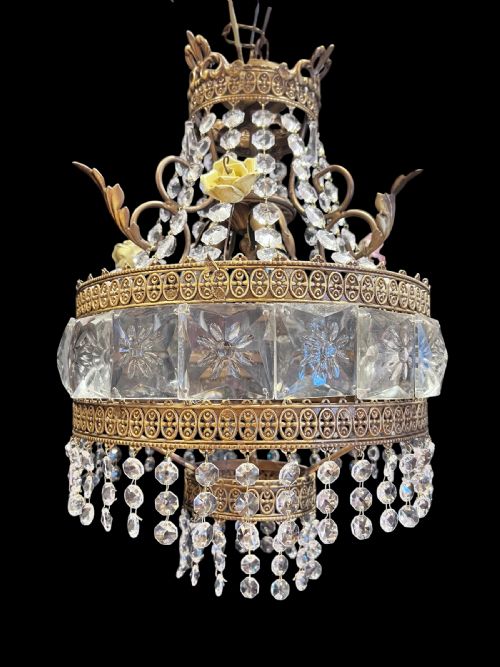
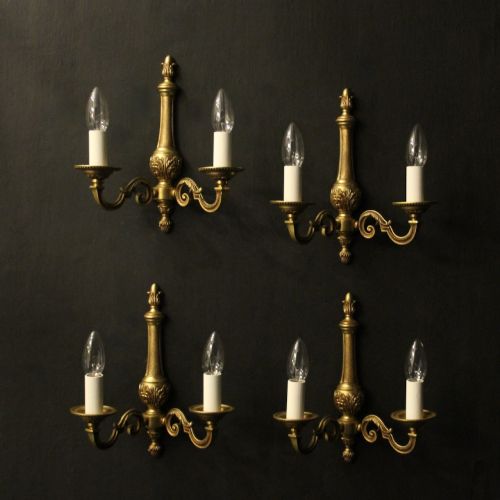
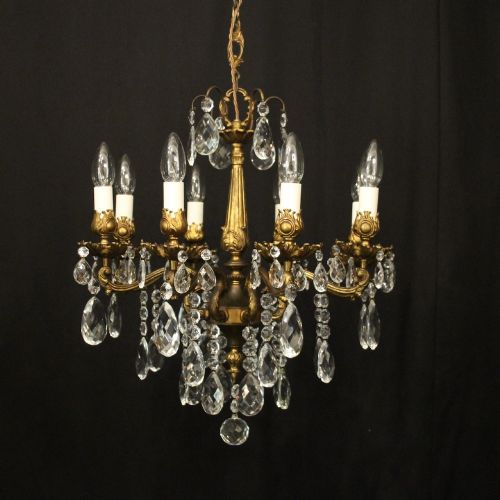
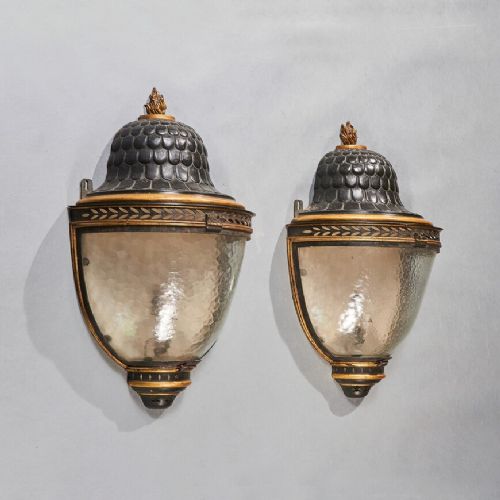
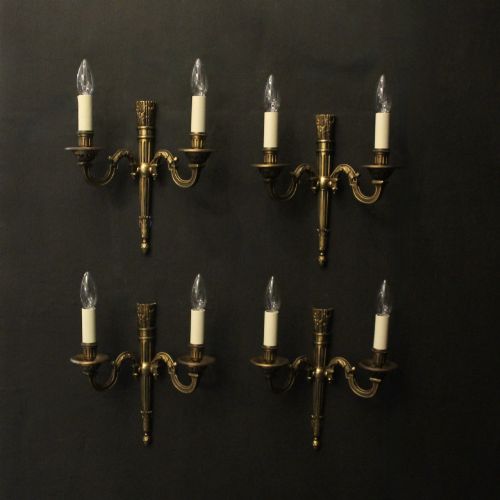
A gilt metal light encompasses a wide array of lighting fixtures and candleholders, ranging from grand multi-armed chandeliers and hall lanterns to matching pairs of wall sconces and bedside table lamps. These pieces primarily date from the nineteenth and early twentieth centuries, with occasional eighteenth-century examples appearing.
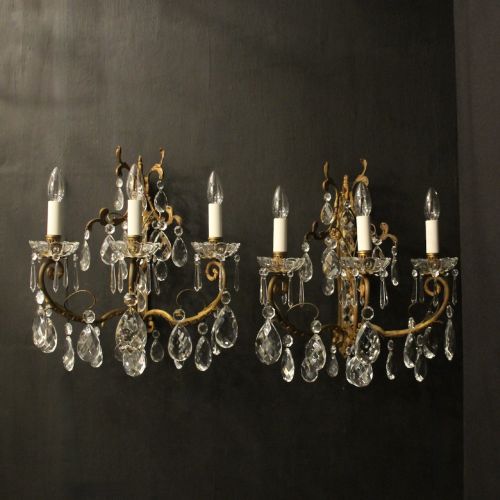
The aesthetic leans heavily towards French and Italian traditions, drawing on stylistic vocabularies such as Rococo, Regency, Empire, and Neoclassical designs. Buyers will frequently encounter wall lights and chandeliers that incorporate decorative motifs like cherubs, floral elements, and crystal droplets.
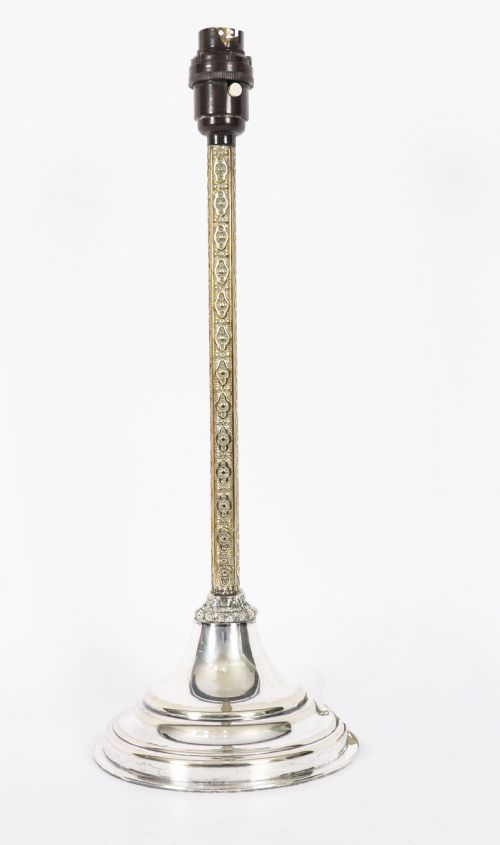
Beyond ceiling fixtures, the selection includes portable forms like candelabra, candlesticks, and desk lamps that bring metallic warmth and historical character to smaller surfaces. Each type serves both a practical illumination purpose and an ornamental function within a room.
Craftsmanship and materials
The foundation of these pieces relies on base metals such as brass, bronze, spelter, and cast iron, which were shaped through casting, forging, and detailed hand-chasing. Craftsmen then applied finishes including mercury gilding, ormolu, and surface leaf to impart a rich, reflective golden sheen.
Many designs integrate additional decorative elements like cut glass crystals, porcelain flowers, ceramic components, and hand-painted toleware to enhance the visual complexity of the fixture. Structural elements were assembled with mechanical fasteners or brazing, requiring precise metalworking skills to support the weight of crystal drops and multiple arms.
Listings span periods from the eighteenth century through the mid-twentieth century, featuring materials such as crystal, ormolu, and toleware.
Factors of distinction
The integrity of the original gilt surface and the weight of the underlying metal also separate standard production from exceptional pieces. Higher-grade items retain substantial proportions and retain hand-applied gilding that ages with a warm patina rather than flaking away.
Mappin & Webb's·E Rousseau·Maison Baguès
The Gilt Metal Light Glossary
- Ormolu
- Finely chopped high-karat gold amalgamated with mercury and applied to a bronze base through intense heat. This mercury gilding technique creates a durable, luminous finish characteristic of high-end French decorative arts.
- Spelter
- An alloy of zinc and lead often used as a cheaper substitute for bronze in decorative castings. It takes detail well but is softer and more brittle than bronze.
- Candelabra
- A branched candlestick designed to hold multiple candles simultaneously. These often feature ornate central shafts and removable arms.
- Toleware
- Painted or lacquered sheet metal items popular in various periods for adding colour and floral decoration to light fittings.
- Chandelier
- A branched ornamental ceiling light suspended from chains or rods. They are typically adorned with crystals, glass drops, or multiple light bulbs.
Gilt Metal Light: Frequently Asked Questions
How do I clean a vintage chandelier?
Dust the metal and crystals gently with a soft, dry microfibre cloth to remove surface particles without disturbing the finish. Avoid harsh chemical cleaners that can strip away original gilding or damage delicate porcelain and glass components.
For deeper cleaning, use a mild soap solution applied sparingly with a soft brush, ensuring the piece is completely dry before restoring it to use.
Can old wall lights be rewired?
Most antique and vintage wall lights can be adapted for modern electrical standards by a qualified professional. Rewiring allows you to integrate historical pieces safely into contemporary domestic wiring systems.
Discuss internal access points and modern bulb compatibility with your electrician to preserve the structural integrity of the metal arms and backplates.
What is the difference between ormolu and gilded brass?
Ormolu specifically denotes a mercurial gold finish applied to a bronze substrate, producing a deep, enduring lustre associated with French luxury goods. Gilded brass involves applying gold leaf or paint to a less expensive copper and zinc alloy base.
Examining the weight, the crispness of the casting, and the way the metal reflects light helps distinguish between the two finishes.
How do I date an antique light fixture?
Dating relies on examining the casting techniques, fastening methods, stylistic motifs, and the types of glass or crystal used. Pieces echoing Regency or Empire styles often display specific structural characteristics typical of nineteenth-century workshops.
Comparing the wiring channels, socket types, and general wear patterns against known historical periods provides further chronological context.