


Baroque Style Lighting
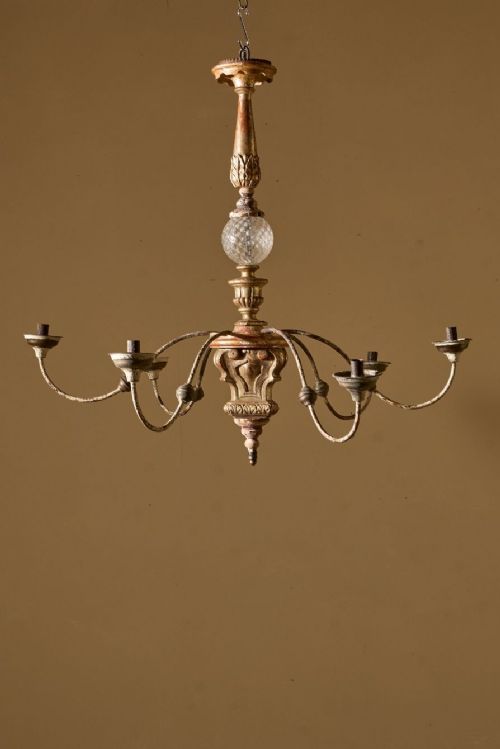
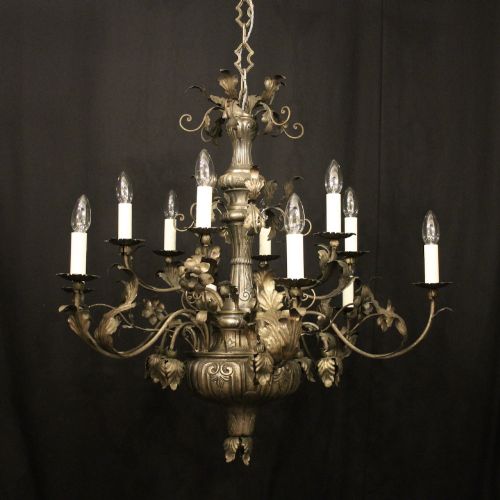
Baroque style lighting brings together ornate brass, carved giltwood, and grand chandeliers designed to command a room.
Baroque Style Lighting
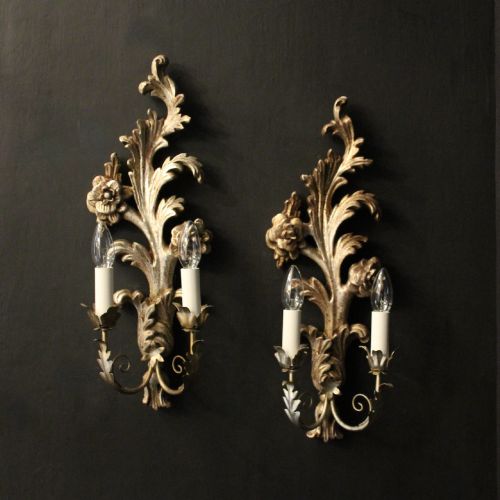
Baroque style lighting encompasses chandeliers, wall lights, wall sconces, standard lamps, and table lamps originating from various European traditions. Buyers examining this page will frequently encounter Italian, Dutch, and Flemish interpretations spanning the nineteenth and early twentieth centuries, alongside occasional earlier examples.
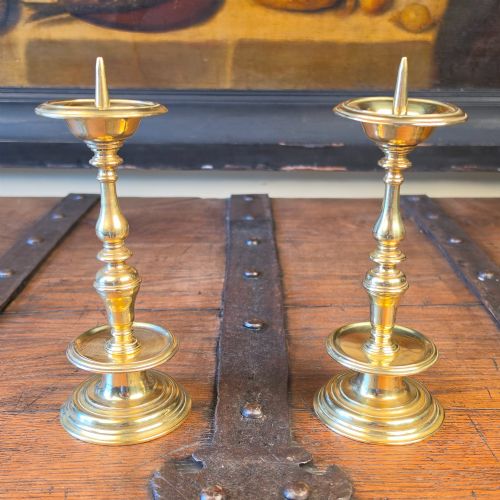
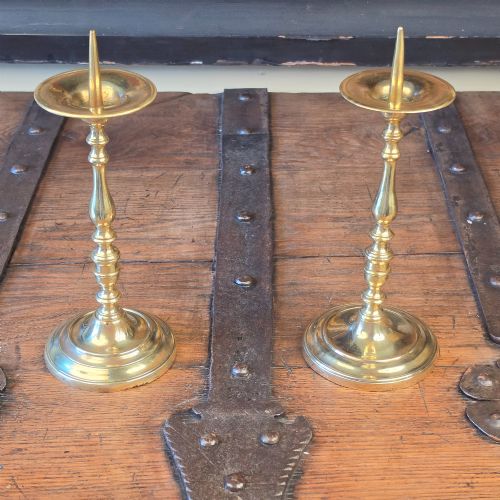
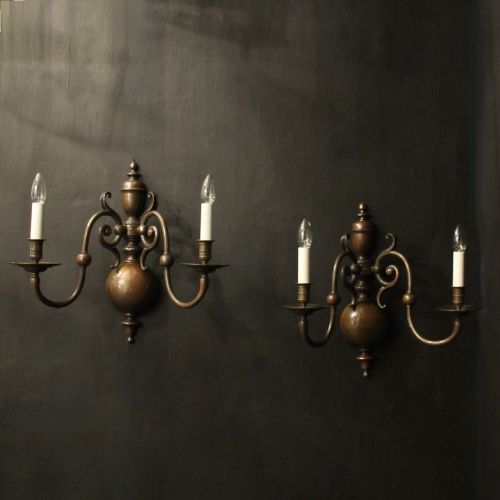
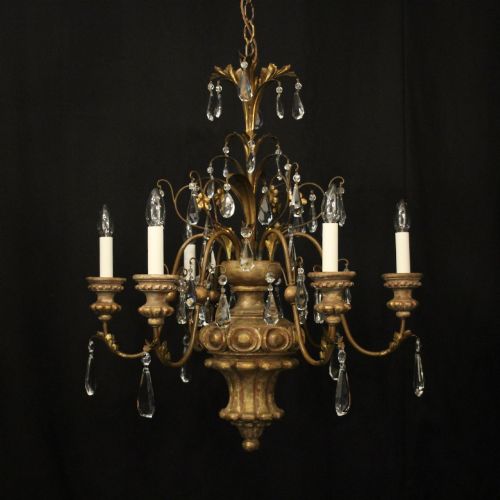
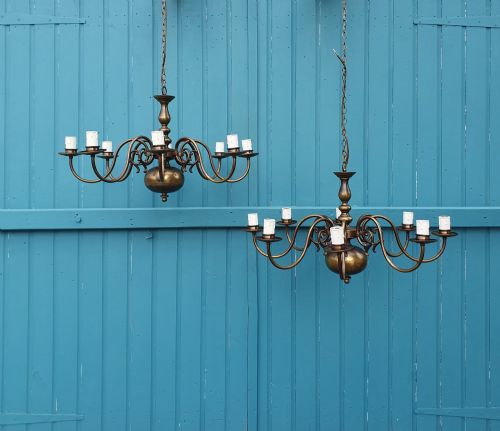
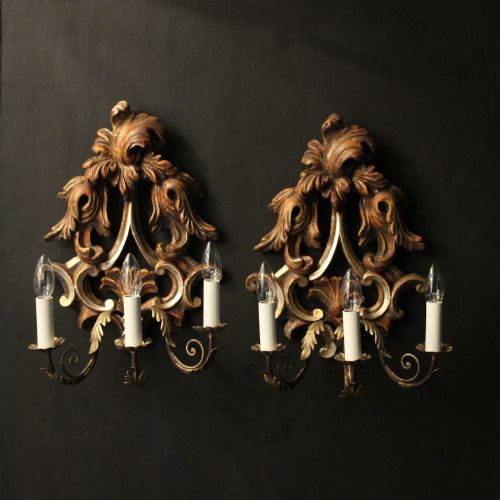
The selection ranges from large twelve-light chandeliers and towering standard lamps to intimate pair-mounted wall brackets and pricket candlesticks. Italian and Florentine works frequently utilise carved giltwood and gesso, whereas Dutch and Flemish pieces lean towards heavy brass and copper construction.
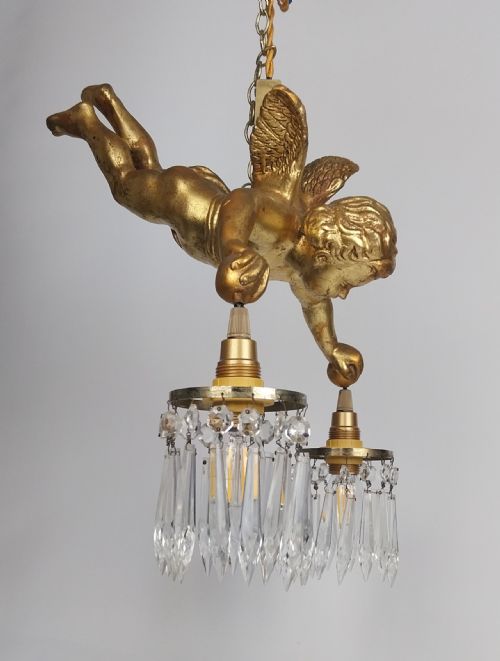
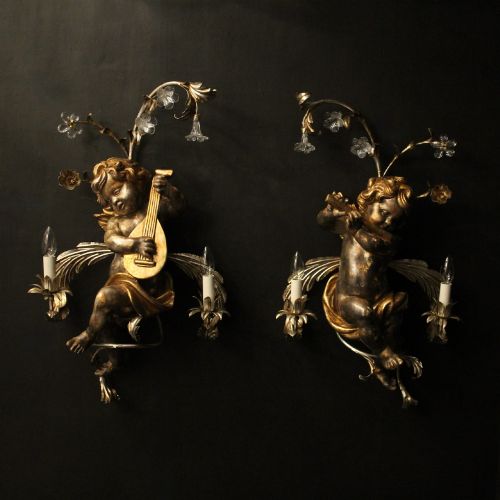
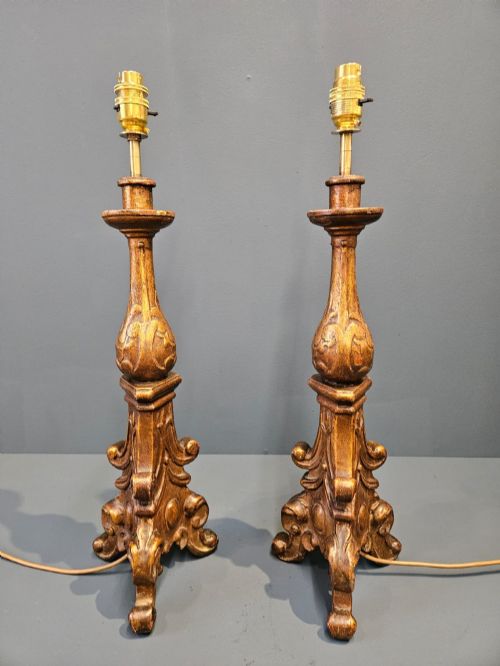
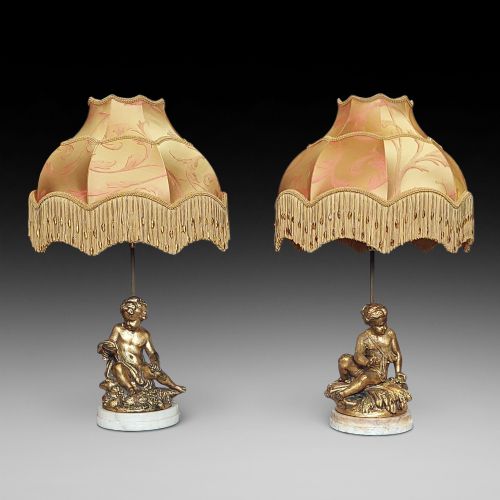
Smaller decorative elements such as gilt metal cherubs, winged figures, and carved torchere bases frequently appear across the selection. These pieces reflect revival aesthetics from the Victorian and Edwardian eras, channeling seventeenth and eighteenth-century grandeur into domestic lighting.
Materials and Techniques
Makers utilised carved wood, gesso, and gold leaf to achieve ornate surfaces, often combining these with carved pinewood or timber. Giltwood and silver gilt finishes dominate the Italian and Florentine items, reflecting intensive hand-carving and gilding techniques.
Metalworking forms the backbone of the heavy hanging lanterns and branch chandeliers, utilising cast brass, copper, or ormolu. Glass components, including Murano elements and crystal drops, integrate with metal frames to catch and reflect illumination.
Polychrome decoration and applied metal mounts add colour and contrast to carved timber lamp bases and wall sconces. Construction methods rely on traditional joinery, metal casting, and hand-applied leaf finishes suited to domestic and architectural contexts.
Listings feature items spanning the eighteenth to the twentieth centuries, utilising brass, giltwood, gesso, glass, and carved wood across eight distinct regional styles.
Evaluating the Pieces
The depth and crispness of the hand-carving define the upper tier of wooden and giltwood items, where intricate foliage and figures retain sharp relief. Lesser pieces often display softer contours and simpler surface finishing.
The quality of the metalwork, whether cast bronze, brass, or ormolu, separates robust structural integrity from lighter, mass-produced alternatives. Heavier gauge metals and finely detailed casting indicate superior manufacture in chandeliers and wall brackets.
The application of gold leaf and silver gilt determines visual longevity, with genuine leaf ageing gracefully compared to modern paint substitutes. Original mounts, intact crystal elements, and balanced proportions further elevate the standing of individual lamps and sconces.
The Baroque Style Lighting Glossary
- Pricket
- A sharp metal spike on a candlestick designed to hold a candle in place. This form appears on older ecclesiastical and domestic pieces.
- Torchere
- A tall stand or pedestal originally intended to support a torch or candle. These items frequently take the form of carved wooden figures or columns.
- Giltwood
- Timber that has been coated with a thin layer of gold leaf or gold paint. It forms the primary surface treatment for many Italian wall lights and chandeliers.
- Ormolu
- Gilded bronze utilised for decorative mounts and fittings on furniture and lighting. The technique involves applying a gold amalgam to a bronze base.
Baroque Style Lighting: Frequently Asked Questions
How do I install antique chandeliers?
Antique chandeliers require professional installation due to their weight and historic wiring configurations. Many heavier pieces need structural ceiling support rather than standard electrical boxes.
Electric components in vintage fixtures often need updating to meet modern safety standards while preserving the exterior aesthetic. A qualified electrician can safely hang and wire these brass and giltwood assemblies.
What is the difference between Dutch and Italian styles?
Dutch lighting historically favours heavy cast brass and copper construction with multi-tiered branches. These pieces emphasise functional metalwork and robust proportions.
Italian lighting leans towards carved giltwood, gesso, and ornate figurative elements such as cherubs. The focus rests on surface ornamentation and sculptural wooden forms rather than exposed metal.
How should I clean giltwood lighting?
Giltwood requires delicate maintenance to protect the thin layer of gold leaf applied over gesso and timber. Dusting should be done gently using a soft, dry brush without chemical cleaners.
Moisture can damage the underlying gesso and cause the leaf to flake away from the wood. Professional restoration is recommended for significant accumulation of dirt.
Are these lamps wired for modern use?
Many standard lamps and table lamps have been adapted for contemporary electrical use over time. Wiring methods vary depending on when the conversion took place.
Buyers should inspect the internal wiring of older floor lamps and wall brackets upon arrival. Rewiring ensures safe operation within a modern domestic environment.