


Gilt Lacquer Cupboard
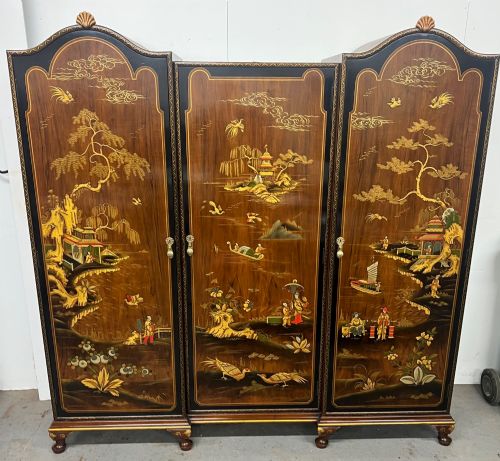
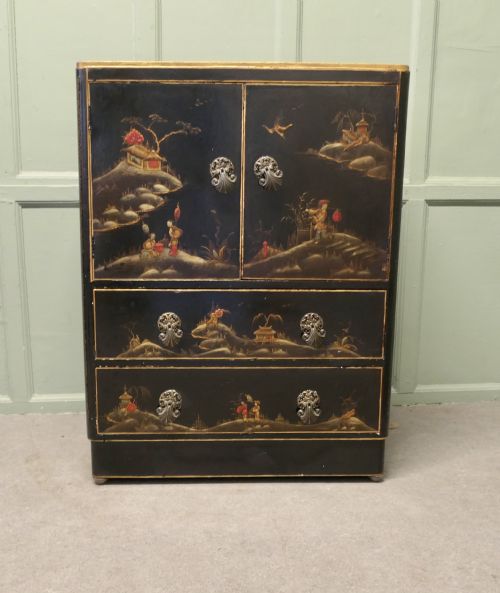
A gilt lacquer cupboard brings striking pictorial narrative and rich metallic detail into a room.
Gilt Lacquer Cupboard
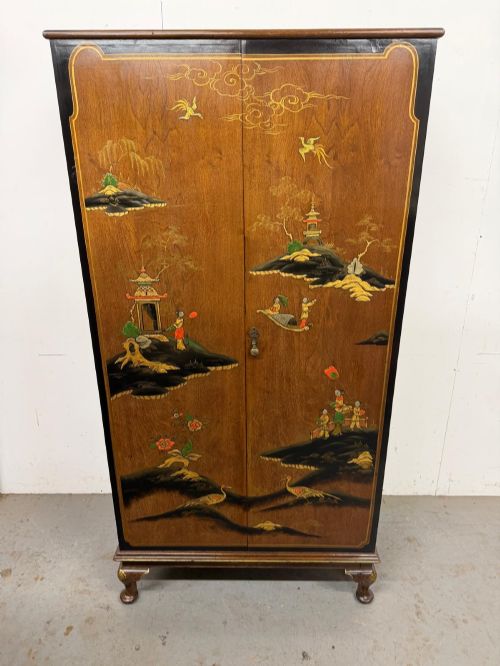
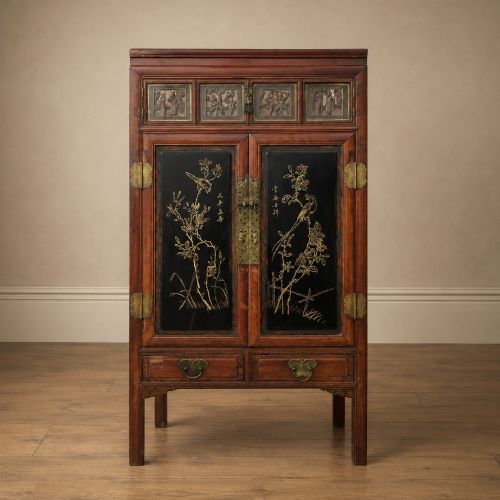
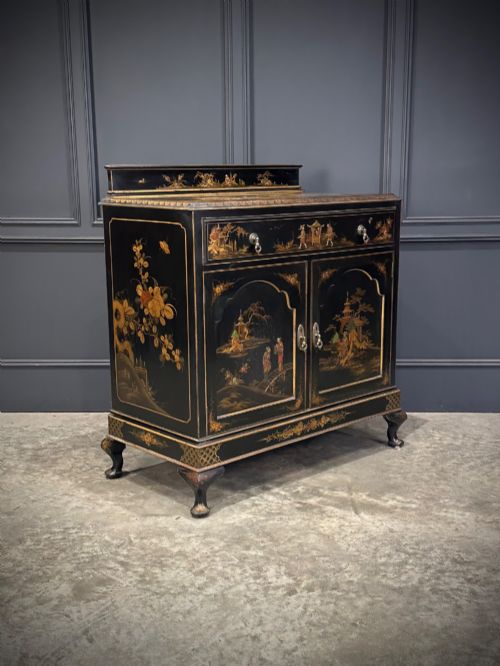
A gilt lacquer cupboard encompasses freestanding cabinets, corner cupboards, and sophisticated pieces raised on stands. When searching for a gilt lacquer cupboard, buyers encounter everything from compact table cabinets to substantial wardrobes and cocktail cabinets.
The selections span significant historical periods, led by the 18th century, the Victorian era, and early 20th century revivals. Pieces take diverse regional forms, ranging from English Chinoiserie and Regency adaptations to Japanese Edo and Meiji period works.
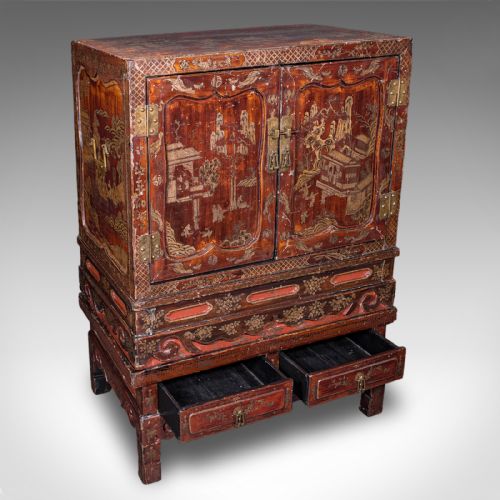
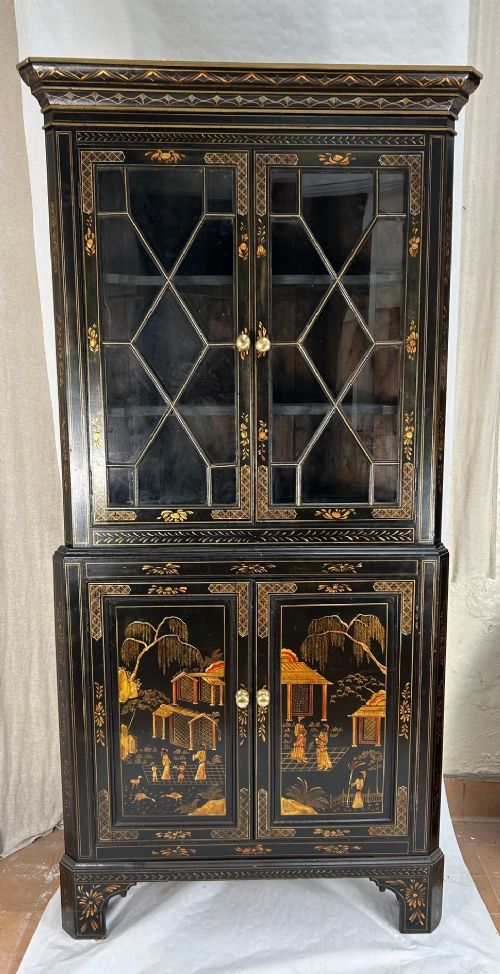
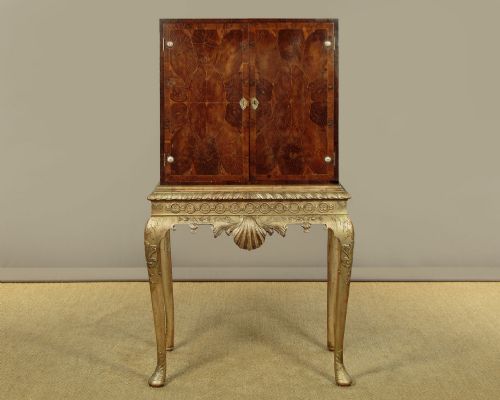
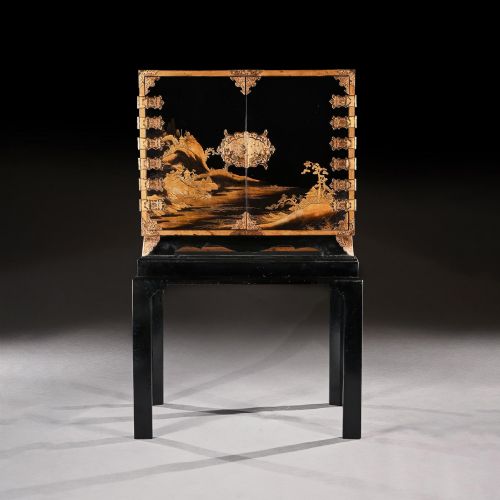
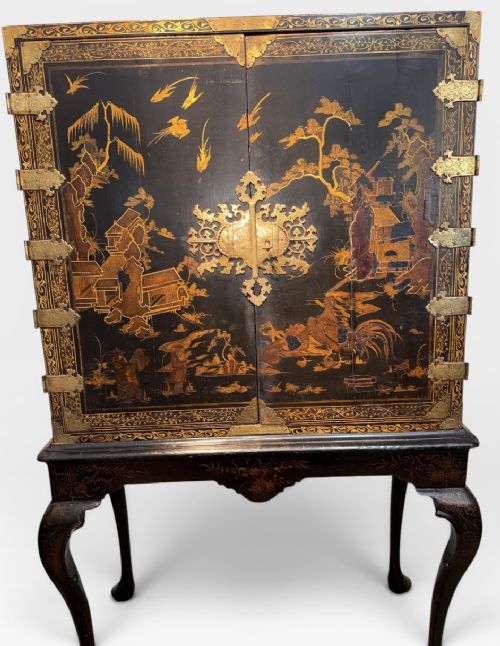
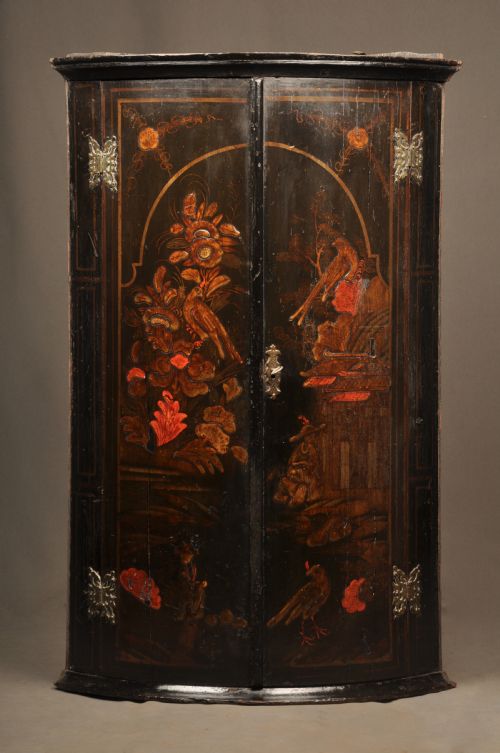
Corner cupboards and side cabinets provide enclosed storage while displaying intricate Oriental and European decorative schemes. Cabinets on stands elevate the lacquer work to eye level, framing intricate scenes within raised silhouettes.
Materials and construction
Construction relies fundamentally on wooden carcases finished with layers of lacquer. Artisans built up deep surfaces using natural resins before applying gold leaf, gilt, and ormolu mounts to delineate figures, landscapes, and architectural motifs.
Brass hardware, glass panels, and occasionally porcelain plaques complement the lacquered wooden structure. Japanned surfaces and Verni Martin techniques reflect the European interpretation of Eastern traditions, employing metallic dust and varnishes to achieve durable lustre.
Several cocktail cabinets hide bright mirrored interiors behind solemn black lacquer doors.
Assessing craftsmanship and finish
Quality rests in the depth of the lacquer finish and the precision of the gilded decoration. Superior examples display crisp hand-drawn detailing and harmonious integration between the cabinet carcase and its stand.
The integrity of the wooden structure and the preservation of the original gilt and lacquer surface dictate the standing of an individual piece. Finer items maintain their original stands, mounts, and interior fittings without heavy modern intervention.
Maples & Co.·Harrods·Beurdeley
The Gilt Lacquer Cupboard Glossary
- Japanning
- European imitation of East Asian lacquerwork developed during the 17th and 18th centuries. Craftsmen built up layers of varnish and heated them to produce a hard, glossy black or coloured finish.
- Chinoiserie
- European artistic style reflecting Chinese and East Asian motifs, popular in furniture decoration and architecture. It frequently manifests in whimsical landscapes, pagodas, and figurative scenes rendered in gold.
- Ormolu
- Gilded bronze mounts applied to furniture for decorative accent and structural protection. This technique creates bright metallic highlights against dark lacquer surfaces.
- Verni Martin
- 18th century French imitation lacquer perfected by the Martin brothers. It employs multiple coats of translucent varnish to achieve brilliant colour depth and luminosity.
Gilt Lacquer Cupboard: Frequently Asked Questions
How do I care for lacquer surfaces?
Keep these pieces away from direct sunlight and dramatic temperature shifts to prevent the lacquer from cracking. Dust gently with a soft, dry cloth without chemical polishes.
Maintain stable indoor humidity levels to protect the delicate wood and gold leaf layers over time.
Where should I place a corner cupboard?
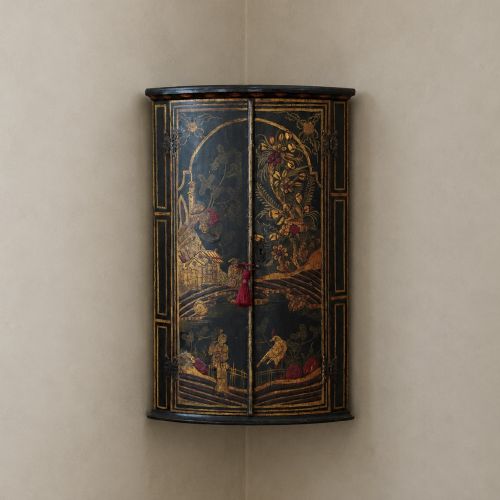
A corner cupboard effectively utilises neglected room angles while adding vertical visual interest. Hanging or freestanding versions work well in dining rooms and living areas.
Ensure the piece is securely anchored if it is a tall wall-mounted corner unit.
What is a cabinet on stand?
A cabinet on stand consists of an enclosed storage box resting upon a separate supporting base with legs. This form raises the main decorative surface for easier viewing.
18th century and later revival examples often feature matching stands decorated in complementary Chinoiserie styles.
How do I distinguish 18th century from revival pieces?
Examine the construction methods, timber choice, and wear patterns on the interior carcase. 18th century originals show distinct hand-tool marks and patination consistent with age.
Revival pieces from the Edwardian era or the 1920s and 1930s often utilise machine-sawn timbers and different secondary woods.