


Gilt Japanese Table
A gilt japanese table brings together gleaming gold leaf and intricate lacquer or wood, offering a distinctive surface that anchors a room with historic character.
Gilt Japanese Table
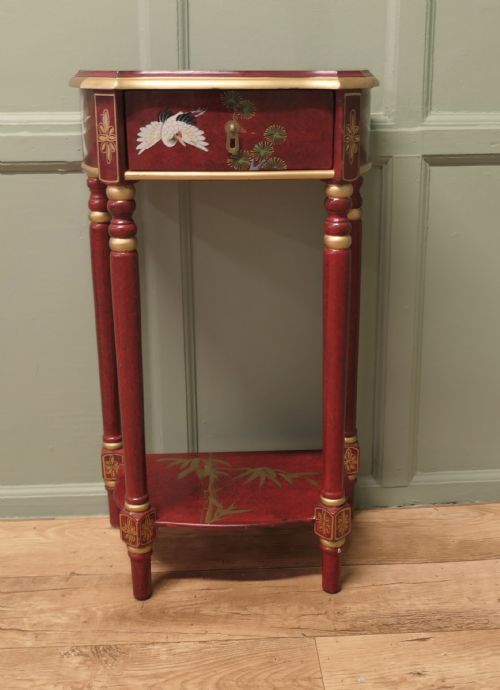
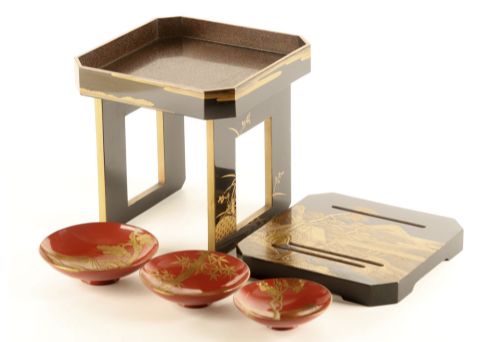
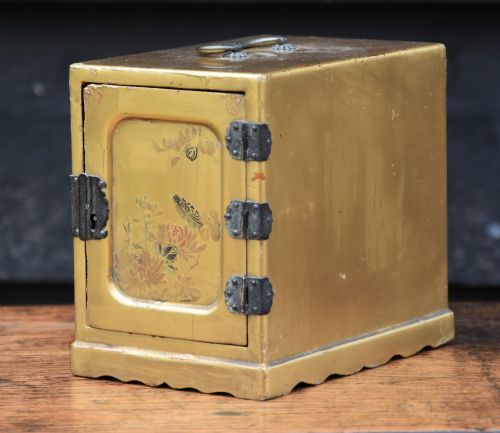
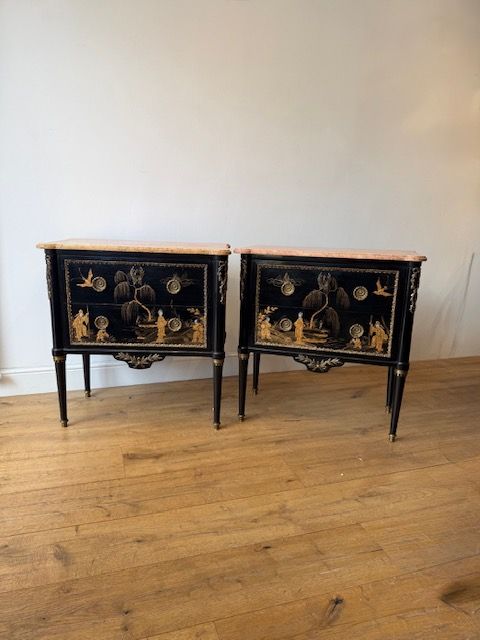
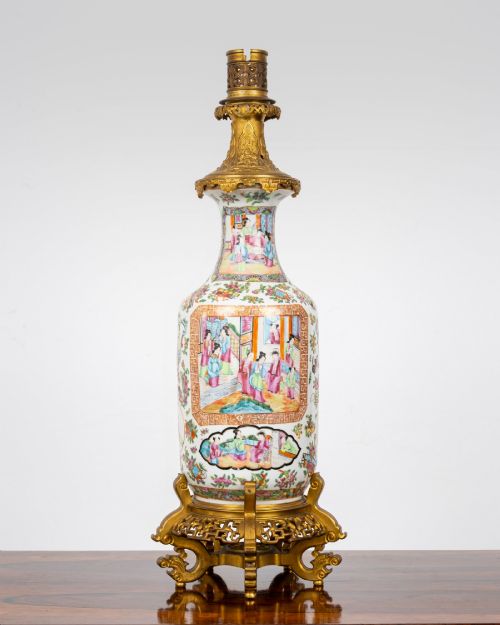
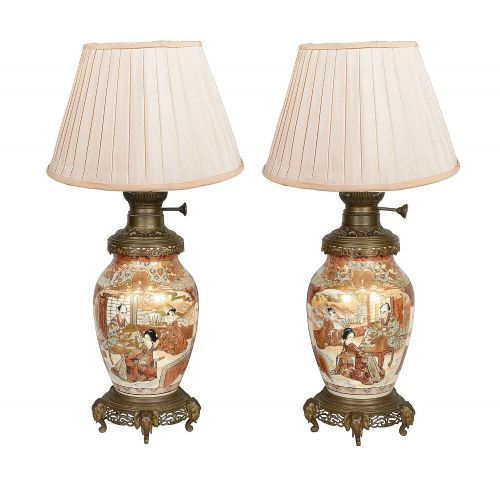
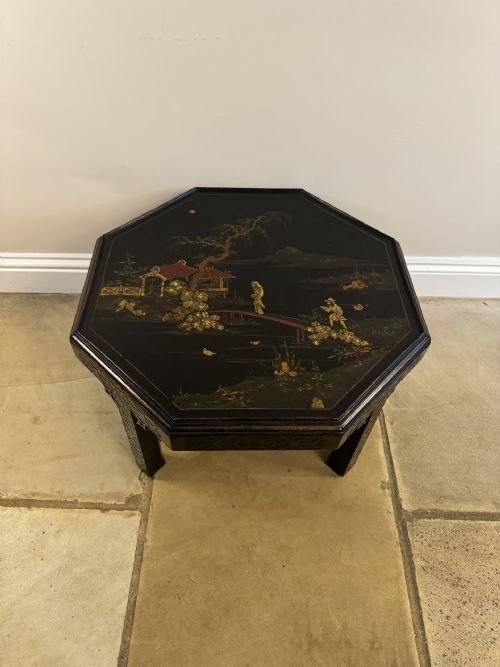
A gilt japanese table encompasses a variety of low tables, coffee tables, and occasional stands finished with lacquer, gold leaf, and painted details. These pieces often draw upon Meiji period artistry, Aesthetic Movement ideals, and Edwardian chinoiserie interpretations.
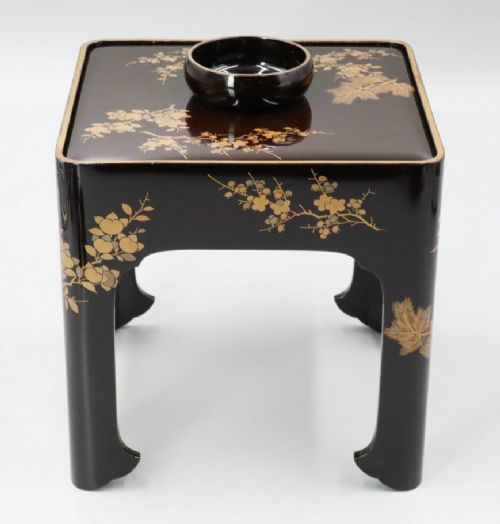
Buyers will encounter items ranging from black lacquered square low tables to painted and parcel-gilt centre tables with marble tops. The selection frequently bridges traditional Japanese craft methods with European furnishing tastes from the nineteenth and early twentieth centuries.
How they were made
Wood serves as the primary structural foundation, shaped into coffee tables, nests of tables, and display stands. Artisans applied layers of lacquer to create smooth, durable surfaces capable of holding intricate painted or raised relief decoration.
Gold leaf and parcel-gilt highlights were carefully applied to accentuate borders, motifs, and architectural forms. Brass and bronze mounts occasionally reinforced edges and added structural contrast to the timber and lacquer bodies.
Some tables double as miniature architectural landscapes where golden cranes appear ready to take flight from your coffee cup.
What varies in quality
The finesse of the surface decoration largely distinguishes finer examples from simpler production. Pieces featuring detailed raised relief work, crisp parcel-gilt application, and well-preserved lacquer display a higher tier of craftsmanship.
Structural integrity and the condition of the gilt and lacquer surfaces dictate the standing of an item. Superior examples maintain the original harmony between the wooden core and the delicate decorative finishes applied by the maker.
Kinkozan
The Gilt Japanese Table Glossary
- Gilt
- Covered thinly with gold leaf or gold paint. This finish catches the light and highlights carved or flat decorative surfaces.
- Lacquer
- A durable resin finish applied in multiple layers to wood objects. It provides a glossy, protective coat often used as a base for gilt decoration.
- Chinoiserie
- European artistic style reflecting Chinese and broader East Asian artistic influences. It frequently appears in British furniture and decorative objects from the eighteenth through the early twentieth centuries.
- Meiji Period
- A Japanese historical era lasting from 1868 to 1912. Items from this time often combine traditional craftsmanship with designs intended for export.
- Aesthetic Movement
- A nineteenth-century artistic movement emphasising visual and compositional beauty over narrative or moral themes. It heavily integrated Japanese design motifs into Western interiors.
Gilt Japanese Table: Frequently Asked Questions
What periods do these tables come from?
The pieces span the nineteenth century through the early twentieth century, including Meiji period examples and Edwardian interpretations.
Craftsmen across these decades blended traditional Asian finishing techniques with European furniture forms.
How do I care for a lacquered table?
Keep the surface away from direct sunlight and excessive moisture to protect the delicate lacquer and gold leaf layers.
Dust gently with a soft, dry cloth rather than using chemical polishes that might damage the historical finish.
Are these tables purely decorative?
While highly decorative, low tables and coffee tables serve practical functions for display and everyday use in living spaces.
Their sturdy wood construction supports light items, though care should be taken with heavy loads or hot objects.
What is the difference between Japanese and chinoiserie styles?
Japanese pieces originate from or closely follow traditional Japanese aesthetic practices, particularly from the Meiji and Edo periods.
Chinoiserie represents European interpretations of East Asian motifs, often produced by British makers influenced by Eastern design.