

Gilt Imari Porcelain
Gilt imari porcelain combines deep cobalt blue and iron red with gold leaf accents on ceramic forms, prized for centuries by collectors.
Gilt Imari Porcelain
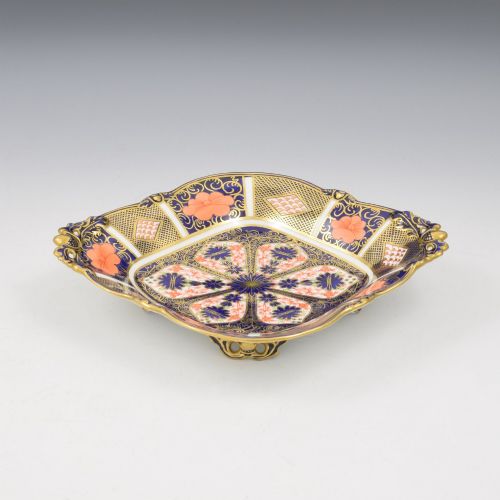
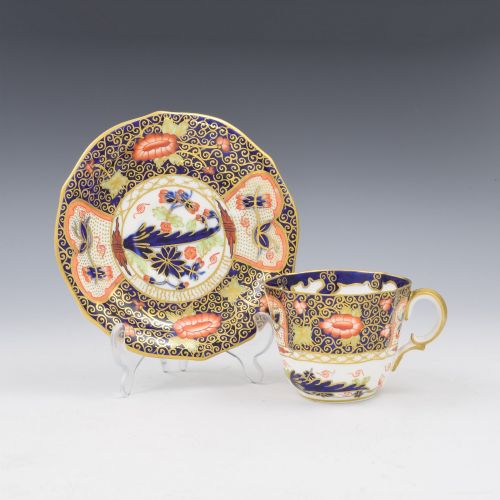
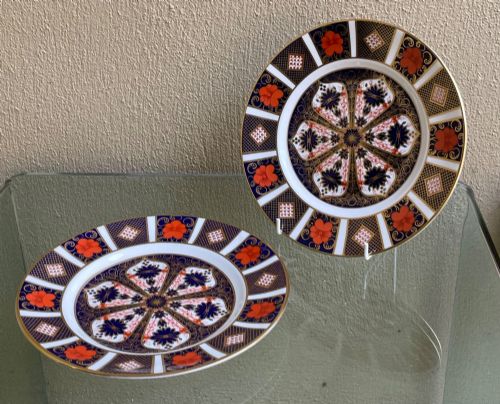
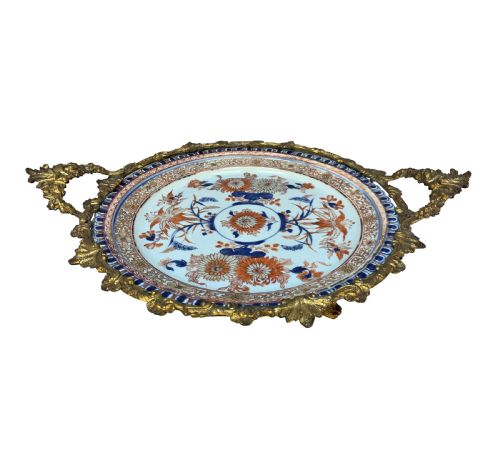
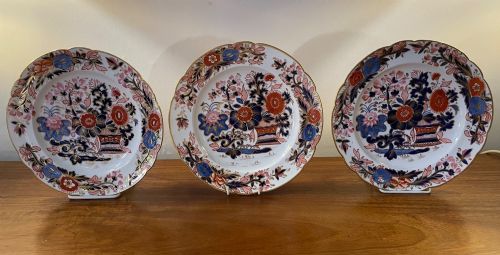
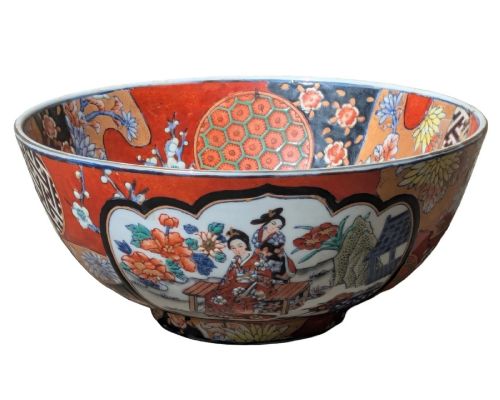
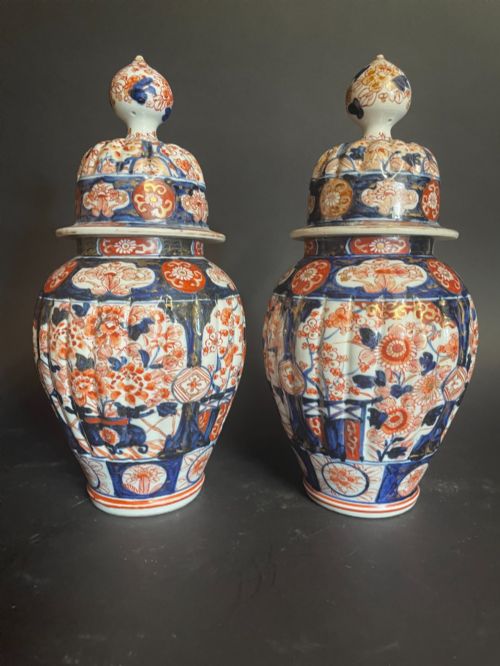
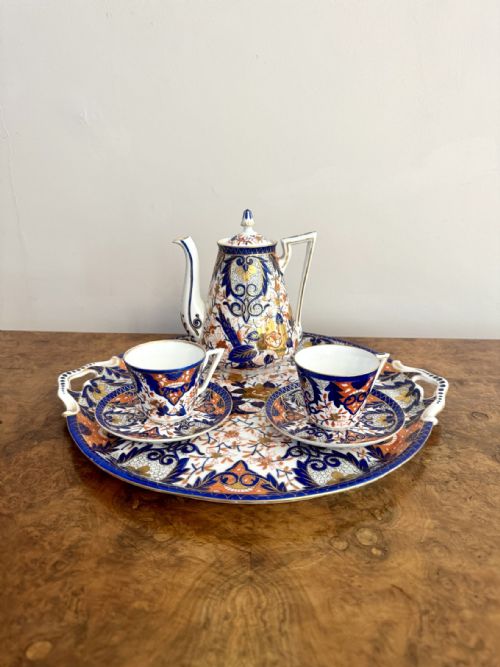
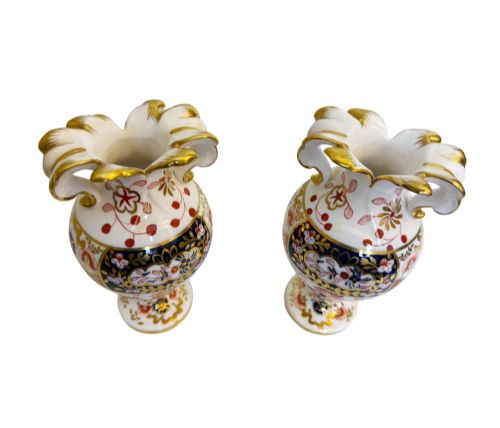
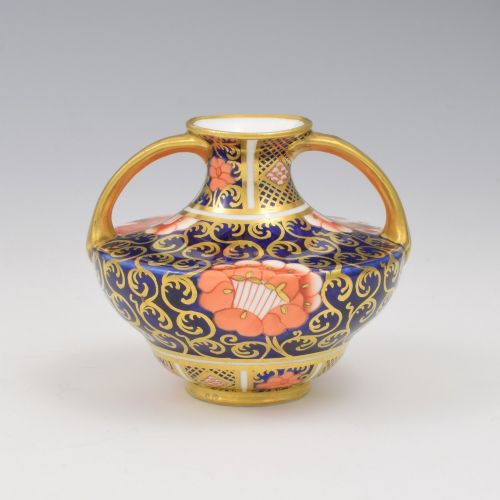
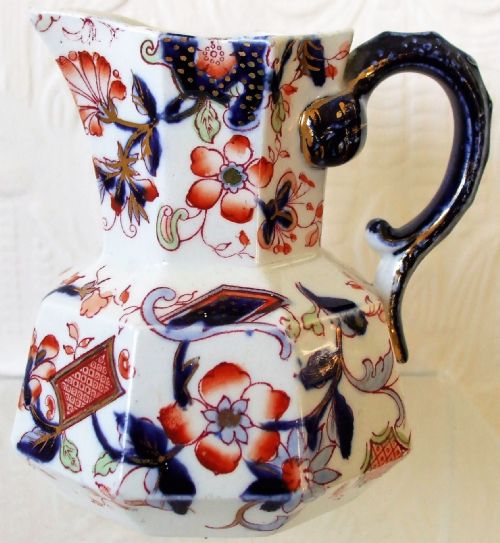
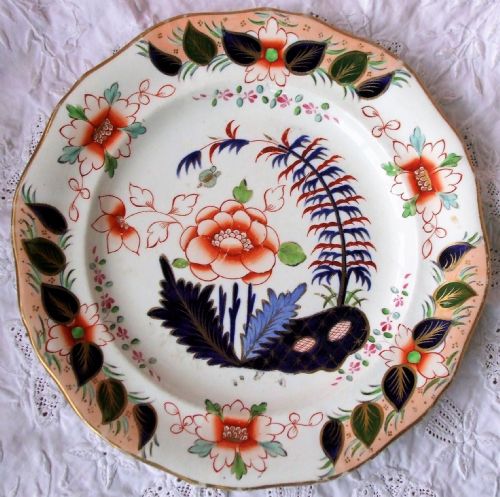
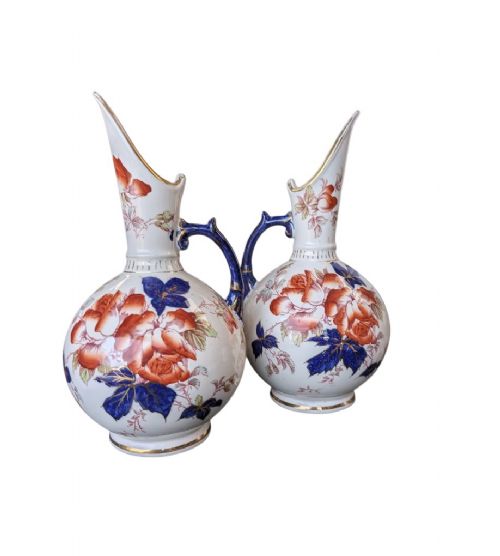
Gilt imari porcelain encompasses decorative plates, chargers, bowls, vases, and tea wares originating from Japanese kilns and European factories imitating the aesthetic. These pieces trace their origins through periods spanning the seventeenth century to the twentieth century, including the Meiji period and the Edwardian era.
Japanese examples demonstrate traditional motifs applied during the Edo and Meiji periods, while English iterations emerge from factories such as Royal Crown Derby and Spode. Buyers encounter both imported East Asian wares and domestic adaptations utilising the distinct palette on ironstone and bone china.
How They Were Made
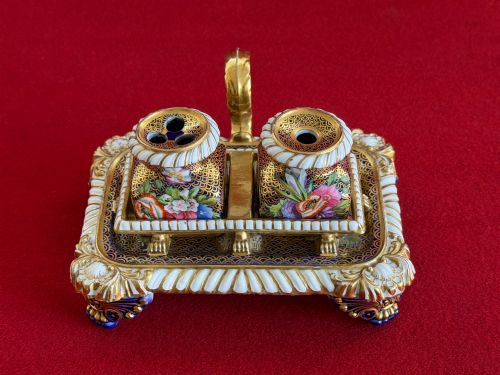
Potters shaped ceramic bodies from porcelain, ironstone, or bone china before applying underglaze cobalt blue and overglaze iron red enamels. Artisans then added gold leaf or gilding by hand to highlight patterns across plates, bowls, and vases.
Firing techniques fused the enamel colours and metallic leaf to the surface, creating the durable decorated finishes seen on chargers and tea sets from the nineteenth century.
Listings feature items in porcelain, bone china, and ironstone, decorated with enamel, gold leaf, and gilding across multiple centuries.
What Varies in Quality
The refinement of the hand painting and the precision of the gilding separate exceptional items from standard production. Crisp brushwork on porcelain and well-preserved gold leaf indicate superior craftsmanship.
The weight and translucency of the ceramic body, alongside the complexity of the pattern deployment across large surfaces like chargers and garnitures, determine the standing of individual pieces.
Royal Crown Derby·Spode·Mason's Ironstone·John Davenport of Longport·Keeling & Co.·Sampson Mordan & Co.
The Gilt Imari Porcelain Glossary
- Imari
- A style of ceramic decoration originating in Japan, characterised by a palette of cobalt blue, iron red, and gold. This aesthetic heavily influenced European porcelain manufacturers during the Georgian and Victorian periods.
- Charger
- A large decorative plate intended for display rather than table service. These substantial items often showcase intricate hand-painted motifs and gilt detailing.
- Ironstone
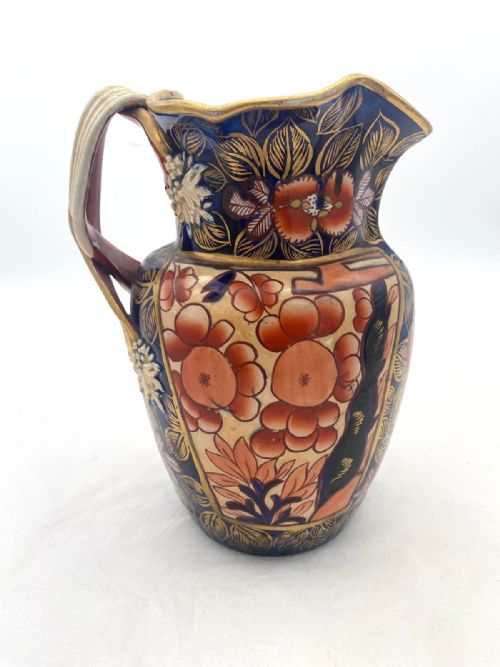
- A type of heavy, durable earthenware developed in England as a robust alternative to porcelain. Factories utilised this material for jugs, plates, and pot pourri vessels.
- Gilding
- The application of gold leaf or gold dust to the surface of ceramics. In these pieces, it highlights specific patterns within the enamel design.
Gilt Imari Porcelain: Frequently Asked Questions
Were these pieces used daily or for display?
Larger items like chargers and garnitures served primarily as decorative centrepieces in grand rooms. Smaller objects such as teacups, saucers, and inkstands saw active use in domestic settings.
Survival in varied condition reflects both careful modern display and historical utility during the Victorian and Edwardian eras.
How should I clean gilt imari porcelain?
Wash pieces gently by hand using lukewarm water and a mild detergent. Avoid abrasive sponges or harsh chemicals that can damage the delicate overglaze enamels and gold leaf.
Dry the ceramic items thoroughly with a soft cloth to protect the surface decoration over time.
What periods do these ceramics cover?
The available selection spans from late seventeenth-century Chinese imari and early nineteenth-century Georgian items through to Victorian, Edwardian, and later twentieth-century productions.
Each period brings distinct manufacturing traits, from early ironstone formulations to later twentieth-century Royal Crown Derby pattern variations.