
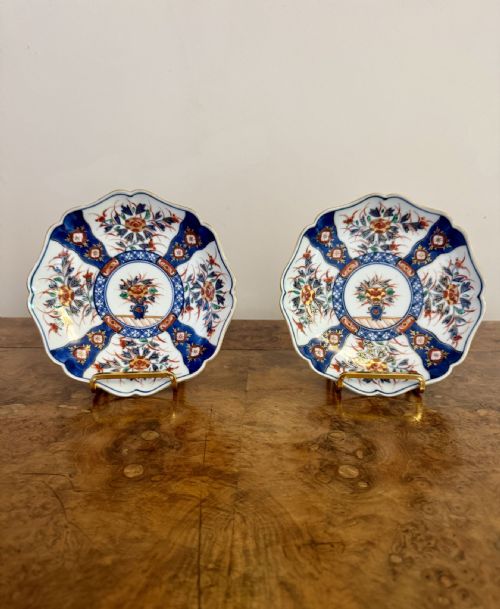
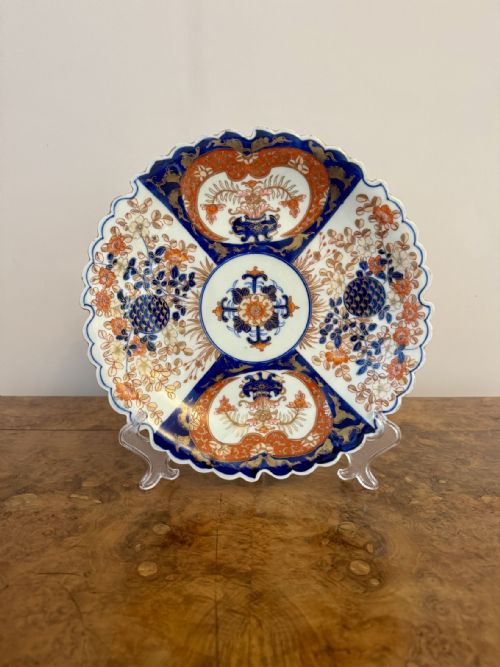


Gilt Imari Porcelain Plate
These gilt imari porcelain plate examples combine robust ceramic bodies with rich enamel palettes and gold leaf highlights, offering a striking display of historic craftsmanship.
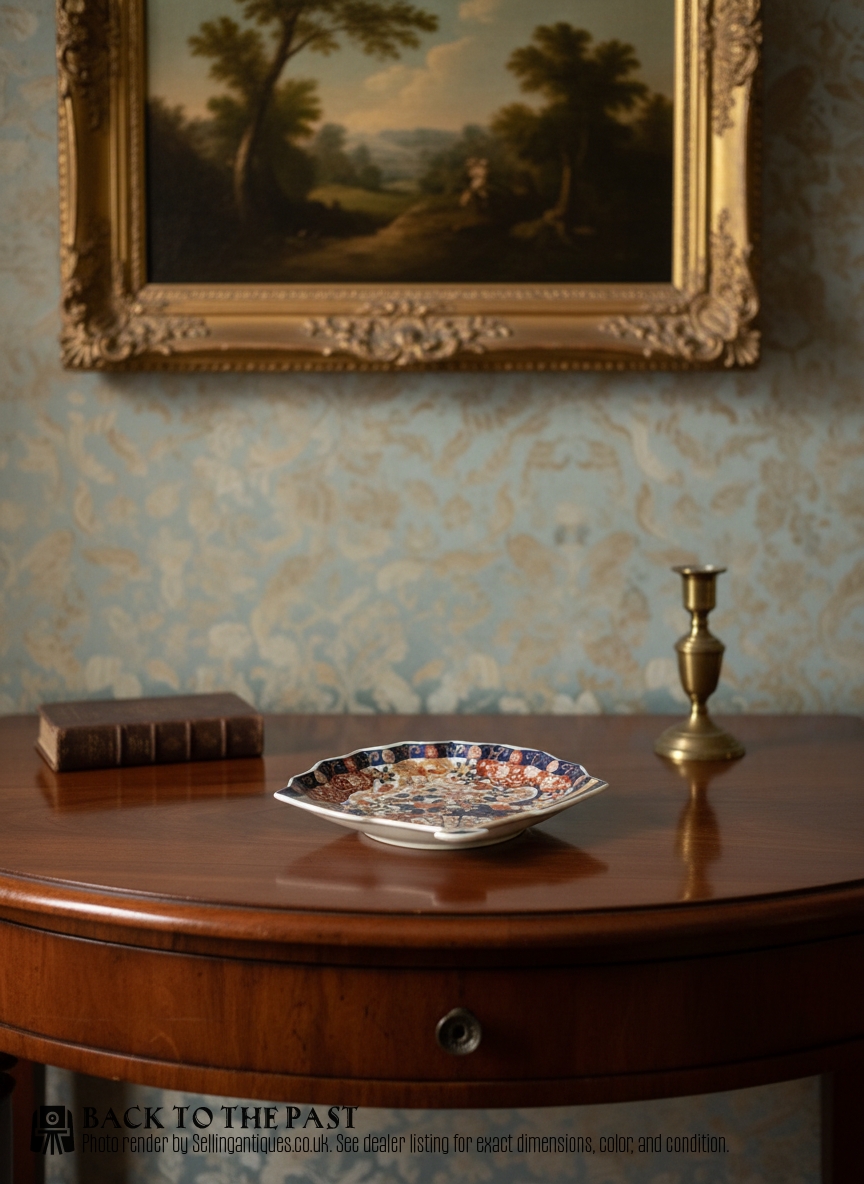
Gilt Imari Porcelain Plate
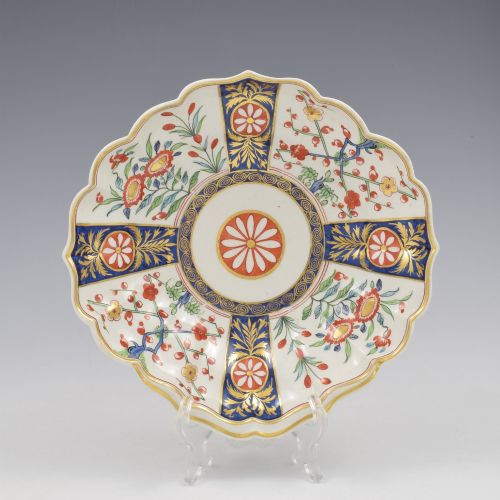
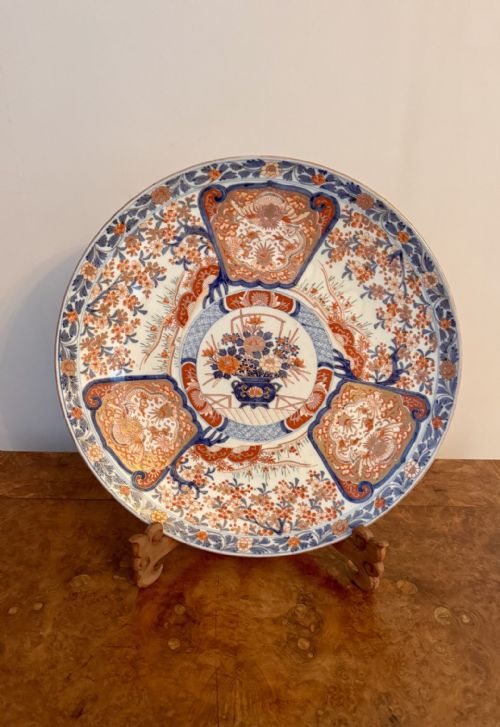
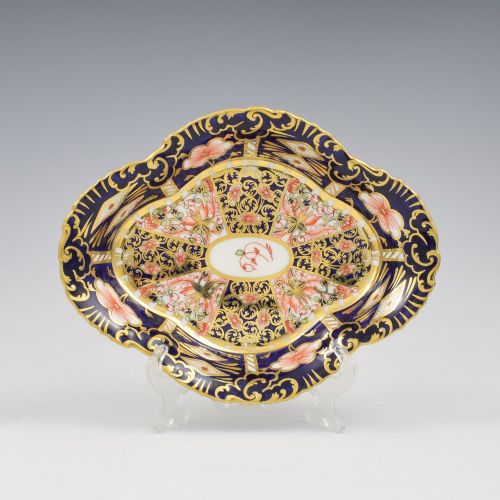
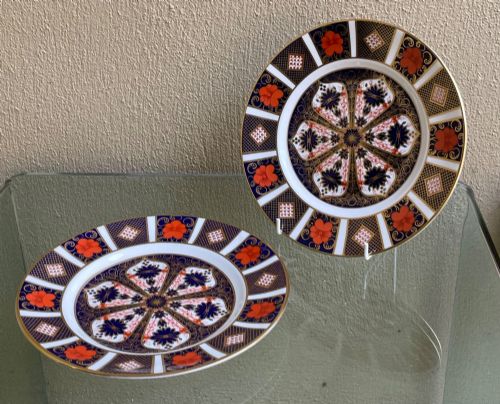
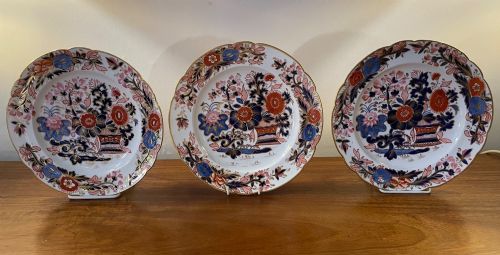
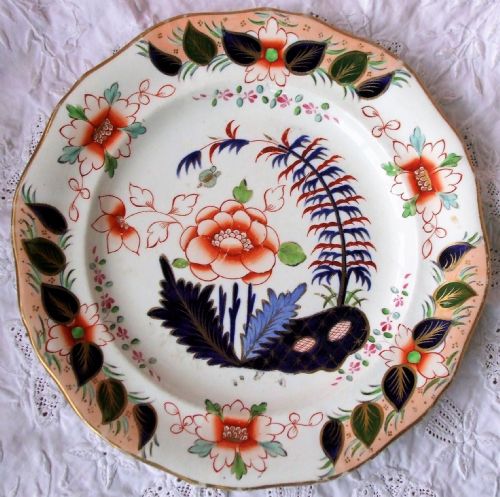
When you search for a gilt imari porcelain plate, you encounter decorative chargers, dishes, and shallow bowls created across several centuries and origins. These pieces range from Japanese Meiji period examples and Chinese exports to English interpretations by makers such as Royal Crown Derby and John Davenport.
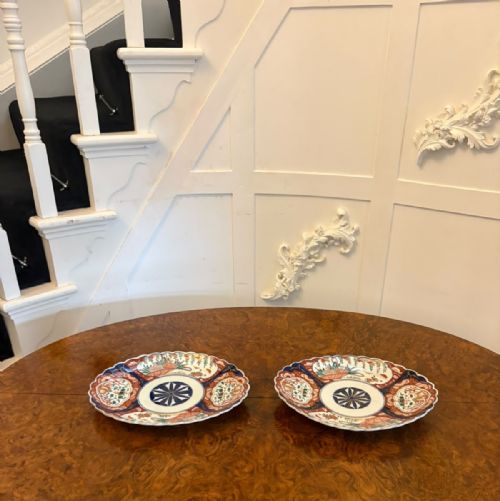
The version you are most likely to meet on this page is the Japanese Imari plate from the Meiji period or around nineteen hundred. These items frequently display characteristic panelling and scalloped edges designed for ornamental wall hanging or table display.
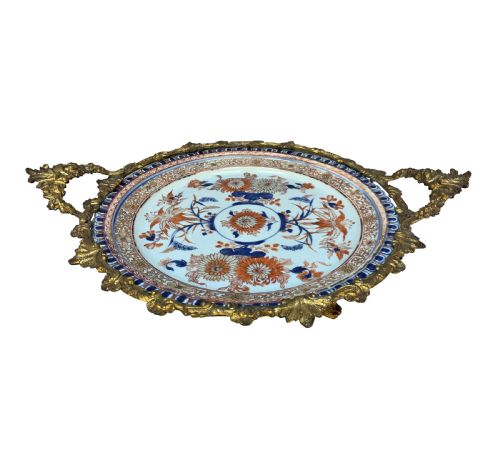
Alongside Asian imports, English bone china and ironstone variations appear, adopting the signature palette in Regency, Georgian, and Victorian contexts. Some examples even incorporate ormolu mounts to elevate their status as decorative objects.
How they were made
Makers shaped these plates using porcelain, bone china, ceramic, and ironstone as the foundational bodies. Hand painting applied rich enamel colours directly onto the surface before secondary firing processes set the decoration.
Gold leaf, gilt, and gold gilt accents were added to highlight specific motifs, panels, and borders. Certain specialist pieces received ormolu mounts around the ceramic edges to provide a structural and decorative metal frame.
Listings span multiple eras including the eighteenth century, the nineteenth century, and the Meiji period, using materials such as porcelain, ironstone, and gold leaf.
What varies in quality
Quality rests in the precision of the hand painting and the depth of the enamel work across the surface. Crisp lines within panel designs and careful application of gold leaf distinguish finer studio output from standard production.
The crispness of the porcelain body and the complexity of the pattern integration also dictate the standing of a piece. Well-balanced compositions with distinct tonal contrasts separate standard decorative items from superior examples.
Royal Crown Derby·John Davenport of Longport·Chamberlain Worcester
The Gilt Imari Porcelain Plate Glossary
- Imari
- A style of Japanese porcelain decorated in underglaze blue and overglaze red, green, and gold. This aesthetic heavily influenced European potteries during the eighteenth and nineteenth centuries.
- Ormolu
- Gilded bronze used for decorative mounts and framing on furniture and ceramics. It adds architectural weight to porcelain plates.
- Kakiemon
- An asymmetric style of Japanese porcelain decoration featuring clean white backgrounds and delicate enamels. It often depicts natural motifs such as birds and flora.
- Ironstone
- A heavy, durable type of ceramic patented in the nineteenth century as a robust alternative to porcelain. English potteries frequently utilised this material for patterned tableware.
- Charger
- A large decorative plate intended for display on a sideboard or wall rather than for practical dining use. These items showcase expansive painted surfaces.
Gilt Imari Porcelain Plate: Frequently Asked Questions
What is a gilt imari porcelain plate?
These items are decorative ceramic dishes and chargers featuring traditional Imari patterns combined with gold leaf or gilt highlights. They originate from both Asian kilns and European factories.
Collectors prize them for their vibrant enamel palettes and intricate panel designs, which suit wall mounting or display on plate stands.
How do I date a Japanese imari plate?
Dating relies on assessing the porcelain body, the characteristics of the enamel colours, and any associated period markers such as the Meiji era. Japanese pieces often show distinct potting traits that separate nineteenth-century work from later twentieth-century production.
English interpretations similarly reflect the stylistic markers of the Georgian, Regency, and Victorian periods in which they were manufactured.
Were these plates used for dining?
Many larger examples function specifically as chargers or wall dishes rather than dining ware. Their expansive painted surfaces and delicate gilding meant they were primarily intended for visual display.
Smaller dishes and dessert plates saw occasional service use, but surviving specimens often bear minimal wear due to their decorative purpose.
How do I care for antique imari porcelain?
Maintain these pieces by dusting them gently with a soft, dry cloth and avoiding harsh chemical cleaning agents. Hand washing in lukewarm water with mild soap is suitable only when strictly necessary, keeping away from abrasive sponges.
Secure sturdy plate hangers or dedicated display stands to protect the edges and gilt surfaces from accidental knocks.