

Gilt French Porcelain Urn
A gilt french porcelain urn brings nineteenth-century drawing rooms to life with painted bodies and gleaming mounts.
Gilt French Porcelain Urn
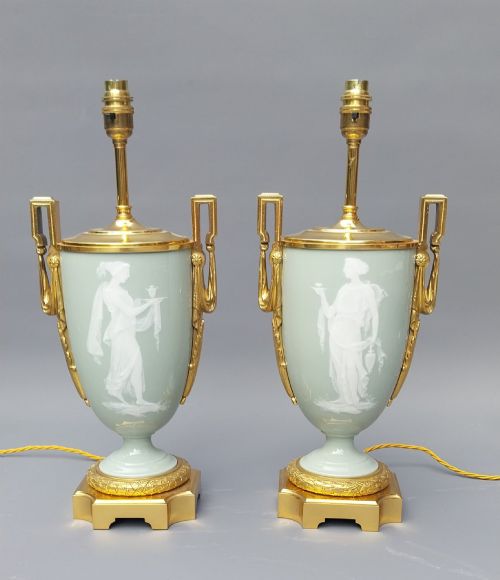
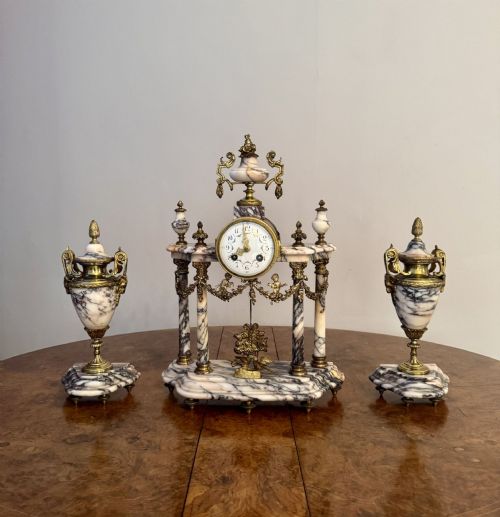
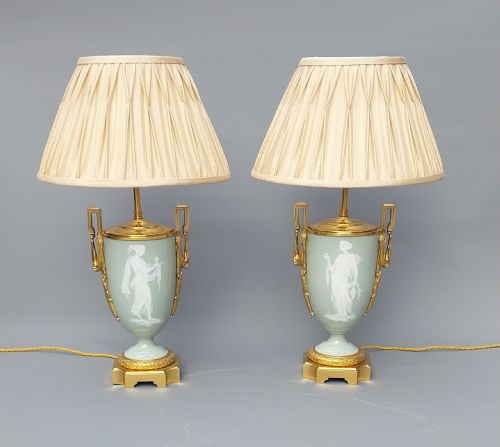
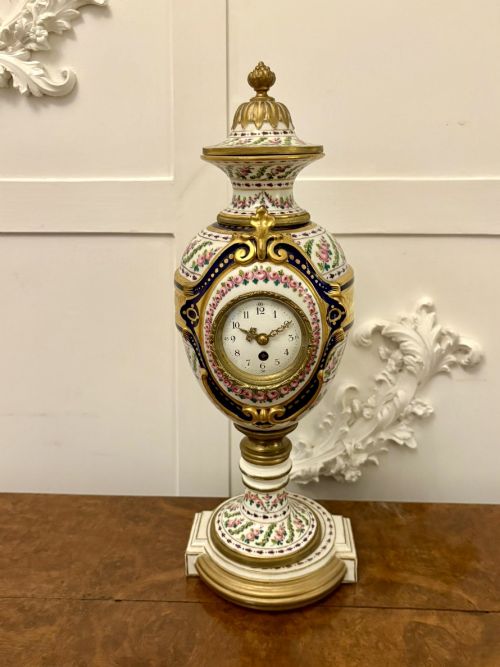
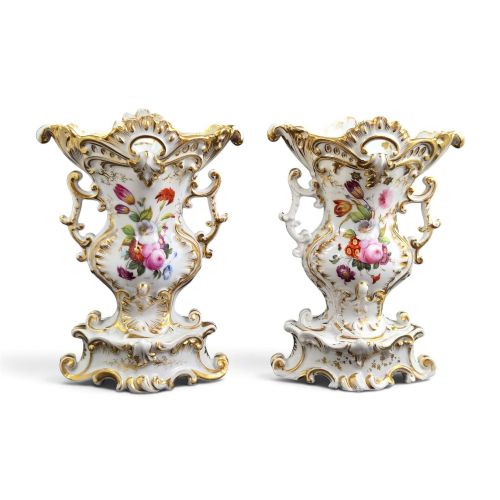
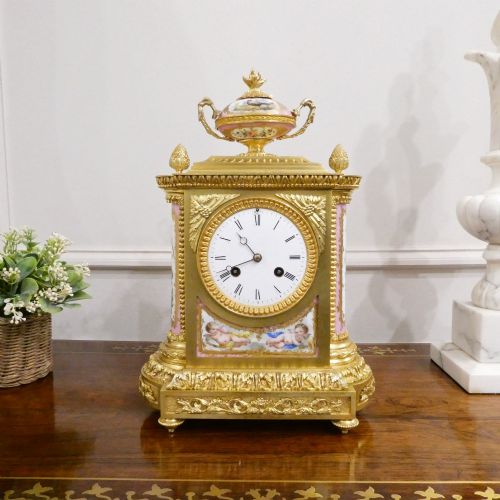
A gilt french porcelain urn combines fired ceramic bodies with cast metal elements, originating mostly in the nineteenth century during the Victorian era and the reigns of later dynasties. Buyers exploring this search phrase encounter various forms, including table lamps, lidded vessels, and mantel clock garnitures flanked by matching side vases.
The objects span multiple stylistic revivals, with French Rococo, Neoclassical, and Louis XVI designs appearing frequently alongside Paris porcelain and Sèvres-style decoration. Many survive in pairs, designed originally to anchor either end of a mantelpiece or sideboard with symmetrical balance.
How They Were Made
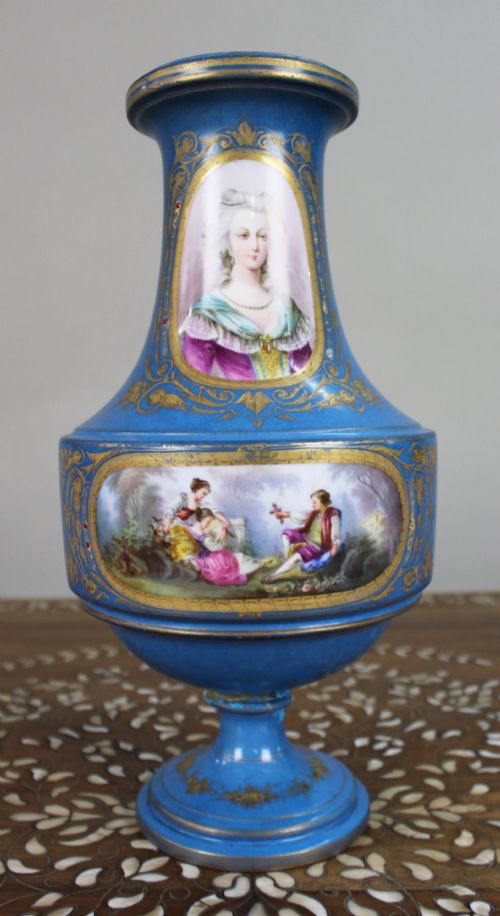
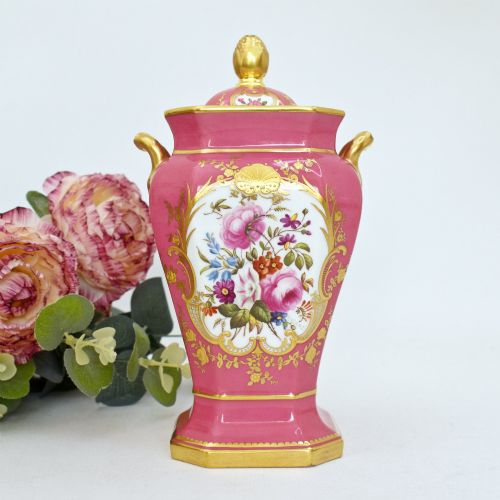
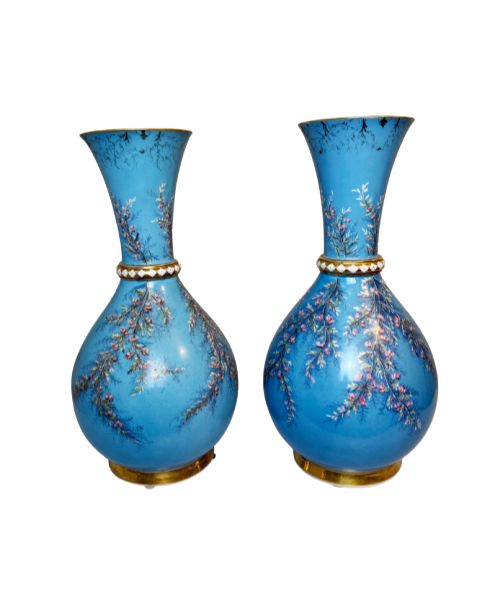
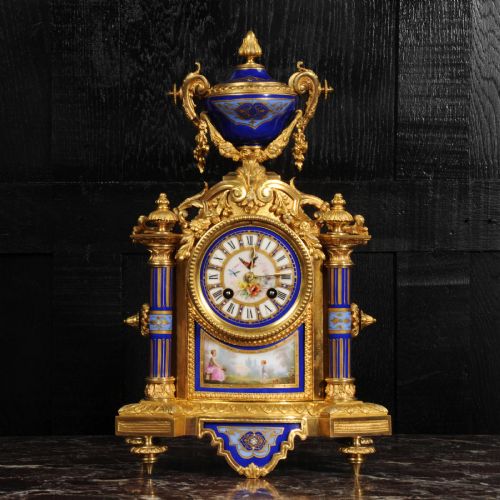
Potters shaped ceramic bodies from fine paste or hard-paste porcelain, often applying coloured glazes like bleu céleste, turquoise, pink, or celadon before hand-painting floral panels and figural scenes. Skilled artisans then embellished the surfaces with raised white enamel and delicate pâte-sur-pâte decoration.
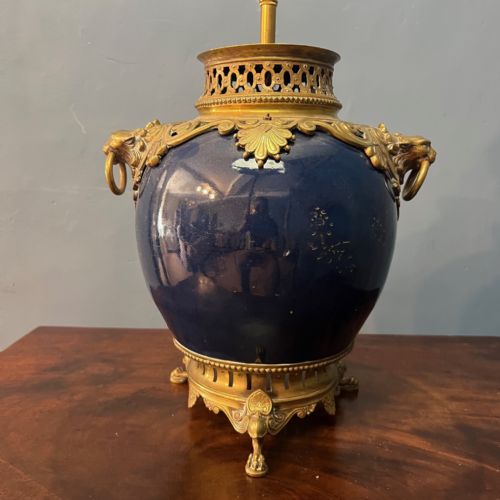
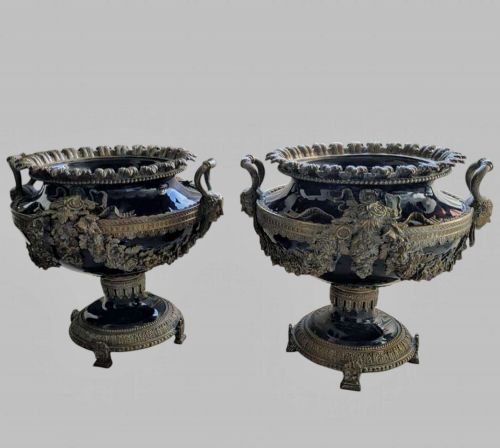
Foundries produced mounts in gilt bronze and ormolu, casting intricate foliage, scrolls, and paw feet to frame the ceramic vessels securely. Gold leaf and cold gilding highlighted handles, rims, and bases to complete the composition.
Gilt French Porcelain Urn Retail Price Guide 2026
Typical asking prices for gilt french porcelain urn among the pieces listed under this phrase on Sellingantiques today, from the lower quarter to the upper quarter. They describe what is for sale here now, not the wider market.
Napoleon Bonaparte's likeness occasionally surfaces on commemorative Sèvres-style lidded vessels, proving that even porcelain enjoys a brush with emperor worship.
What Varies in Quality
The crispness of the bronze casting dictates the visual success of the piece, where deeply chased foliage and sharply defined scrollwork distinguish superior mounts from softer, commercial iterations. Hand-painted ceramic panels demonstrate varied artistic merit, ranging from loosely brushed floral motifs to meticulously detailed miniature portraits and historical scenes.
Integration between ceramic and metal components reveals the maker's intent, with high-tier pieces featuring mounts tailored specifically to the curves of the porcelain body rather than generic standard fittings.
Copeland·Japy Freres·Jean-Baptiste Delettrez·Achille Brocot·Jacob Petit·Samson Paris
The Gilt French Porcelain Urn Glossary
- Ormolu
- Gilded bronze, where finely ground gold is amalgamated with mercury and applied to cast bronze through heat. This technique creates a durable, matte-gold finish characteristic of luxury nineteenth-century decorative arts.
- Bleu céleste
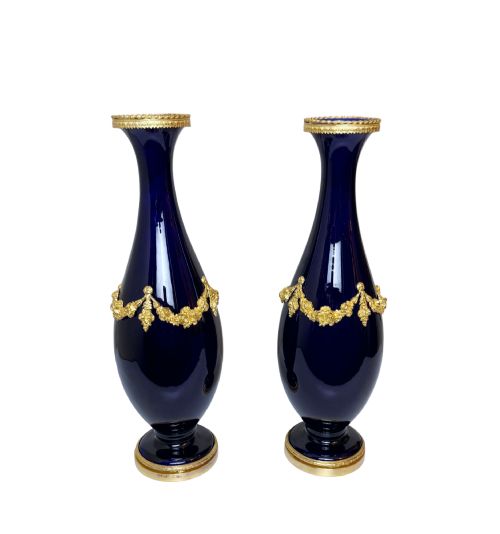
- A bright sky-blue ceramic ground colour developed at the Sèvres factory during the eighteenth century and emulated by later nineteenth-century makers. It provides a vibrant backdrop for gilt bronze mounts and painted reserves.
- Pâte-sur-pâte
- A method of ceramic decoration where successive layers of liquid white porcelain slip are brushed onto a coloured clay body before firing. This builds low-relief designs with translucent qualities resembling cameo glass.
- Garniture
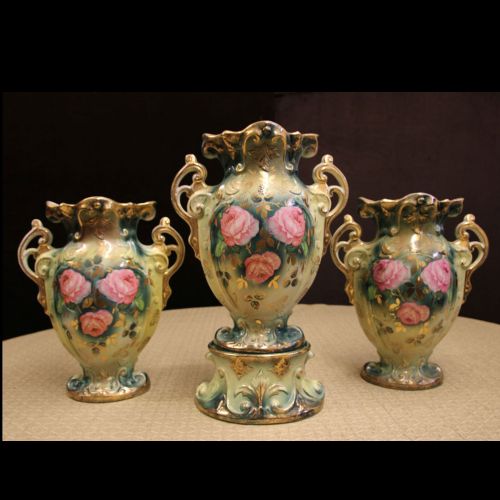
- A set of three or more matching decorative objects, typically comprising a central clock or large vase flanked by smaller matching urns or vases. These suites were arranged symmetrically on mantelpieces.
- Old Paris porcelain
- A term applied to wares produced by numerous independent workshops operating in and around Paris from the eighteenth through the nineteenth century. These pieces are recognised by rich gilding and eclectic revival styles.
Gilt French Porcelain Urn: Frequently Asked Questions
What is a clock garniture?
A clock garniture is a matched set consisting of a central mantel clock accompanied by two matching side vases or urns. They were designed to sit together as a unified decorative scheme on a fireplace mantel.
The side pieces often share the exact porcelain body colour, gilding style, and bronze mount design as the clock case. This created visual symmetry across nineteenth-century drawing room interiors.
How do I identify Sèvres style?
Sèvres style pieces typically feature rich ground colours such as turquoise, pink, or deep blue, combined with heavy gilding and hand-painted reserves. These panels often depict romantic figures, birds, or landscapes within elaborate gilt borders.
While royal Sèvres pieces carry specific factory ciphers, many nineteenth-century items are tribute pieces made by other Parisian workshops in the taste of the famous manufactory.
Were these urns used as lamps?
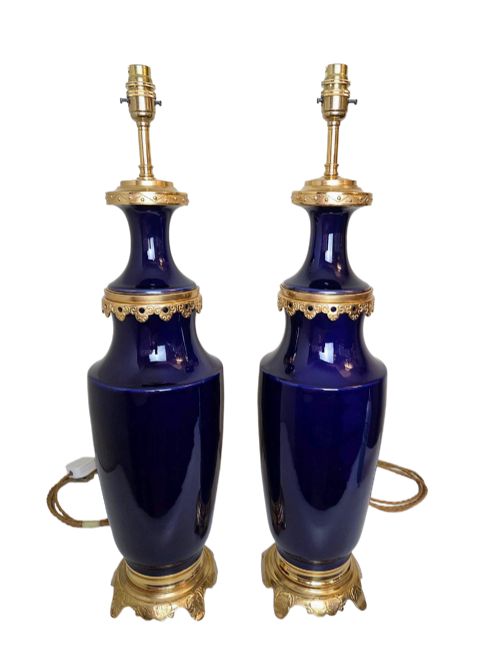
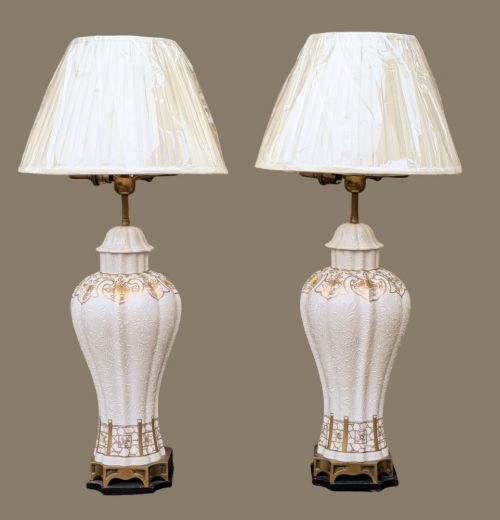
Many nineteenth-century porcelain urns were converted into table lamps later in their history to suit modern domestic lighting needs. Others were manufactured as lamps from the outset, incorporating electrical or oil hardware alongside the original ceramic bodies and bronze mounts.
Collectors look for conversions that preserve the integrity of the original porcelain vessel without damaging the painted scenes or drilled through crucial maker marks.
What distinguishes Paris porcelain?
Paris porcelain encompasses work from various independent factories operating around the French capital rather than a single state-run manufactory. These objects are known for eclectic revival designs, brilliant hand-gilding, and vibrant enamel colours.
They frequently employ Neoclassical or Rococo forms, bridging the gap between utilitarian vessels and high-status decorative art objects.