

19th Century Decorative Urn
A 19th century decorative urn brings sculptural presence and classical proportion to a room, drawing the eye with rich materials and historic craftsmanship.
19th Century Decorative Urn
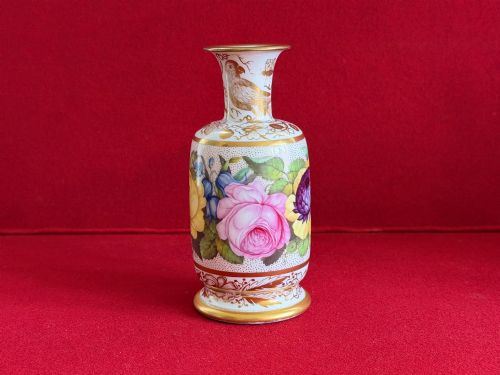
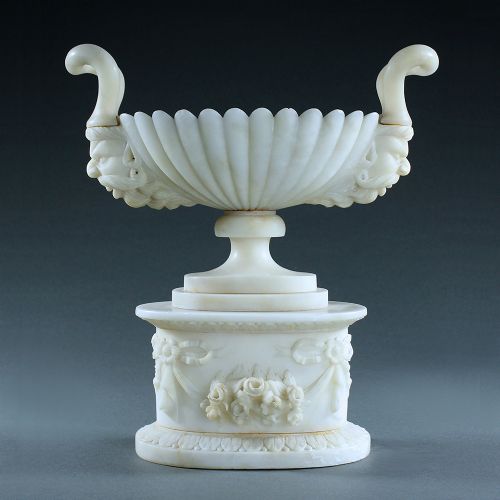
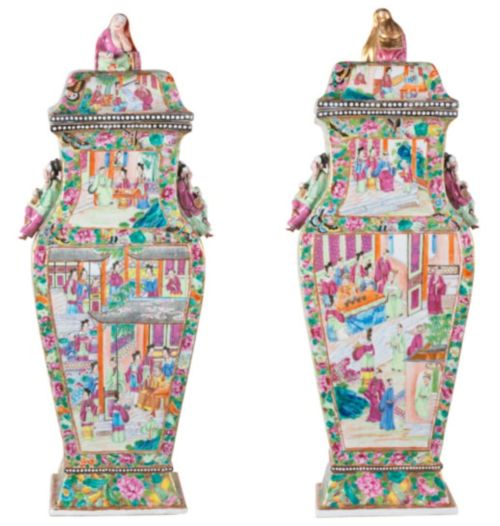
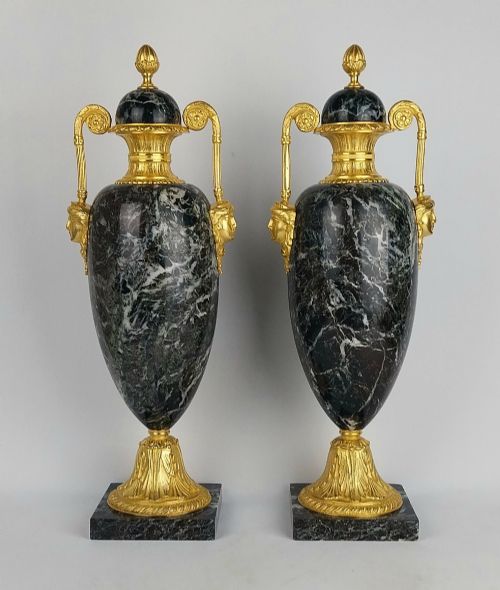
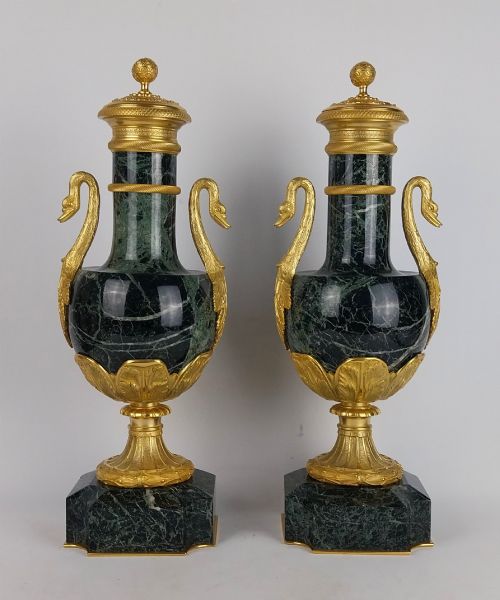
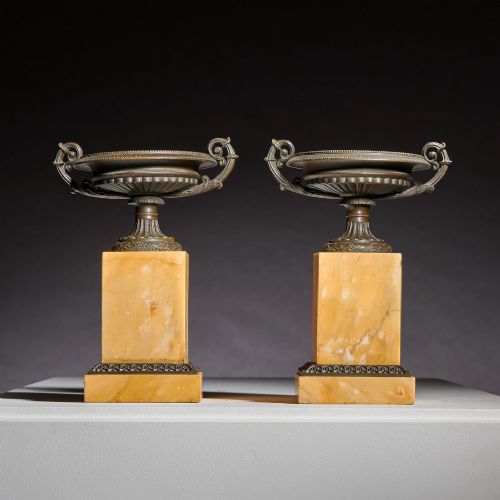
A 19th century decorative urn encompasses a wide variety of ornamental vessels designed primarily for display rather than utility. These pieces draw heavily on historical revivals, taking the form of campana shapes, classical tazzas, lidded ginger jars, and cassolettes.
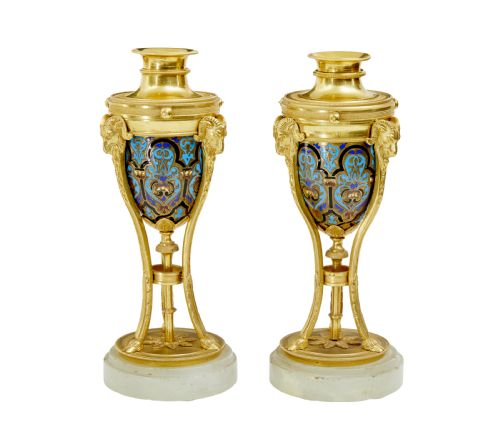
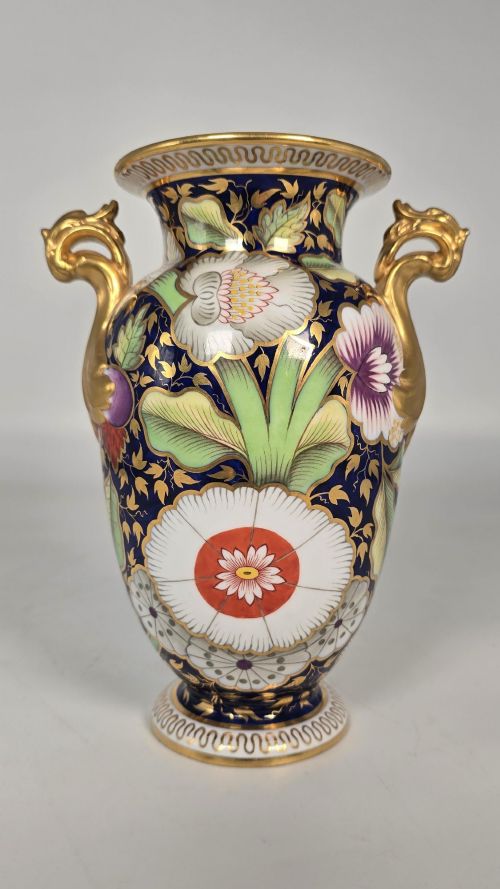
The selection ranges across European porcelain factories, French ormolu-mounted marble bodies, and East Asian cloisonné or Imari ceramics. Buyers frequently encounter matched pairs intended for mantelpieces, pedestals, or architectural garnitures.
Originating from periods spanning the Georgian era through the late Victorian years, these vessels reflect diverse stylistic influences including Neoclassical, French Rococo Revival, and Meiji period aesthetics.
How they were made
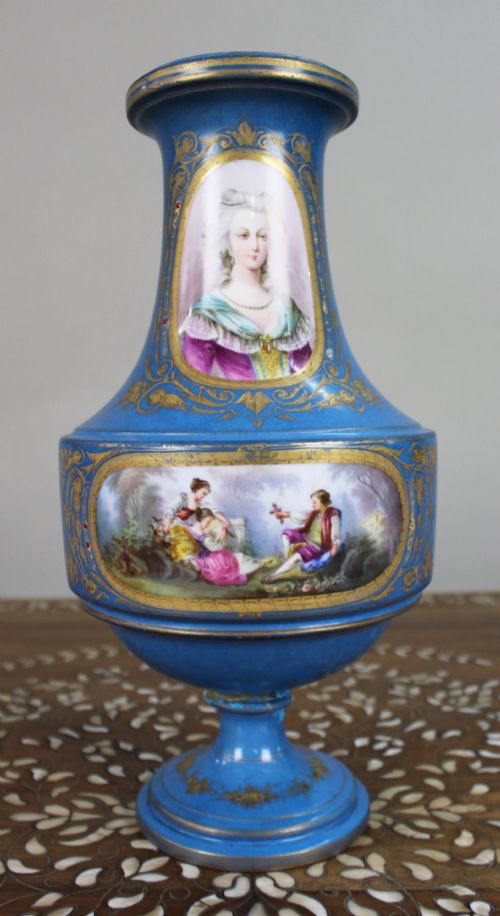
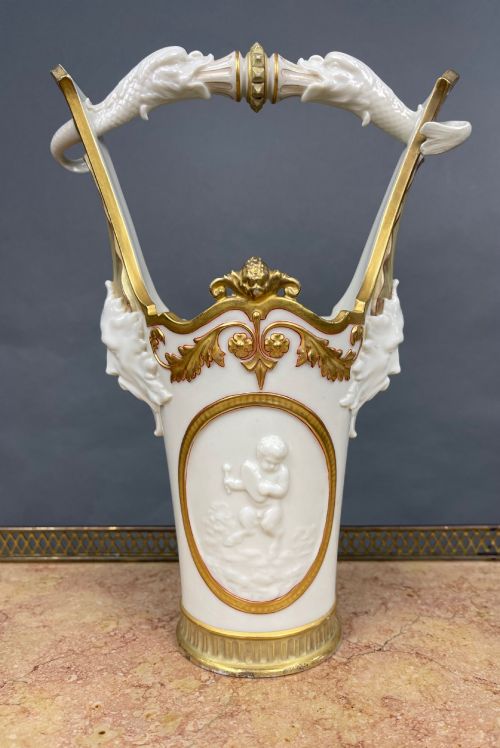
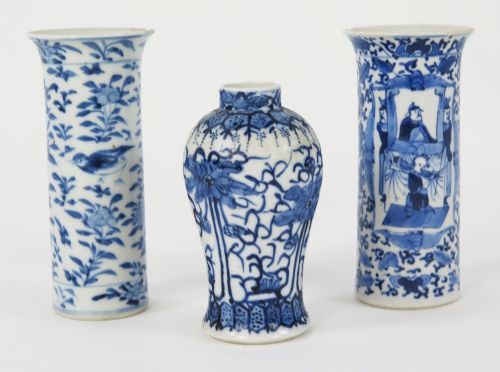
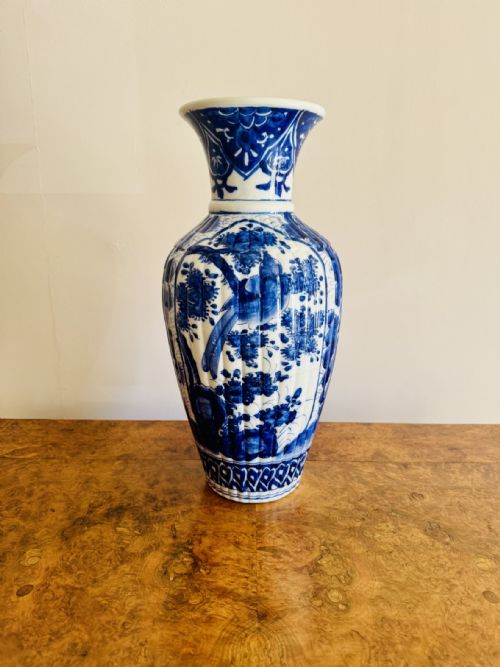
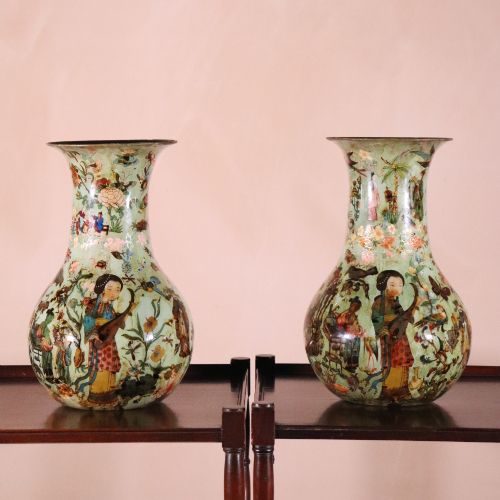
Makers utilised a combination of hard-paste porcelain, earthenware, and stoneware, often enriched with hand-painted figural vignettes, cobalt blue underglaze, or delicate pte-sur-pte detailing. Ceramic bodies were frequently paired with cast metals such as bronze, brass, and gilt copper.
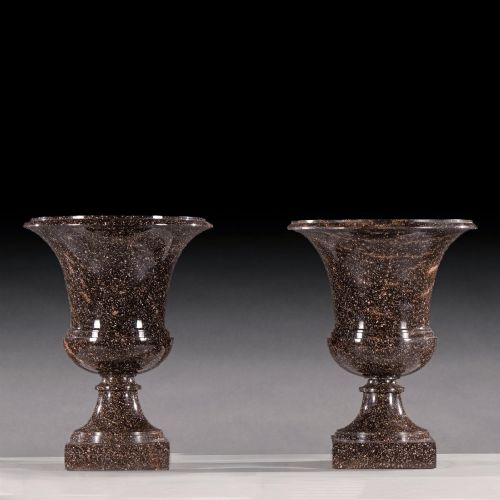
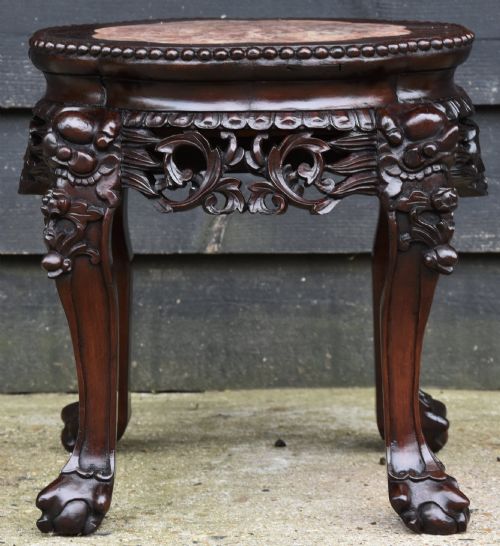
Metalwork components involved lost-wax casting and chiselling, finished with fire-gilding known as ormolu, or decorated with vibrant champlev enamel cells. Stonework elements incorporated carved porphyry, alabaster, Siena marble, and rosewood for integrated stands.
19th Century Decorative Urn Retail Price Guide 2026
Typical asking prices for 19th century decorative urn among the pieces listed under this phrase on Sellingantiques today, from the lower quarter to the upper quarter. They describe what is for sale here now, not the wider market.
Materials recorded across the inventory include porcelain, enamel, ormolu, gilt bronze, marble, alabaster, earthenware, and stoneware.
What varies in quality
The standard of a 19th century decorative urn depends heavily on the crispness of its metal mounts and the depth of the hand-applied decoration. Superior examples display finely chased ormolu details and meticulously painted ceramic scenes executed by skilled studio artists.
Weight and material selection also divide the range, with solid bronze, genuine carved marble, and heavy porphyry standing well apart from lighter, simpler cast alloys and basic earthenware bodies.
Gillows Of Lancaster·Jules Moigniez·Minton·Royal Worcester·Spode
The 19th Century Decorative Urn Glossary
- Cassolette
- A dual-purpose decorative vessel featuring a reversible lid that transforms from a solid cover into a burner or candle holder. These pieces are frequently mounted in gilt bronze.
- Campana
- A bell-shaped vessel with a flared rim and footed base, heavily utilised in classical architecture and replicated across nineteenth-century porcelain and bronze.
- Ormolu
- Finely ground high-carat gold applied to a bronze base using a mercury amalgamation technique, common in French decorative mounts. This process creates a durable, warm metallic lustre.
- Pte-sur-pte
- A ceramic decorating technique where layers of liquid porcelain slip are built up on a contrasting background to create a low relief cameo effect. It requires immense precision from the ceramic artist.
- Tazza
- A shallow saucer-like ornamental cup mounted on a central stem and foot, often carved from marble or cast in bronze during the Grand Tour period.
19th Century Decorative Urn: Frequently Asked Questions
What is a cassolette used for?
A cassolette served as an ornamental vessel that could alternate between a standard lidded urn and an incense burner. The reversible top allowed the piece to adapt to different social functions in period drawing rooms.
Today, these pieces function purely as decorative mantel or table focal points, retaining their historical dual-purpose lids as a mark of fine craftsmanship.
How do I identify a Grand Tour piece?
Grand Tour pieces typically incorporate materials like Siena marble, alabaster, or cast bronze, depicting classical architectural motifs or ancient sculptures. Travellers collected these items while touring cultural centres in Italy during the nineteenth century.
They reflect an academic interest in classical antiquity and often exhibit precise, miniature interpretations of well-known ancient monuments or artefacts.
Where were these urns displayed historically?
These decorative vessels were placed on mantelpieces, central pier tables, or dedicated columnar pedestals to anchor symmetrical room layouts. Matched pairs frequently flanked clocks or mirrors in formal reception spaces.
In modern interiors, they suit similar prominent surfaces where their height and sculptural silhouette can be fully appreciated.
How do I distinguish French and English porcelain?
French manufactories like Sèvres often favoured elaborate gilt-bronze mounts, bleu céleste grounds, and rich enamel work. English factories such as Minton, Spode, and Royal Worcester concentrated on botanical painting, fine gilding, and distinct regional ceramic bodies.
Markings on the underside, when present, provide the clearest indication of origin, supported by the specific styling of the handles and foot rims.