
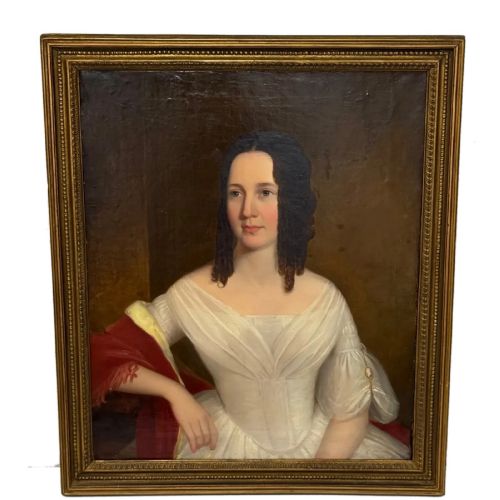
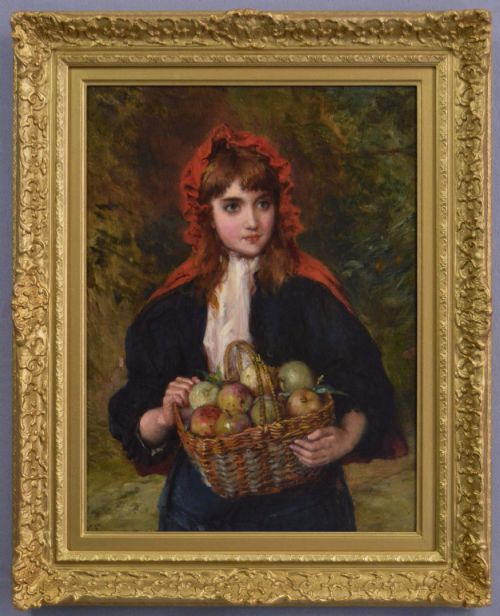
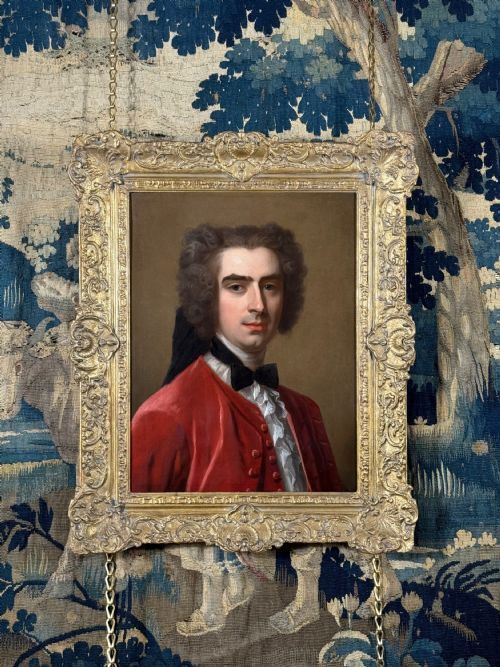
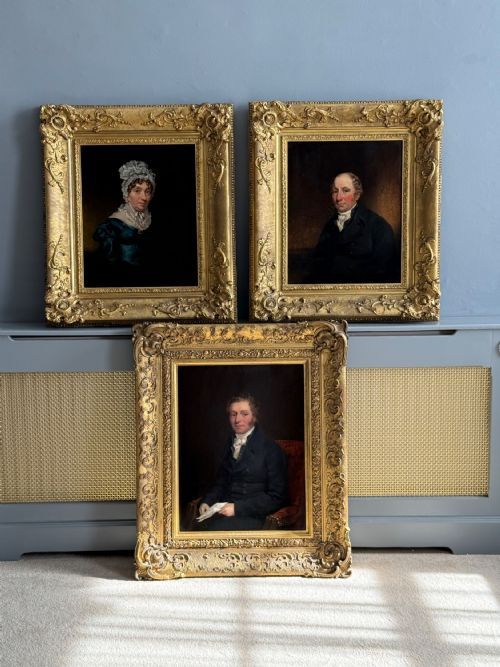
Gilt Framed Portrait Artwork
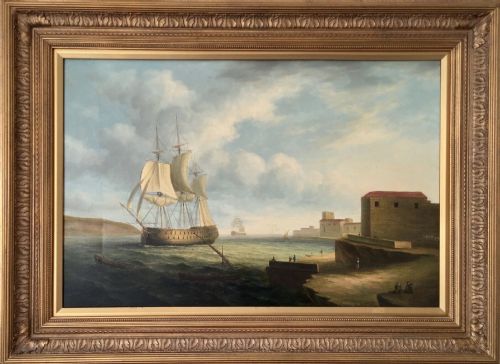
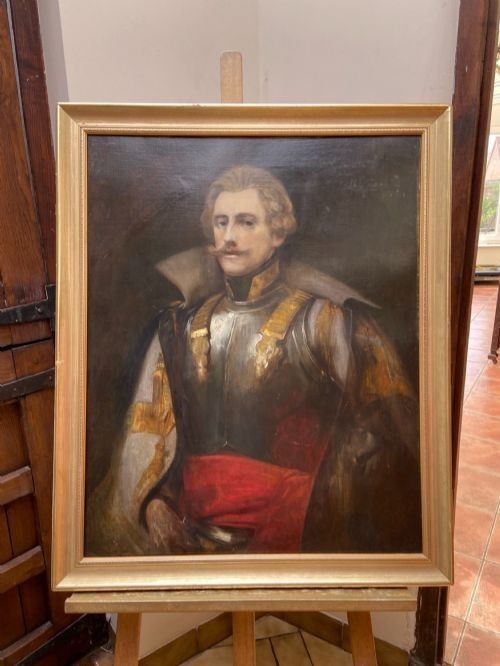
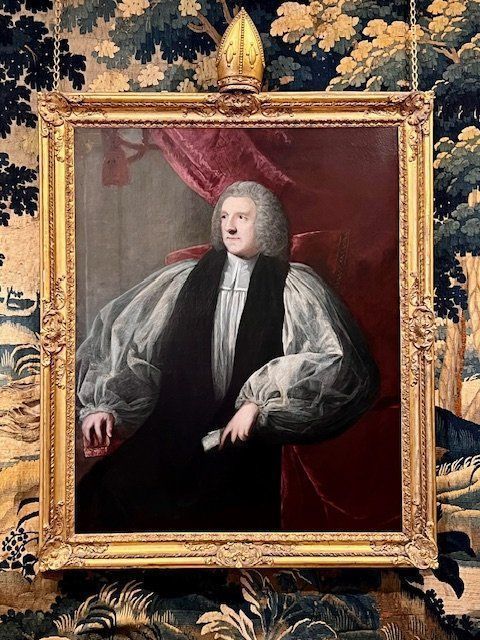
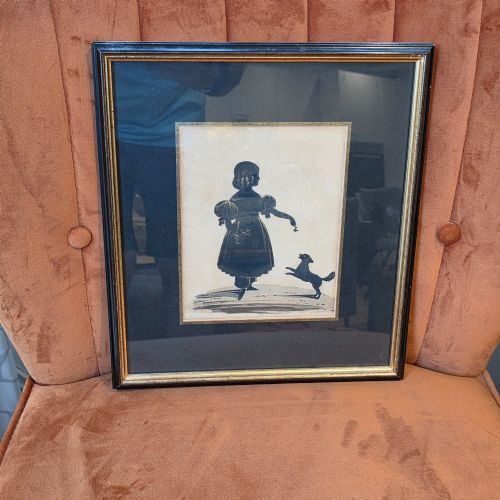
When you look for gilt framed portrait artwork, you are exploring centuries of character captured in oil, pastel and paper.
Gilt Framed Portrait Artwork
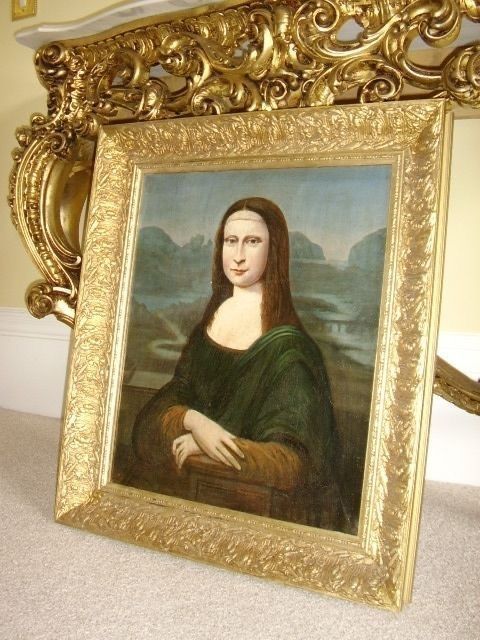
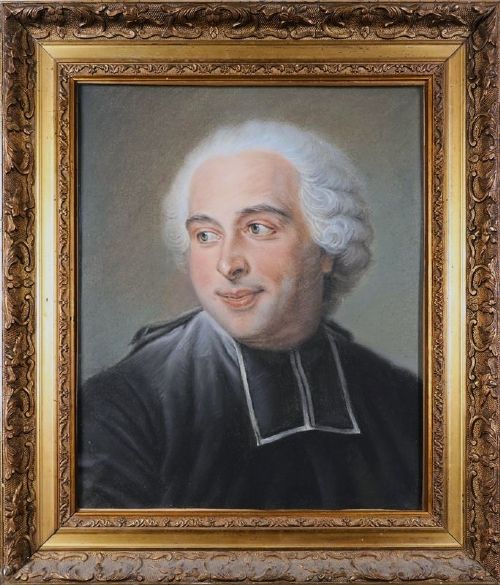
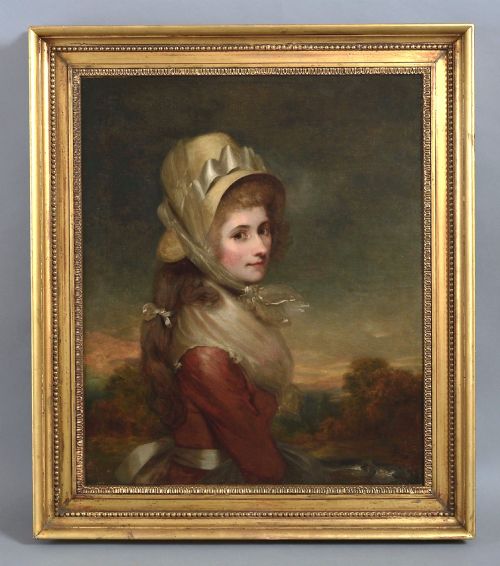
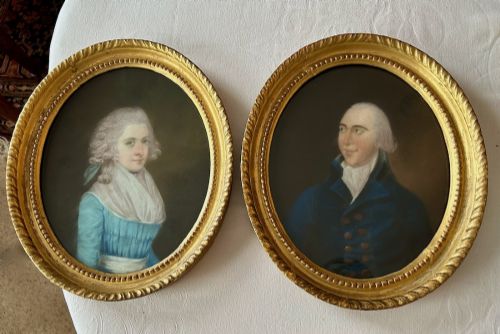
Gilt framed portrait artwork encompasses centuries of human likenesses rendered across diverse mediums, ranging from grand aristocratic oil paintings to intimate silhouettes and pastel studies. When exploring these pieces, you encounter works spanning the seventeenth through to the twentieth centuries, reflecting changing aesthetic tastes from Baroque opulence to Victorian realism.
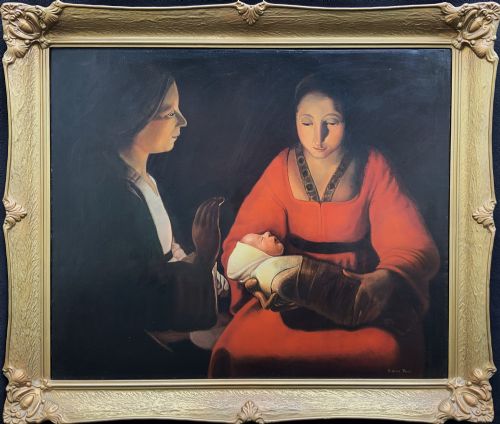
The subjects depicted vary immensely, including named historical figures, military officers, architects, and everyday citizens captured in oils on canvas or panel. Many listings feature works executed in the manner of established masters or created as period copies after significant painters.
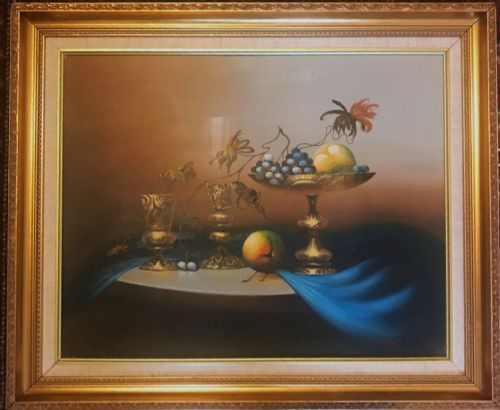
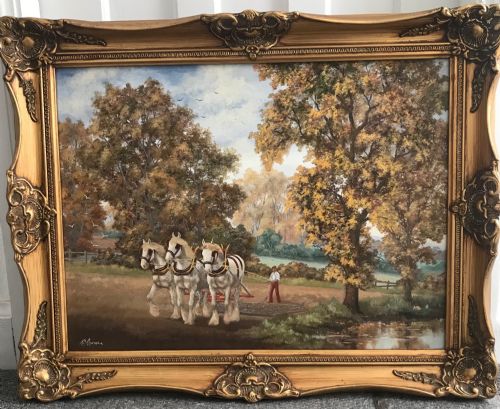
The enclosing frames are integral to the identity of these pieces, utilising wood finished with gold leaf or giltwood mouldings that complement the formality of the painted subjects. You are most likely to meet nineteenth century interpretations alongside eighteenth century originals within this selection.
Materials and construction
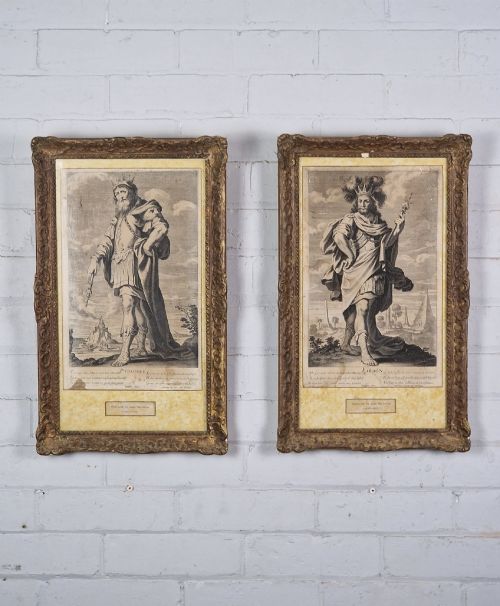
The foundational support for these works typically involves stretched canvas, wooden panels, heavy paper, or card for silhouettes and watercolours. Artists applied oil paint, pastel, or watercolours using traditional brushes, occasionally employing printmaking techniques such as mezzotint for reproductive portraits.
Frames were constructed from carved timber, built up with gesso, and meticulously gilded using gold leaf to achieve a lustrous metallic finish. These frames protect the edges of the canvas or paper while providing the characteristic reflective border associated with period framing.
Gilt Framed Portrait Artwork Retail Price Guide 2026
Typical asking prices for gilt framed portrait artwork among the pieces listed under this phrase on Sellingantiques today, from the lower quarter to the upper quarter. They describe what is for sale here now, not the wider market.
Listings feature works spanning from the seventeenth century through to the mid-twentieth century, utilising oil on canvas, pastel, and cut paper.
Distinguishing quality and execution
The preservation of the original gilt frame and the stability of the underlying canvas or panel significantly influence the overall integrity of the piece. Finer works retain their original surface textures without excessive overpainting or structural distortion in the wooden support.
Sir Joshua Reynolds·William James Hubard·Jean Baptiste Van Loo·Joseph Clover·Sir Peter Lely
The Gilt Framed Portrait Artwork Glossary
- Mezzotint
- A printmaking process of the intaglio family where the plate is roughened to produce dark tones and scraped to create highlights. This technique allowed for remarkably smooth tonal gradations in portrait prints.
- Giltwood
- Wood that has been coated with a thin layer of gold leaf or powder. It provides the characteristic bright, reflective border seen on traditional portrait frames.
- Pastel
- A dry painting medium consisting of powdered pigment and a binder rolled into sticks. Artists used it extensively for intimate eighteenth and nineteenth century portraiture.
- Attributed to
- A term used when a work shows strong stylistic similarities to a known artist but lacks definitive documentation. It denotes expert opinion regarding the probable maker.
- Panel
- A flat wooden board used as a rigid support for oil paintings before stretched canvas became dominant. Oak and mahogany were frequent choices for early portrait painters.
Gilt Framed Portrait Artwork: Frequently Asked Questions
How do I care for antique oil portraits?
Keep oil paintings away from direct sunlight and fluctuating humidity to prevent the canvas from slackening and the paint from cracking.
Dust the gilt frame gently with a soft, dry brush, avoiding harsh chemical cleaners that can damage the delicate gold leaf finish.
What is the difference between an original and an after piece?
An original portrait was painted directly from life with the sitter present in the artist's studio. Works designated as 'after' an artist are period or later copies created by other hands based on a famous composition.
Both categories hold historical interest, but originals often carry distinct biographical documentation regarding the sitter and the primary artist.
How can I tell the age of a gilt frame?
Examine the construction of the wooden corners, the composition of the gesso layer underneath the gold, and the signs of oxidation on the metal leaf. Hand-carved wooden mouldings and deep patination typically indicate earlier craftsmanship.
Later replacement frames often show modern joining techniques and machine-cut timber beneath the gilding.
Where were portrait paintings displayed historically?
Large oil portraits were traditionally commissioned by nobility and wealthy families to hang in the grand reception rooms, galleries, and libraries of country estates. They served as visual statements of lineage, status, and achievement.
Smaller pastels, silhouettes, and watercolours were typically created for intimate domestic spaces like private drawing rooms or bedchambers.