



Spanish Oil Painting
When you search for a spanish oil painting, you encounter centuries of religious devotion, striking portraiture, and regional genre scenes.
Spanish Oil Painting
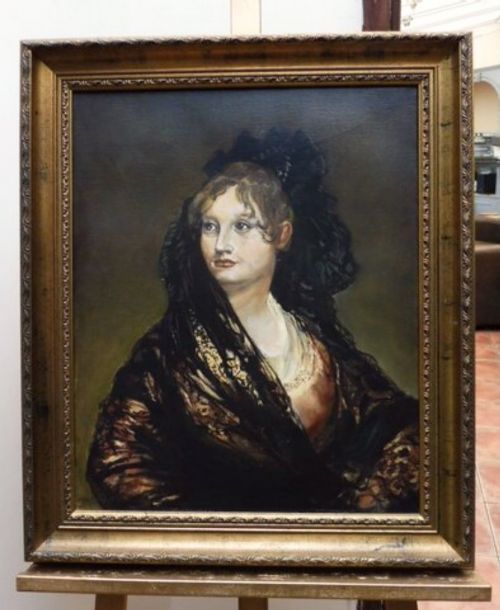
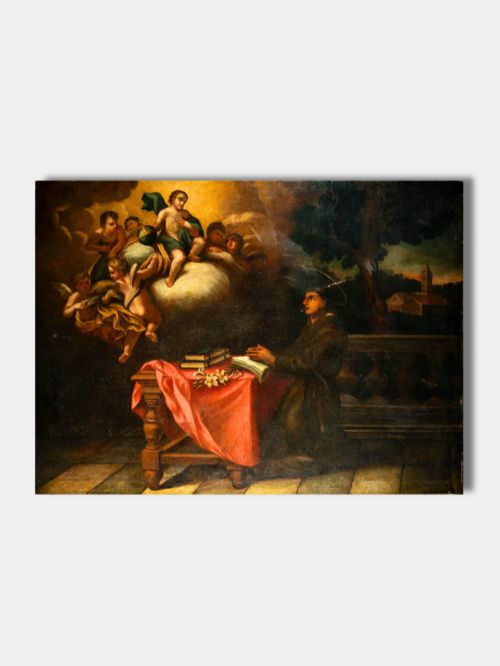
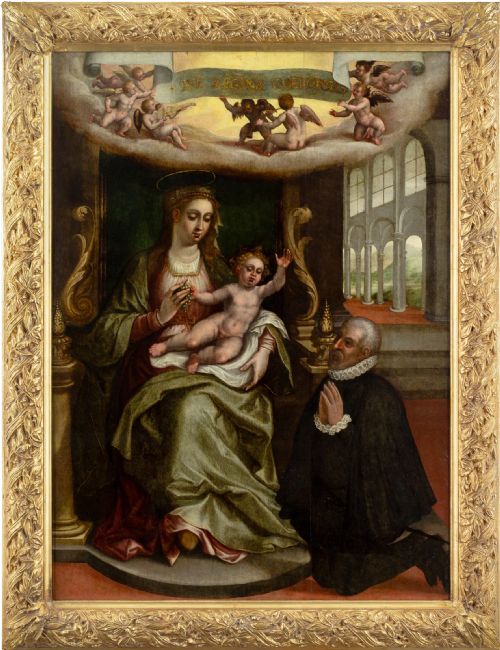
A spanish oil painting encompasses devotional religious subjects, detailed still lifes, and expressive portraits spanning from the seventeenth century through to the mid-twentieth century. Works frequently record local figures, historical narratives, and traditional landscapes originating from various Spanish regions.
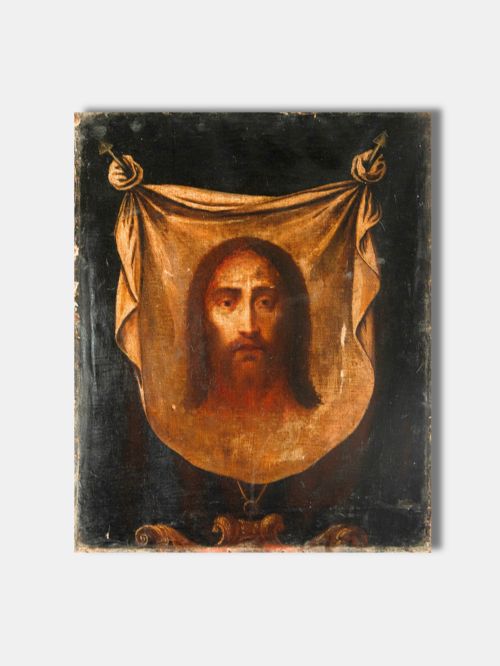
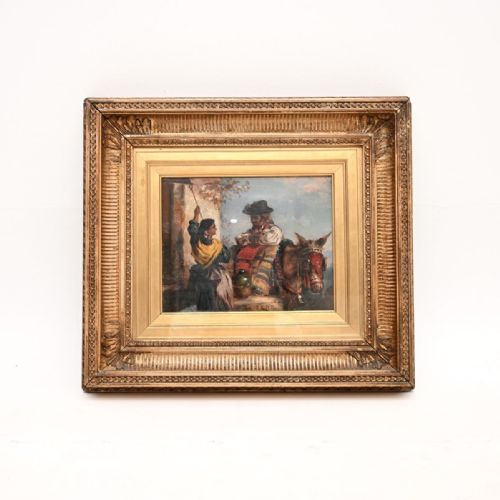
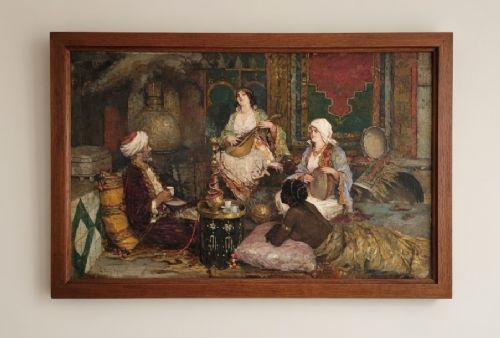
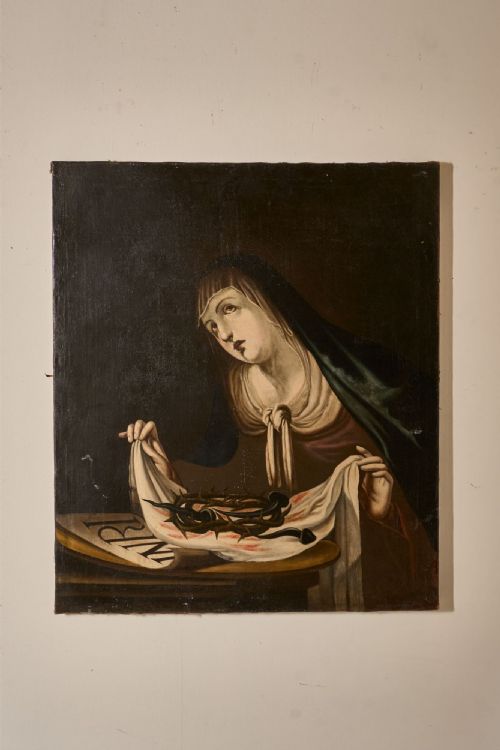
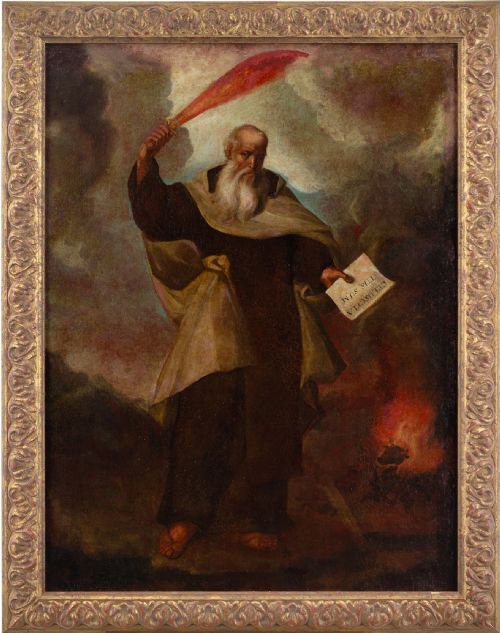
Religious depictions of saints, the Virgin Mary, and biblical scenes dominate the earlier centuries, often attributed to specific regional schools. Later nineteenth and twentieth-century examples shift towards vibrant genre portraits, coastal views, and still life studies executed on canvas or board.
How They Were Made
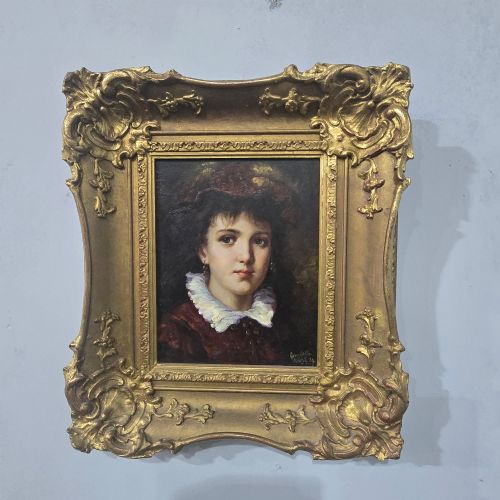
Artists primarily applied oil paint to stretched canvas or wooden panels, utilising ground pigments combined with binding oils to build depth and luminosity. Many period examples are housed within elaborate giltwood frames featuring carved gesso and gold leaf detailing.
Earlier compositions relied on meticulous layering and tonal contrast typical of Baroque traditions, while later twentieth-century pieces adopted looser brushwork and bolder palettes. Copper plates occasionally served as a durable foundation for specific devotional icons.
Listings feature canvases spanning from the 16th century through to the 1960s, executed in oil on canvas, wood, and copper.
What Varies in Quality
Quality rests upon the subtlety of brushwork, the anatomical precision of figures, and the expressive handling of light and shadow across the surface. Masterworks demonstrate confident draughtsmanship and careful compositional balance, whereas secondary pieces show stiffer execution or formulaic repetition.
The original integrity of the canvas, the presence of period-appropriate framing materials, and the stability of the paint layers influence the enduring character of each work. Retaining authentic surface patination without aggressive restoration preserves the historical weight of the piece.
Miguel Barroso·Juan Ruiz Soriano·Gaspar de Figueroa·Gabriel Puig Roda·Joaquín Luque y Roselló·Manuel Azpiroz·Francisco José Domingo y Marqués·Antonio Ribas Y Oliver·Philip Naviasky·Wilhelm Gdanietz
The Spanish Oil Painting Glossary
- Spanish School
- A designation given to anonymous artists working within Spain whose style reflects regional traditions rather than an identified master. These works often align with the dominant artistic practices of periods like the Baroque.
- Baroque
- An artistic style characterised by dramatic lighting, deep shadows, and emotional intensity. Seventeenth-century Spanish paintings frequently utilise these dynamic contrasts to heighten religious devotion.
- Genre Painting
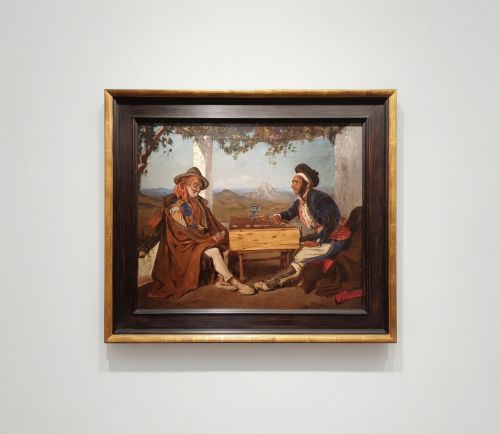
- The pictorial representation of scenes from everyday life, including ordinary people participating in common activities. Examples in this category showcase card players, street scenes, and local figures.
- Retablo
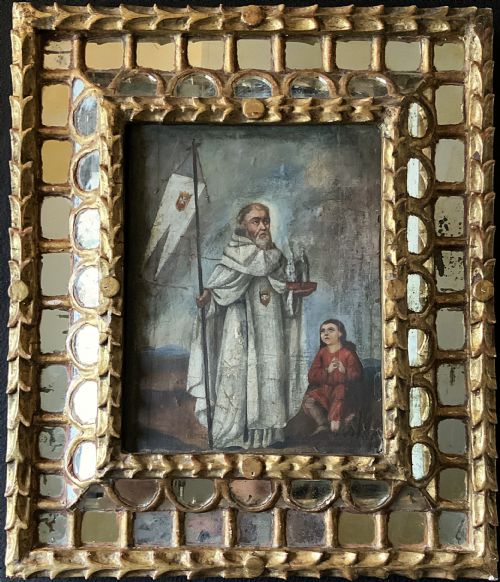
- A devotional painting or panel depicting religious iconography, often placed behind an altar. These works frequently record sacred figures in traditional folk formats.
Spanish Oil Painting: Frequently Asked Questions
How do I identify a seventeenth century canvas?
Seventeenth century canvases typically display heavy weave characteristics and darker earth tones associated with Baroque religious painting. Examining the reverse often reveals aged stretcher frames and hand-woven textile supports.
Subject matter from this era leans heavily toward devotional iconography, strict portraiture, and dramatic chiaroscuro lighting effects. Professional conservation assessment can further verify the age of the underlying priming layers.
Where were these works displayed originally?
Many religious canvases hung within churches, private chapels, and monastic foundations across Spain and its colonies. Smaller genre scenes and portraits traditionally decorated the domestic interiors of prosperous residences.
Today, living with these pieces involves placing them on stable interior walls away from direct sunlight and excessive humidity. Proper wall anchoring ensures heavy giltwood frames remain secure.
What does Spanish school mean?
Spanish school denotes anonymous artists or workshops operating within the cultural sphere of Spain during a specific era. These creators shared common technical approaches, iconographic themes, and workshop practices without bearing a definitive signature.
Attributions are typically determined by stylistic comparisons with documented masters of the same period and region. This classification groups together works that share distinct regional characteristics.
How should I clean an antique frame?
Antique giltwood frames require delicate maintenance using a soft, dry brush to remove accumulated dust gently from the carved gesso details. Liquid cleaners and moisture can damage the fragile gold leaf and underlying plasterwork.
If the frame sustains structural damage or flaking gesso, consulting a professional conservator prevents further deterioration. Preserving the original surface finish maintains the historical integrity of the piece.