



Spanish Figurative Art
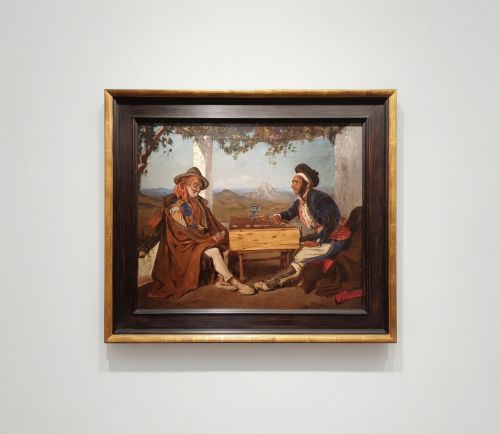
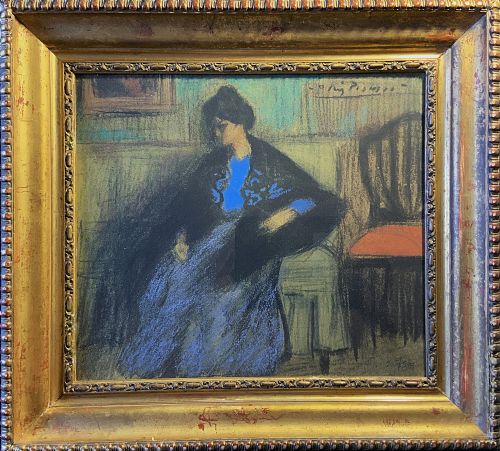
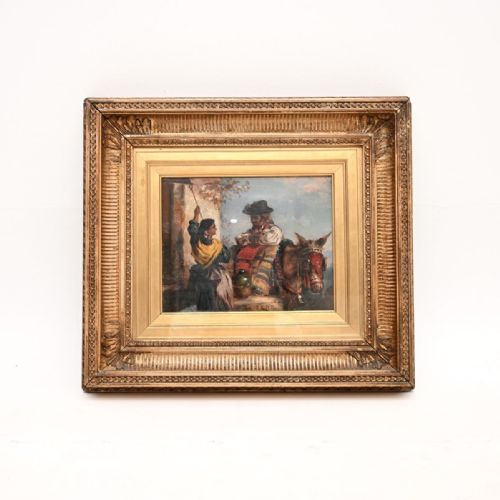
Spanish figurative art brings human character and movement into a room, capturing subjects from dancers and card players to historic portraits.
Spanish Figurative Art
Spanish figurative art encompasses paintings, watercolours, drawings, and bronze sculpture focused on the human form and portraiture. These works range from seventeenth-century academic compositions to modernist prints and mid-century watercolours.
Buyers looking through these listings will encounter traditional oil paintings on canvas or board alongside paper works and sculptural bronze pieces. The selection spans distinct periods from the eighteenth century through the mid-twentieth century.
How they were made
Artists utilised oil paint on canvas, board, and wood panels, often applying rich pigments to capture lighting and texture. Works on paper include watercolours, lithographs, and pochoir prints executed with precise hand-finishing.
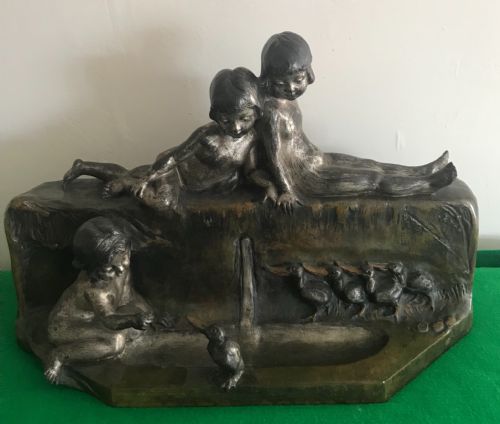
Sculptural pieces take the form of cast bronze, frequently mounted on wooden or giltwood bases to complement the framed canvases and wall art. Elaborate frames in giltwood further enhance the presentation of traditional oil paintings.
Grape and melon eaters occasionally share wall space with stern card players and soul-stirring gazes.
What varies in quality
Quality rests in the handling of brushwork and the precision of anatomical detail, separating accomplished academic execution from simpler decorative output. The depth of expression in a subject's face distinguishes superior portraits from generic studies.
The integrity of the original medium, whether oil on canvas or bronze casting, dictates the longevity and visual impact of the piece. Conservation of the surface pigment and the matching period frame also influence the overall standing of an artwork.
Pablo Picasso·Thomas Kent Pelham·Gabriel Puig Roda·William Oliver·Bartolome Murillo·Manuel Azpiroz·Antoine Bofill
The Spanish Figurative Art Glossary
- Pochoir print
- A stencil-based printing process used for applying vibrant hand-coloured details to graphic works. This technique creates sharp edges and rich colour saturation distinct from standard lithography.
- Oil on canvas
- A traditional painting method involving pigment suspended in drying oil applied to stretched fabric. It allows for subtle blending and textured impasto work.
- Giltwood
- Wood carved and coated with a thin layer of gold leaf or gilt powder. It provides a reflective, ornate border typical of period frames.
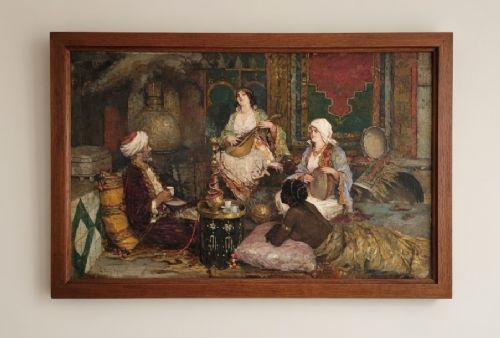
- Orientalism
- An artistic style depicting scenes and people from the Middle East and North Africa. European artists often romanticised these subjects during the nineteenth century.
- Mid-century modern
- A design movement spanning the middle decades of the twentieth century. It emphasises clean lines and simplified forms in both painting and sculpture.
Spanish Figurative Art: Frequently Asked Questions
What periods do these pieces cover?
The inventory spans multiple eras, beginning with eighteenth-century compositions and extending through nineteenth-century realism into mid-century modernism. This wide chronological spread captures shifting artistic approaches to portraiture and genre scenes over three centuries.
Buyers will find Victorian academic works sitting alongside 1930s art deco drawings and 1960s prints. Each period offers distinct stylistic markers that reflect the prevailing artistic training of its time.
How should I display framed paintings?
Display oil paintings and watercolours away from direct sunlight and excessive humidity to protect the canvas, paper, and pigments. Adequate wall space allows giltwood frames and detailed canvases to be viewed without visual clutter.
Matching the frame style to the artwork period enhances the overall presentation in a room. Ensure that heavy bronze sculptures or framed oils are secured safely to wall fixings or sturdy furniture.
Are bronze sculptures heavy?
Bronze sculptures possess a solid weight determined by their metal mass and any attached wooden bases. This density provides natural stability when placed on flat surfaces like sideboards or display plinths.
When lifting or moving a bronze piece, support the entire base rather than projecting parts. This prevents strain on delicate cast details or fixings.
What is the difference between oil and watercolour?
Oil paintings utilise pigment bound in drying oil on canvas, board, or wood, producing rich textures and opaque colour layers. Watercolours apply water-soluble pigments onto paper, resulting in translucent washes and lighter, more fluid effects.
Oils generally require sturdy frames with protective canvas supports, whereas watercolours need glazing under glass to prevent moisture damage. Both mediums offer entirely different visual textures for interior display.