
Framed Figurative Oil
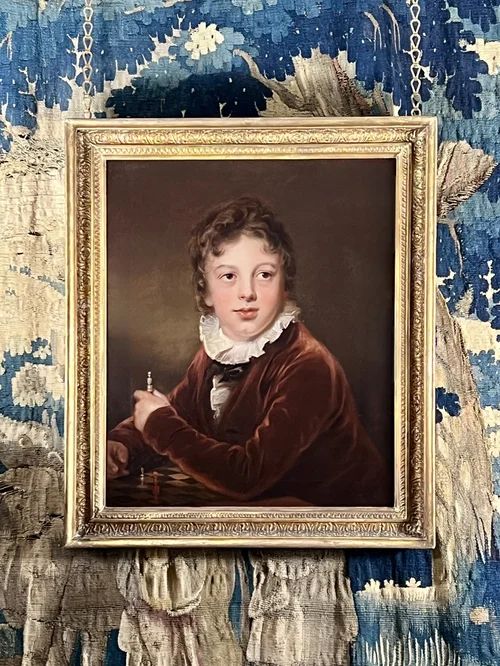
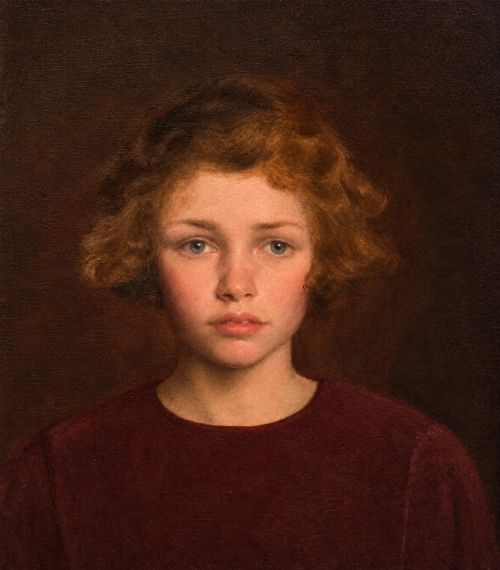
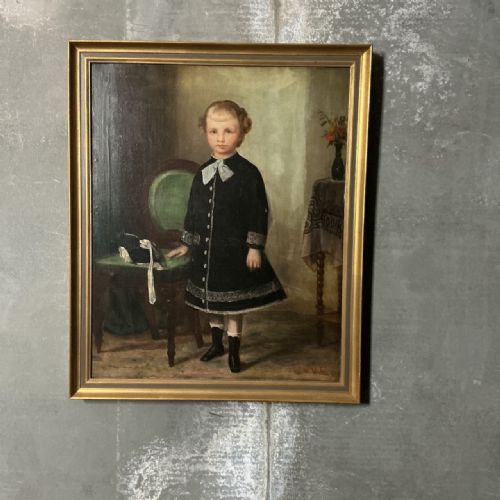
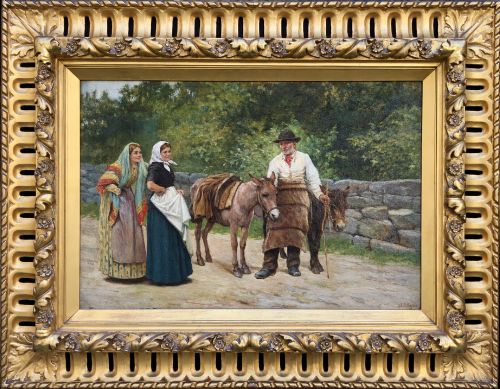
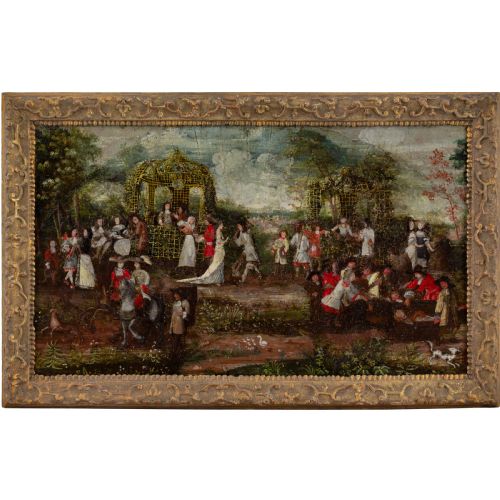
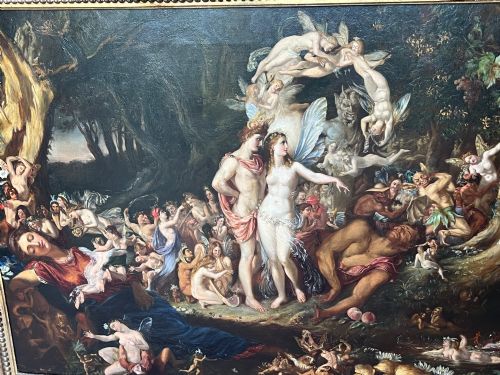
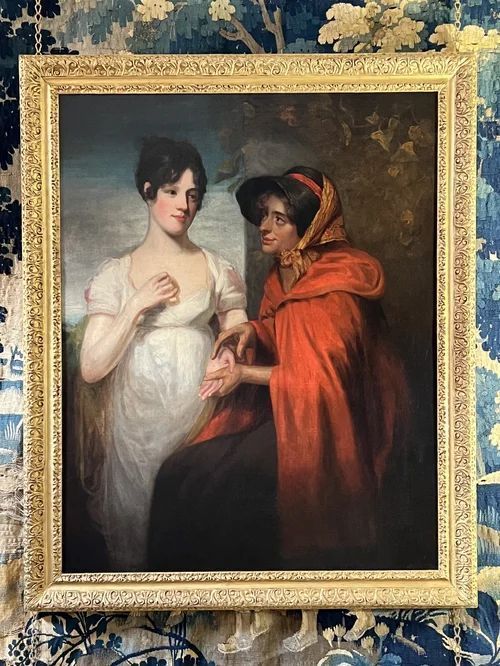
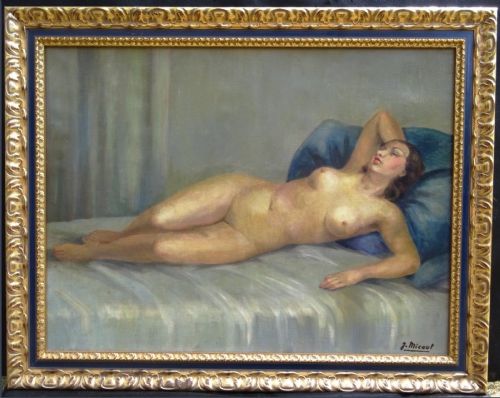
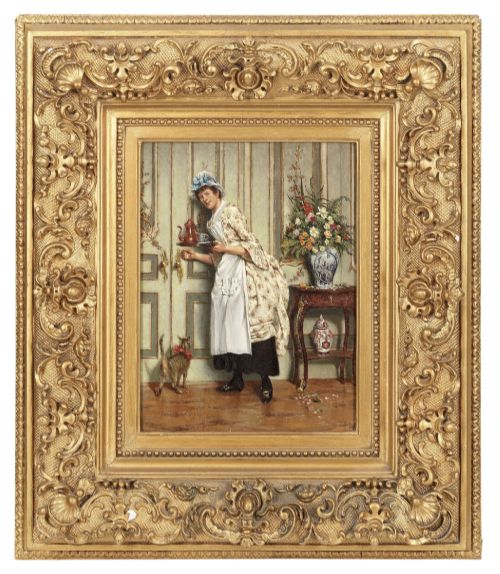
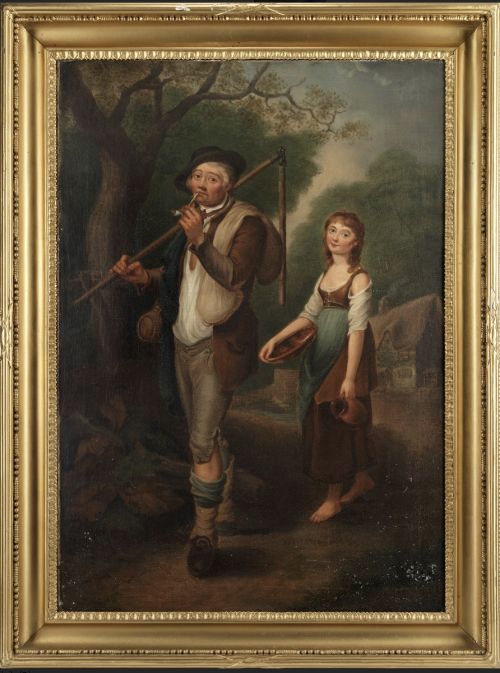
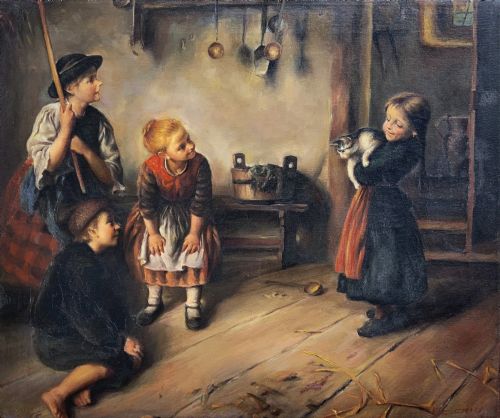
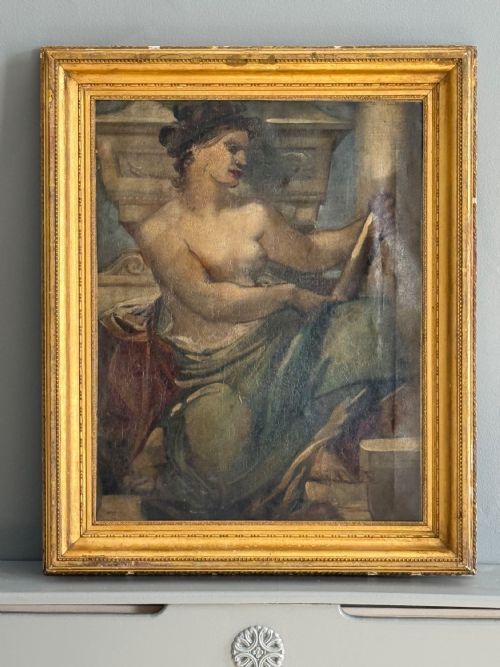
These framed figurative oil works capture human presence and narrative across centuries, offering collectors a tangible connection to historical portraiture and genre scenes.
Framed Figurative Oil
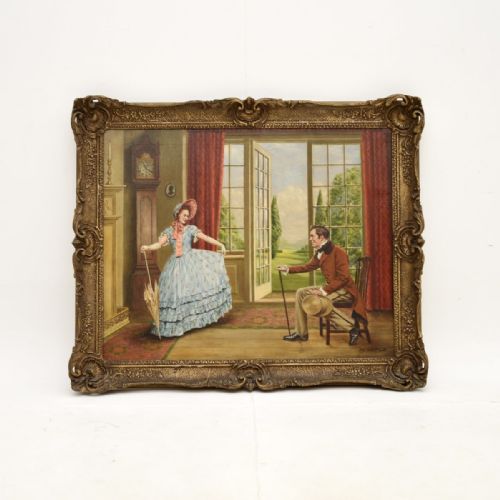
When searching for framed figurative oil pieces, you encounter works spanning from the seventeenth century through to the mid-twentieth century, including Victorian social history scenes, Edwardian portraits, and post-impressionist gatherings. The most common manifestations on this page are nineteenth-century canvases depicting individual sitters, domestic interiors, and historical genre subjects.
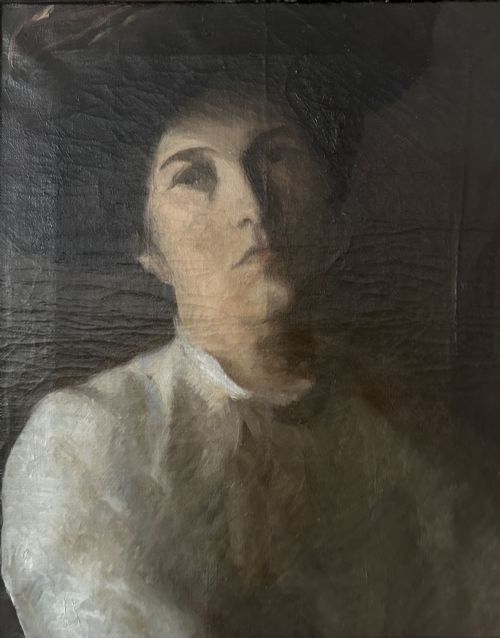
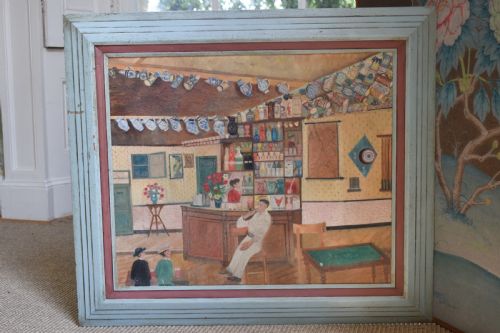
The selection encompasses diverse regional schools such as British, French, Italian, and Dutch artists, working in academic realism, Pre-Raphaelite styles, and modern British idioms. Portraits of gentlemen, ladies, children, and self-portraits sit alongside narrative scenes like card players and seaside gatherings, typically presented in period frames.
Works range from intimate portrait studies to large monumental canvases, reflecting shifting artistic ambitions across the Georgian, Victorian, and later eras. Buyers encounter both signed originals by listed artists and pieces attributed to specific historical schools.
Materials and Technique
Pigments mixed in oil medium are applied to stretched canvas surfaces, allowing for rich colour depth, subtle blending, and varied impasto textures. This traditional technique provides durability and flexibility, permitting artists to build compositions through layered glazes or thick, expressive brushstrokes.
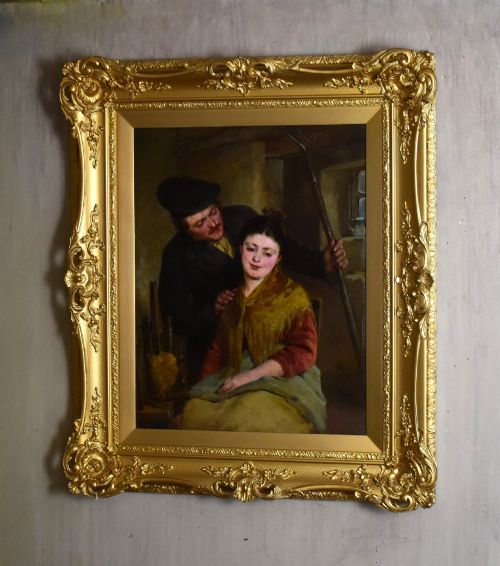
Canvases are housed within wooden frames, frequently enhanced with applied gesso mouldings and gilded finishes. These frames provide structural support and historical context, ranging from simple mouldings to ornate Victorian giltwood designs.
Listings feature works executed in oil on canvas, supported by wood, giltwood, and gesso materials across the nineteenth and twentieth centuries.
Distinctions in Quality
Quality rests in the precision of anatomical rendering, the psychological depth captured in portrait subjects, and the compositional harmony of multi-figure genre scenes. Superior examples demonstrate confident brushwork, careful handling of light and shadow, and sophisticated colour relationships that animate the subject.
The integrity of the physical fabric also distinguishes works, notably the stability of the canvas and the preservation of the original paint layer without extensive modern intervention. Furthermore, the compatibility and condition of the accompanying giltwood or gesso frame contribute to the overall integrity of the piece.
Felix Stone Moscheles·Constantyn Netscher·Stephen Samuel Lewin·Thomas Barker of Bath·Howard Helmick·Adelaïde Salles-Wagner·Lucy Pratt·Joseph Biel·Oliver Messel·Louis Charles Verwee·Charles Stuart Forbes·James Hamilton·Lena Gurr·Henry Windsor Fry·Christine Nesbit·William Oliver·Philippe de Rougemont·Charles James McCall·Umberto Volpato·Valdemar Magaard·Renato Moretti·Jacob Akkersdijk·Philip Naviasky
The Framed Figurative Oil Glossary
- Genre painting
- Depiction of aspects of everyday life by portraying ordinary people engaged in common activities. These works often provide social history through domestic or street scenes.
- Impasto
- The process or technique of laying on paint or paint applied thickly to a surface, so that it stands out from the canvas. This creates physical texture and catches light.
- Giltwood
- Wood that has been covered with a thin layer of gold leaf or gold paint. It is commonly found on traditional antique picture frames.
- Gesso
- A paint mixture consisting of a neutral binder mixed with chalk, gypsum, and pigment. It is applied to wooden frames to create a smooth surface before gilding.
- Attributed to
- A term used when a work is considered likely to be by a given artist, based on stylistic evidence, but lacks definitive documentation or signature.
Framed Figurative Oil: Frequently Asked Questions
What is a figurative oil painting?
A figurative oil painting is a work of art executed with oil-based pigments on canvas that depicts human subjects, whether as formal portraits, self-portraits, or narrative genre scenes. These pieces focus primarily on people and their interactions with their environment.
Such works range from intimate head studies to large historical compositions created across various centuries and artistic movements.
How do I identify the period of an oil painting?
Period identification relies on examining the costume of the sitters, the style of the brushwork, and the construction methods of the canvas and stretcher frame. Historical clues within the subject matter often point toward specific decades or artistic eras.
The accompanying frame, particularly if original, also offers reliable stylistic indicators for dating the artwork.
Where were genre paintings displayed historically?
Genre paintings were traditionally created for domestic interiors, hanging in the reception rooms, parlours, or studies of private residences. They served to entertain viewers and reflect the social values or daily experiences of the households that collected them.
Today, these works function similarly in modern homes, adding historical narrative and human presence to living spaces.
How should I care for a framed oil painting?
Care involves maintaining stable environmental conditions away from direct sunlight, excessive heat, and high humidity to protect both canvas and paint layers. Gentle dusting of the frame and canvas surface should be done with a soft, dry brush without applying pressure.
Professional conservation should be sought for any structural issues concerning the canvas tension or frame integrity.