



1900 Oil Painting
A 1900 oil painting captures the turn of the century through expressive brushwork and rich textures.
1900 Oil Painting
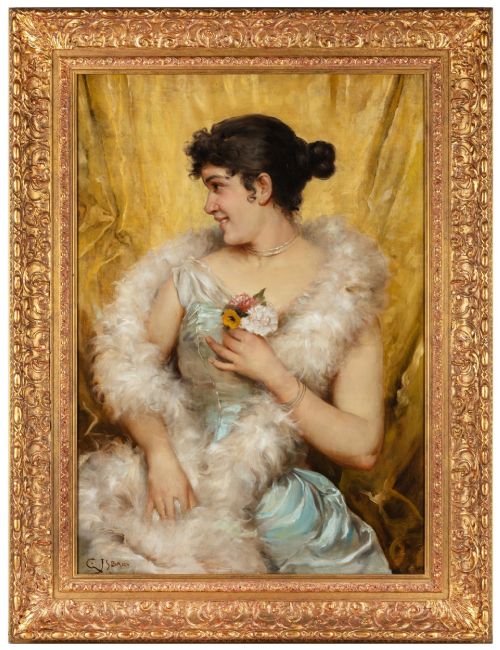
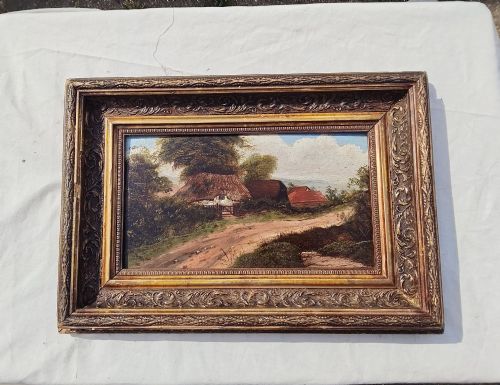
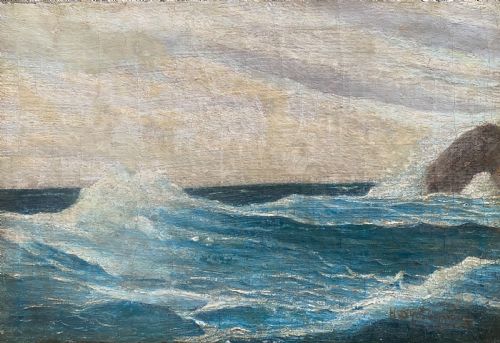
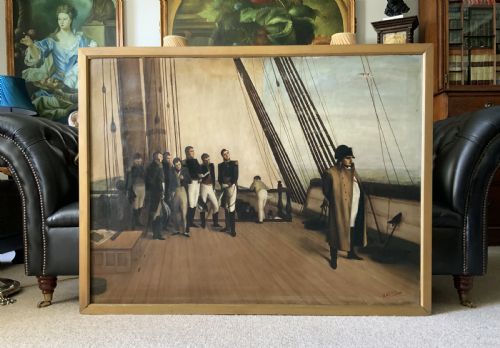
A 1900 oil painting encompasses diverse subjects ranging from tranquil rural landscapes and coastal harbours to detailed portraits and maritime scenes. These works reflect the aesthetic interests of the late Victorian, Edwardian, and Belle Epoque periods.
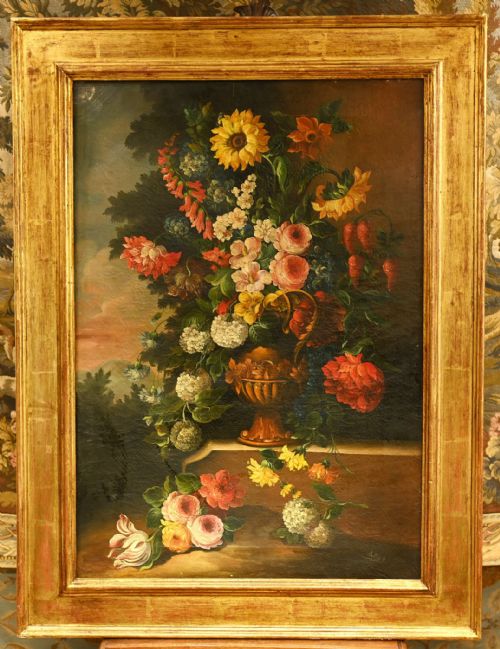
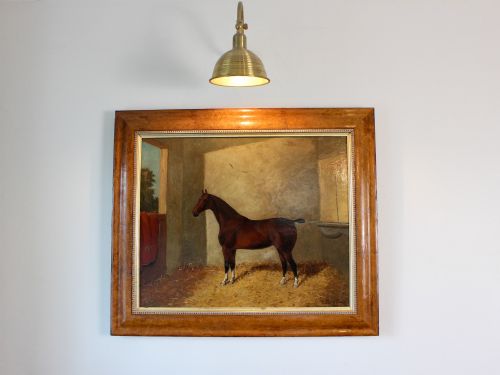
Buyers frequently encounter canvases depicting Scottish highlands, serene riverbanks, floral still lifes, and domestic animals rendered with academic precision or impressionistic flair.
Materials and construction methods
Artists of this era typically applied oil paint onto primed canvas or wooden board, utilising traditional brushwork to build depth and luminosity. Many pieces retain their original wooden frames, frequently enhanced with gold leaf or gilt finishes.
Pigments were mixed to achieve subtle tonal gradations, particularly evident in landscapes depicting atmospheric effects over water or open countryside.
Listings feature oil paintings executed on canvas, board, and card, spanning styles from academic realism to early impressionism.
Distinctions in execution and condition
Quality rests upon the artist's command of light, anatomical accuracy in figures and animals, and the preservation of the original paint layer. Finer examples display confident brushwork and harmonious palettes that capture the distinct mood of the period.
The integrity of the canvas and the presence of period-appropriate framing contribute significantly to the overall standing of an artwork.
Paul Désiré Trouillebert·Edward Henry Eugene Fletcher·F. E. Jamieson·Thomas G Purvis·Hans A Trier
The 1900 Oil Painting Glossary
- Canvas
- A heavy woven fabric stretched across a wooden frame to serve as a support for oil paint. It provides a durable and textured surface favored by portrait and landscape artists.
- Impasto
- A technique where paint is laid onto a surface in thick layers that stand out from the canvas. This method adds visible texture and three-dimensional qualities to the artwork.
- Gilt
- A thin layer of gold or gold-like material applied to wooden frames. It enhances the decorative appeal and provides a polished boundary for the painting.
- Barbizon School
- An art movement rooted in naturalistic landscape painting. Artists associated with this style focused on direct observation of nature and atmospheric moods.
1900 Oil Painting: Frequently Asked Questions
How should I clean a vintage oil painting?
Dust the surface gently with a soft, dry brush to remove loose particles without disturbing the paint layer. Avoid using water, household cleaners, or chemical solvents on the canvas.
Professional restoration is recommended for deeper cleaning or the removal of aged varnish. Specialist conservators use tested methods to preserve the integrity of the original pigments.
Are these paintings usually framed?
Many works retain their period frames, which often feature carved wooden details and gilt finishes. Original framing complements the aesthetic of the turn of the century.
Frames can vary from simple moulded wood to ornate gilded designs depending on the origin and intended display of the artwork.
What subjects are most common?
Landscapes, seascapes, and portraits dominate the selection from this era. Artists frequently recorded rural vistas, coastal shipping, and domestic animals.
Still life studies featuring flowers and fruit also appear regularly, reflecting traditional academic training alongside emerging impressionist influences.
How do I identify the date?
Dates are often inscribed directly by the artist alongside a signature, or recorded on exhibition plaques attached to the frame. Stylistic clues such as costume and framing techniques also offer chronological context.
Comparative study of recorded works by specific schools helps narrow the production window when explicit signatures are absent.