
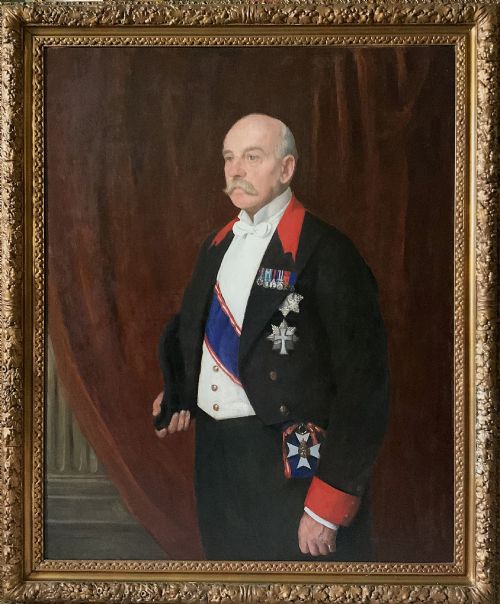
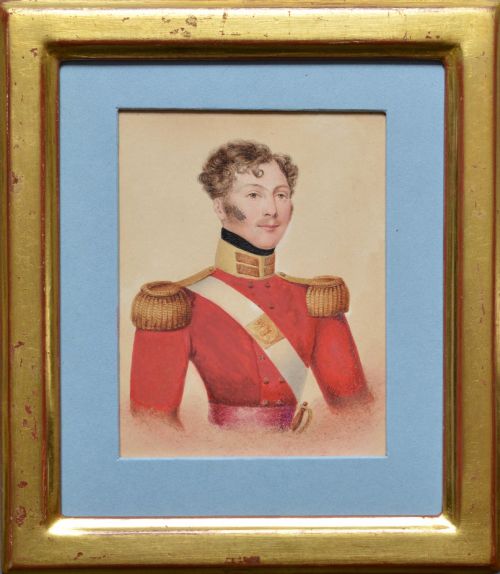
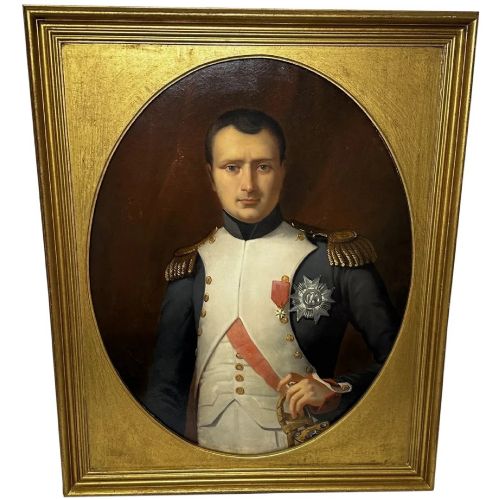
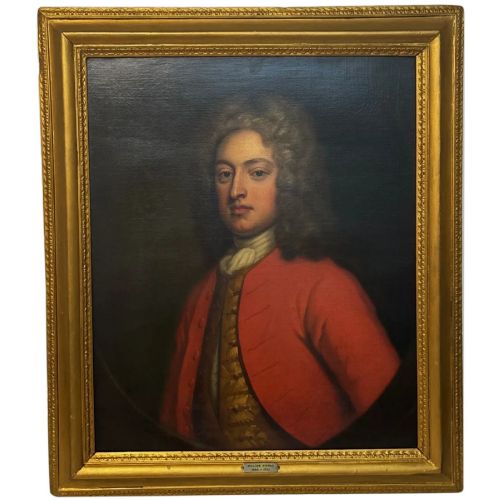

Gilt Framed Military Art
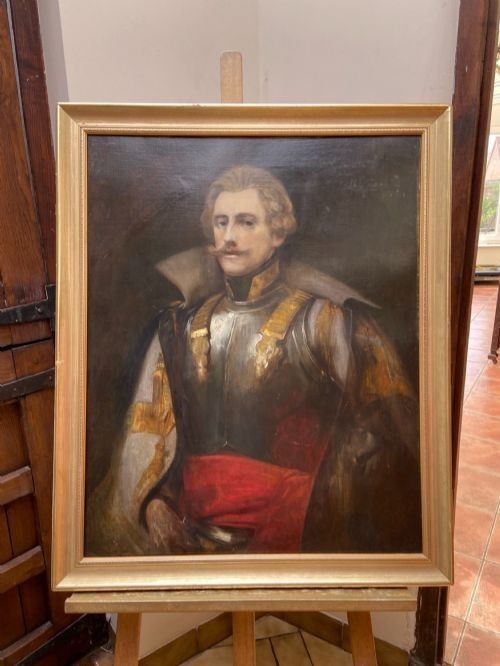
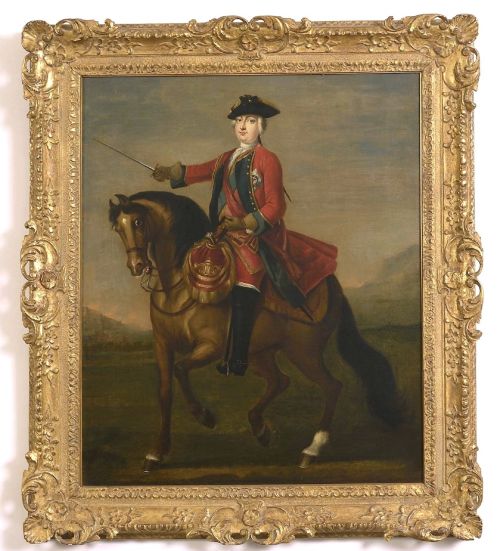
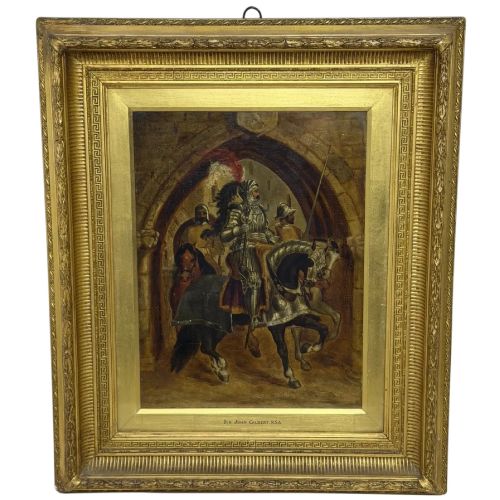
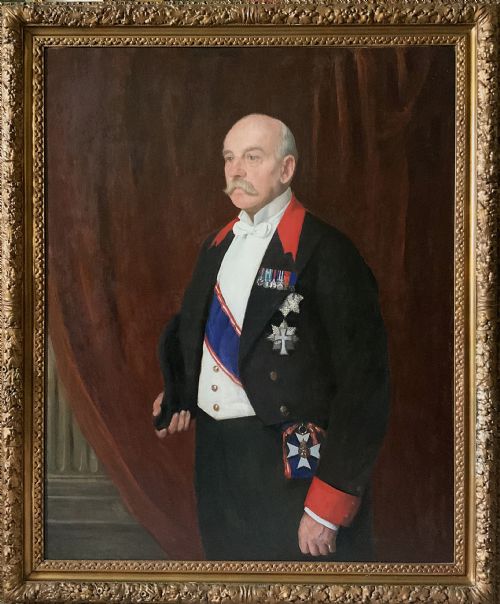
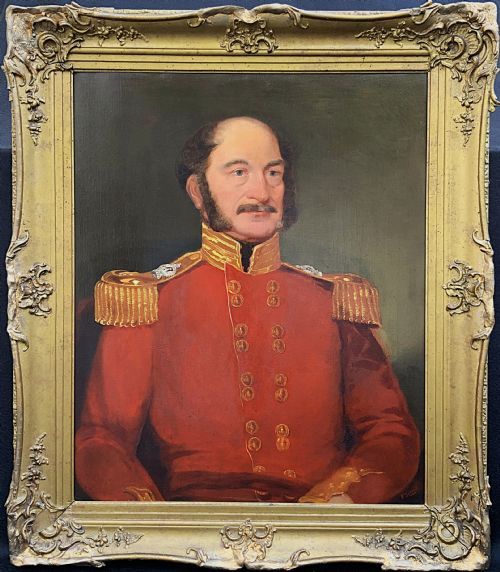
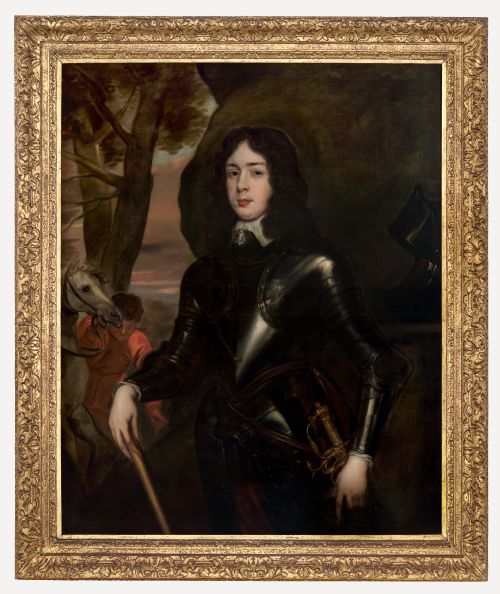
These gilt framed military art pieces capture centuries of officer portraits and campaign scenes, offering collectors a direct window into naval and military history.
Gilt Framed Military Art
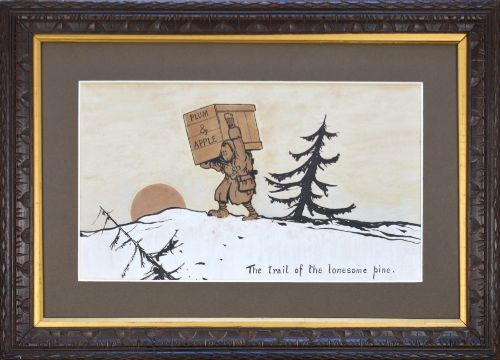
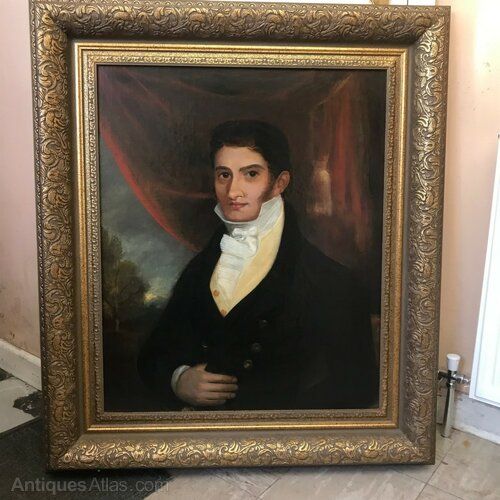
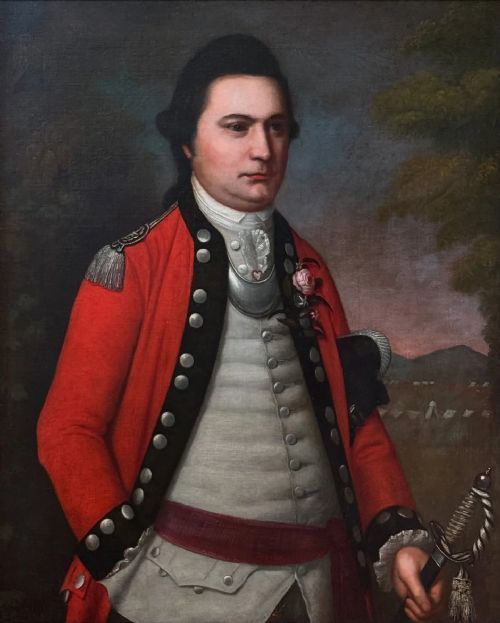
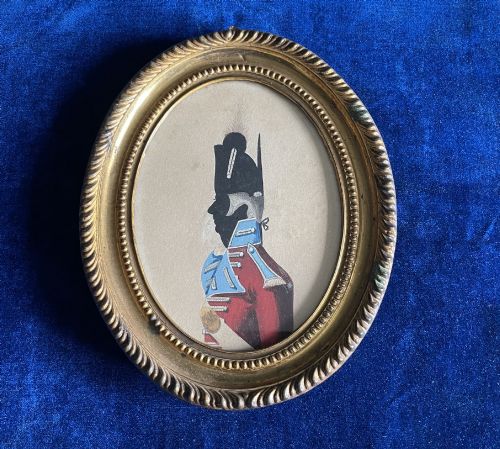
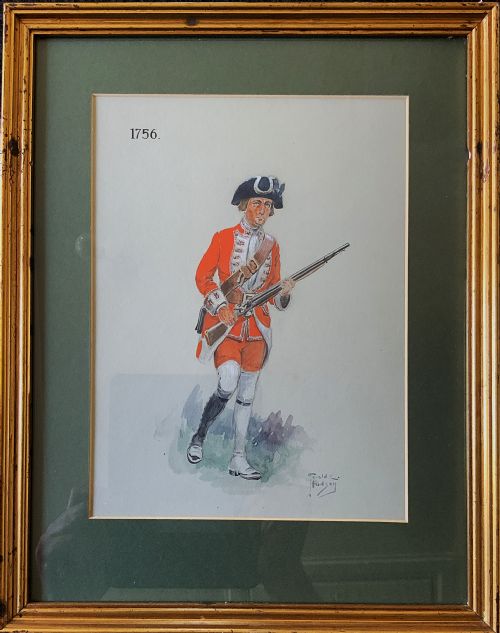
When you search for gilt framed military art, you encounter oil paintings, watercolours, and portrait miniatures depicting officers, regiments, and historical campaigns.
The selections span from the 17th century through to the mid 20th century, capturing subjects such as British redcoats, French cuirassiers, and naval commanders.
You are most likely to meet 19th-century oil portraits on canvas and period watercolours housed within decorative wooden and giltwood surrounds.
How They Were Made
The physical works utilise traditional artist materials including oil on canvas, delicate watercolour pigments on paper, and glass protection for fragile miniatures.
Surrounding these works, makers employed carved wood finished with gold leaf or gilt layers to create the characteristic ornate frames that define the category.
Listings feature works spanning from the 17th century to the 1950s, executed in oil on canvas, watercolour, and giltwood.
What Varies in Quality
The strength of the portraiture and the historical clarity of the uniform details separate standard works from exceptional examples.
Original period frames displaying skilful hand-carving and well-preserved gilding elevate the status of the piece significantly.
Bruce Bairnsfather·Stickland Lowry·John Wootton·Thomas Hudson·Sir John Gilbert·Sir Anthony van Dyck·Edith Alice Simkins·John A. Houston·Thomas Mackay
The Gilt Framed Military Art Glossary
- Giltwood
- Wood that has been treated with gold leaf or a gold-coloured metallic finish. This material creates the bright, reflective borders common to antique picture frames.
- Cuirassier
- A type of cavalry soldier equipped with body armour consisting of a breastplate and backplate. These figures frequently appear in Napoleonic-era French military paintings.
- Watercolour
- A painting method where the pigments are suspended in a water-based solution on paper. This medium was widely used for portable field sketches and detailed military portraits.
- Miniature
- A small-scale portrait painting executed with fine detail, often worn or kept in private quarters. They required immense precision from the artist due to their diminutive size.
- Regiment
- A permanent unit of an army commanded by a colonel. Identifying the regimental uniform is key to dating and provenance research.
Gilt Framed Military Art: Frequently Asked Questions
How do I date a military portrait?
Examine the cut of the uniform, the style of the facial hair, and any visible medals or insignia. Military tailors changed regulations frequently, which provides a tight chronological window.
Compare these details against the recorded birth and death dates of the sitter or documented regimental histories from the period.
Are the frames original to the paintings?
Many pieces retain their period frames, though framing styles often evolved or suffered damage over centuries of display. Look for matching patina and signs of age shared between the canvas rabbet and the inner moulding.
Professional framers can sometimes verify if the giltwood mount matches the era of the artwork inside.
What is the difference between oil and watercolour military art?
Oil paintings on canvas were typically commissioned by high-ranking officers or aristocratic families for formal display in large stately homes. They offer rich textures and deep colour palettes.
Watercolours were often created on paper for portability, capturing campaign life in the field or serving as intimate records for family members left at home.
How should I display gilt framed art at home?
Hang these pieces away from direct sunlight and damp environments to protect the fragile paper, canvas, and gold leaf. Stable indoor temperatures prevent the giltwood from cracking and the canvas from slackening.
Pair them with traditional wall colours that allow the gold frames and red coats to stand out naturally.