
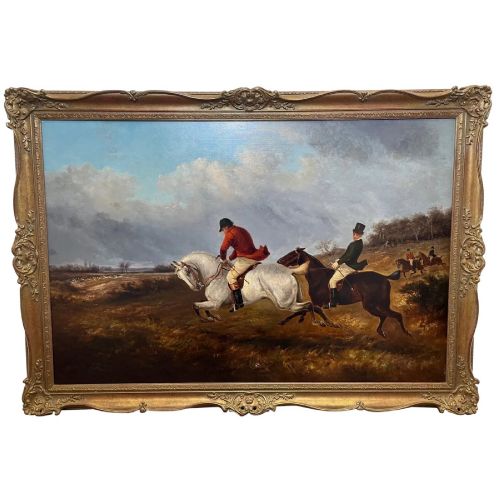
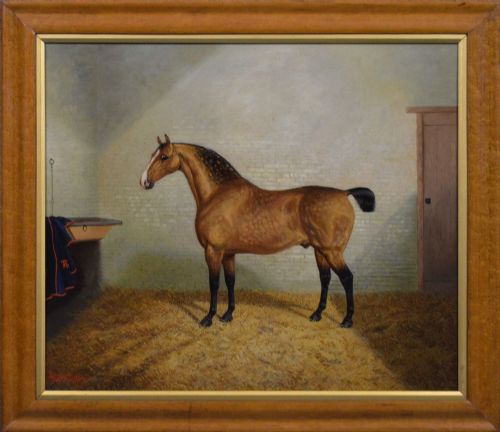
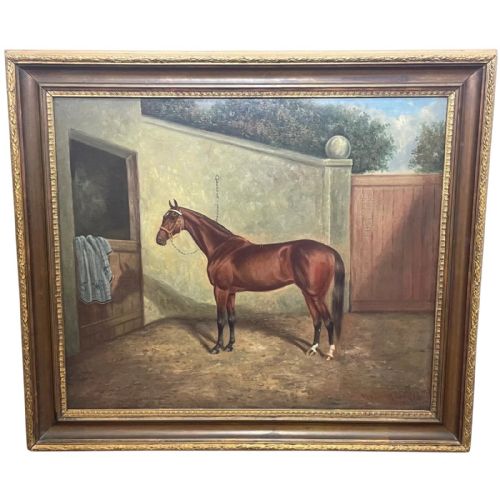
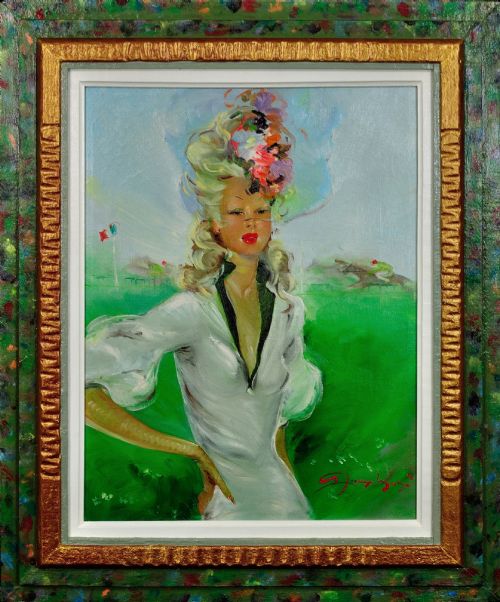
Gilt Framed Horse Artwork
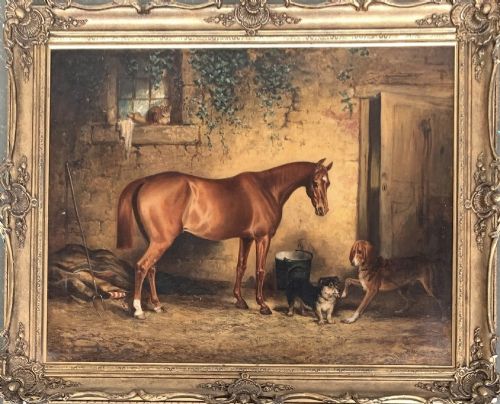
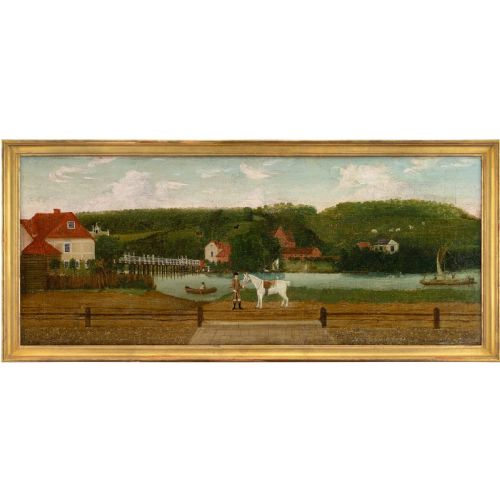
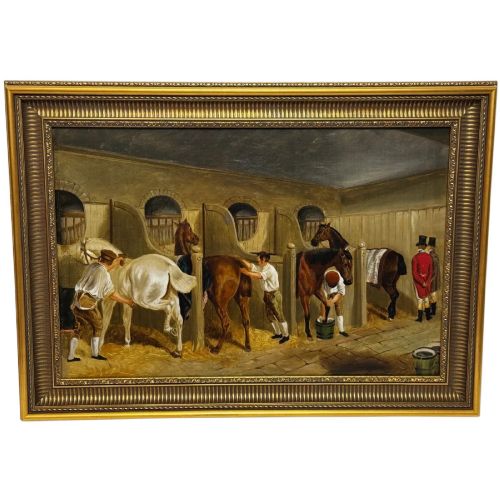
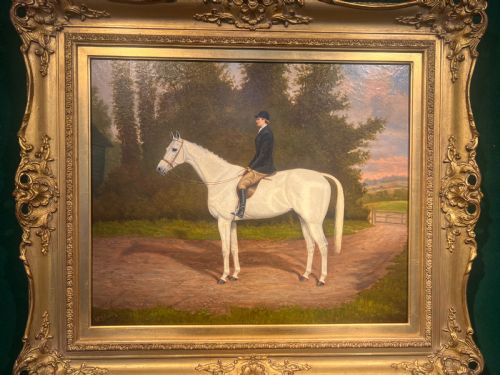
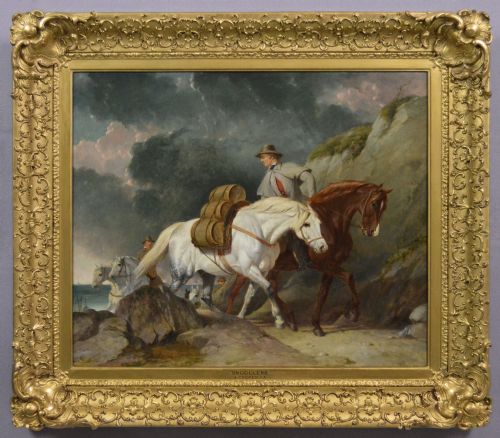
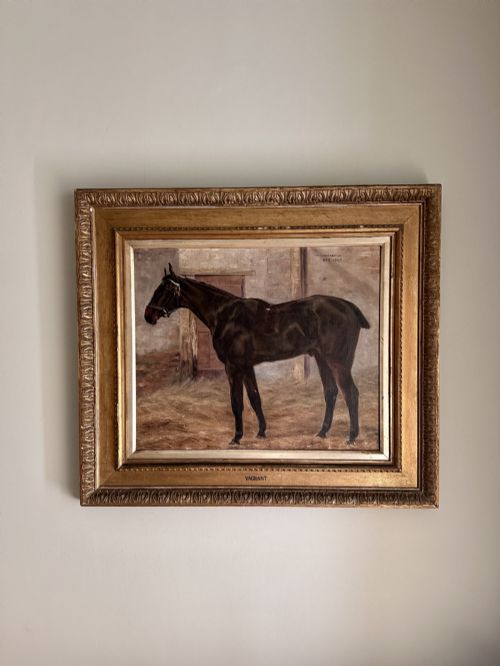
Gilt framed horse artwork brings together Victorian sporting oils, Edwardian coaching scenes, and rustic watercolours enclosed within traditional gilded surrounds.
Gilt Framed Horse Artwork
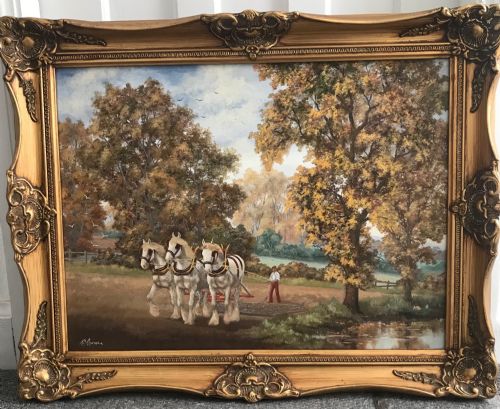
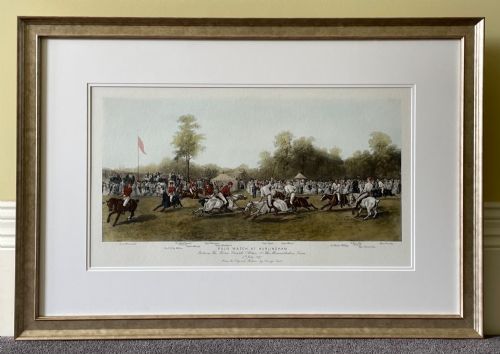
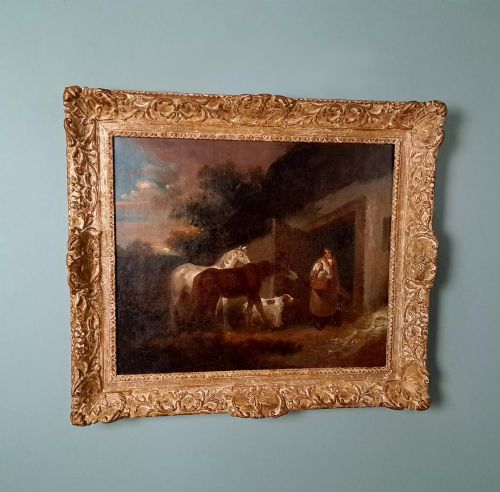
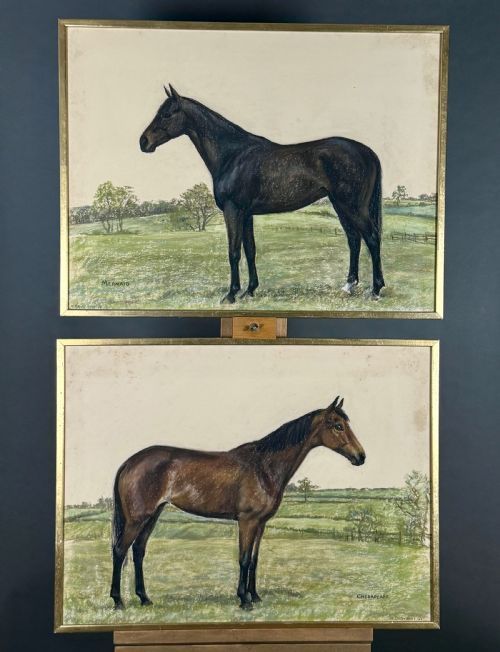
When you search for gilt framed horse artwork, you encounter a specialised tradition of equine portraiture and rural sporting scenes. These pieces capture individual racehorses, shire horses ploughing fields, hunting studs, and coaching pairs in oil, watercolour, pastel, and drypoint. The selection spans the Georgian period through the Victorian era into the mid-twentieth century, reflecting changing tastes in British realism and sporting art.
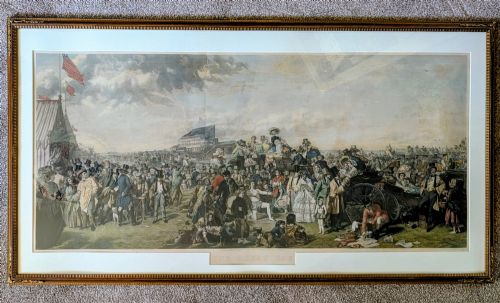
The format typically involves canvas, wood panels, or paper housed in gilded wood mouldings that accentuate the warmth of the pigments. You meet everything from intimate Victorian animal studies to large-scale racehorse portraits associated with notable studs and historic tracks like Epsom. Whether depicting a bay hunter by Henry Barraud or a pastoral hay wagon, these works preserve agricultural and equestrian history within ornamental frames.
How They Were Made
Painters utilised oil on canvas or wood panels, building up layers of rich pigment to render the muscular form and coat sheen of horses. Other works employ watercolour and pastel on paper, or fine silk needlework to recreate racing tracks and rural landscapes with precise detail.
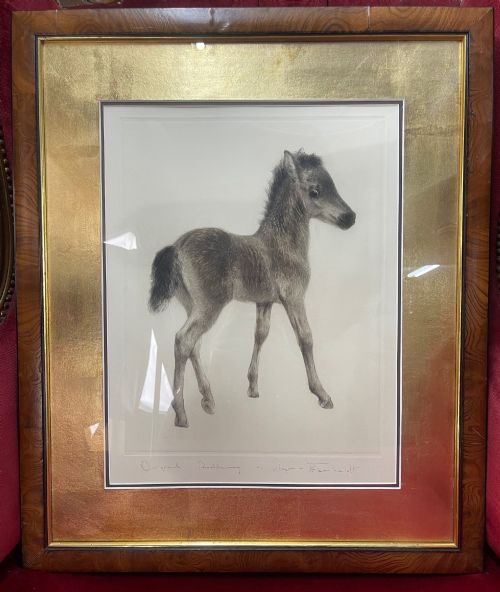
The enclosing surrounds consist of wood frames finished in gilt or giltwood, often complementing the subject matter with classical moulding profiles. Print variations utilise lithography or drypoint techniques on paper, capturing line and tone before framing.
Listings feature oil on canvas, wood, paper, pastel, and silk needlework across Victorian, Edwardian, and Georgian periods.
What Varies in Quality
Quality rests upon the anatomical precision of the horse and the artist's command of light across coat and landscape. Works by named painters exhibit superior brushwork in rendering expression, movement, and setting compared to vernacular pieces.
The execution of the surrounding gilt wood frame also marks distinction, where hand-carved mouldings and deep gilding elevate the presentation of the central canvas or paper study.
Henry Barraud·William Joseph Shayer Senior·Kurt Meyer-Eberhardt·Thomas Smythe·Albert Clark·Frederick Albert Clark·Abraham Cooper·Fred Fitzpatrick·Ernest Payne·John Alfred Wheeler·Philip Rideout·John Frederick Herring Snr·Herman S Melville·George Morland·Charles Walter Simpson·John Frederick Herring Jnr·Basil Nightingale·Philip Henry Rideout
The Gilt Framed Horse Artwork Glossary
- Giltwood
- Wood carved and covered with a thin layer of gold leaf or metallic gilt finish. This material defines the ornate frames typical of traditional Victorian and Edwardian art.
- Drypoint
- A printmaking technique where an image is scratched directly onto a metal plate with a sharp needle. This process produces soft, velvety lines well suited to intimate animal studies.
- Equine Portrait
- A painting or drawing focused primarily on the likeness and conformation of a specific horse. These works often record named racehorses, hunters, or prize-winning stallions.
- Sporting Art
- A genre depicting field sports, horse racing, hunting, and coaching scenes. It holds a significant place in British art history through practitioners who documented rural pursuits.
Gilt Framed Horse Artwork: Frequently Asked Questions
What periods do these horse artworks come from?
The pieces span the Georgian period, the Victorian era, and the Edwardian years, extending into mid-century works.
They reflect shifting British artistic styles, from nineteenth-century realism to later rural and sporting depictions.
How were these framed pieces displayed originally?
Landed gentry and farming families hung equine portraits in country houses, estate offices, and hunting lodges.
The gilt frames were chosen to complement interior woodwork and lend formal importance to the animal subjects.
Are all the pieces oil paintings?
While oil on canvas and wood panels predominate, the selection includes watercolours, pastels on paper, and drypoint prints.
You also encounter textile works, such as silk needlework depicting racing scenes.
How do I identify different types of equine art?
Subjects range from individual racehorse portraits with named owners to broader coaching scenes and agricultural work.
Signatures, framing styles, and inscriptions on the canvas or reverse often help connect a piece to a specific artist or estate.