


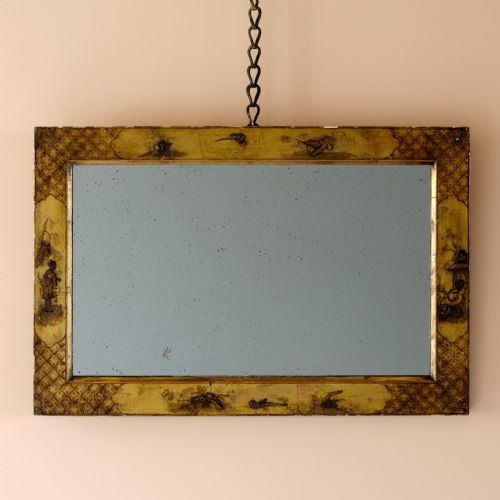
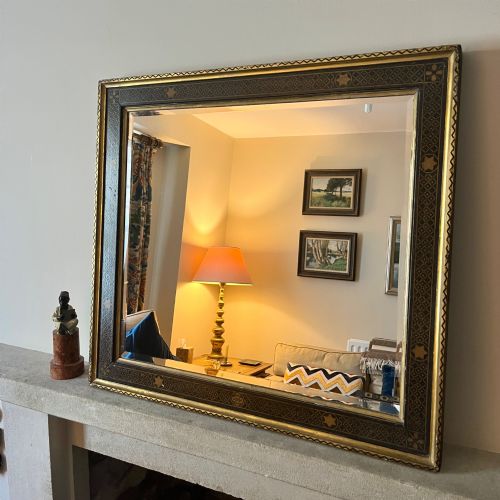
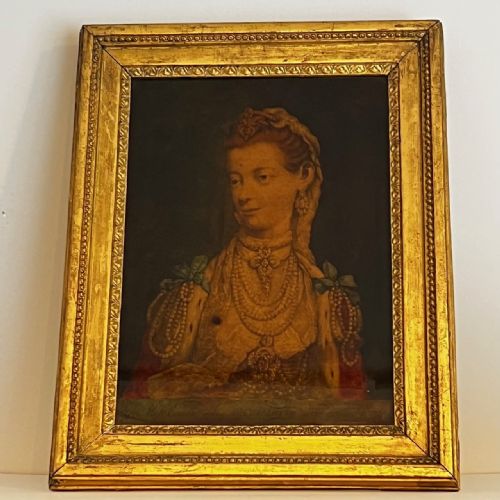
Gilt Framed Glass Painting
When you search for gilt framed glass painting, you find works executed directly on glass or incorporated into gilded wooden surrounds.
Gilt Framed Glass Painting
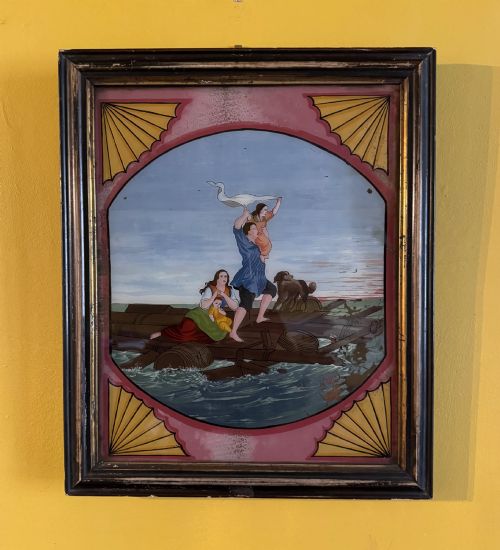
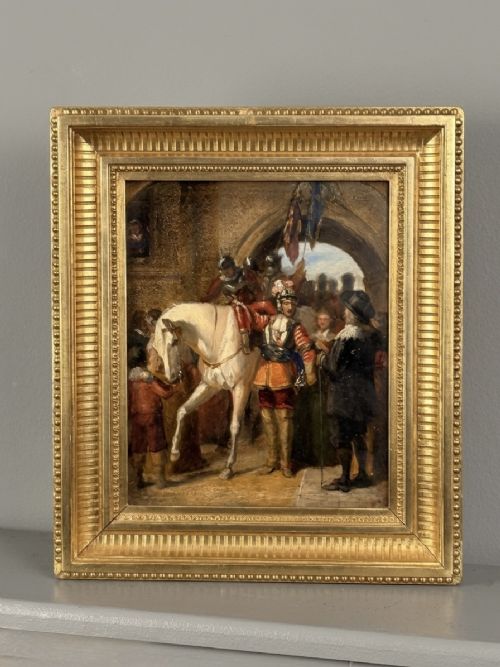
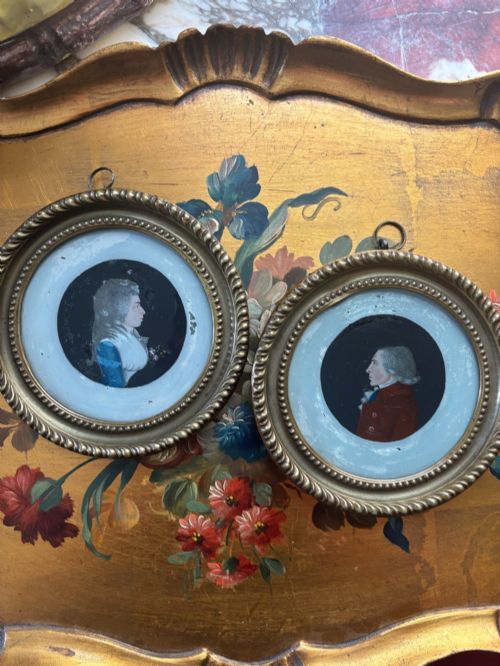
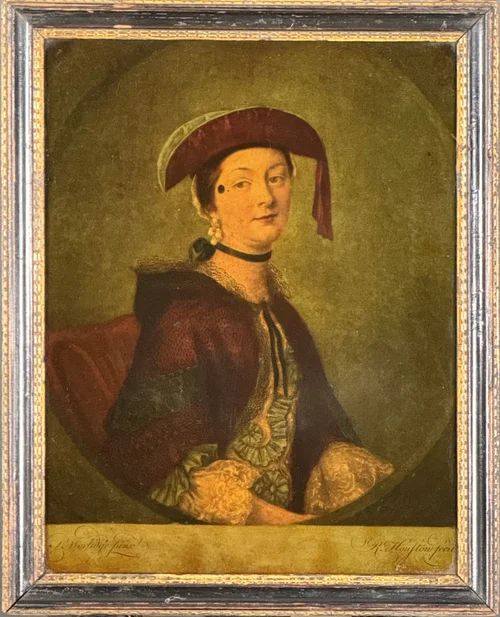
A gilt framed glass painting typically combines reverse glass painting techniques, mezzotints or prints set beneath glass, and decorative frames finished in gold leaf or paint. These works appear across eighteenth-century, Regency and nineteenth-century periods, often taking the form of portrait miniatures, classical prints or decorative panels housed within gilded wood and gesso structures.
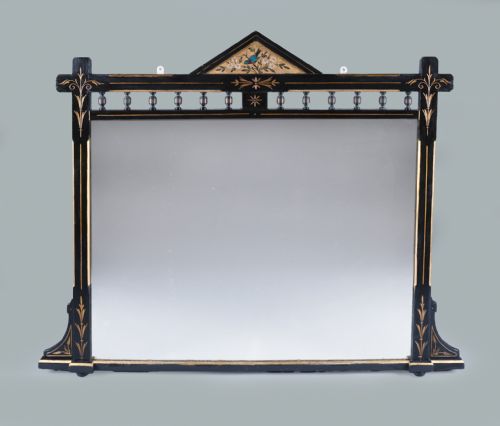
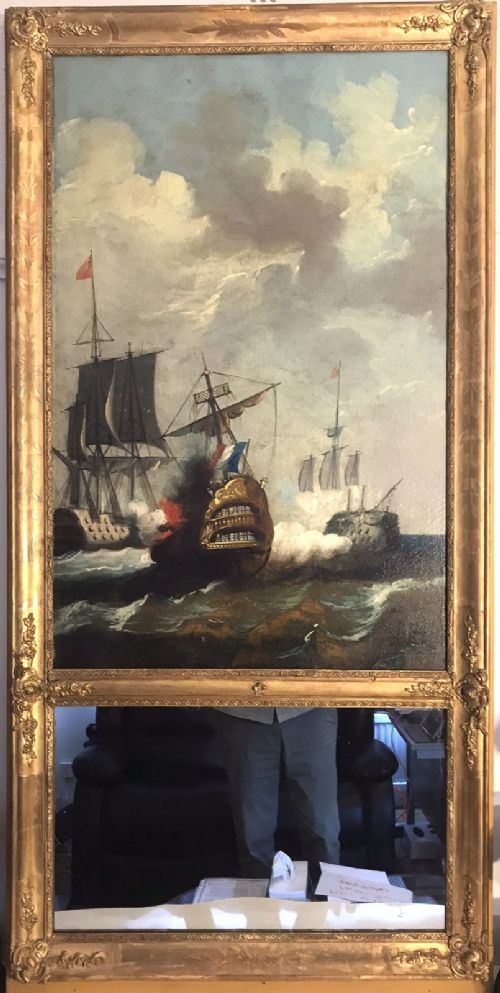
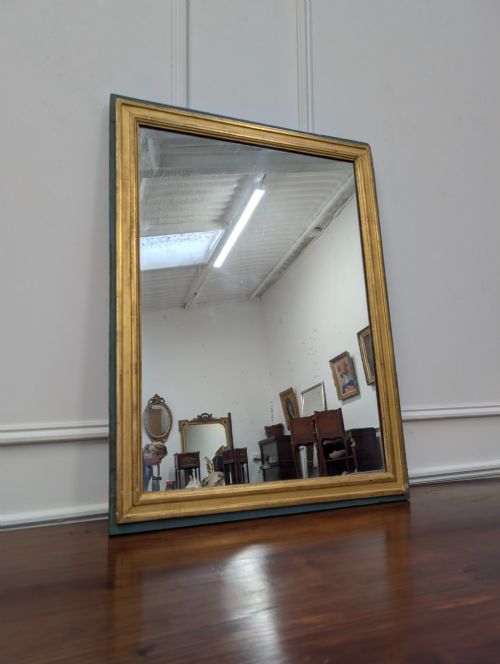
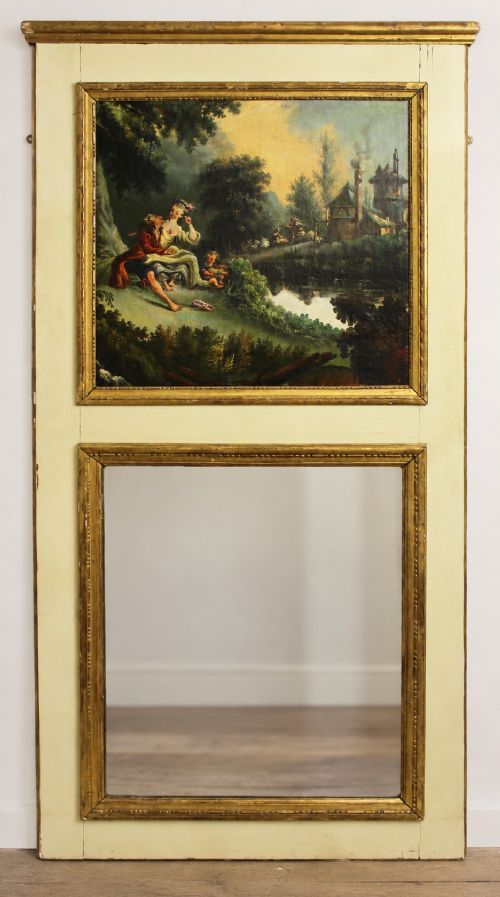
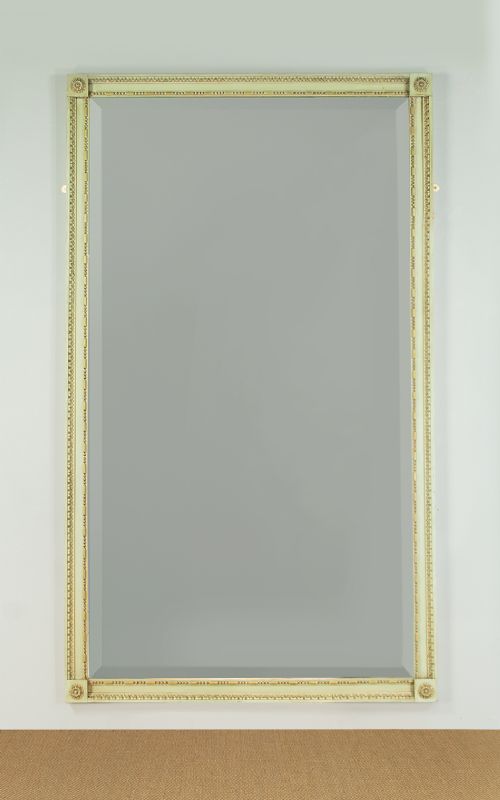
The selection here encompasses Georgian reverse painted mezzotints, Victorian crystoleoms, and French trumeau mirrors featuring integrated pastoral oil paintings or glass panels. Buyers encounter both small silhouette miniatures and large overmantle mirrors where glass and gilding intersect.
Originating from English, French, Italian and Chinese workshops, these pieces serve as both wall art and functional mirrors. The integration of painted glass with carved wood frames defines the category.
How They Were Made
Artisans applied paint or ink directly to the reverse side of glass plates, building images from foreground details to background layers so the final picture appeared correctly oriented when viewed from the front. This reverse painting technique required precise brushwork since errors could not be painted over.
Frames utilised carved wood, gesso and applied gold leaf or paint to create gilded surrounds, often housing mercury glass or specialised printed paper layers in crystoleoms. The assembly united fragile glass elements with substantial timber structures.
Gilt Framed Glass Painting Retail Price Guide 2026
Typical asking prices for gilt framed glass painting among the pieces listed under this phrase on Sellingantiques today, from the lower quarter to the upper quarter. They describe what is for sale here now, not the wider market.
Some Georgian sitters gaze out from beneath glass for over two centuries, quietly judging your interior design choices.
What Varies in Quality
The refinement of the brushwork on the glass and the crispness of the mezzotint or engraving determine the visual impact of the piece. Superior examples display delicate facial expressions and secure pigment adherence without widespread flaking.
Frame construction and gilding technique distinguish finer items, with hand-carved gesso details and original gold leaf outperforming later overpainting. The preservation of the original mercury glass or untouched backing paper also influences the character of the object.
Charles Spooner·Richard Purcell·Konstantin Stoitzner·Edward Ladell
The Gilt Framed Glass Painting Glossary
- Verre eglomise
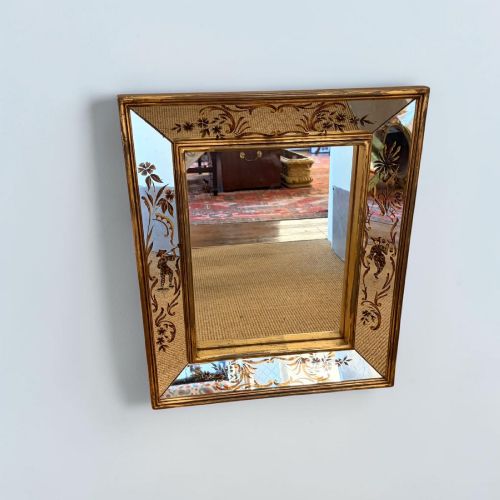
- A cold decoration technique where design elements are painted and gilded on the reverse of glass. This method produces a reflective, metallic finish.
- Crystoleum
- A Victorian method of applying a colour print to glass, making the paper translucent, and hand-painting details on the back before mounting. This created a finished picture with painted depth.
- Trumeau
- A decorative wall mirror featuring an upper panel containing a painting or carved relief. These architectural elements originated in eighteenth-century France.
- Mezzotint
- A printmaking process where the copper plate is roughened to achieve tones and dark shades. These prints were frequently utilised for reverse glass portraits.
- Gesso
- A plaster-like mixture applied to wood frames to provide a smooth base for gilding. It allowed carvers to add intricate relief ornamentation.
Gilt Framed Glass Painting: Frequently Asked Questions
How do I clean a glass painting?
Clean the glass gently with a dry microfiber cloth, avoiding liquid cleaners that might seep behind the glass panel and damage the reverse paint.
Keep moisture away from the edges where the paint meets the frame to prevent lifting or deterioration of the historic pigments.
Are these paintings original or reproduction?
The listings consist of historic pieces from the eighteenth, nineteenth and early twentieth centuries featuring period materials like mercury glass and hand-applied gesso.
Examine the framing technique, backing materials and pigment wear to understand the age of each individual item.
How were reverse glass paintings hung?
Many of these works functioned as wall mirrors, pier glasses or trumeau panels designed to hang securely from sturdy picture hooks matched to their weight.
Larger overmantle mirrors and framed panels required robust wall fixings due to the combined weight of the timber frame and glass plates.
What is the difference between a crystoleum and a reverse painting?
A crystoleum involves sticking a printed paper image to glass, making it transparent, and painting the reverse by hand, whereas a reverse painting is applied directly to the glass by the artist.
Both techniques protect the pigment behind glass but rely on different foundational methods.