



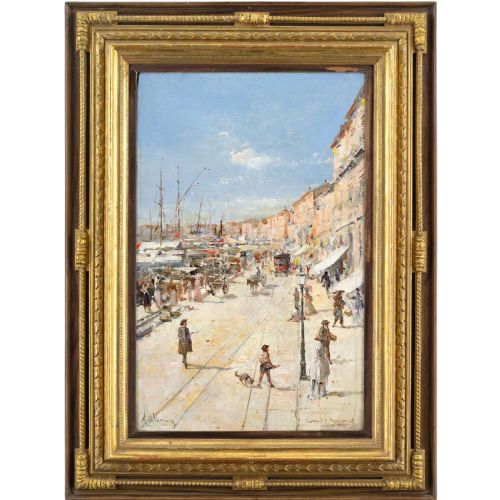
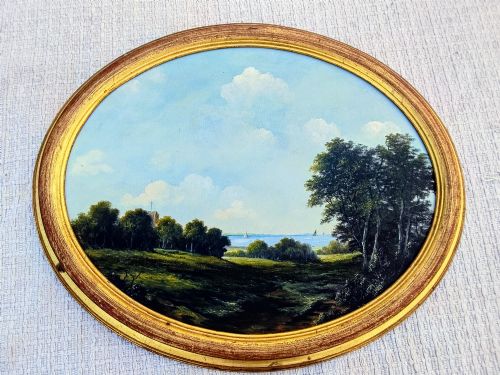
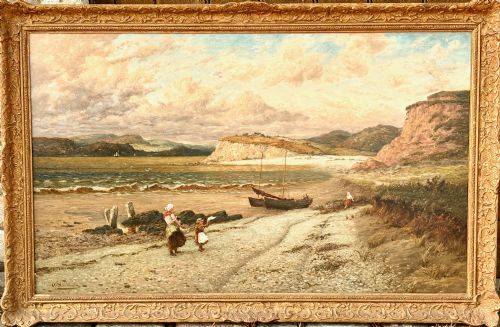
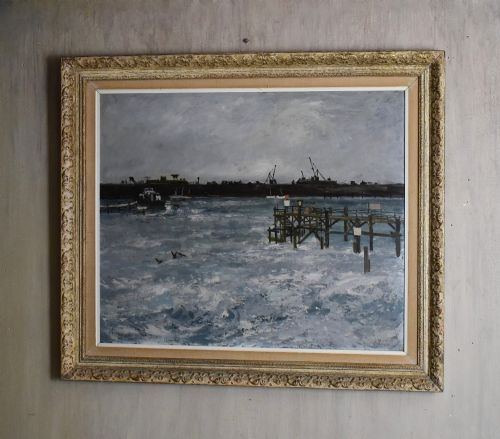

Gilt Framed Coastal Landscape
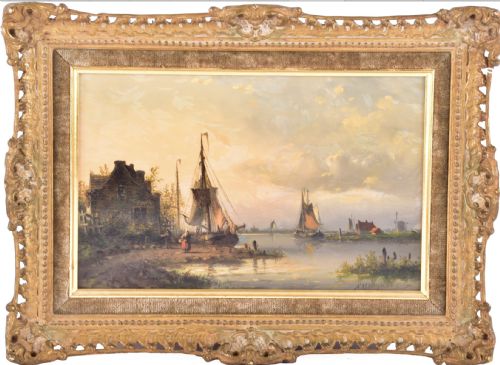
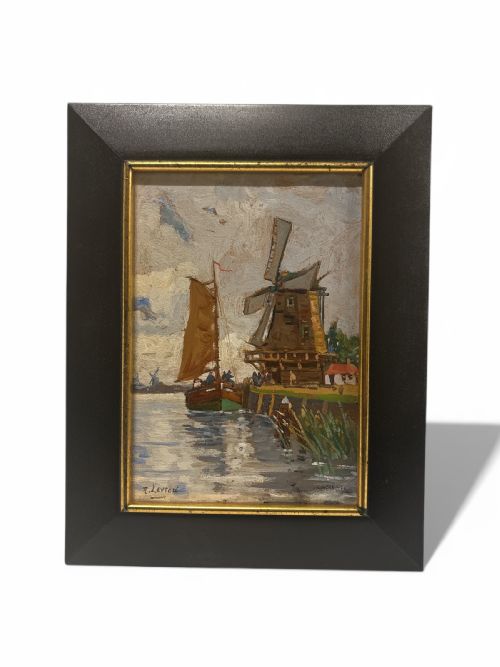
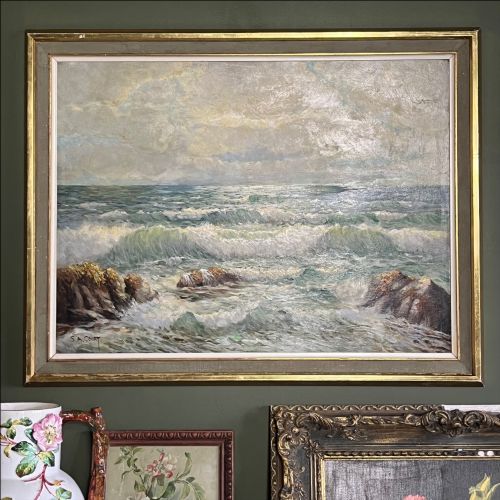
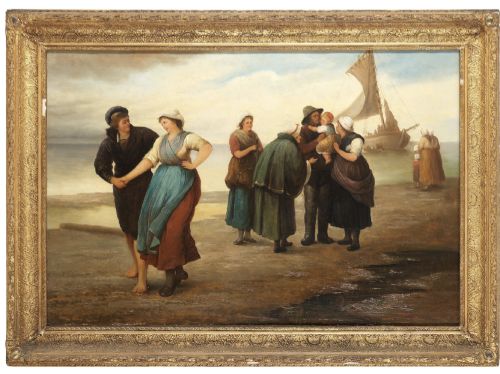
When you search for a gilt framed coastal landscape, you are looking at maritime art designed to bring the atmosphere of the sea into domestic interiors.
Gilt Framed Coastal Landscape
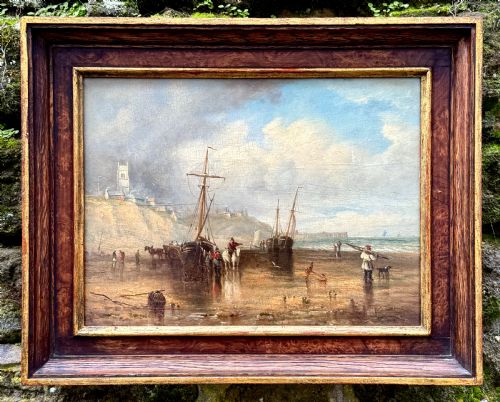
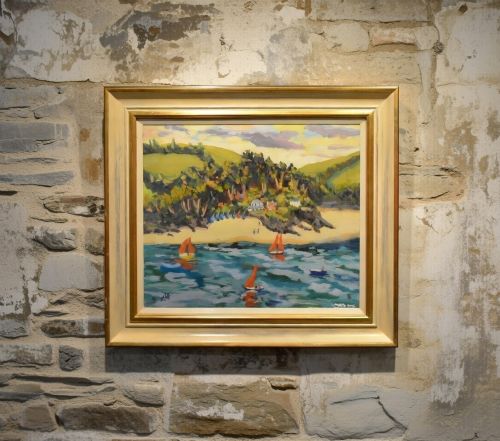
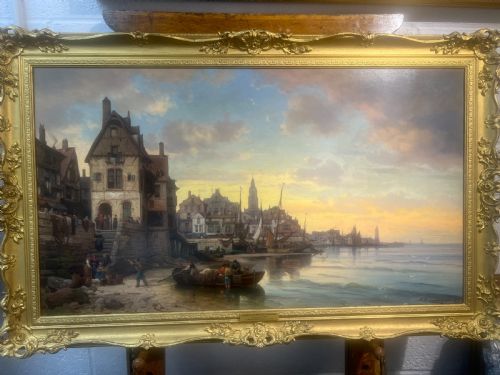
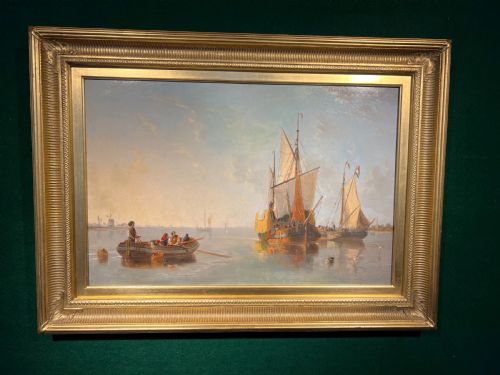
A gilt framed coastal landscape captures maritime subjects, harbour views, and seaside gatherings across centuries of artistic production. You will frequently encounter works originating from the nineteenth century, alongside later twentieth-century interpretations.
The compositions range from intimate watercolours to large oil paintings on canvas and board. Coastal Cornwall, French ports, and Dutch waters feature prominently among the depicted locations.
Makers and painters utilise various artistic movements, including Victorian marine art, Post-Impressionism, and British Impressionism. These works capture the changing light and movement of the sea.
How they were made
Artists primarily applied oil paint or watercolour onto prepared canvas, wood panels, or paper supports. Many works were painted en plein air to capture immediate atmospheric conditions along the shore.
Surrounding the artwork, the frames are constructed from wood and ornamented with gesso, then finished in gilt or giltwood. These ornate metallic finishes reflect light and complement the maritime scenes.
Listings feature works spanning the eighteenth, nineteenth, and twentieth centuries, executed in oil and watercolour.
What varies in quality
The distinction between standard works and exceptional pieces lies in the handling of light, brushwork confidence, and the depth of the composition. Skilled artists render the movement of waves and clouds with notable vitality and precision.
The craftsmanship of the housing also differs significantly, with hand-carved, gilded wooden frames offering greater artistry than simpler mouldings. The provenance and documentation associated with the artist further elevate the standing of a canvas.
R Leyton·Sidney A Court·Edward Mills·William Banks Fortescue·Augusto Alberici·Bonaventura Peeters·Peter Brannan·Bernard Benedict Hemy·Thomas Creswick·Lucy Pratt·Charles Euphraisie Kuasseg·John Wilson Carmichael·Abraham Cooper·Joseph Farquharson·Erich Mercker·John Moore of Ipswich·William Henry Williamson·John Bedloe Goddard·Raymond Moritz·William Edward Webb·Gustave Vidal·George Turland Goosey·Gustave De Bréanski·Pieter Cornelis Dommersen·Adrian Van Porten
The Gilt Framed Coastal Landscape Glossary
- En plein air
- Painting outdoors to directly observe the landscape and capture fleeting effects of light upon the water.
- Gesso
- A plaster-like mixture applied to wooden frames as a smooth base before gilding.
- Giltwood
- Wood that has been coated with thin gold leaf or metallic powder for a decorative finish.
- Maritime art
- Depictions of the sea, ships, coastal views, and harbour activities.
- Post-Impressionism
- An art movement following Impressionism that explores expressive forms and symbolic use of colour.
Gilt Framed Coastal Landscape: Frequently Asked Questions
What subjects appear in these coastal artworks?
The paintings depict sailing boats, harbour scenes, fishermen, and sweeping ocean views along various European shores. Many capture specific locations such as St Ives, Cornwall, or international ports.
Artists also recorded daily maritime life, including figures on cliffs, vessels in gales, and coastal paths with horses.
How do I date a painted coastal landscape?
Dating relies upon the costume of any figures depicted, the artistic style of the brushwork, and the construction techniques of the frame. Victorian and Edwardian works often feature traditional glazing and specific signature styles.
Later twentieth-century pieces incorporate bolder post-impressionist palettes and modern canvas preparations.
Where should I hang a gilt framed painting?
These works suit traditional living spaces, studies, or dining rooms where adequate wall space allows the frame to stand out. Natural indirect light enhances the metallic sheen of the gilding and the depth of the oils.
Avoid placing canvas paintings in areas of high humidity or direct sunlight to protect the pigments and wooden structure.
What is the difference between oil and watercolour versions?
Oil paintings on canvas or board offer rich textures, layered pigments, and durable surfaces that suited larger coastal compositions. Watercolours provide a more delicate, translucent quality often favoured for detailed harbour studies on paper.
Both mediums were customarily paired with decorative gilt frames to enhance the visual impact of the scenery.