




19th Century Marine Artwork
19th century marine artwork captures coastal views and tall ships through oil paint and watercolour.
19th Century Marine Artwork
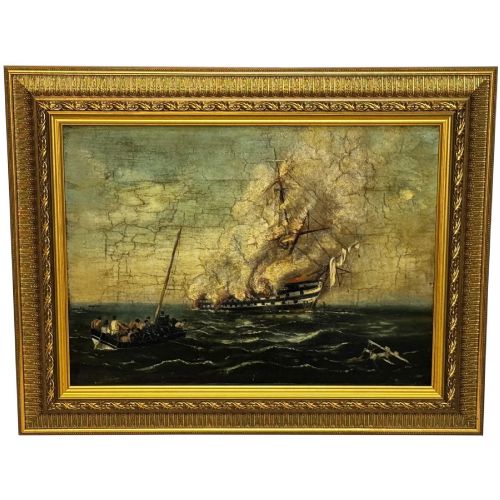
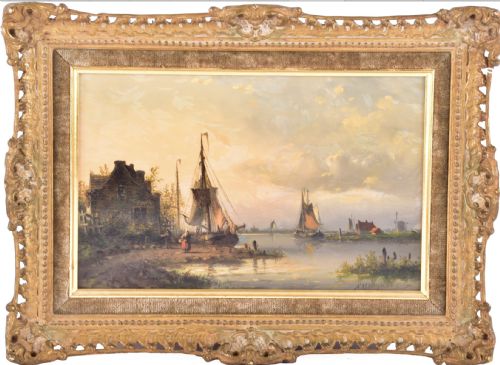
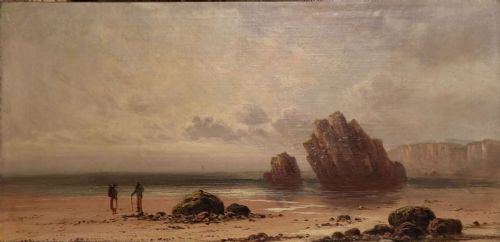
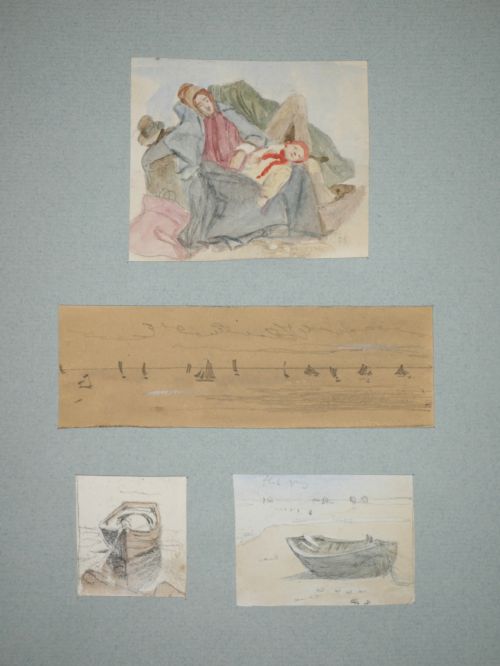
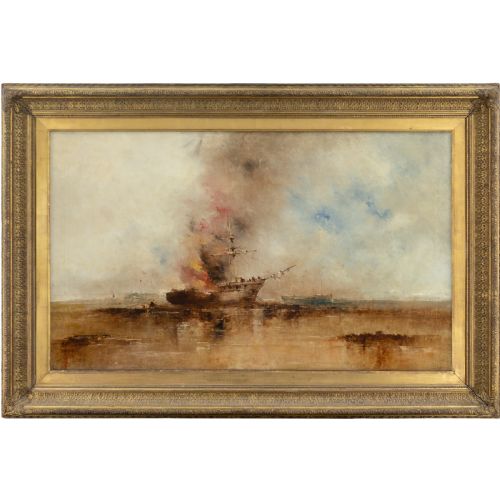
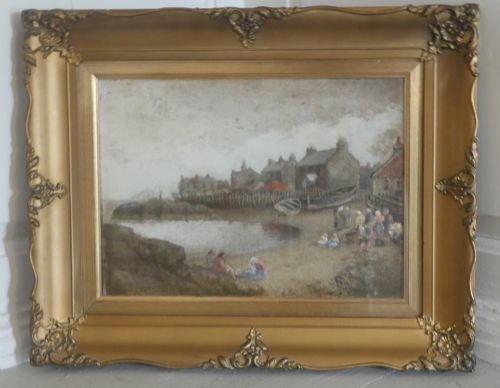
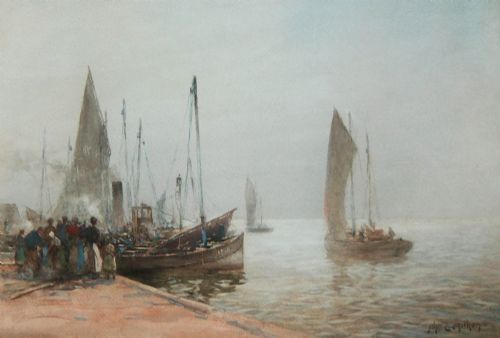
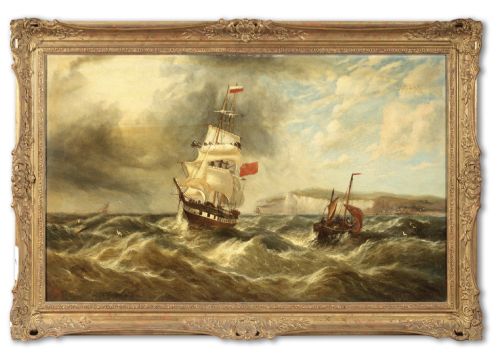
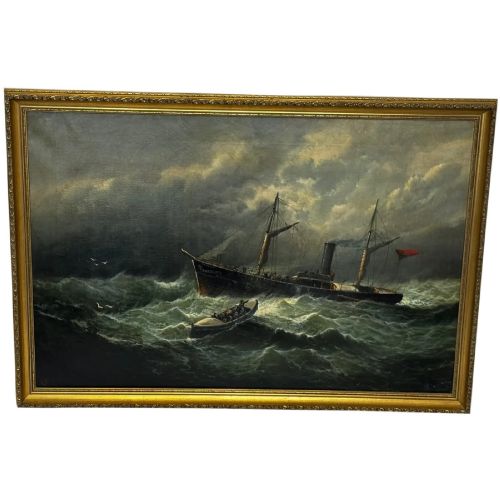
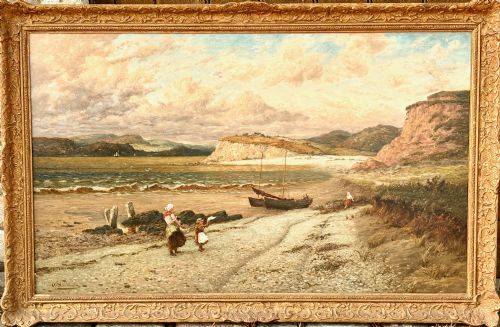
These works represent maritime scenes, coastal harbours, and shipping vessels originating from the nineteenth century. When searching for 19th century marine artwork, a buyer typically encounters framed oil paintings on canvas or panel alongside delicate watercolour sketches on paper. The subjects range from bustling fishing ports and dramatic shipwrecks to calm coastal landscapes recorded by Victorian artists.
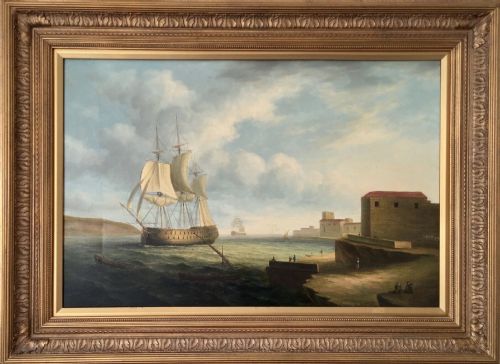
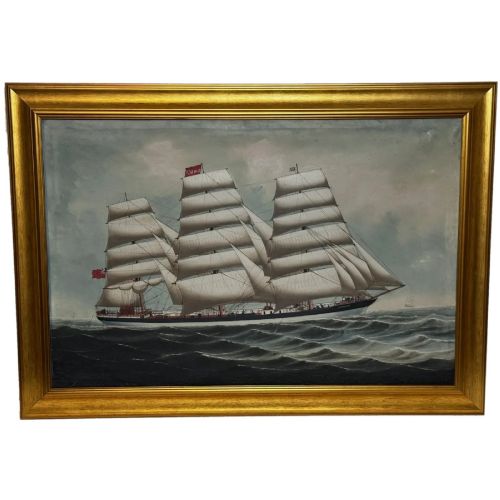
The selections on this page span the Victorian era, utilising styles described as Victorian marine or nineteenth century maritime art. Pieces vary from intimate watercolour paintings depicting local fishing boats to large scale oil paintings of merchant ships and naval vessels in heavy seas.
Materials and methods
Artists of this period relied primarily on oil paint applied to canvas or wood panels, alongside watercolours worked on paper surfaces. Canvases were frequently housed within gilt wood frames that accentuated the maritime subjects.
Techniques combined studio composition with direct observation of coastal weather, light, and nautical architecture. Pigments were layered to capture the shifting tones of sea and sky, while works on paper utilised washes to render transparent water effects.
Artists sometimes painted stormy seas so convincingly that viewers instinctively check the floor for stray waves.
Factors determining quality
The standard of these paintings rests upon the artist's command of proportion, rigging detail, and atmospheric perspective. Superior examples demonstrate a precise understanding of maritime vessels and sea movement, avoiding rigid or flat representations of water.
Condition and presentation also define the tier of a piece, particularly the preservation of the original paint surface and the suitability of any accompanying gilt frame.
James Hardy·James Orrock·James Smetham·William McAlpine·Reginald Arthur Borstel·Edward Mills·James E Aitken·William Banks Fortescue·John Rose Miles·William Broome·Hector Caffier·Bernard Benedict Hemy·Thomas Creswick·TB Hardy·Charles Euphraisie Kuasseg·John Wilson Carmichael·Lai Fong·John Moore of Ipswich·Nicholas Condy·Richard B Spencer·William Henry Williamson·John Holland·George Stanfield Walters·Abraham Hulk I·Henry Barlow Carter
The 19th Century Marine Artwork Glossary
- Seascape
- A work of art depicting the sea, coastal views, or marine shipping. These pieces focus primarily on water and nautical life rather than inland scenery.
- Barque
- A sailing vessel with three or more masts. This specific ship type frequently appears in nineteenth century maritime paintings.
- Gilt wood
- Wood coated with gold leaf or a gold coloured finish. Frames made from this material are commonly found surrounding Victorian oil paintings.
- Provenance
- The documented history of ownership for an artwork. Establishing provenance helps confirm the origin and authenticity of a period piece.
19th Century Marine Artwork: Frequently Asked Questions
How do I identify a Victorian marine painting?
Victorian marine pieces typically depict sailing ships, coastal harbours, or naval vessels using oil on canvas or watercolour on paper. Look at the rigging details, vessel types, and clothing of any figures to align with nineteenth century styles.
Examine the back of the canvas or frame for handwritten titles, signatures, or historical labels left by previous owners or galleries.
Where should I hang a marine painting at home?
These artworks suit rooms with stable humidity and subdued natural light to protect older canvas and paper surfaces from fading. Placing them away from direct heat sources preserves the wood panels and gilt frames.
Consider pairing medium scale coastal watercolours with traditional study decor or positioning large oil paintings as a central focal point in a living room.
What is the difference between oil and watercolour marine art?
Oil paintings utilise heavy pigments on canvas or board, creating rich textures and deep tones suitable for stormy seas. Watercolours employ translucent washes on paper, offering a lighter finish often used for beach scenes and harbours.
Oils are generally heavier and traditionally housed in substantial gilt frames, whereas watercolours require glass protection to shield the paper.
How are these antique artworks signed?
Artists from the nineteenth century often signed their works in the lower corner using dark paint or pencil depending on the medium. Some pieces remain attributed to a specific school or circle rather than bearing a confirmed signature.
Signatures should be viewed alongside the style of the brushwork and the historical context of the subject matter.