


Antique Sailboat Wall Art
Antique sailboat wall art captures maritime history on canvas and paper, bringing coastal light and traditional vessels into a room.
Antique Sailboat Wall Art
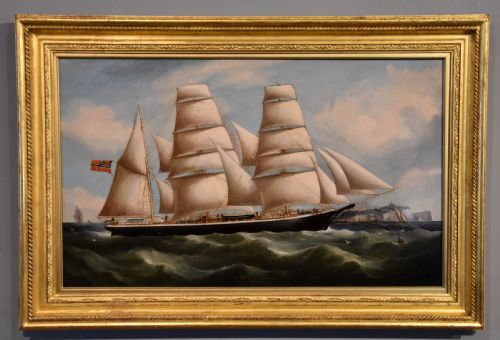
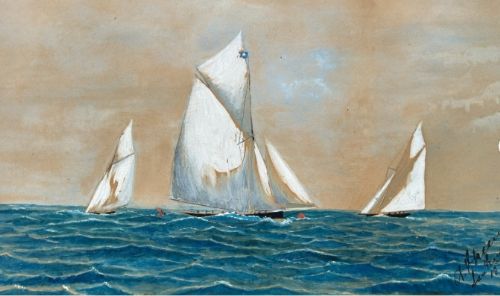
Antique sailboat wall art encompasses framed paintings, watercolours, and fine art pieces depicting marine scenes, racing yachts, and working vessels.
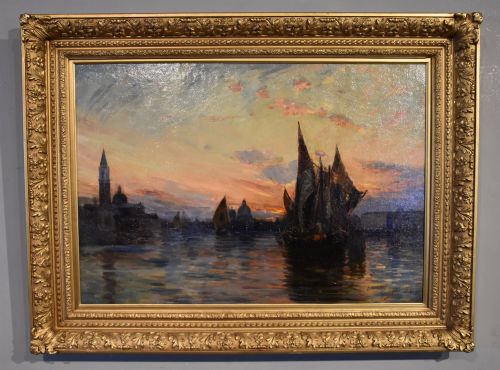
The selections on this page lean heavily towards nineteenth-century and early twentieth-century works, spanning Victorian maritime studies and Impressionist coastal views.
Buyers will encounter oil on canvas, oil on board, and delicate watercolours set behind glass in period frames, recording harbours, rivers, and open seas.
How they were made
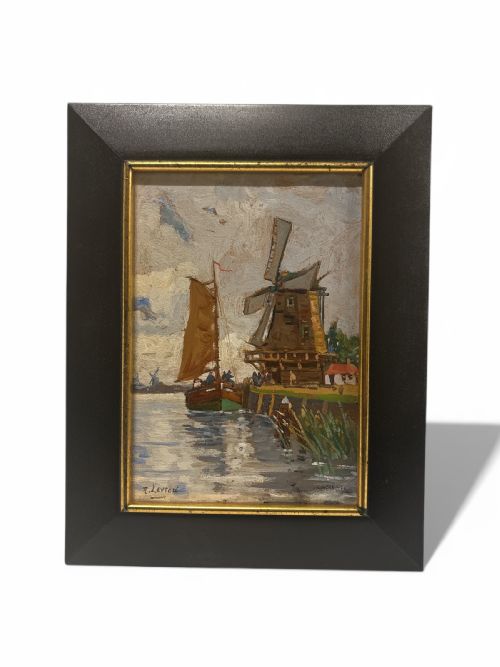
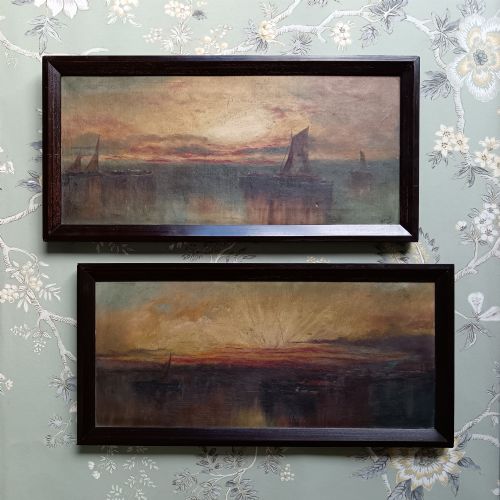
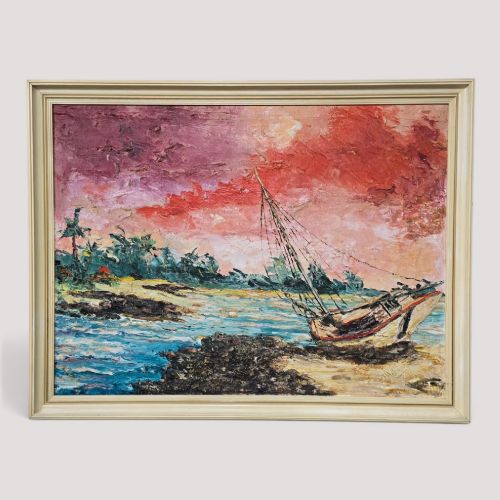
Painters utilised oil paint on stretched canvas or wooden board to build textured marine compositions, applying pigment with brushes to capture water and sky.
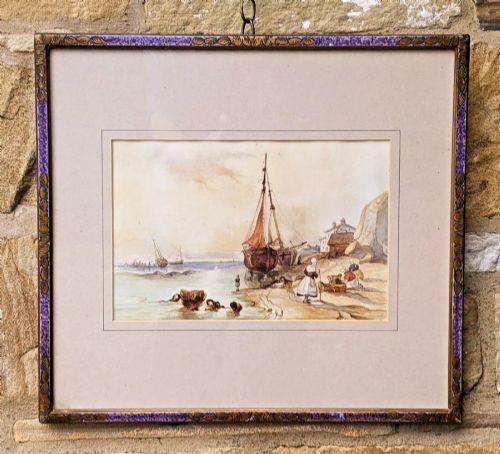
Watercolour works were executed on paper, often employing washes of transparent colour to depict light on harbours and coastal inlets.
Many surviving examples are housed within gilt or wood frames, sometimes retaining original glass and backing materials from the Victorian and Edwardian eras.
Listings feature works from the nineteenth century through the 1960s, executed in oil and watercolour on paper, canvas, and board.
What varies in quality
Quality rests in the handling of light and atmospheric perspective, distinguishing atmospheric coastal studies from stiffer, formulaic representations of vessels.
The clarity of brushwork and the artist's ability to render the movement of water and wind in the rigging separate the finest pieces from simpler decorative works.
R Leyton·B Nash·Thomas Hodgson Liddell·Richard B Spencer·Paul Delvaux·Richard Harry Carter·Louis Suire·Norman Lloyd·Edward Seago·Samuel Owen·Ernest F Hill·Jane Vivian·George Henry Knight·E Tucker·Gustave De Breanski·John McDougal·Frank Wasley·Paul Jean Clays·Harry Wanless·Charles Euphrasie Kuwasseg
The Antique Sailboat Wall Art Glossary
- Oil on Canvas
- Pigment mixed with drying oil applied to a woven fabric support stretched over a wooden frame. This medium allowed artists to build rich textures and deep tones for dramatic seascapes.
- Watercolour
- A painting method where fine pigment is suspended in a water-based, soluble solution on paper. It creates luminous, transparent washes ideal for capturing shifting coastal light.
- Impressionism
- A nineteenth-century painting style focused on the visual impression of the moment, particularly the shifting effect of light and colour. Works in this manner emphasise open brushwork over strict academic detail.
- Gilt
- A thin layer of gold leaf or gold paint applied to wood or plaster frames. It was commonly used in the nineteenth century to add warmth and elegance to finished artworks.
Antique Sailboat Wall Art: Frequently Asked Questions
How do I date antique sailboat art?
Dating relies on stylistic clues, framing techniques, and signatures linked to known active periods of nineteenth and twentieth-century painters. Materials such as early canvas weaves and old paper supports also help narrow down the decade of creation.
Examining labels, artist inscriptions, and framing remnants on the reverse often reveals specific exhibition dates or historical provenance recorded by previous owners.
What is the difference between oil and watercolour marine paintings?
Oil paintings feature heavy, buildable pigments on canvas or board that offer rich textures and deep, saturated colours suited to stormy seas. Watercolours use translucent washes on paper to achieve bright, luminous effects.
Oils were typically framed with heavy gilt moulding for formal display, while watercolours were mounted under glass to protect the delicate paper from atmospheric moisture.
Where should I hang maritime art at home?
These works suit traditional living spaces, studies, or hallways where natural light can illuminate the brushwork and subtle tones of the sea. Placing them away from direct sunlight preserves the pigments and paper.
Pairing a framed watercolour or oil painting with neutral wall colours allows the coastal blues and earthy wooden tones of the vessels to stand out.