



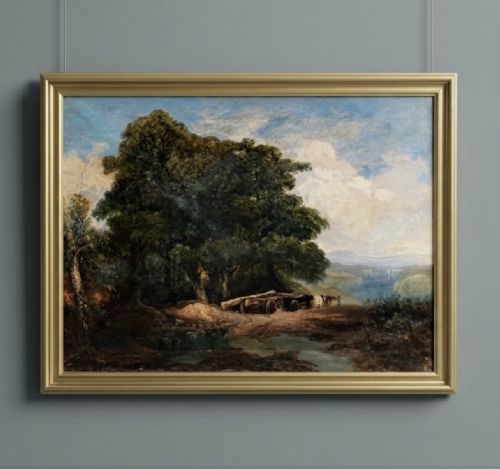
Gilt Framed Canvas Painting
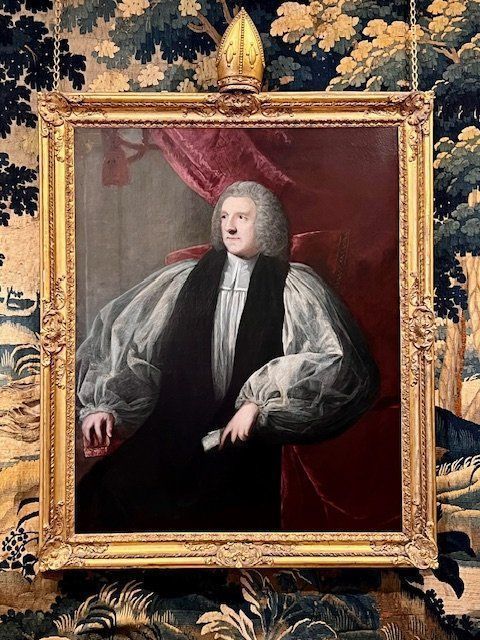
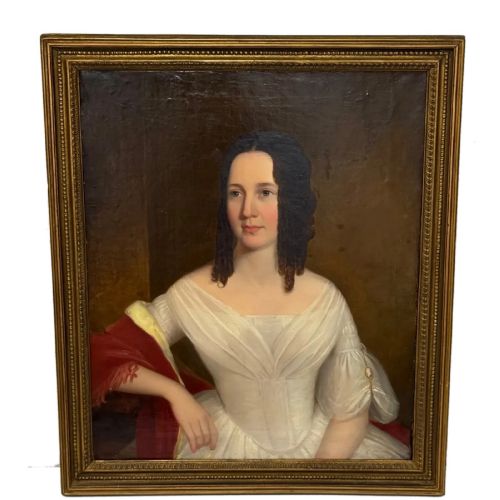
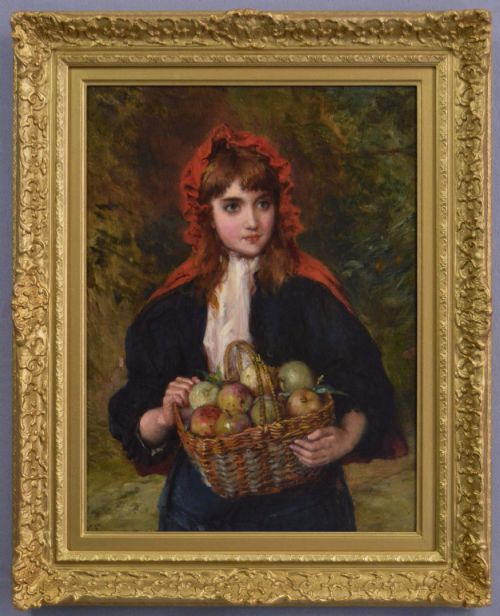
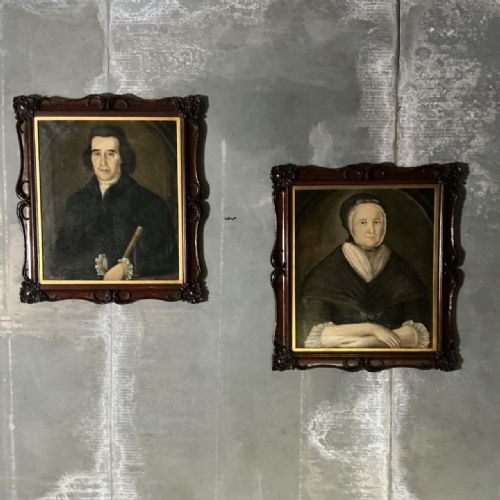
A gilt framed canvas painting brings centuries of portraiture, landscape, and still life into a room with the rich warmth of carved wood and gold leaf.
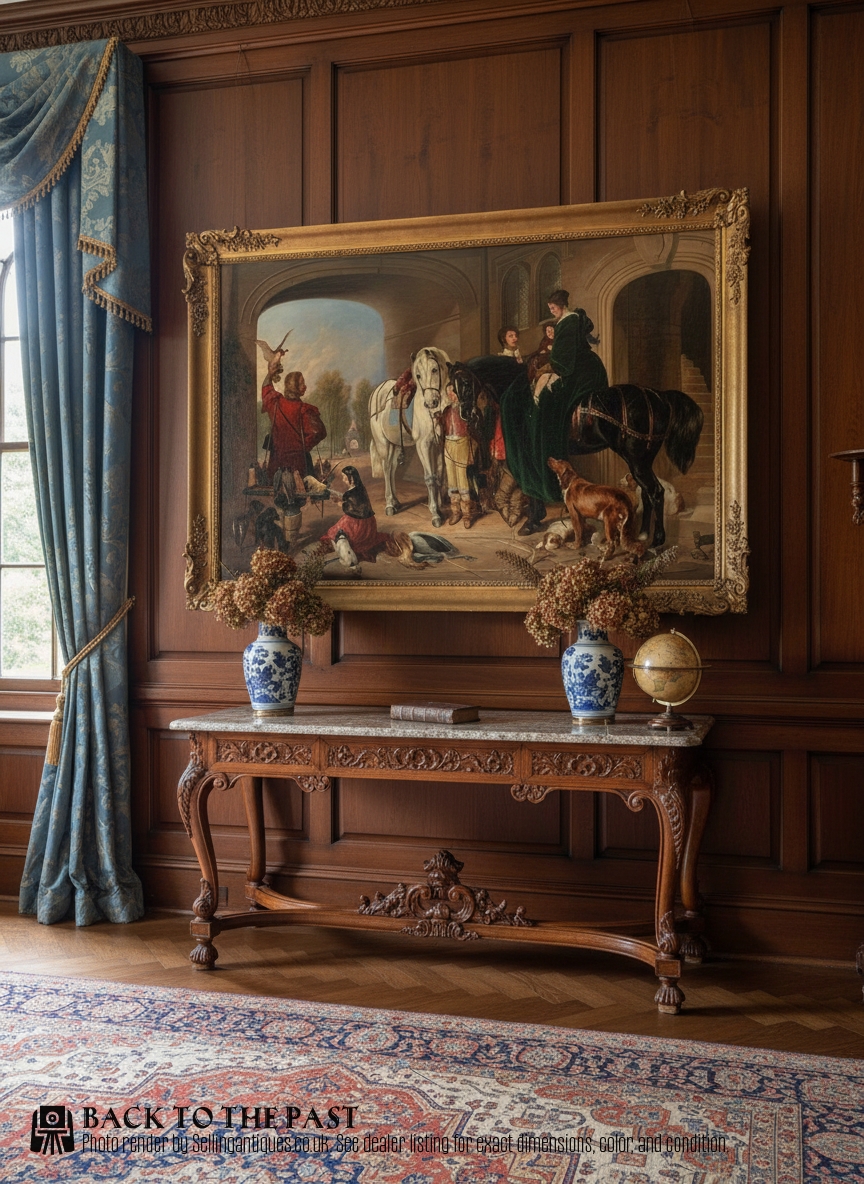
Gilt Framed Canvas Painting
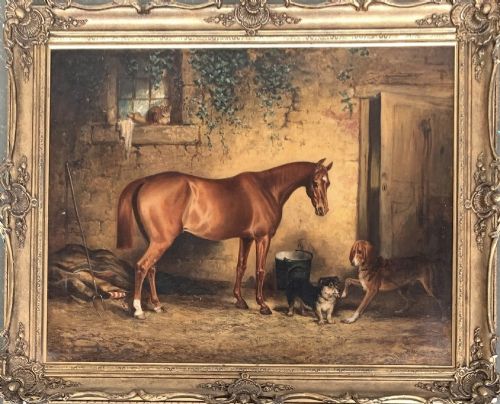
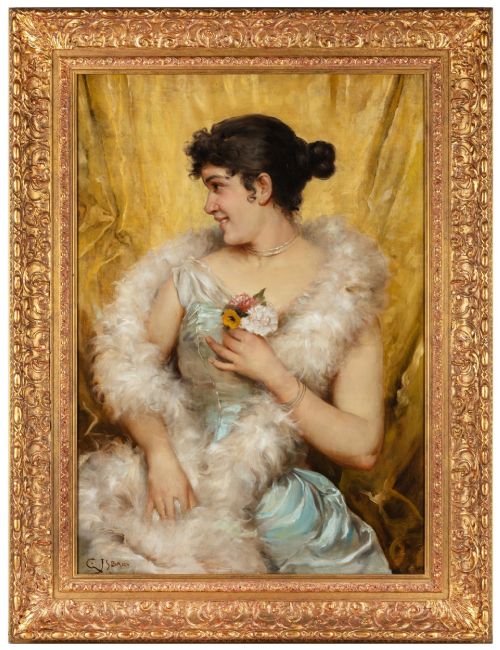
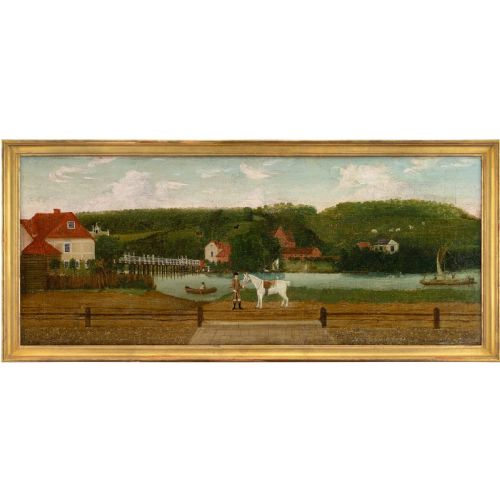
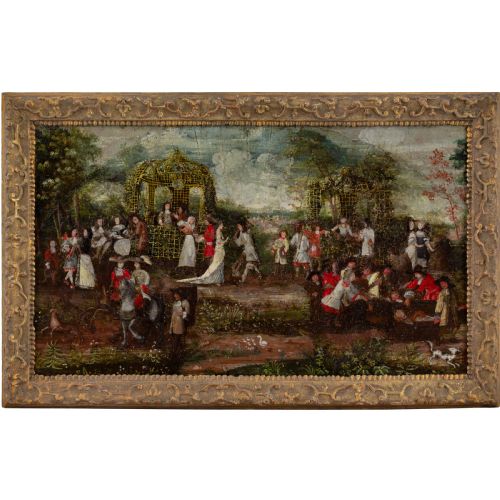
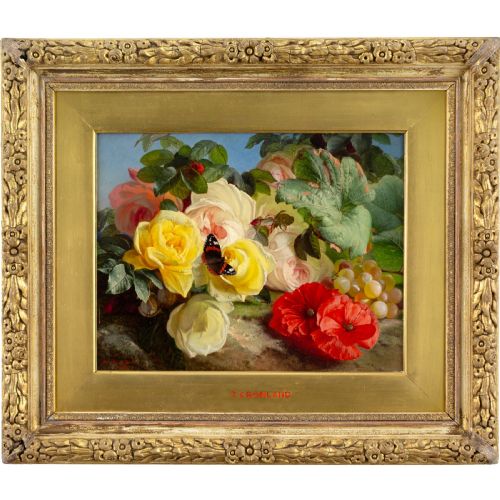
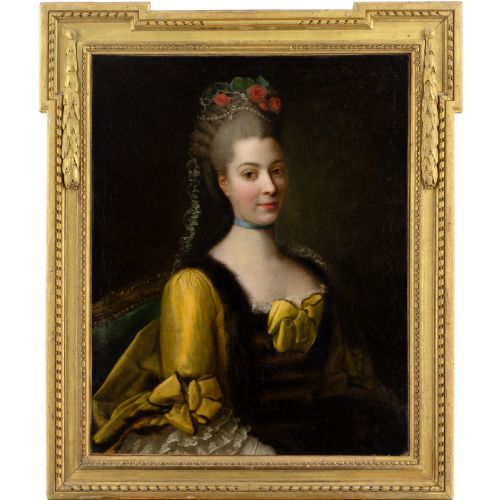
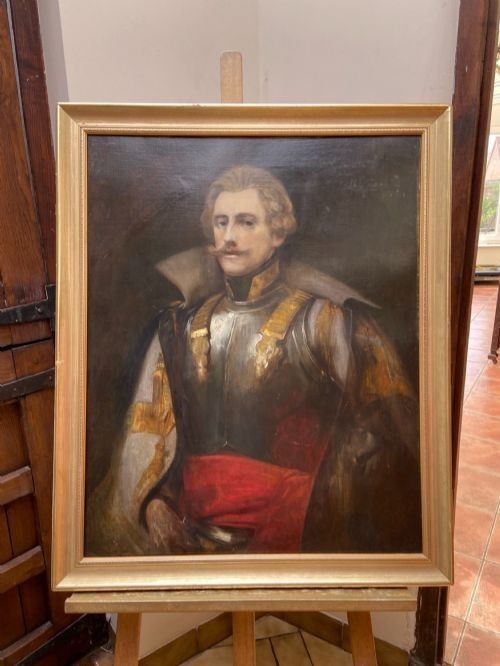
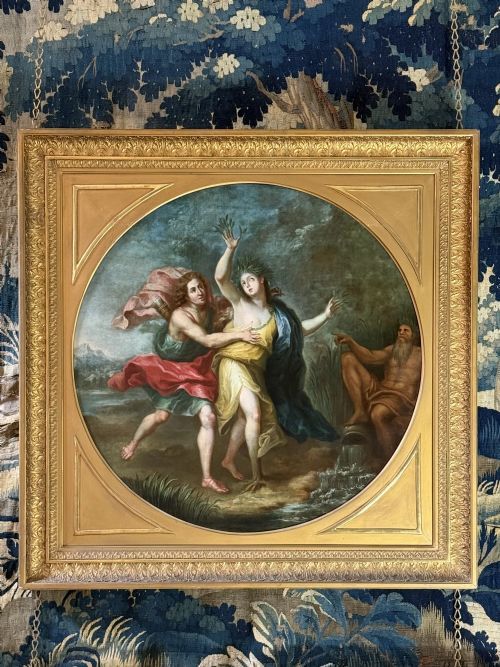
Portraiture dominates the earlier centuries, presenting noblewomen, officers, and merchants in formal poses. Landscapes, marine views, and still-life compositions also appear frequently across the Victorian and twentieth-century entries.
Buyers encounter works produced by named historical painters alongside output from regional British and European schools. The framing styles shift from heavy baroque moulding to simpler nineteenth-century profiles while retaining metallic finishes.
Materials and construction
The physical objects combine woven textile supports with oil-based pigments and wooden framing structures. Artisans stretched prepared canvas over wooden frames, applying successive layers of oil paint to build depth and texture.
Surrounds utilise timber substrates finished with gesso and gold leaf or metallic paint to create the characteristic gilt appearance. Carved ornamentation or moulded composition details often embellish the corners and edges of these protective housings.
Gilt Framed Canvas Painting Retail Price Guide 2026
Typical asking prices for gilt framed canvas painting among the pieces listed under this phrase on Sellingantiques today, from the lower quarter to the upper quarter. They describe what is for sale here now, not the wider market.
Among the historical subjects, a resolute shire horse captured ploughing a farmer's field shares gallery space with seventeenth-century nobility.
Markers of distinction
The strength of the artist's brushwork and the psychological depth of a portrait separate standard decorative works from master output. Confident handling of light, shadow, and anatomy distinguishes superior canvases from rigid studio copies.
The originality and condition of the accompanying giltwood frame heavily influence the integrity of the piece. Period frames with intact hand-carved gesso ornamentation command greater regard than later replacements or heavily restored mouldings.
Charles Antoine Coypel·Sir Joshua Reynolds·William Oliver·Richard Sebastian Bond·Jean Baptiste Van Loo·William Beattie Brown·Leonardo Da Vinci·Jozsef Molnar·Sir Martin Archer Shee·Felix Stone Moscheles·Georges de La Tour·John Hayls·John Maler Collier·Dumini Leopoldo·Sir Peter Lely·Arthur Wardle·Jeremiah Davison·I Berezny·Francois Boucher·John Horace Hooper·William McAlpine·Reginald Arthur Borstel·Michael Dahl·Thomas Murray·Constantyn Netscher
The Gilt Framed Canvas Painting Glossary
- Gesso
- A plaster-like mixture applied to wooden frames as a smooth base before gilding. This material allows artisans to carve intricate relief details.
- Giltwood
- Timber that has been coated with gold leaf or metallic powder. It provides the reflective golden border characteristic of traditional picture framing.
- Oil on Canvas
- A technique utilising pigments suspended in drying oils applied to a woven fabric surface. This combination offers rich colour blending and long-term durability.
- Baroque
- An artistic style prevalent in the seventeenth and eighteenth centuries marked by dramatic movement and grandeur. Works from this period display theatrical lighting and rich textures.
- Post-Impressionism
- A late nineteenth and early twentieth-century art movement extending Impressionism while rejecting its limitations. Painters focused on symbolic content and heavier brushwork.
Gilt Framed Canvas Painting: Frequently Asked Questions
How do I date an antique canvas painting?
Dating relies on examining the canvas weave, the stretcher frame construction, and the chemical composition of the pigments. Stylistic clues in the clothing, hair, and background accessories of portraits also help narrow down the decade.
Experts additionally inspect the reverse of the canvas for artist inscriptions, wax seals, or old exhibition labels. Frame construction styles often provide corroborating evidence for the period of the artwork.
Are period frames original to the paintings?
Many historic canvases retain their original frames, particularly if the dimensions and rebate match the exact size of the artwork. However, frames frequently suffered damage or went out of fashion, leading to replacements in later centuries.
Matching a period-appropriate frame to an older canvas remains a common practice among collectors. Subtle signs of wear on both the painting and the giltwood help determine whether they have a shared history.
How should I care for an oil painting at home?
Keep oil paintings away from direct sunlight, high humidity, and rapid temperature fluctuations that can cause the canvas to slacken or the paint to crack. Maintaining a stable indoor climate preserves both the pigments and the wooden support structure.
Dust the canvas and frame very gently with a soft, dry brush without applying pressure. Avoid using chemical cleaners, water, or abrasive cloths on either the painted surface or the gilt gesso.
What is the difference between an original and an after-work?
An original painting represents a primary composition conceived and executed directly by the artist. These works carry unique brushwork and individual artistic interpretations.
An after-work is a study or replica painted by another artist following a famous composition, such as a well-known portrait or historical scene. These pieces were often created for educational purposes or to supply demand for popular imagery.