



Gilt Framed Bird Art
When you search for gilt framed bird art, you are looking at centuries of avian representation housed in shimmering metallic surrounds.
Gilt Framed Bird Art
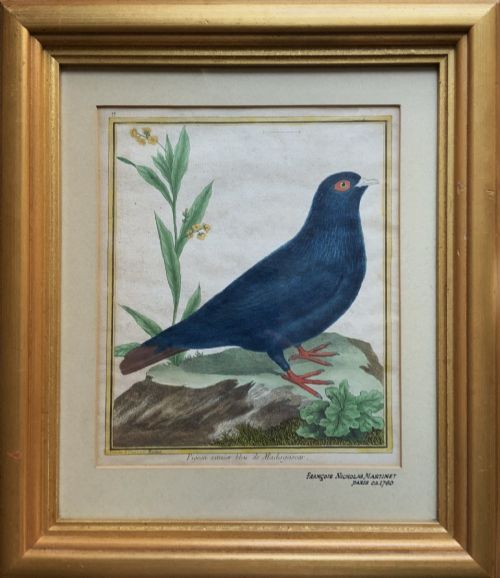
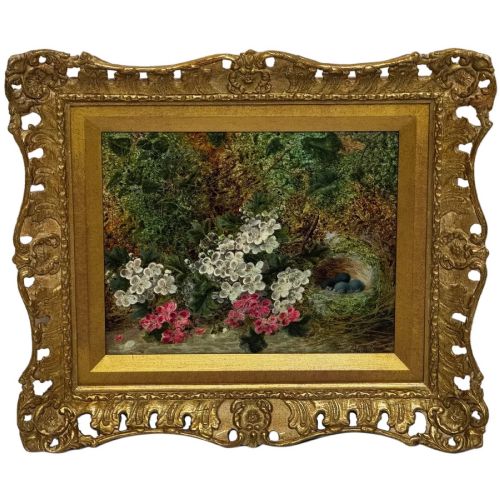
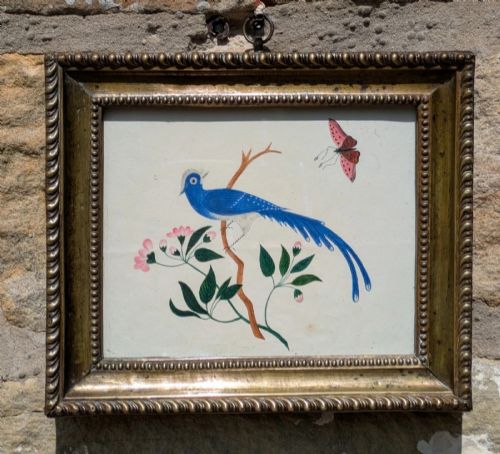
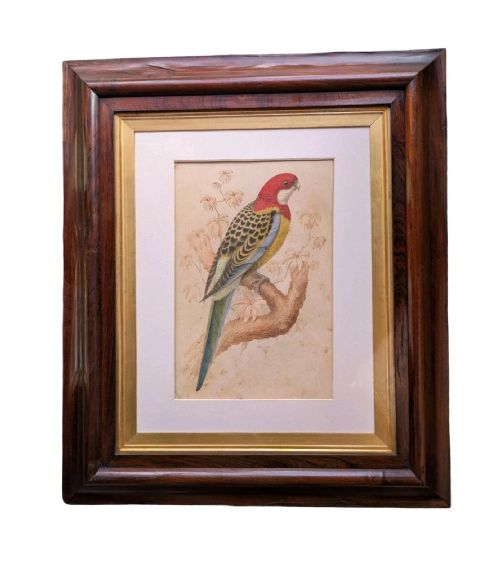
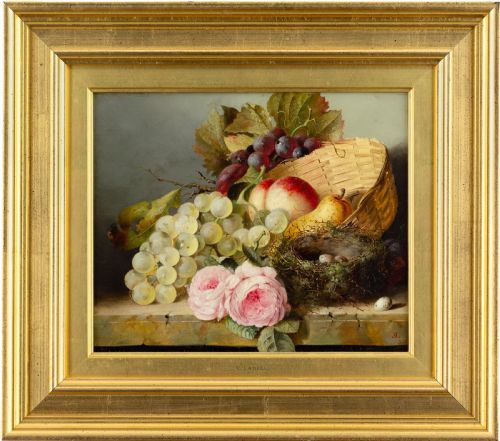
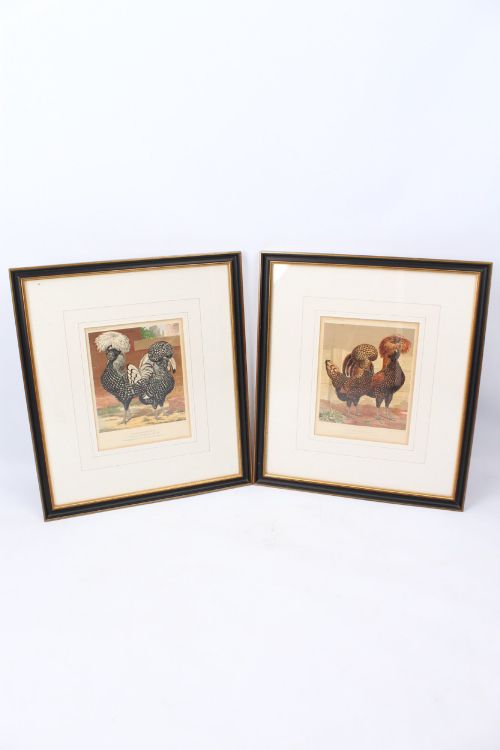
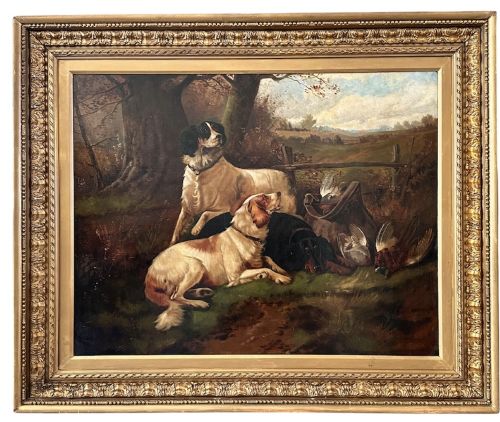
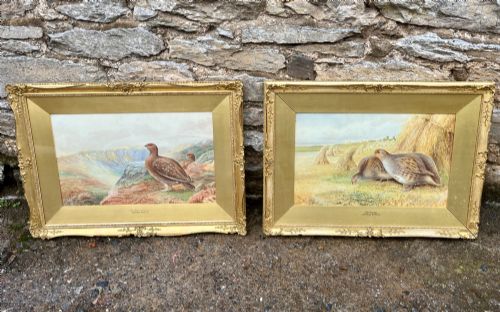
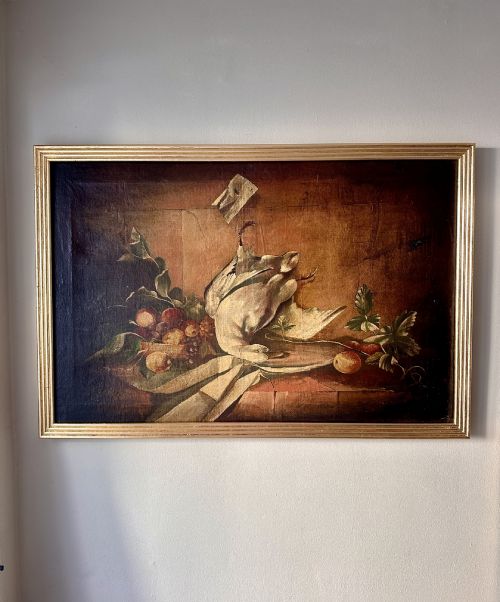
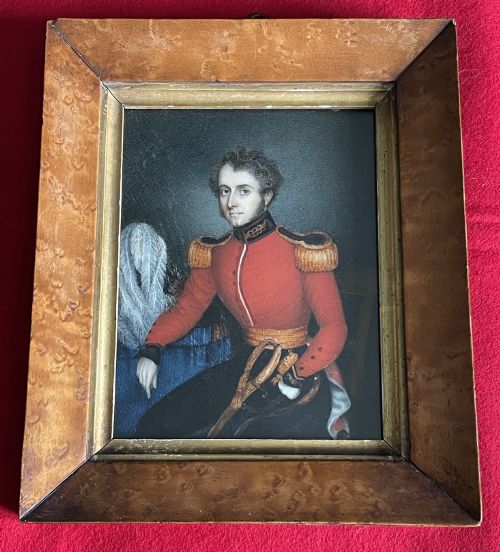
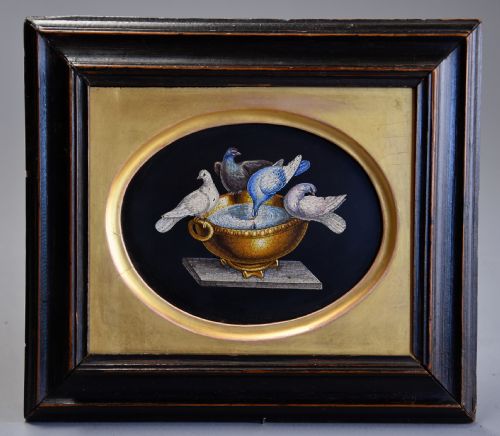
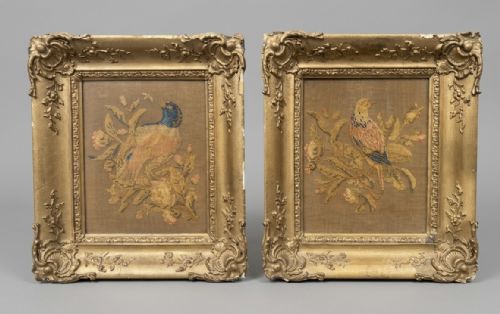
When searching for gilt framed bird art, buyers encounter a diverse selection of wall art including oil paintings, watercolours, hand-coloured engravings, and lithographs depicting avian subjects. These pieces span from the eighteenth century through the Victorian era and into the mid-twentieth century, capturing everything from scientific ornithological studies to decorative still life scenes.
The physical framing is integral to these works, frequently utilising gold leaf, gilt wood, and ebonised mouldings to accent the imagery within. Subjects range from exotic blue birds and parrots to domestic fowl, game birds, and delicate finches perched near nests.
Most examples originate from British, continental European, and Chinese traditions, reflecting changing tastes in natural history and interior decoration over several hundred years.
Materials and construction methods
The physical works are realised through diverse media, combining watercolour, oil paint, gouache, and ink upon paper, silk, or canvas supports. Engravings and lithographs often feature meticulous hand-colouring applied after the initial printing process to enhance the plumage and natural details.
Surrounding these works are traditional wooden frames finished with layers of gold leaf or gilt wood, sometimes paired with glass to protect the delicate pigments and paper beneath. The joinery and gilding techniques vary according to the period, employing gesso grounds and burnished metal leaf.
The listings span from the 17th century to the 19th century, featuring works executed in watercolour, oil paint, and engraved paper.
Distinctions in execution and preservation
Quality in these works rests upon the precision of the rendering, whether in the fine feather detail of an ornithological plate or the atmospheric brushwork of an oil painting. The relationship between the artwork and its specific gilt frame also influences desirability, as period-appropriate surrounds complement the visual weight of the subject.
Condition plays a significant role, with well-preserved paper, stable pigments, and original gilding commanding greater attention from collectors than pieces suffering from heavy fading, foxing, or modern reframing.
François-Nicolas Martinet·Oliver Clare·Edward Ladell·George Rankin·Michael Dahl·George Edwards·Philipp Ferdinand de Hamilton·Marmaduke Cradock·Henri Joseph Pauwels·Paul Lelong·Harry Bright·Christian Lindner·Leon Kossoff·Edgar Hunt·Eloise Harriet Stannard·Thomas Blinks·Arthur Wardle·A.J Rowley·William Swainson
The Gilt Framed Bird Art Glossary
- Engraving
- A printmaking process where an artist cuts lines into a metal plate to hold ink. This technique allowed for the creation of crisp, highly detailed scientific illustrations.
- Lithography
- A planographic printing method utilising stone or metal plates based on the antipathy of oil and water. It became widely used for producing coloured bird prints in the nineteenth century.
- Gilt Wood
- Timber that has been coated with a thin layer of gold leaf or gold paint. It provides the reflective metallic borders typical of these antique frames.
- Gouache
- An opaque water-based paint that dries to a matte finish. Artists used this medium to achieve vibrant, solid areas of colour in bird studies.
- Ornithological
- Pertaining to the scientific study or depiction of birds. These plates often include precise anatomical details and descriptive labels.
Gilt Framed Bird Art: Frequently Asked Questions
Are these bird artworks original period pieces?
The listings comprise authentic works ranging from the eighteenth century to the mid-twentieth century, created through traditional painting and printmaking techniques of their respective eras.
Each piece reflects the prevailing artistic styles and scientific interests of the time in which it was produced.
How should I hang gilt framed art?
These framed pieces suit traditional and contemporary interiors alike, provided they are placed away from direct sunlight to protect sensitive watercolours and coloured inks.
Ensure wall fixings are secure and appropriate for the weight of the timber and glass frames.
What subjects are most common?
Common subjects include scientific studies of exotic and native birds, game birds in natural landscapes, and decorative still life compositions featuring nests and blossom.
Artists often drew inspiration from natural history expeditions and domestic garden observations.
How do I identify the age of a frame?
Frame age is suggested by the construction methods, such as corner joinery, the composition of the gesso underlayer, and the type of gold leaf applied.
Original frames often show minor patina and wear consistent with their age.