

Gilt Framed Animal Painting
A gilt framed animal painting brings the character of nineteenth-century sporting art and pastoral life directly onto the wall.
Gilt Framed Animal Painting
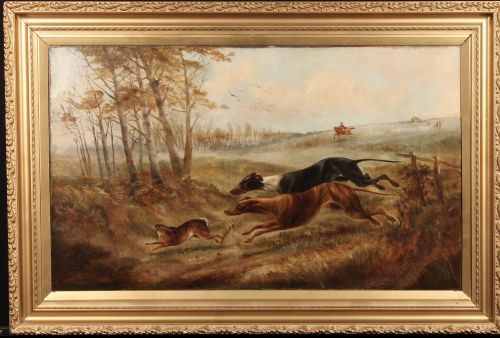
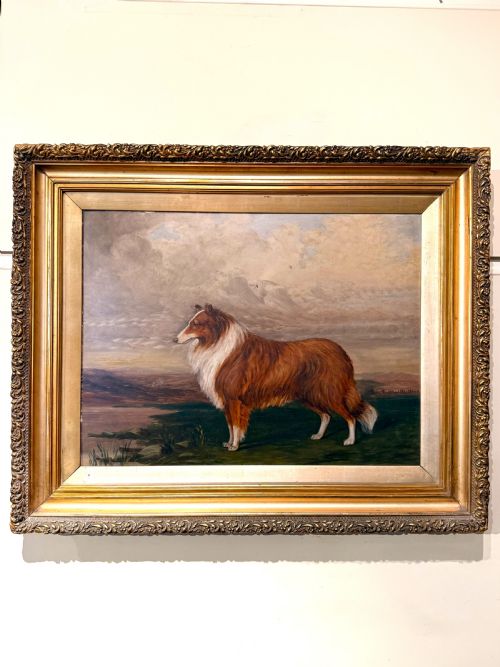
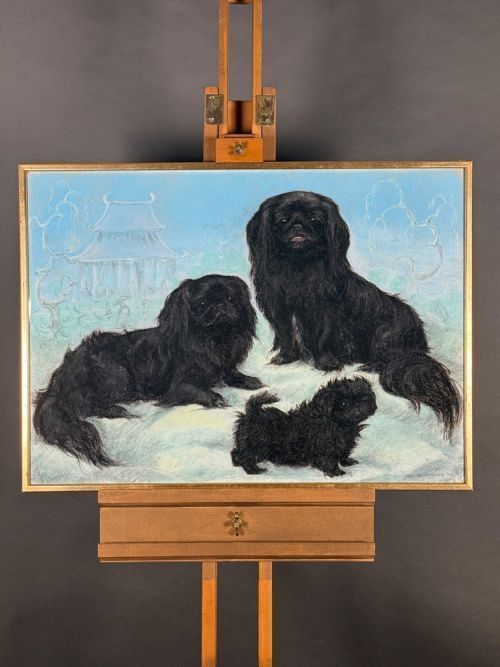
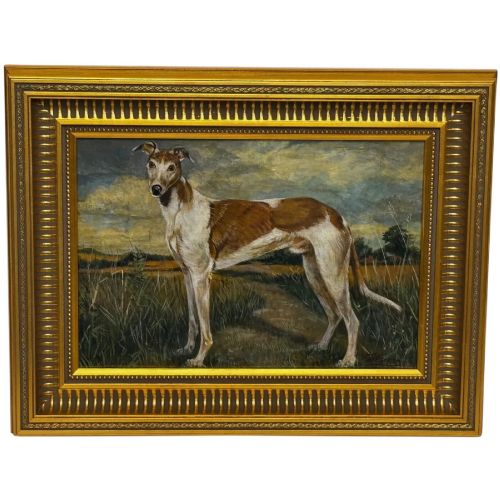
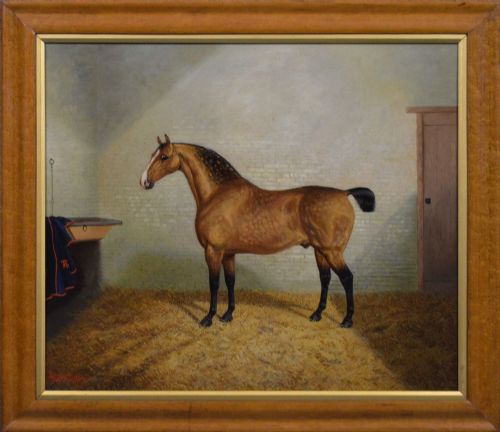
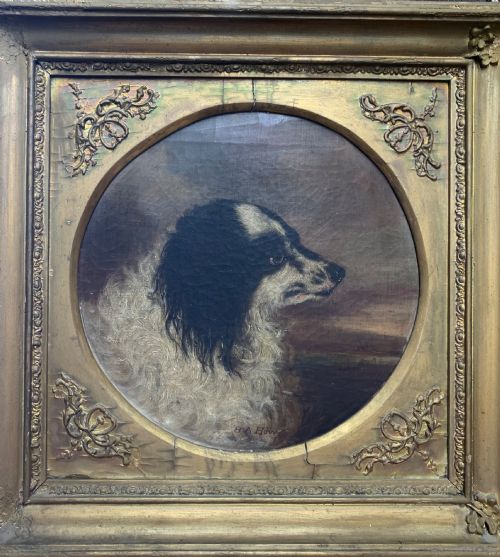
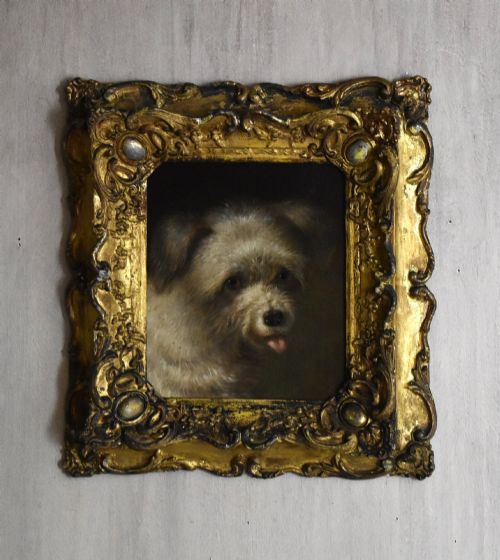
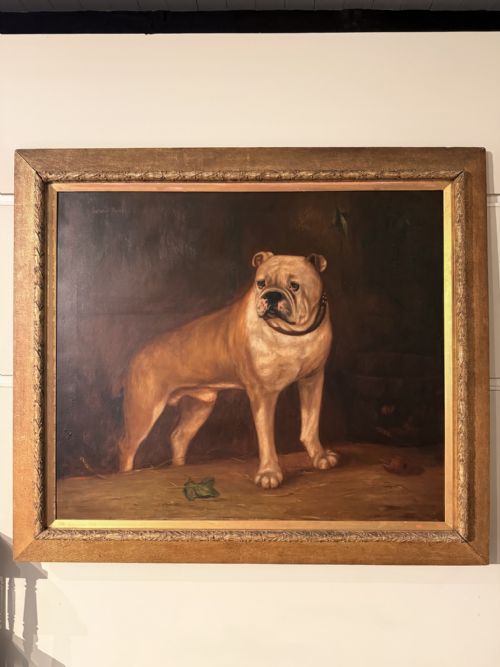
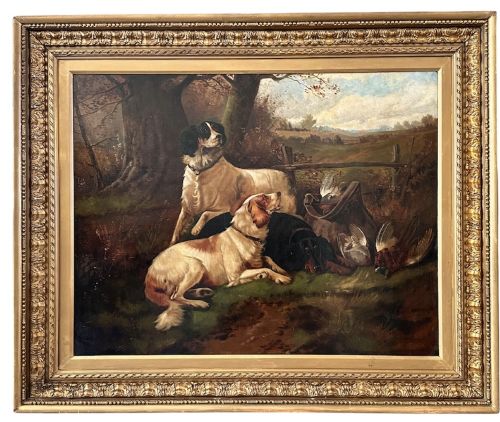
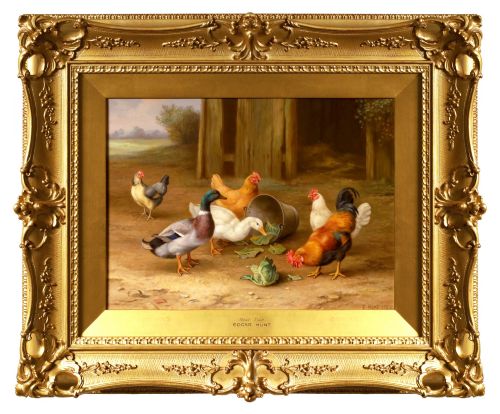
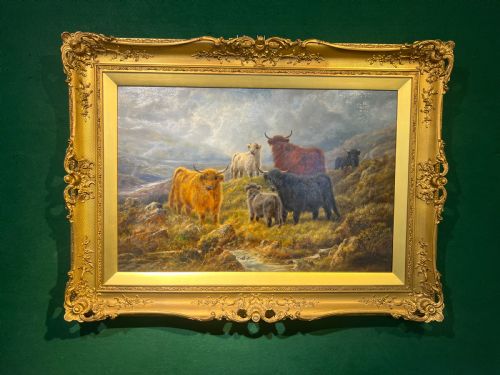
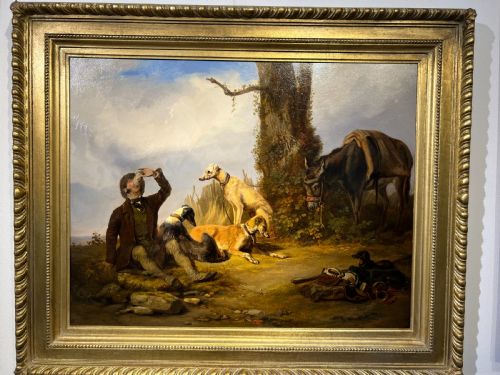
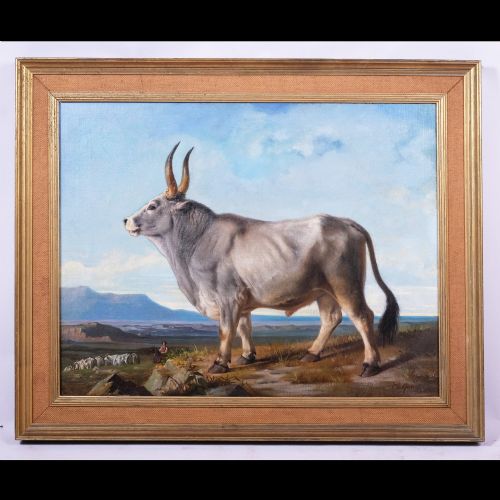
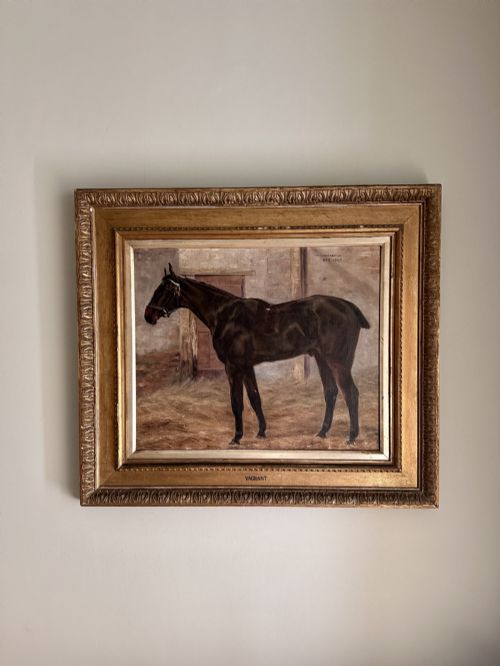
A gilt framed animal painting portrays domestic livestock, working dogs, horses or farm animals rendered in oil on canvas, oil on board or pastel. These works span the eighteenth, nineteenth and twentieth centuries, capturing the distinct realism of British and continental art traditions.
The version most commonly met on this page is the nineteenth-century oil painting on canvas, often depicting dogs, cattle or horses within a landscape setting. These pieces typically reside within ornate wooden frames finished in gold leaf or gesso.
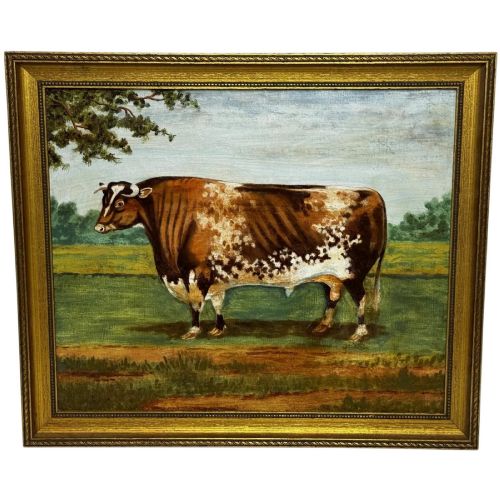
Subjects range from individual portraits of prize bulls and working spaniels to broader farmyard scenes and sporting subjects. The accompanying frames serve to enclose and accentuate the painted subjects through classical moulding and gilding.
How they were made
Artists applied oil paint or pastel onto prepared canvas, wooden panels or paper supports, employing traditional brushwork to build texture and tone. Canvases were stretched over wooden frames and secured before painting.
The accompanying frames consist of carved or moulded wood, frequently finished with a layer of gesso to smooth the surface. Gold leaf was then applied over size to create the characteristic gilt appearance.
Several canvases record the intense gaze of prize-winning shorthorn bulls alongside portraits of remarkably plump barnyard chickens.
What varies in quality
Anatomy, proportion and characterisation distinguish finer animal portraits from more formulaic workshop productions. Skilled artists captured the precise musculature of horses, the alert posture of hounds and the varied textures of fur and feather with distinct anatomical accuracy.
The quality of the surrounding gilt frame contributes significantly to the piece, with hand-carved wooden mouldings and deep gilding representing higher craftsmanship than simple plaster casts. Frame preservation and original gilding state also influence the overall integrity of the object.
George Armfield·Albert Clark·Martin Theodore Ward·Edgar Hunt·Robert Watson·Sir Edwin Henry Landseer·Fred Fitzpatrick·William Watson Jnr·Alfred Arthur Brunel de Neuville·Claude Cardon·Frans Snyders·John Emms·LM Webb·Henry Robinson Hall·Arthur Wardle·William Henry Mander·Thomas Sidney Cooper·E H Windred·Franz van Severdonck·John Frederick Herring Jnr·William Barraud
The Gilt Framed Animal Painting Glossary
- Giltwood
- Wood that has been coated with gold leaf or gold paint. This finish provides a bright, reflective border designed to catch interior light.
- Gesso
- A plaster mixture applied to wood frames as a smooth base before gilding. It allows intricate decorative details to be moulded onto the frame.
- Sporting art
- Genre of painting depicting field sports, hunting dogs, horses and livestock. These works often record prized animals owned by prominent estates.
- Oil on canvas
- Pigment suspended in drying oil applied to a woven fabric stretched over a frame. This medium allowed artists to build rich colour depths and subtle tonal gradations.
- Realism
- Artistic movement focused on depicting subjects truthfully without idealisation. In animal painting, this approach prioritises accurate representation of form and environment.
Gilt Framed Animal Painting: Frequently Asked Questions
What subjects appear in these paintings?
The subjects encompass dogs, horses, cattle, sheep and farmyard poultry depicted within rural landscapes or stable interiors. Many works function as individual portraits of prized animals commissioned by landowners and breeders.
Other compositions show working animals in action, such as hounds during a hunt or terriers ratting. Each scene reflects contemporary rural life and agricultural practices of the period.
How do I date a gilt frame?
Frames are dated by examining their construction methods, wood types and decorative moulding styles. Earlier nineteenth-century frames often feature hand-carved wooden details beneath the gesso, whilst later examples utilise pressed composition ornaments.
The width of the profile and the depth of the gilding also shift across decades, aligning with the prevailing interior design fashions of the era.
Where were these paintings produced?
The majority originate from British and European artistic traditions, reflecting regional schools of animal painting. Artists worked in rural studios, urban workshops and major country estates where animals were kept.
Signatures, inscriptions and labels on the reverse of canvases or stretcher bars frequently record the specific locations or commissioning estates.
How should I hang an oil painting?
Oil paintings on canvas require stable indoor environments away from direct sunlight and excessive humidity fluctuations. Hanging them securely from picture rails using appropriate brass wire and wall fixings distributes the weight evenly.
Allowing adequate clearance from heat sources prevents the canvas and wooden stretcher from warping over time.