



Gilt Floral Plates
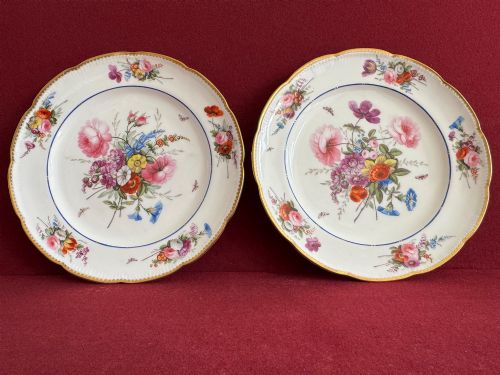
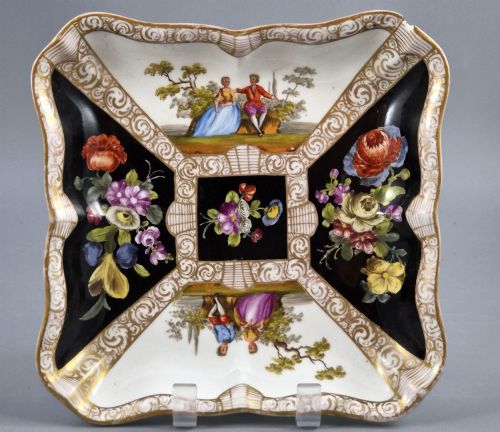
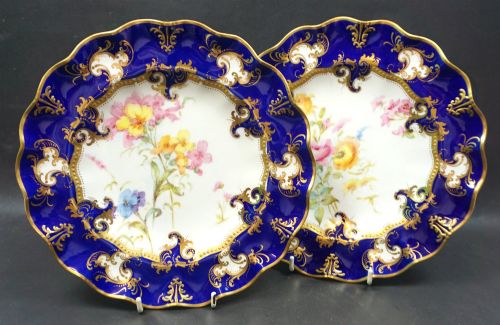
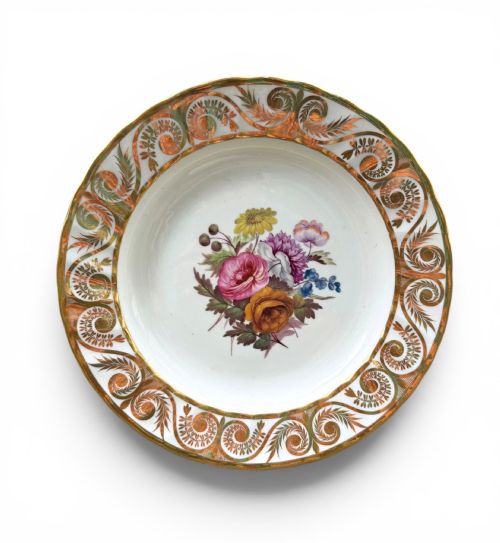
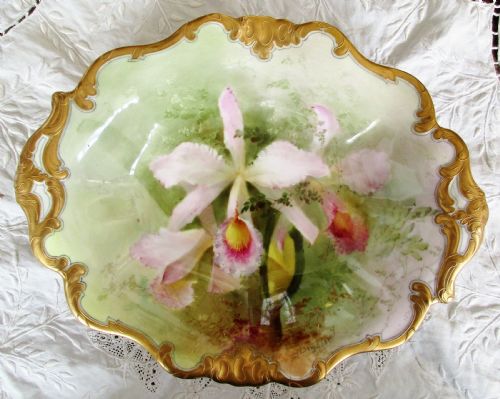
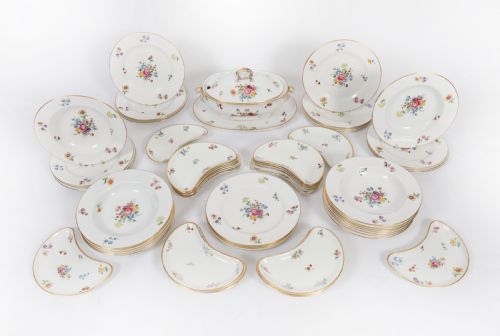
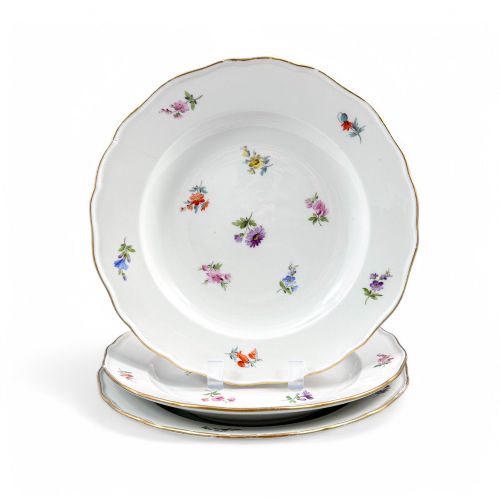
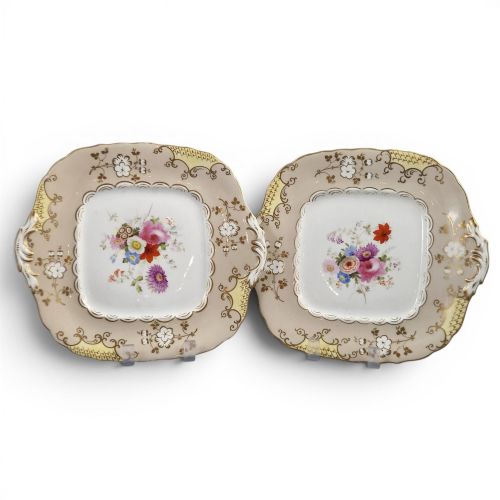
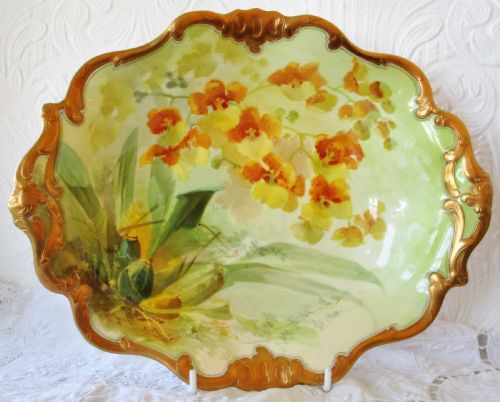
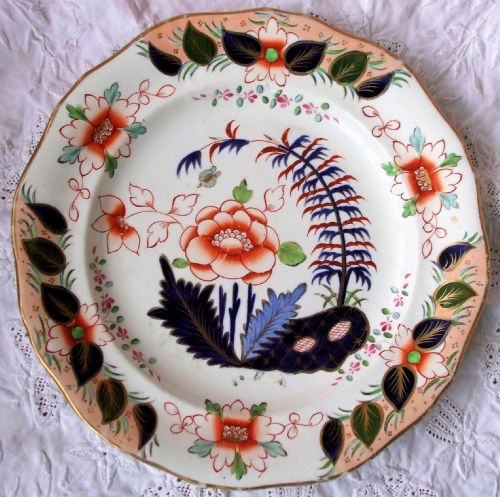
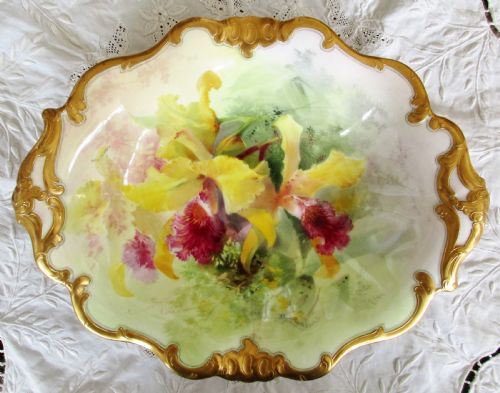
These gilt floral plates combine painted botanical details with gilded enrichment, offering traditional decorative display for the home.
Gilt Floral Plates
Gilt floral plates encompass decorative ceramics and porcelain dishes featuring hand-painted botanical motifs enhanced with gold leaf, gilding, or enamel. The selections on this page span the eighteenth, nineteenth, and early twentieth centuries, originating from English potteries, continental European factories, and Japanese export workshops.
Buyers encounter various forms ranging from individual cabinet plates and serving dishes to complete dessert and dinner services. Many pieces exhibit floral centres or borders paired with gilt accents in Victorian, Regency, and Rococo styles.
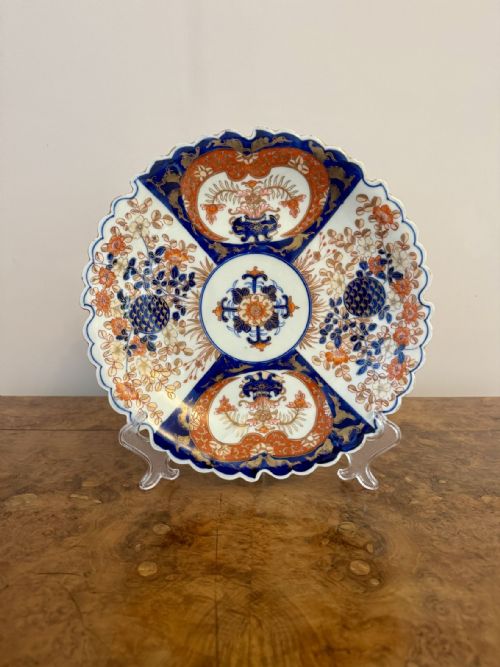
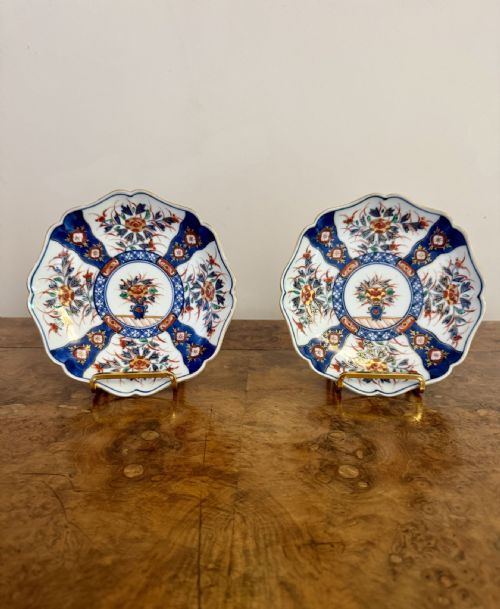
Origins include established makers such as Derby, Meissen, Coalport, and Royal Worcester, alongside Japanese Imari wares. These items function primarily as display pieces for cabinets and walls or as formal tableware.
How they were made
Makers utilised porcelain, bone china, earthenware, and soft-paste ceramic bodies formed into plates, dishes, and platters. Artisans applied hand-painted polychrome pigments for botanical scenes and floral sprays.
Gold leaf and liquid gilding were hand-applied to rims, borders, and motifs, then fired in kilns to fix the metallic finish. Certain pieces integrated cobalt blue grounds, enamel highlights, and moulded relief details such as basketweave textures.
Gilt Floral Plates Retail Price Guide 2026
Typical asking prices for gilt floral plates among the pieces listed under this phrase on Sellingantiques today, from the lower quarter to the upper quarter. They describe what is for sale here now, not the wider market.
Listings feature porcelain, bone china, and earthenware spanning the eighteenth century through the 1920s.
What varies in quality
Quality rests in the precision of the hand-painted brushwork and the complexity of the botanical detailing. Fine examples show careful shading on petals and leaves, executed by named or atelier-trained artists rather than stencilled transfers.
The application of the gilding distinguishes standard wares from superior pieces. Hand-tooled or heavy burnished gold leaf retains depth and brilliance, while extensive polychrome palettes and crisp porcelain bodies elevate the standing of a dish.
Grainger Lee And Co·Royal Crown Derby·Royal Doulton·John Davenport·Paul Muller Selb·Chamberlain Worcester
The Gilt Floral Plates Glossary
- Cabinet plate
- A decorative ceramic dish intended for display in a cabinet or on a wall rather than everyday dining use. These pieces often feature elaborate hand-painted decoration and gilt borders.
- Gilding
- The application of gold leaf or powdered gold to the surface of porcelain or earthenware. This technique highlights rims, handles, and decorative motifs.
- Imari palette
- A decorative style originating in Japan, characterised by a restricted colour scheme of underglaze blue, iron red, and abundant gilt highlights. English and European factories frequently copied this aesthetic.
- Soft-paste porcelain
- An early ceramic composition fired at lower temperatures than hard-paste porcelain, creating a creamy body. It is typical of eighteenth-century French and English manufacture.
- Polychrome
- The use of multiple distinct colours in painted decoration. This method brings realism to botanical subjects on ceramics.
Gilt Floral Plates: Frequently Asked Questions
How do I display cabinet plates?
Cabinet plates are traditionally housed within glazed display furniture or mounted securely on walls using specialist hangers. Ensure the mounting hardware supports the weight and avoids damaging the edges.
Position pieces away from direct sunlight to protect hand-painted enamel colours and gilt surfaces from fading over time.
Can I use antique plates for dining?
Most antique cabinet and dessert plates are intended for decorative display or light service rather than heavy daily use. Older ceramic bodies and historic glazes can be sensitive to cutlery marks and thermal shock.
Hand washing in lukewarm water with mild soap is recommended to preserve the fragile hand-painted floral designs and gold leaf.
How do I identify English and European porcelain?
Examine the base of the piece for maker's marks, impressed ciphers, or painted factory symbols. British factories like Derby, Coalport, and Worcester often used specific pattern numbers or script marks.
Continental works such as Meissen and Sèvres frequently employed crossed swords or monogram signatures, though unmarked pieces require stylistic analysis of the paste and palette.
What does Imari mean on a plate?
Imari refers to Japanese export ceramics shipped from the port of Imari, defined by a distinct palette of deep cobalt blue, iron red, and gold. European potteries adopted these patterns during the eighteenth and nineteenth centuries.
These pieces combine Eastern botanical and geometric motifs with traditional Western forms.