
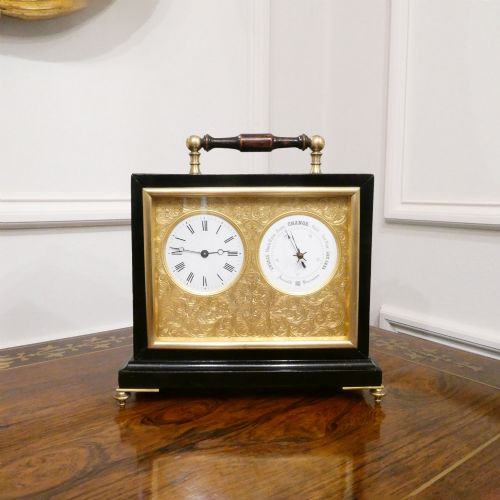
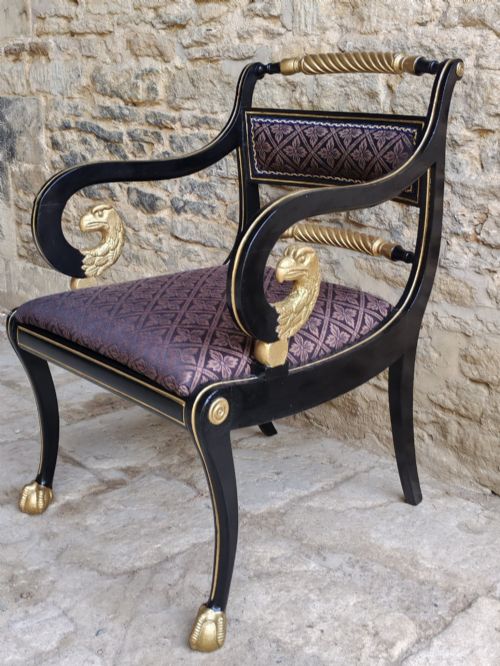
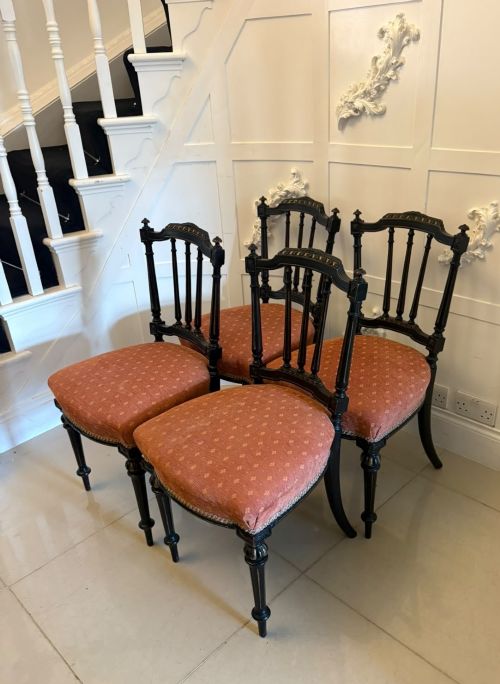
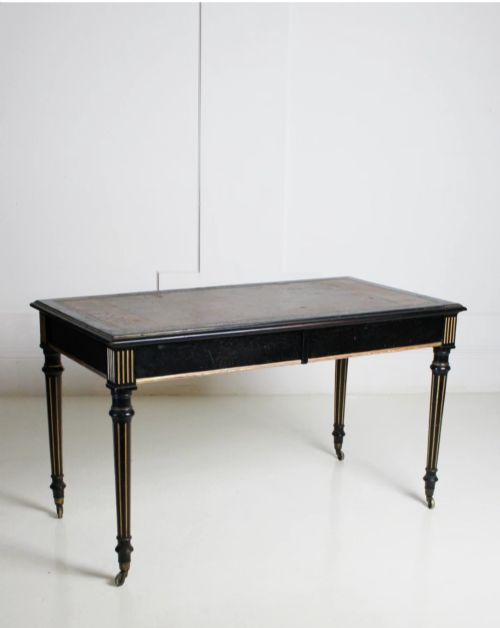
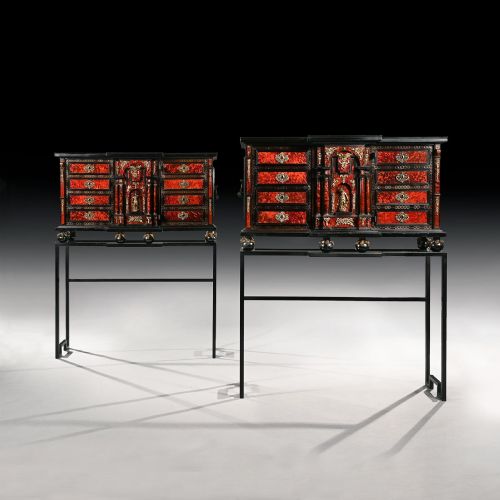
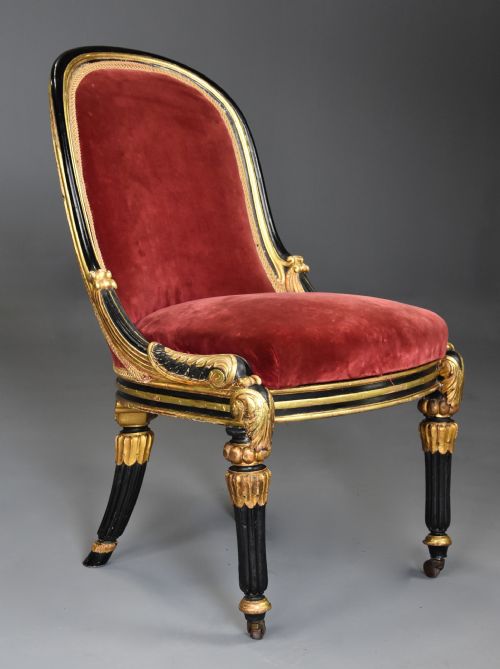
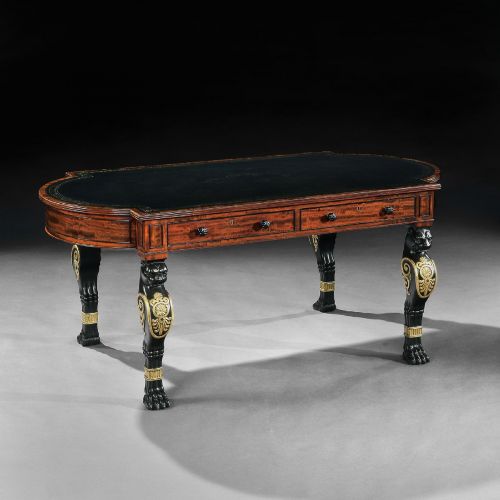
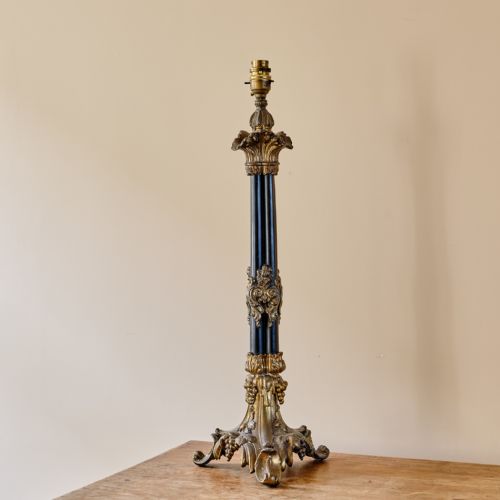

Gilt Ebonised Desk
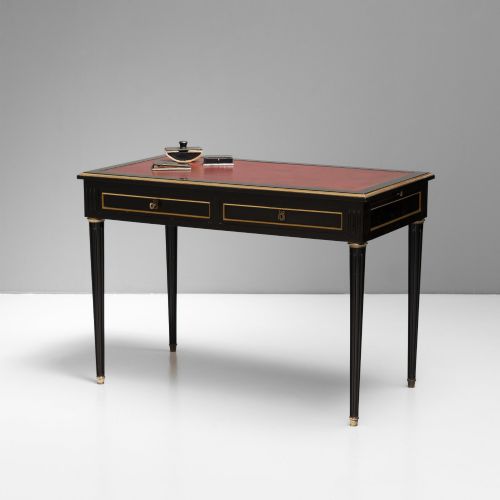
A gilt ebonised desk delivers dramatic contrast through dark wood and bright metal work, drawing the eye instantly in any study.
Gilt Ebonised Desk
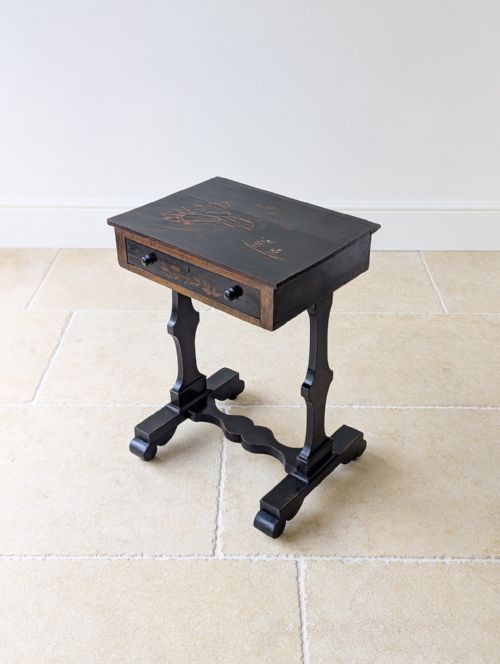
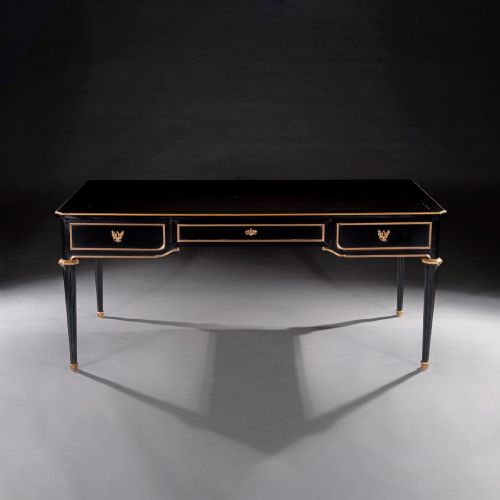
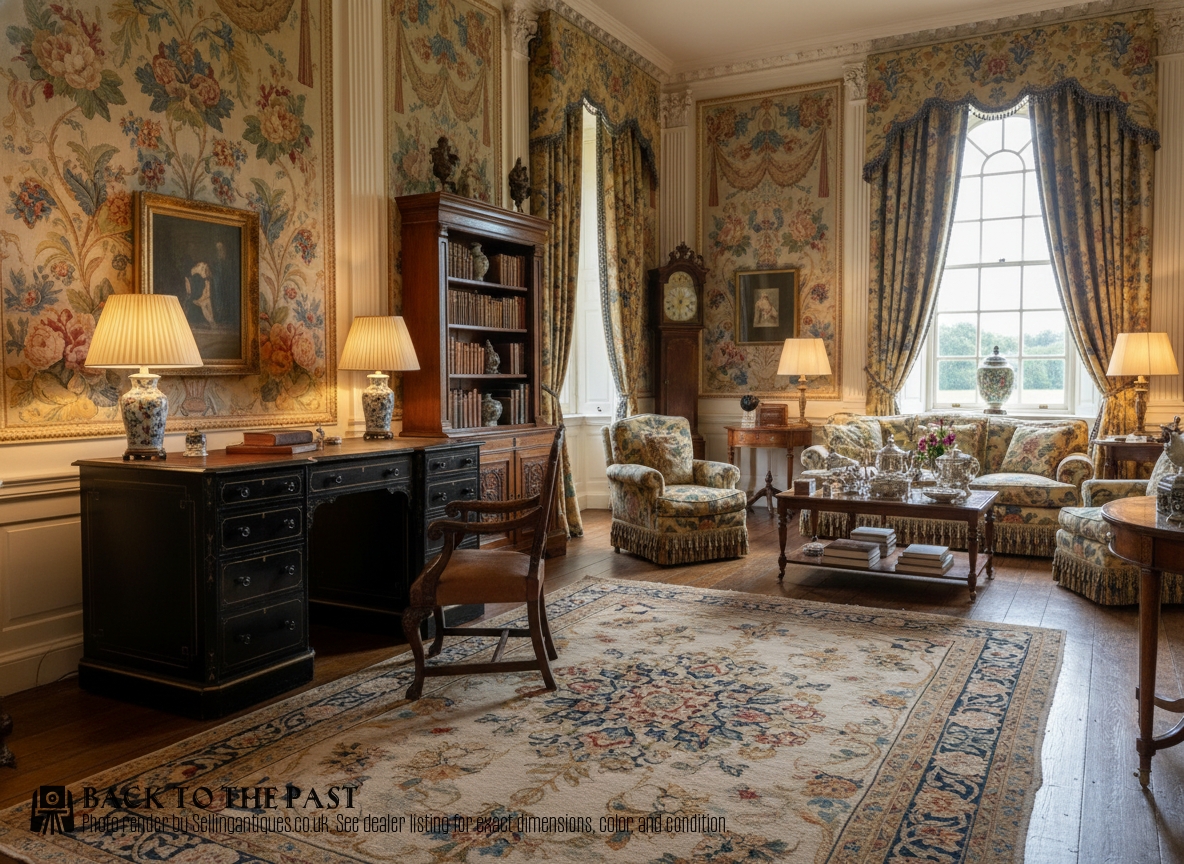
A gilt ebonised desk combines deep blackened wood surfaces with reflective metallic highlights to create a striking piece of study furniture. The selection ranges from compact writing tables to grand kneehole pedestals and refined ladies' pieces.
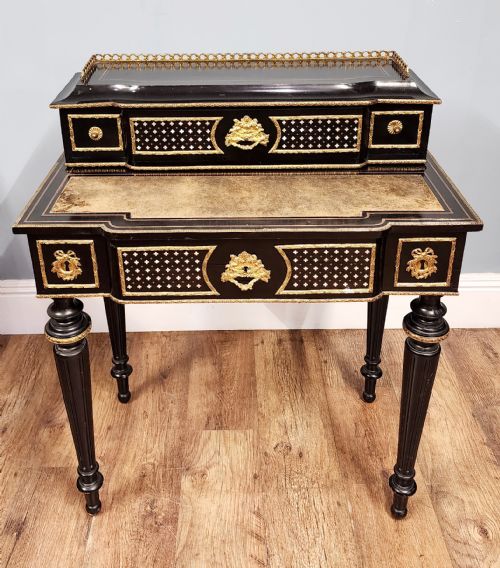
The nineteenth century yields most of the examples encountered here, particularly from Victorian workshops and French cabinet makers. Pieces span simple aesthetic movement designs to elaborate Napoleon III bonheur-du-jour forms fitted with drawers and compartments.
Makers often drew inspiration from earlier French styles, incorporating cabriole legs and leather writing inserts into the dark frameworks. Buyers find both English aesthetic variations and continental interpretations featuring parcel gilding.
How they were made
Carpenters typically used timber like mahogany or walnut, applying a dark stain or polish to simulate costly ebony. They then highlighted carved details, mouldings and edges with gold leaf or metallic paint.
Mounts in ormolu or gilt bronze frequently accent the corners, drawer edges and legs of finer continental examples. Writing surfaces commonly receive inset panels of tooled leather or fabric to provide a durable writing plane.
Secret compartments hidden behind sliding panels occasionally emerge inside these desks, designed for love letters and small valuables.
What varies in quality
The standard of the ebonising and gilding dictates the visual impact of the piece. Superior examples show crisp application of gold leaf that catches the light cleanly, rather than dull metallic paint.
Construction methods reveal the underlying standard, seen in the smoothness of drawer runners and the weight of cast ormolu mounts. Finer desks incorporate detailed brass inlay, tortoiseshell panels or hand-tooled leather inserts rather than plain wooden planes.
Maison Millet·Paul Sormani·Le Roy, Paris·Tiffany & Co
The Gilt Ebonised Desk Glossary
- Ebonisation
- The process of staining light timber to imitate solid ebony. This finish provides the characteristic dark background for gilt highlights.
- Ormolu
- Gilt bronze mounted on furniture pieces. It adds metallic lustre to corners and mounts.
- Bonheur-du-jour
- A small light lady's desk featuring a tiered superstructure with drawers and pigeonholes above the writing surface. These compact writing tables became popular during the nineteenth century.
- Parcel Gilt
- Partial gilding applied only to specific carved details or raised ornaments. This technique makes the gold elements stand out against the dark wood base.
- Bureau Plat
- A freestanding writing table fitted with one or more drawers in the frieze. These tables were designed to sit in the centre of a room rather than against a wall.
Gilt Ebonised Desk: Frequently Asked Questions
How do I clean an ebonised surface?
Dust the wood gently with a soft dry cloth to prevent scratching the dark finish. Avoid modern liquid polishes that can build up a greasy residue over the gold leaf.
Keep the desk away from direct sunlight and heat sources to protect the ebonised timber and the leather writing insert from drying out.
Were these desks used for writing?
Most examples served as correspondence tables for letter writing rather than heavy administrative work. The addition of drawers and compartments provided storage for stationery and ink.
Larger pedestal versions offered substantial workspace for ledgers and daily study in grand libraries.
How do I spot a Victorian copy?
Examine the timber beneath the black finish and check the hand-cut joints inside the drawers. Machine-cut screws and modern adhesives point to a later reproduction rather than a nineteenth-century piece.
Compare the quality of the ormolu mounts and gilding against documented examples from the period to confirm authenticity.
Where does the gilt bronze go?
Foundry workers cast ormolu mounts to protect vulnerable corners and frame the edges of large drawers. These decorative elements add structural rigidity while brightening the dark framework.
Mounts often feature classical motifs or floral scrollwork that match the prevailing style of the cabinet maker.