

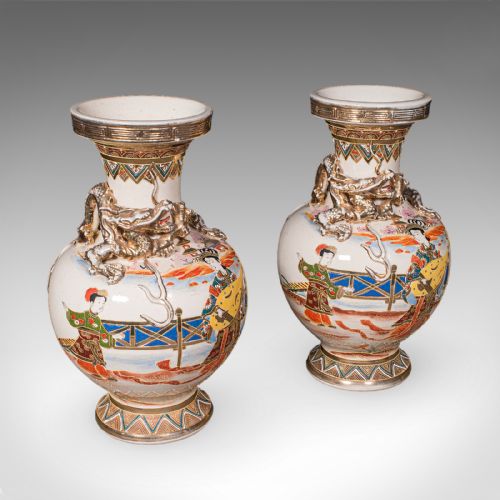


Gilt Decorated Ceramic Urn
These gilt decorated ceramic urn pieces bring grand 19th-century and 20th-century display forms into modern rooms through rich hand-painted detail and metallic ornament.
Gilt Decorated Ceramic Urn
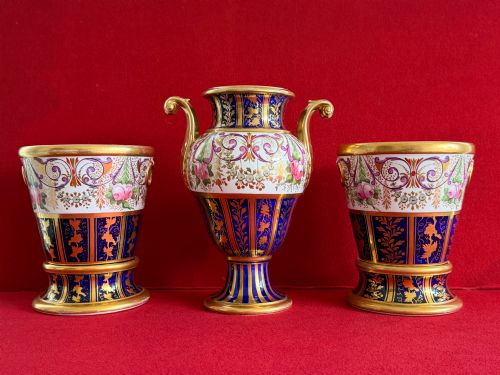
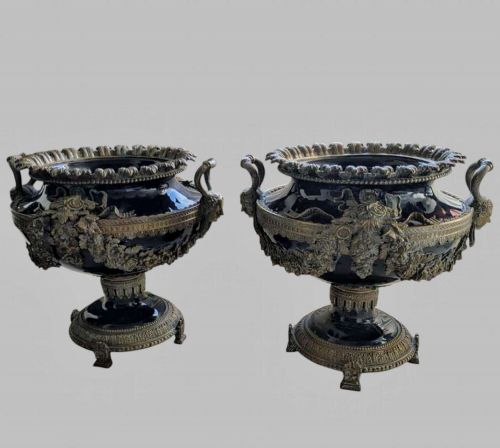
A gilt decorated ceramic urn encompasses large display vessels, lidded jars, and handled forms shaped from porcelain, bone china, earthenware, and ironstone. These pieces serve primarily as decorative focal points rather than functional containers, reflecting the grand interior aesthetics of their respective eras.
The selection here draws heavily from the 19th century, Victorian period, and early 20th century, alongside Japanese Meiji period Satsuma wares. Buyers regularly encounter English porcelain from factories like Royal Worcester and Derby, as well as continental and Japanese imports.
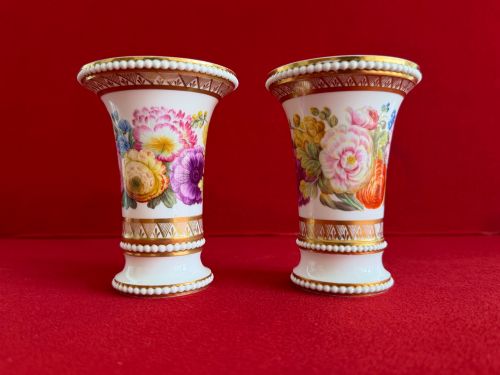
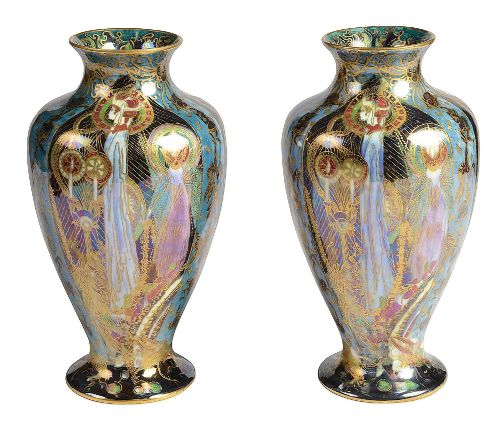
Forms range from classical two-handled urns and baluster vases to ice pails and cream tureens, each surface enriched with gold leaf, gilding, or enamel work. These objects demonstrate the enduring appeal of metallic highlights set against cobalt grounds, floral reserves, and figural scenes.
Materials and methods
Makers utilised fine porcelain, bone china, earthenware, and ironstone as the structural base for these vessels, shaping them into baluster vases, ewers, and urns. Potters threw or moulded these clays before applying initial glazes and firing the pieces in kilns to create durable ceramic bodies.
Decoration relied on skilled hand-painting using enamel colours alongside gold leaf, gilt, and gilding techniques. Artisans applied metallic leaf and liquid gold by hand, often firing the pieces multiple times to bond the precious metals and enamels permanently to the ceramic surface.
Gilt Decorated Ceramic Urn Retail Price Guide 2026
Typical asking prices for gilt decorated ceramic urn among the pieces listed under this phrase on Sellingantiques today, from the lower quarter to the upper quarter. They describe what is for sale here now, not the wider market.
The listings feature porcelain, bone china, and ironstone vessels decorated with enamel and gold leaf across the 19th and early 20th centuries.
Assessing quality
Quality rests significantly on the skill of the artist and the precision of the hand-painted and gilt decoration. Pieces bearing the signature or documented work of notable ceramic painters display superior brushwork, finer detailing in figures and foliage, and more controlled enamel application.
The weight, throwing precision, and structural balance of the ceramic body also determine the caliber of the vessel. Superior examples maintain crisp moulded or thrown lines without warping, supporting intricate moriage work or heavy gilding that remains sharp and well-adhered.
Derby Porcelain·Wedgwood·Minton·Royal Worcester·Royal Crown Derby·Mason Ironstone
The Gilt Decorated Ceramic Urn Glossary
- Gilding
- The application of gold leaf or powdered gold to the ceramic surface. This technique adds reflective metallic highlights to rims, handles, and painted scenes.
- Moriage
- A decorative technique used in Japanese ceramics where slip is piped onto the surface to create raised, textured patterns before glazing and firing. It frequently appears on Satsuma wares.
- Baluster
- A vase or urn shape characterised by a rounded body that tapers toward the base and swells outward near the lower centre. This form provides a broad canvas for painted floral or figural designs.
- Ironstone
- A heavy, durable type of earthenware patented in the 19th century. It offers greater strength than standard earthenware while accepting enamel and gilt decoration readily.
Gilt Decorated Ceramic Urn: Frequently Asked Questions
How were these urns used historically?
These pieces functioned primarily as ornamental display objects on mantelpieces, sideboards, and pedestals within formal rooms. Certain forms, such as ice pails and cream tureens, held functional roles at dining tables before transitioning purely to decorative display.
Over time, collectors and homeowners prized them for their visual impact, using pairs to anchor architectural spaces or fireplaces in Victorian and Edwardian interiors.
How do I care for gilt porcelain?
Maintain these ceramic pieces by dusting them gently with a dry, soft brush or microfibre cloth. Avoid harsh chemical cleaners or abrasive materials that can wear away the delicate gold leaf and enamel decoration.
Keep them away from direct sunlight and areas of high moisture to protect the integrity of the ceramic body and the bonded metallic surfaces.
What defines Japanese Satsuma ware?
Satsuma ware consists of earthenware ceramics featuring a characteristic ivory-coloured, crackle-glazed surface. Artisans decorated these vessels with intricate hand-painted enamel scenes and raised gold details.
Meiji period examples frequently depict court figures, samurai, and natural motifs, reflecting traditional Japanese artistic themes tailored for export.
How do I distinguish 19th-century pieces?
Nineteenth-century ceramics often exhibit specific factory marks, registration numbers, or artist signatures stamped, impressed, or painted on the base. The presence of hand-applied gilding, cobalt grounds, and specific revival styles like Rococo or Aesthetic Movement points directly to this era.
Examining the weight, paste consistency, and enamel wear helps confirm the age and manufacturing origin of each vessel.