
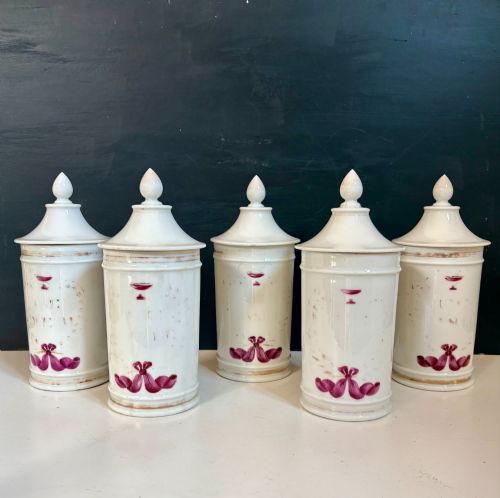
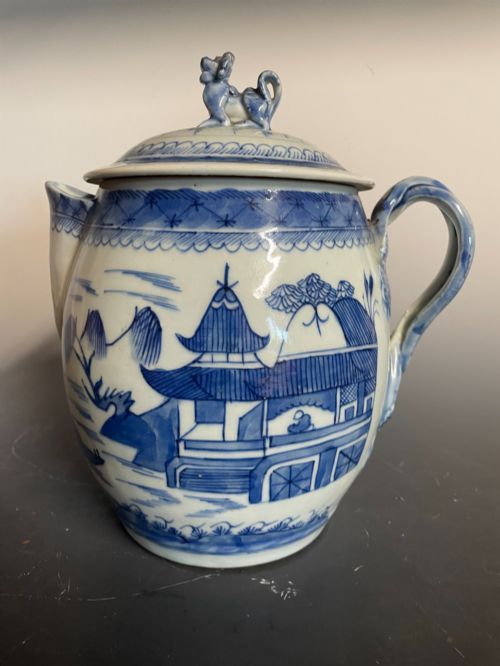


White Porcelain Lidded Jar
White porcelain lidded jar covers various historic styles, offering collectors versatile lidded vessels crafted from durable ceramic and porcelain materials.
White Porcelain Lidded Jar
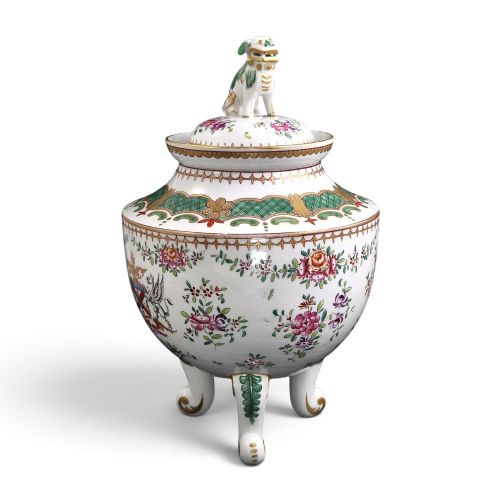
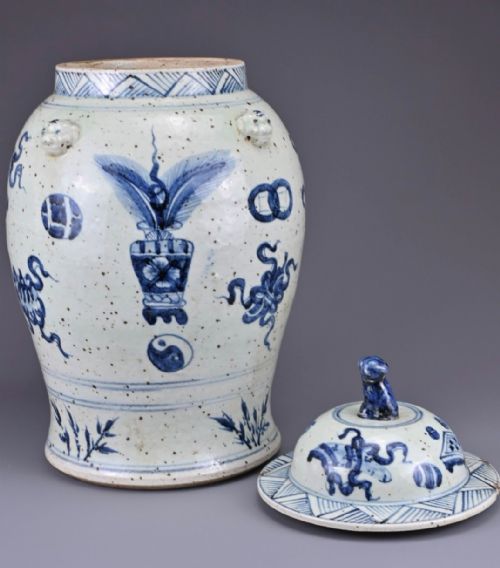
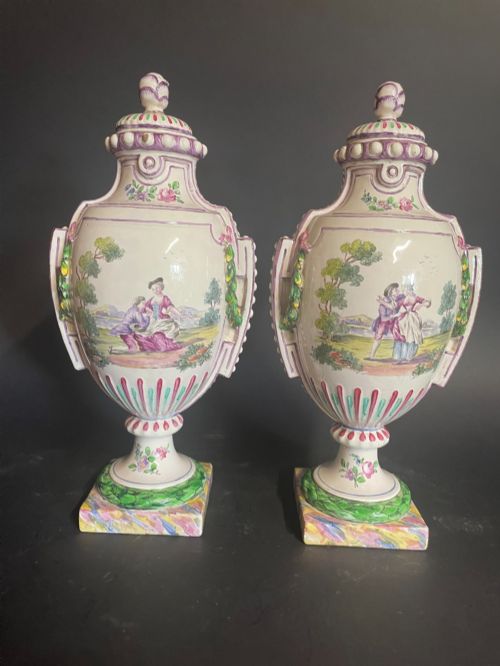
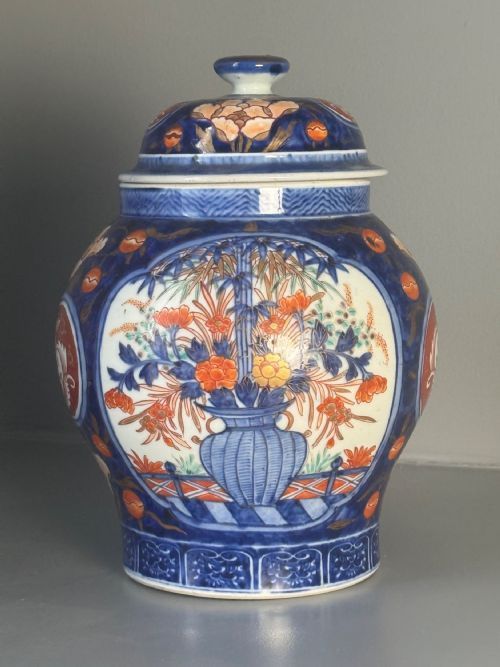
A white porcelain lidded jar encompasses a diverse group of covered vessels originating from European factories and Asian kilns across several centuries. You encounter pieces spanning from eighteenth-century English blue and white tea canisters to nineteenth-century continental potpourri bowls and Chinese ginger jars.
Makers utilised various forms ranging from traditional ginger jars and apothecary containers to decorative urns and potpourri vases. The selection includes Chinese Qing dynasty blue and white porcelain alongside European interpretations featuring armorial motifs and Chinoiserie designs.
Buyers seeking a white porcelain lidded jar will find items that served functional domestic roles like storing tea or dried herbs, alongside purely decorative ornamental vases and covered boxes.
How they were made
Potters shaped these covered vessels using hard-paste porcelain, soft-paste ceramic, tin-glazed earthenware, and faience bodies. Artisans applied cobalt blue pigments directly to the unglazed clay before firing, or painted enamel colours and gold leaf over an already fired white glaze.
Firing techniques varied significantly between European manufactories and traditional Chinese kilns, resulting in distinct body densities and glaze textures. Lids were thrown or moulded to fit individual vessel rims, often requiring precise shrinkage calculations during high-temperature kiln operations.
Listings feature white porcelain lidded jar examples spanning the eighteenth, nineteenth, and twentieth centuries, incorporating materials like hard-paste porcelain, enamel, and tin-glazed earthenware.
What varies in quality
The sophistication of the hand-painted decoration largely distinguishes standard production pieces from finer studio or factory output. Crispness in cobalt blue underglaze brushwork or precise enamel alignment indicates superior craftsmanship and skilled artisan labour.
The integrity of the glaze surface, the proportional balance between the vessel body and its matching lid, and the precision of the fit reflect the overall standard of manufacture.
Chamberlain Worcester·Richard Ginori·Herend·Samson Paris
The White Porcelain Lidded Jar Glossary
- Chinoiserie
- European artistic interpretation of Chinese and East Asian artistic traditions. This style heavily influenced eighteenth and nineteenth-century decorative porcelain designs.
- Underglaze
- Pigment applied to a ceramic piece before it receives its final liquid glass coating and high-temperature firing. Cobalt blue is the most common colour handled this way.
- Potpourri
- A mixture of dried plant material scented with spices, placed inside perforated lidded bowls to fragrance rooms. These specialised vessels often feature pierced ceramic covers.
- Hard-paste porcelain
- A dense, vitrified ceramic composite made from petuntse and kaolin clay, fired at very high temperatures. It resists scratching and yields a ringing tone when struck.
- Faience
- European tin-glazed earthenware produced with an opaque white surface. It provided a smooth ground for colourful painted decoration before hard-paste porcelain became widely available.
White Porcelain Lidded Jar: Frequently Asked Questions
What distinguishes ginger jars from other lidded vessels?
Traditional ginger jars feature a bulbous body and a high-domed lid designed originally to transport spices and preserves. Over time, European and Asian potteries adopted this sturdy silhouette purely for decorative display.
Unlike tea canisters or potpourri urns, genuine ginger jars lack internal compartments or pierced ventilation holes in their covers.
How can I tell eighteenth-century porcelain from nineteenth-century copies?
Examine the foot rim and glaze pooling using a magnifying glass to check for wear patterns and manufacturing clues. Eighteenth-century pieces often display unglazed foot rims showing dry paste textures.
Nineteenth-century revival factories frequently replicated earlier styles and marks, requiring careful analysis of the painting technique and weight of the porcelain body.
Where were these lidded jars displayed historically?
Owners placed these covered vessels on mantelpieces, sideboards, and dedicated porcelain cabinets in formal reception rooms. Large pairs often anchored symmetrical decorative arrangements in grand drawing rooms.
Smaller lidded boxes and apothecary jars sat on dressing tables or within specialised storage furniture for daily use.