


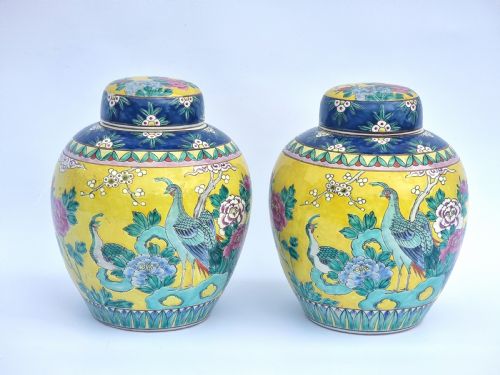


Vintage Ceramic Ginger Jar
A vintage ceramic ginger jar brings centuries of global trade and decorative craft into a room, offering both bold pattern and historical form.
Vintage Ceramic Ginger Jar
A vintage ceramic ginger jar represents a traditional lidded vessel originally designed to store spices, now collected for its decorative presence. Buyers searching for a vintage ceramic ginger jar encounter forms ranging from traditional blue and white Chinese porcelain to Japanese Imari and European earthenware.
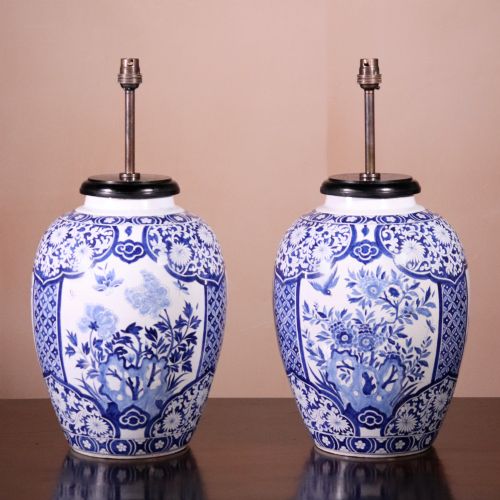
The selections span production dates from the eighteenth century through the mid twentieth century, including pieces adapted later into table lamps. Forms vary from straight-sided tea caddies to bulbous covered vases and large lidded urns.
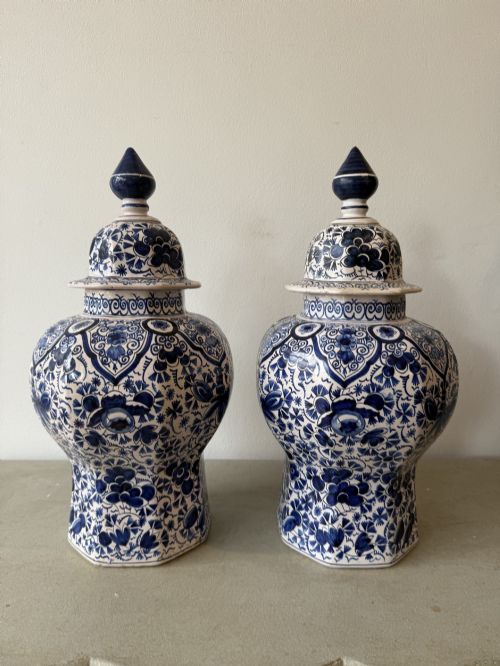
Origin points visible in the current stock include China, Japan, England, France, and the Netherlands. Buyers frequently meet pieces decorated in Chinoiserie, Art Deco, and Dutch Delftware styles alongside unpretentious utilitarian jars.
Materials and production methods
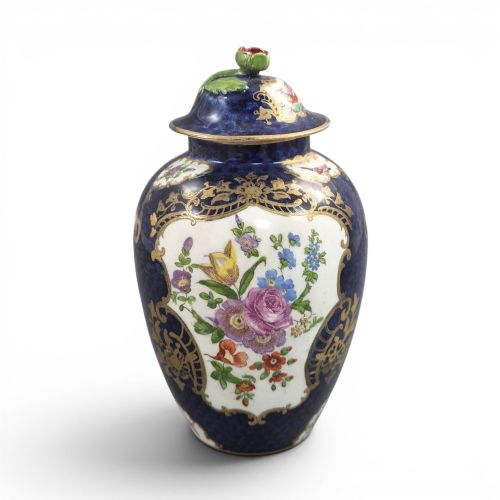
Potters shaped these vessels using porcelain, earthenware, and ceramic bodies, often applying tin or transparent glazes to seal the porous clay. Some items incorporate additional elements such as enamel paint, gold leaf, and brass fittings.
Decoration relied on hand painting or transfer printing beneath and above the glaze, creating complex motifs of exotic birds, figures, and floral sprays. Kiln techniques dictated whether the base clay fired to a dense, ringing porcelain or a softer earthenware body.
Listings feature porcelain, earthenware, enamel, gold leaf, and brass across periods from the eighteenth century to the mid twentieth century.
Distinctions in quality
Quality rests on the precision of the hand painting and the crispness of the underglaze blue or polychrome enamels. Finer examples display meticulous brushwork on the figures and foliage, whereas simpler production shows hurried strokes and blurred outlines.
The integrity of the body and the survival of the original matching lid dictate the standing of a piece. Later adaptations, such as drilled bases for electrical wiring, alter the original structural state of the vessel.
Tokyo Taizan·Samson of Paris·Royal Worcester·Royal Winton
The Vintage Ceramic Ginger Jar Glossary
- Chinoiserie
- European decorative style reflecting Chinese artistic influences, popular in ceramics and furniture. This aesthetic appears across several listed table lamps and decorative jars.
- Imari
- Japanese porcelain decorated in underglaze blue, iron red, and gold, named after the port of shipment. It remains a distinct category within late nineteenth-century production.
- Famille Verte
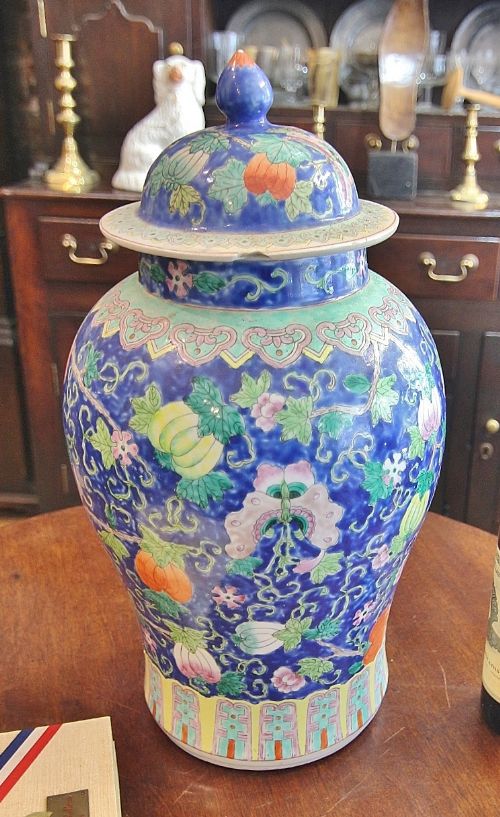
- Chinese porcelain palette dominated by green enamel overglaze colours, developed during the Qing dynasty. These pieces often feature animated figurative scenes.
- Kamcheng
- A type of covered ceramic jar made in China for export, particularly to Southeast Asia. They typically exhibit polychrome enamel decoration.
Vintage Ceramic Ginger Jar: Frequently Asked Questions
What were ginger jars originally used for?
These vessels served as practical storage containers for salt, spices, oils, and preserved ginger shipped across international trade routes. Their wide mouths and secure lids kept contents fresh during long sea voyages.
Over time, Western households repurposed them purely for interior decoration, leading to dedicated manufacturing for the export market rather than kitchen use.
How do I date a Japanese Imari jar?
Dating relies on assessing the weight of the porcelain body, the vibrancy of the iron red, and the presence of gold leaf highlights. Late nineteenth-century pieces often display denser potting and more crowded enamel designs.
Examining the foot ring and base glaze provides further clues regarding whether a piece belongs to the Meiji period or later twentieth-century production.
Are jar lamps modern conversions?
Many ginger jars found today were fitted as table lamps during the twentieth century to suit domestic lighting trends. This process sometimes involved drilling a small hole through the base for wiring.
Buyers should inspect the mounting to see if brass hardware was added securely without damaging the surrounding ceramic body.
How do I style a ginger jar at home?
These jars function well as standalone centrepieces on sideboards, mantels, or open shelving. Pairing contrasting blue and white patterns creates visual depth in a room.
When displaying lidded versions, keeping the matching cover intact preserves the intended silhouette of the vessel.