
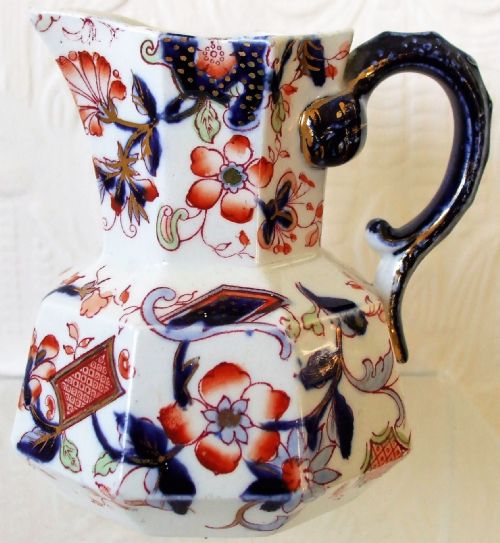
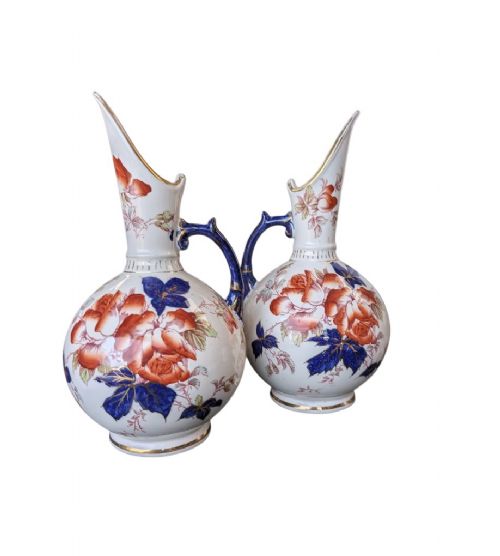


Gilt Ceramic Jug
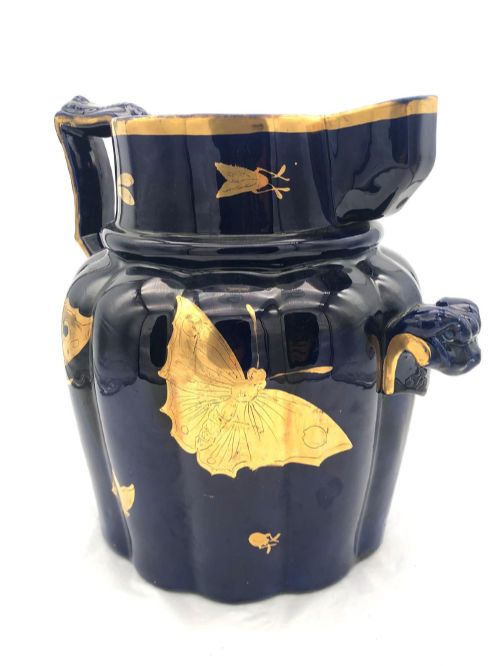
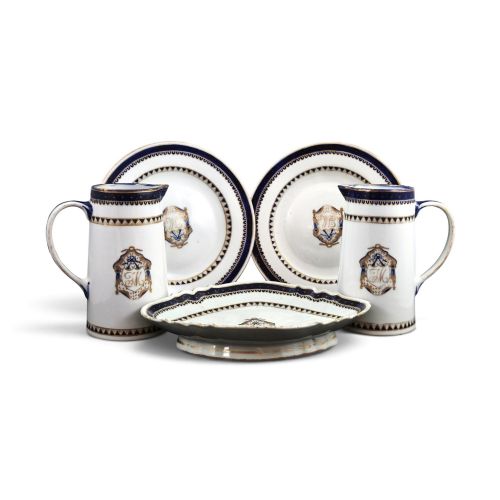
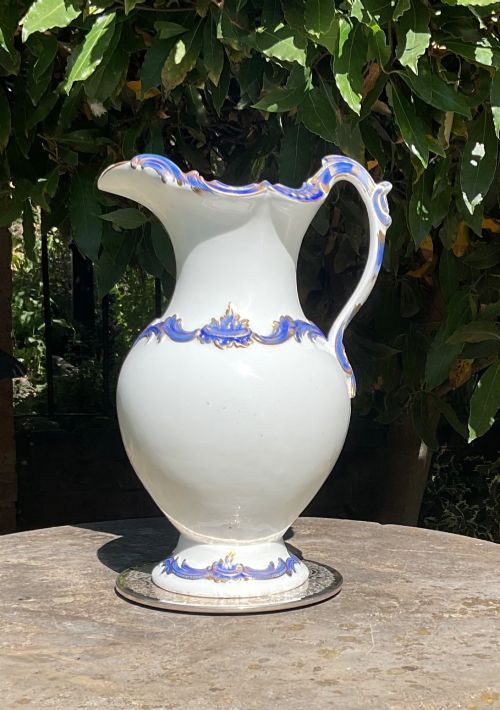
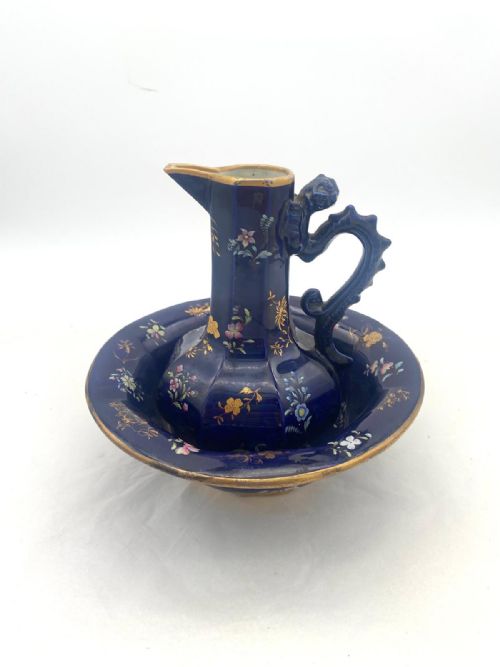
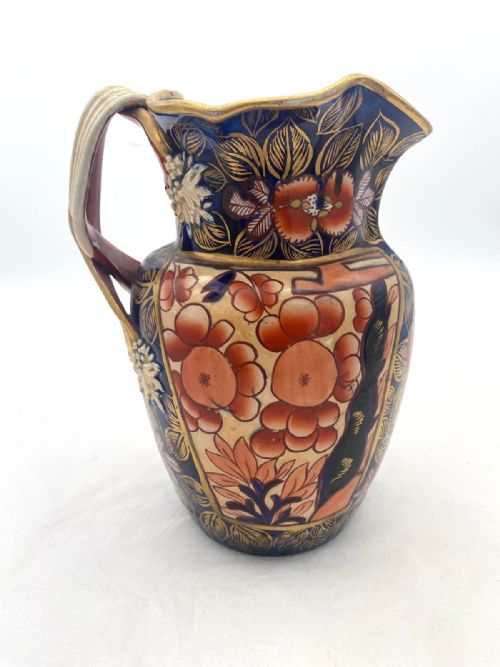
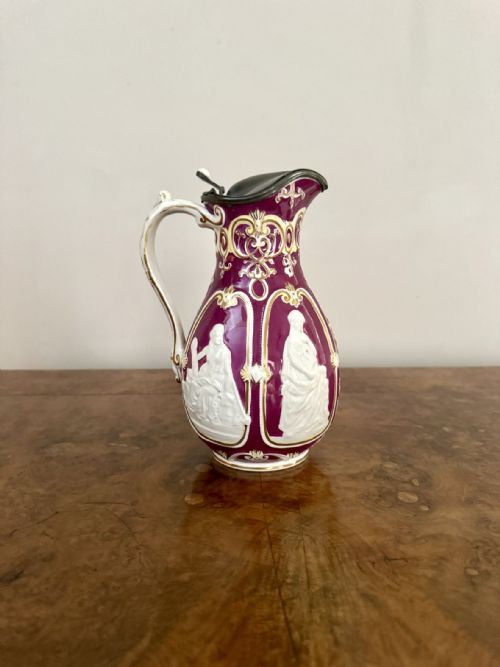
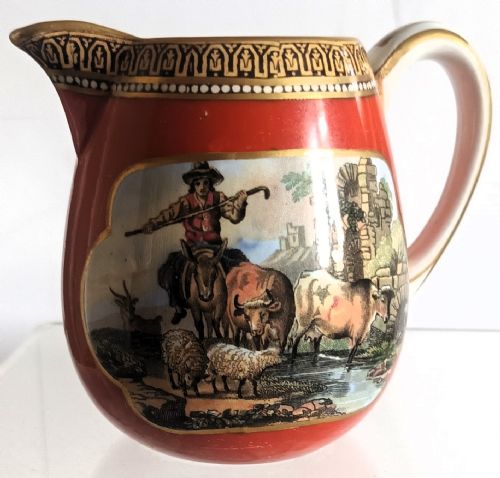
These gilt ceramic jug selections bring together patterned ironstone, porcelain, and earthenware pieces finished with gold leaf.
Gilt Ceramic Jug
When you search for a gilt ceramic jug, you are looking at utilitarian and decorative ceramic vessels enriched with gold leaf or gilding. The pieces appearing here span the nineteenth century, the Victorian era, and into the twentieth century, taking forms such as water jugs, cream jugs, and decorative ewers.
Makers utilised various ceramic bodies including porcelain, ironstone, and earthenware. You will encounter English potteries alongside continental and exported examples, ranging from small creamers to large monumental ewers and basin sets.
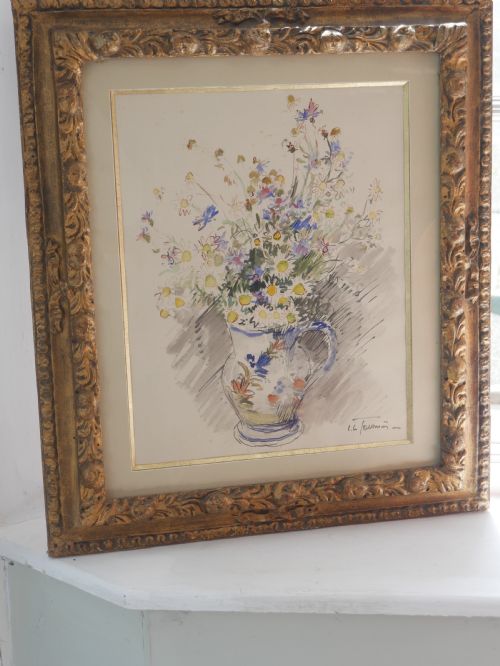
The selection also includes related ceramic forms and still-life paintings depicting jugs, offering a broad view of how these objects function both as three-dimensional vessels and as subjects in art.
How they were made
Potters shaped these vessels using traditional methods in earthenware, ironstone, and porcelain before applying detailed glazes, enamel colours, and hand-painted motifs. Many examples incorporate moulded surface relief, reticulated openwork, or distinctive handles.
The characteristic gilt finish was achieved by applying gold leaf or liquid gilding to the ceramic surface, often highlighting rims, handles, and painted panels. Firing in kilns set the metallic application alongside cobalt blues, blush ivory backgrounds, and polychrome botanical or armorial designs.
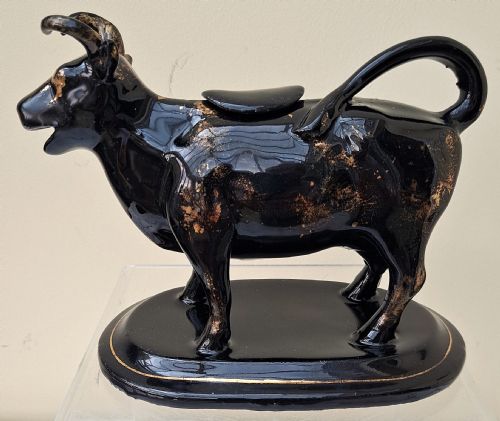
Cow creamers pour milk directly from the bovine mouth.
What varies in quality
Quality rests upon the crispness of the moulding and the finesse of the hand-painting. Vessels featuring detailed hand-painted botanicals, armorial crests, or complex reticulation stand apart from standard production pieces.
The application of the gilding itself marks the distinction between fine studio output and basic decoration. Intact, burnished gold leaf that retains its brilliance without excessive rubbing indicates superior original craftsmanship.
Mason's Ironstone·Royal Worcester·Doulton Burslem·Chamberlain Worcester·Coalport
The Gilt Ceramic Jug Glossary
- Ewer
- A large jug or pitcher with a wide spout and a decorative handle, historically used for water or wine.
- Ironstone
- A heavy, durable type of earthenware patented in the nineteenth century to imitate Chinese porcelain.
- Gilding
- The application of gold leaf or gold dust to a ceramic or metallic surface to create a metallic sheen.
- Reticulated
- Openwork decoration formed by cutting or piercing patterns into the clay body before firing.
- Blush Ivory
- A specialised soft ivory-coloured porcelain ground developed by Royal Worcester in the late nineteenth century.
Gilt Ceramic Jug: Frequently Asked Questions
What is a gilt ceramic jug?
A gilt ceramic jug is a pitcher, ewer, or creamer made from clay bodies like porcelain or ironstone and finished with gold leaf or metallic gilding.
These vessels were produced in various styles from the Georgian period through the twentieth century for both functional table use and decorative display.
How do I care for antique gilding?
Antique gilding requires gentle handling because gold leaf applied over ceramic glaze can wear away with abrasive cleaning or harsh chemicals.
Dust the surface softly with a dry cloth and avoid submerging pieces in water for prolonged periods to protect the metallic finish.
Were these jugs used for water?
Many larger examples served practical purposes as water jugs, wash basin set components, or milk and cream pitchers.
Other forms, such as decorative ewers and painted jug-vases, were created primarily for ornamental display within period interiors.
How do I identify Victorian pieces?
Victorian examples often feature registration marks, factory stamps, or specific design traits associated with nineteenth-century aesthetic movements.
Examining the base for maker marks, combined with stylistic clues like blush ivory grounds or cobalt blue chinoiserie, helps date the piece.