

Antique English Pitcher
An antique english pitcher serves liquids with character, bringing centuries of ceramic, glass, and metal craftsmanship straight to the table.
Antique English Pitcher
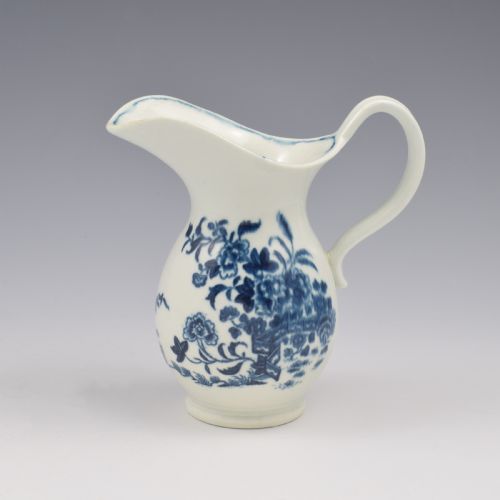
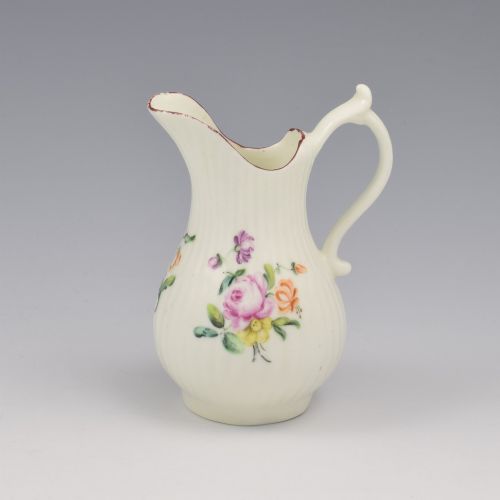
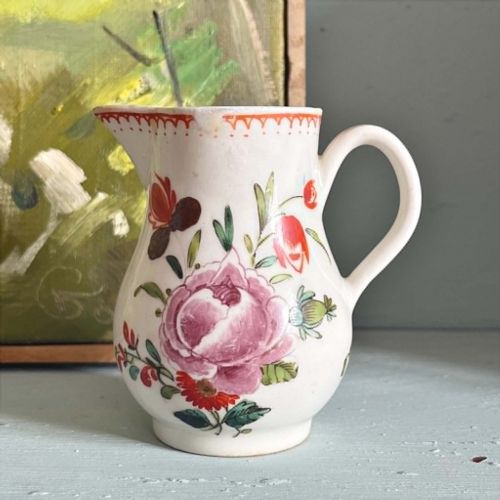
When buyers search for an antique english pitcher, they encounter a diverse array of serving vessels spanning the eighteenth and nineteenth centuries. These objects range from delicate porcelain cream jugs and milk jugs to large earthenware vessels decorated with transfer prints and lustre.
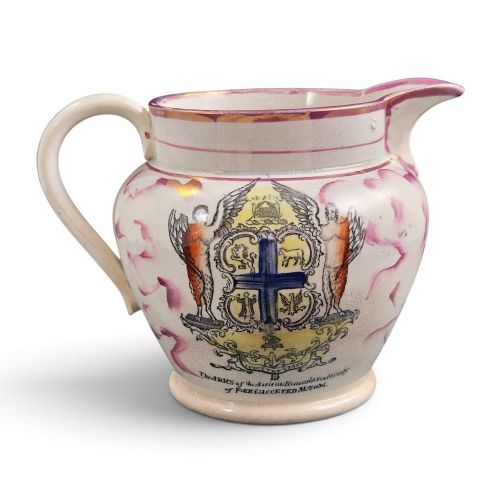
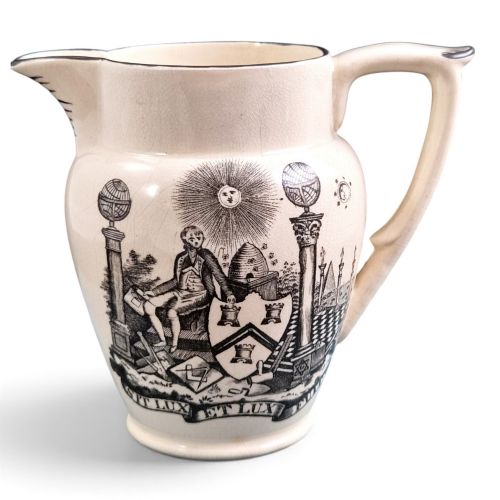
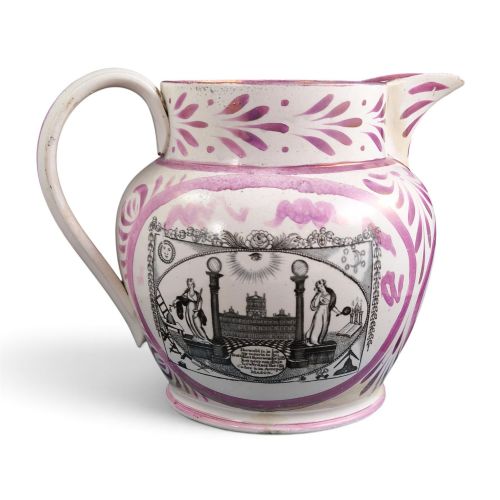
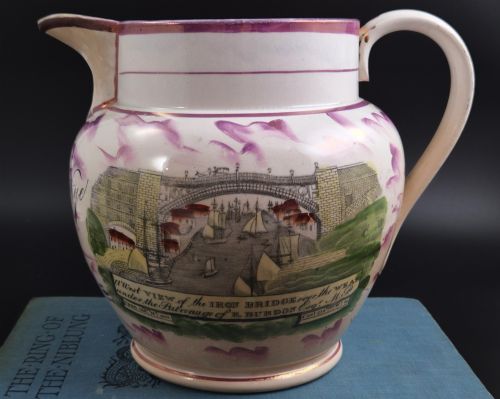
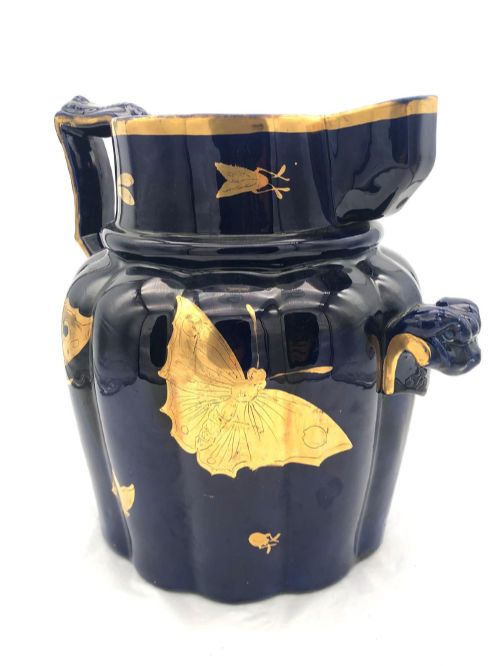
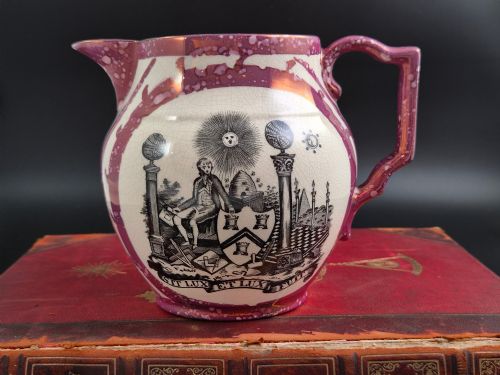
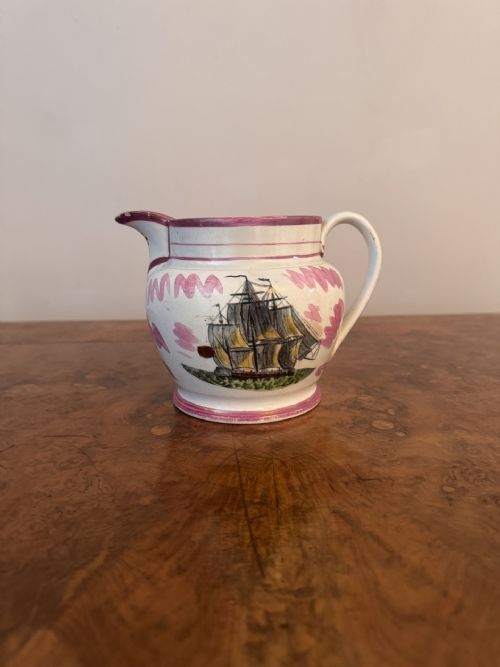
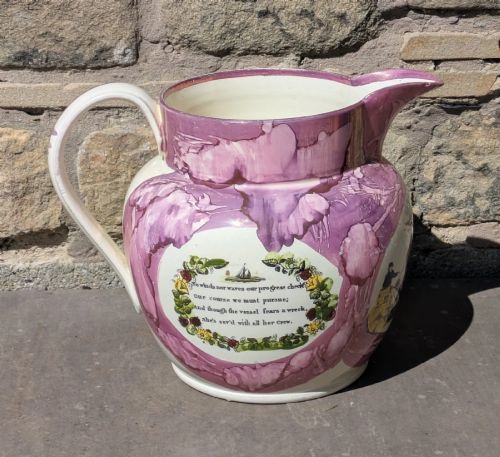
The versions most commonly met on this page include nineteenth-century earthenware and ironstone pieces, particularly Sunderland lustre jugs featuring maritime and masonic themes. Alongside these sit Georgian creamware, porcelain ewers, and heavy copper vessels designed for everyday utility or commemorative display.
Materials and construction methods
Potters shaped these vessels using earthenware, creamware, pearlware, ironstone, and fine porcelain, often finishing them with coloured glazes or enamel painting. Transfer printing allowed workshops to apply complex scenes, such as ships and bridges, directly onto the ceramic body before firing.
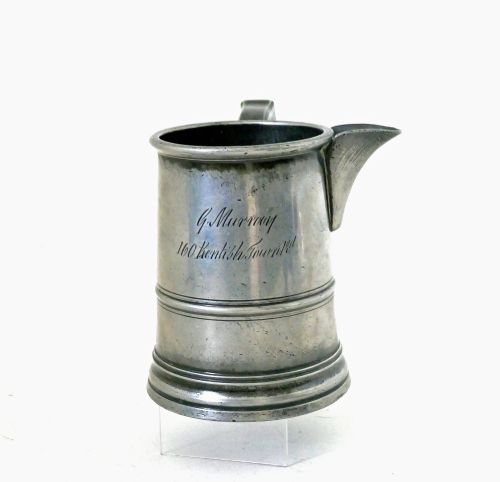
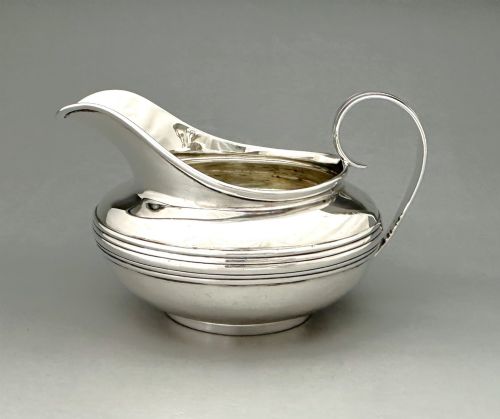
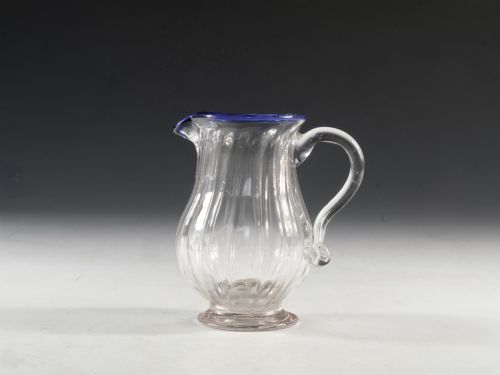
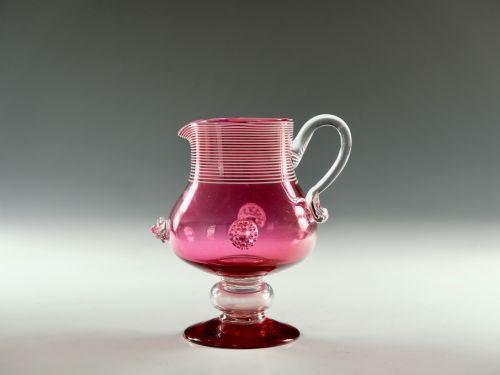
Metal versions utilised beaten copper, pewter, and silver plate, shaped by hand or hammered into large measures and coffee pots. Glass examples relied on free-blowing and moulding techniques, adding applied trails and folded feet for stability.
Several ceramic cows serve as creamers, dispensing milk directly from their mouths.
Factors separating standard pieces from the finest examples
Quality rests upon the crispness of the moulding, the clarity of transfer printing, and the precision of hand-painted enamel decoration. Pieces with sharp relief moulding and unblemished glaze surfaces demonstrate superior workshop output.
Historical significance and provenance elevate certain items, such as named and dated masonic jugs or documented works from early porcelain factories. The complexity of the form, whether a fluted baluster or an unusual novelty shape, dictates the distinction of the work.
Bow porcelain·New Hall porcelain·Keeling and Co·John Rogers and Son
The Antique English Pitcher Glossary
- Lustreware
- Earthenware decorated with a metallic glaze that produces an iridescent sheen. Sunderland pieces frequently display pink splash or copper varieties.
- Creamware
- A refined earthenware developed in Staffordshire during the eighteenth century. It is known for its warm, pale yellow tone and light body.
- Transfer print
- A design applied to ceramics by pressing paper or tissue inked from an engraved copper plate onto the unfired surface. This technique enabled the mass production of detailed pictorial scenes.
- Pearlware
- An improved earthenware introduced around the late eighteenth century. A faint blue tint in the glaze distinguishes it from earlier creamware.
Antique English Pitcher: Frequently Asked Questions
What is the difference between a jug and a pitcher?
In historical British terms, the two words often describe the same pouring vessel, though pitcher occasionally implies a larger capacity. Both terms cover items ranging from small creamers to substantial water containers.
Craftsmen produced these vessels in ceramic, metal, and glass for domestic table service and liquid storage.
How do I date an antique ceramic jug?
Dating relies on body material, glaze characteristics, and decorative techniques like transfer printing or lustre work. Early pieces often feature soft-paste porcelain or creamware bodies, while later Victorian examples use ironstone or heavy earthenware.
Maker marks and inscribed dates provide additional chronological clues for specific items.
Were these vessels used daily or displayed?
Many jugs served practical functions in kitchens and dining rooms for milk, water, ale, and cream. Larger commemorative pieces often served as presentation items or decorative mantel displays.
Transfer-printed masonic and maritime themes suggest celebratory use within lodges and inns.
How should I care for antique ceramic and metal jugs?
Display vessels require gentle dusting with a soft brush and protection from direct sunlight to preserve enamel colours and glazes. Metal pieces benefit from minimal intervention to maintain their aged surface character.
Hand washing in tepid water without harsh detergents suits ceramic examples when cleaning becomes necessary.