
Gilt Ceramic Display Plates
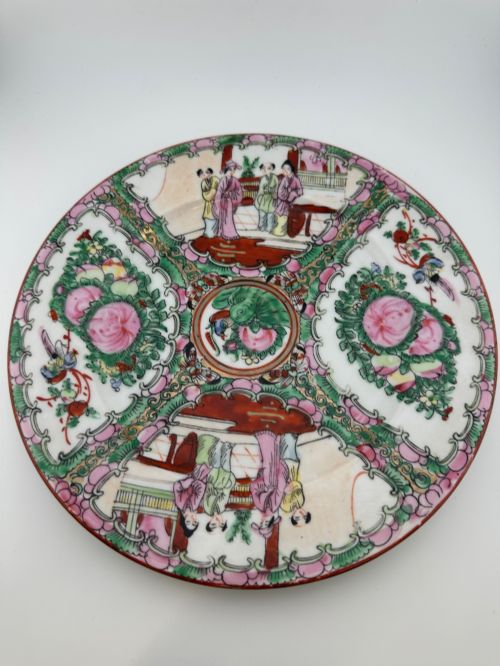
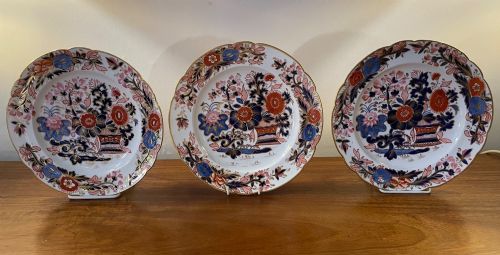
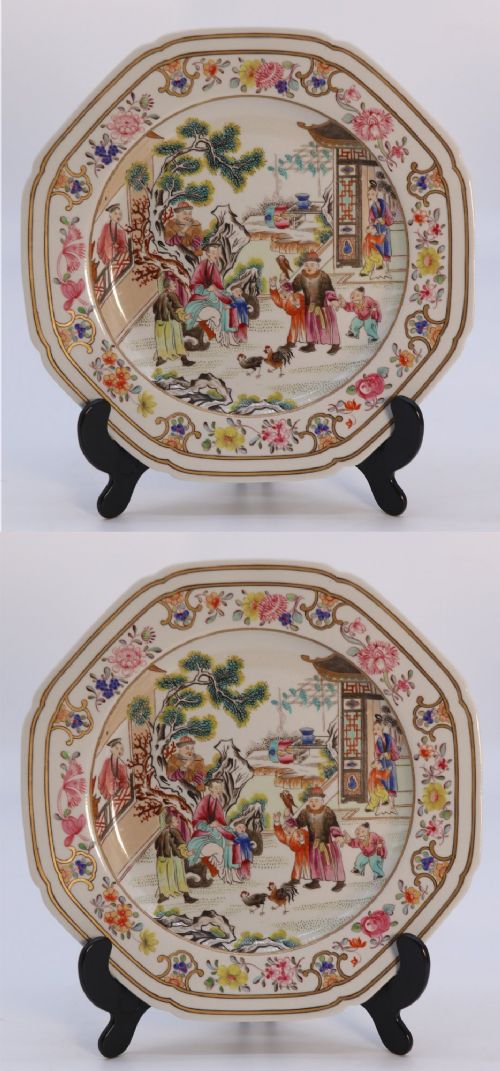
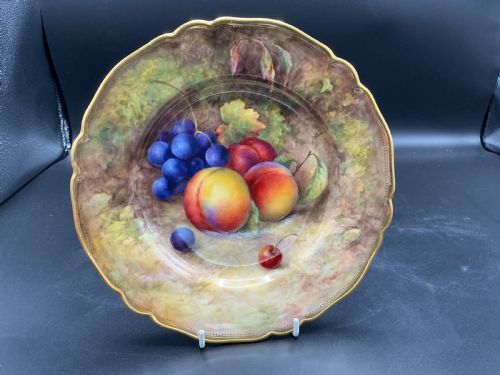
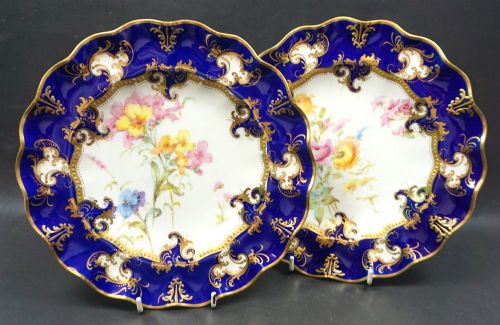
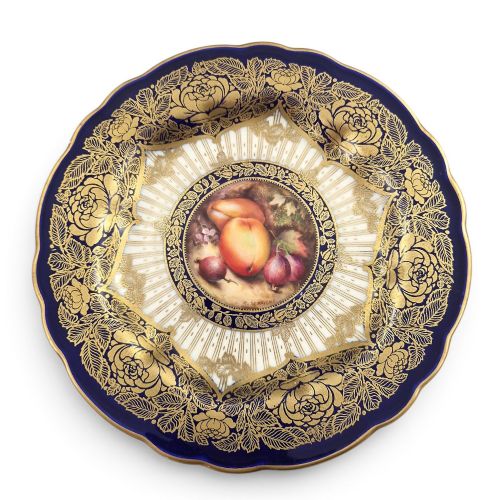
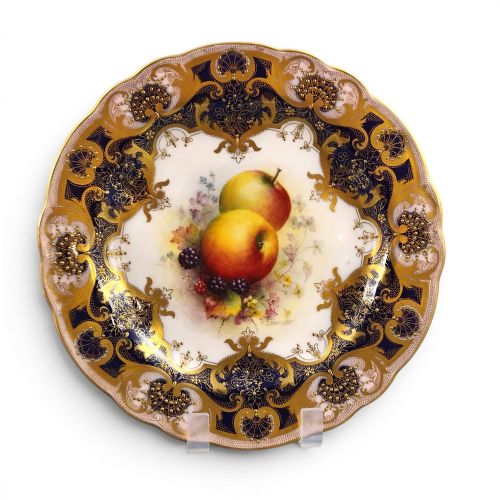
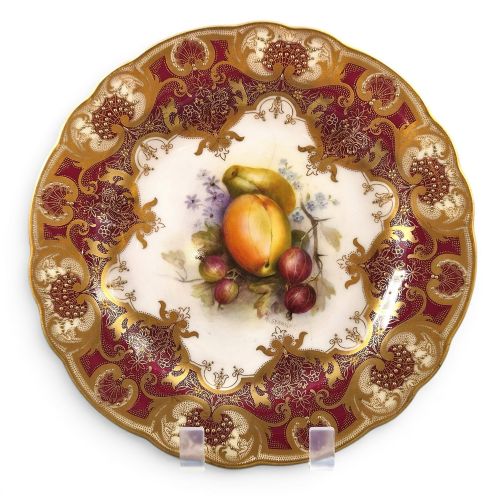
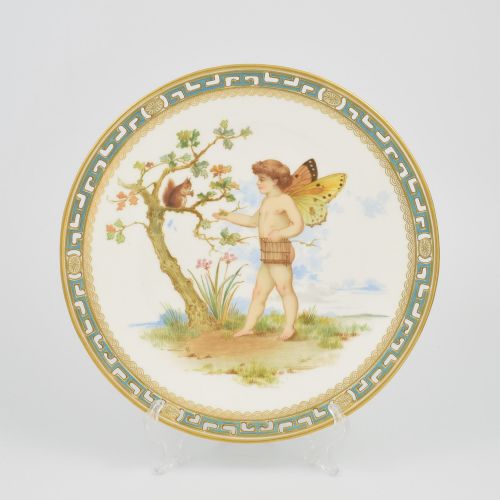
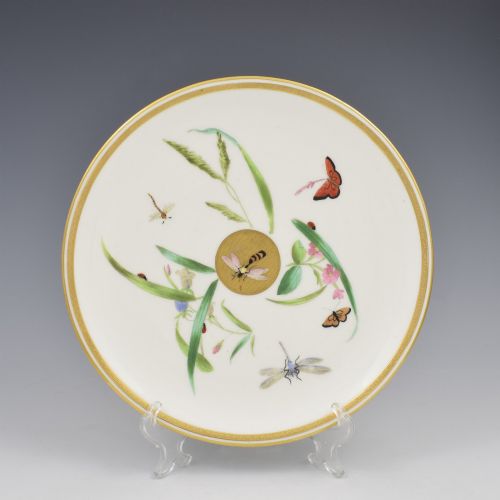
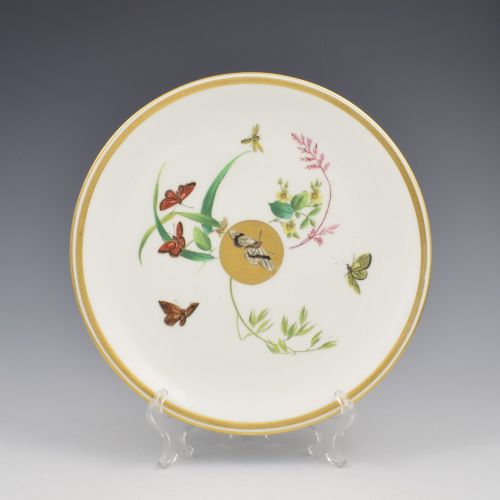
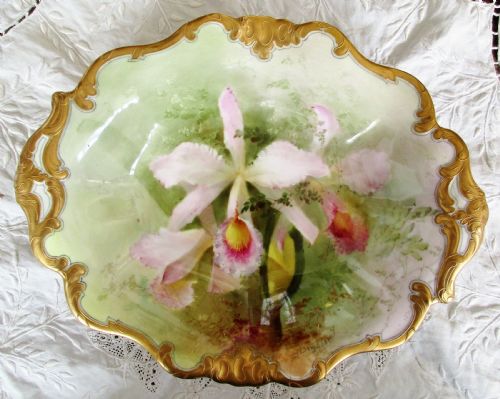
These gilt ceramic display plates bring cabinet pieces and chargers from the eighteenth century to the twentieth century straight to the wall or cabinet.
Gilt Ceramic Display Plates
When searching for gilt ceramic display plates, buyers encounter cabinet plates, decorative chargers, and wall dishes designed primarily for display rather than dining. These pieces span periods from the eighteenth century through the Victorian, Edwardian, and Meiji eras, incorporating porcelain, bone china, earthenware, and ironstone.
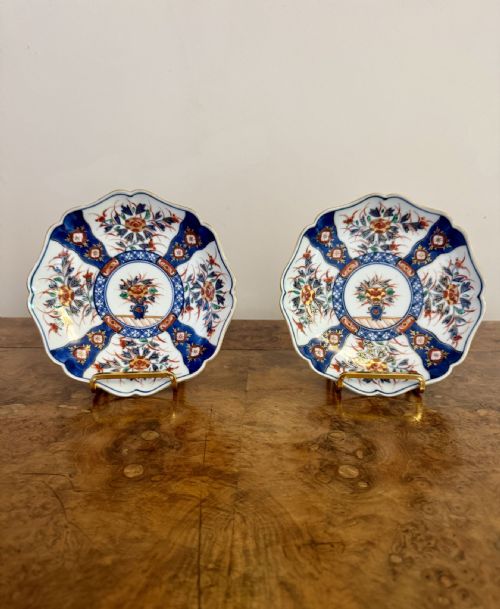
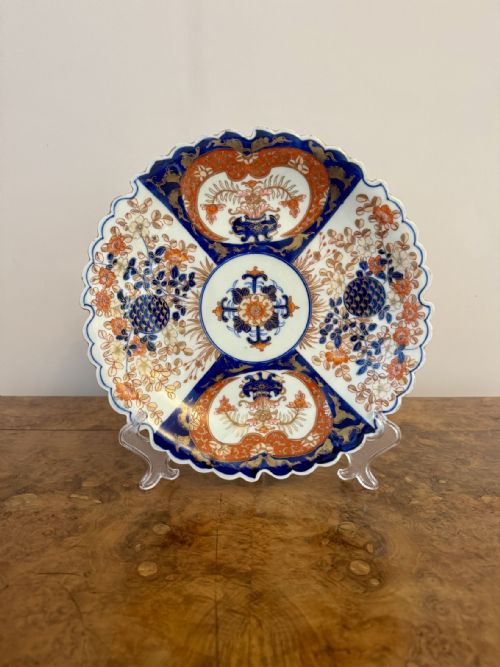
The selection on this page centres on British factories such as Royal Worcester, Minton, and Spode, alongside continental European makers like Meissen, Sevres, and Vienna, plus Japanese Imari and Satsuma wares. Forms range from small dessert plates to large chargers measuring up to forty centimetres in diameter.
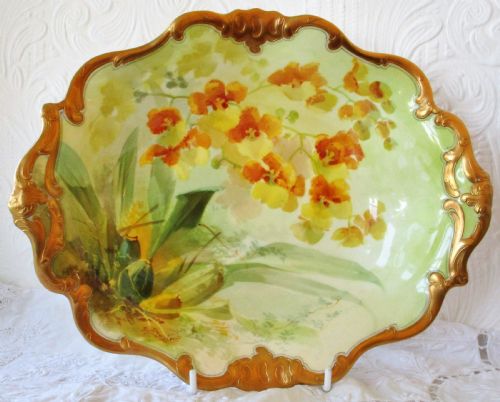
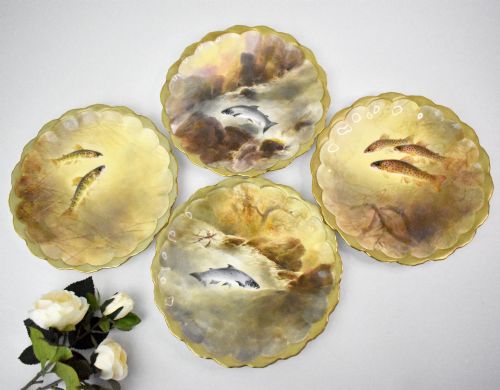
Makers utilised various painting traditions, showing hand-painted fruit, botanical studies, armorial crests, and Japanese-inspired motifs accented with gold leaf and gilding.
How they were made
Ceramic bodies such as porcelain, bone china, and ironstone form the structural foundation, shaped into plates, chargers, and dishes with smooth or reticulated and pierced rims. Potters applied enamel colours by hand, often painting naturalistic fruit, birds, or figurative scenes.
Gold leaf, gilt, and heavy gilding were applied to borders, handles, and highlights, then fired to fuse the metal onto the glaze. Specialists added hand-painted signatures or factory marks to the reverse.
Listings feature eighteenth-century French Sevres alongside nineteenth-century English porcelain and Japanese Meiji period chargers.
What varies in quality
The standard of painting sets the finest pieces apart, visible in the brushwork of named artists rendering detailed fruit, flora, or figures. The crispness of the porcelain body, the depth of reticulation in pierced rims, and the richness of the gold leaf application define the higher tier.
Pieces bearing distinct factory marks, artist signatures, or armorial provenance command attention for their documented heritage.
Royal Worcester·Minton·Royal Doulton·Copeland·Meissen·Spode·Barr Flight and Barr·Royal Vienna
The Gilt Ceramic Display Plates Glossary
- Cabinet plate
- A decorative plate intended for display in a glass-fronted cabinet rather than everyday table use. These often feature elaborate hand-painted scenes and heavy gilding.
- Charger
- A large decorative plate or dish, typically exceeding thirty centimetres in diameter, displayed on walls or sideboard stands.
- Imari palette
- A decorative style originating in Japan, defined by underglaze blue, iron red, and abundant gold highlights, later copied by European factories.
- Reticulated
- Pierced or openwork ceramic design usually found along the rim of a cabinet plate, requiring skilled craftsmanship during the cutting and firing stages.
- Armorial
- A ceramic service or single plate decorated with a family crest, coat of arms, or heraldic insignia.
Gilt Ceramic Display Plates: Frequently Asked Questions
How do I hang a heavy charger safely?
Large chargers require robust wall brackets or spring-loaded plate hangers designed specifically for heavy ceramics. Ensure the wire or mounting hardware supports the full diameter and weight securely.
Avoid hanging pieces in direct sunlight or areas subject to temperature fluctuations, which can stress the glaze and gilt over time.
Can I use these plates for serving food?
Cabinet plates and chargers are created for display and ornamental use. Many antique pieces feature delicate overglaze enamel painting and fragile gold leaf that will wear away with food or washing.
Display them on plate stands or wall mounts to preserve the surface decoration.
What is the difference between porcelain and ironstone?
Porcelain is a fine, translucent ceramic fired at high temperatures, offering a smooth, refined white body ideal for detailed painting. Ironstone is a dense, opaque earthenware developed for durability.
Both materials accept rich gilding, but porcelain typically forms finer cabinet plates while ironstone makes robust chargers.
How do I identify a Victorian cabinet plate?
Victorian pieces often display eclectic revival styles such as Rococo curves, Neoclassical motifs, or Japanese Aesthetic movement designs. Look for factory backstamps, impressed ciphers, and registration marks specific to the nineteenth century.
Hand-painted details and raised gold paste further indicate this period of production.