



Iron Red China Plates
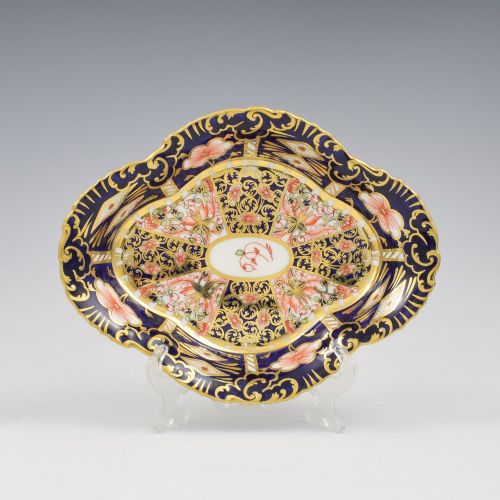
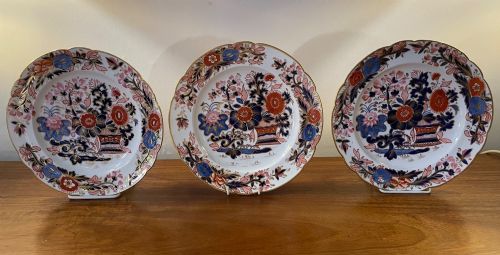
Iron red china plates bring vibrant rustic warmth to a table, offering centuries of hand-painted ceramic artistry.
Iron Red China Plates
When you search for iron red china plates, you encounter pieces spanning the eighteenth, nineteenth, and twentieth centuries, originating from diverse traditions including Japanese Imari, Chinese export, and English manufacture. The selection on this page leans heavily toward nineteenth-century production alongside eighteenth-century export wares and twentieth-century Japanese examples.
The forms range from standard decorative plates to large charger plates and sets numbering from pairs up to fourteen matching items. These pieces showcase various stylistic influences, such as Regency Chinoiserie, Georgian tastes, and traditional Japanese Imari palettes.
Collectors find objects ranging from early Staffordshire plates utilising an Imari palette to Bow porcelain featuring Kakiemon style quail patterns. Qianlong dynasty Chinese Imari plates and Mason's patent ironstone china also appear within this category.
How they were made
Makers utilised porcelain, soft-paste porcelain, earthenware, and ironstone as the primary ceramic bodies for these wares. Artisans applied hand-painted enamel decoration directly onto the fired surfaces, frequently combining iron red pigments with other colours.
Gilding and gold leaf often highlight the painted designs, adding metallic brilliance to the ceramics. Potters shaped these chargers and plates using traditional moulding and throwing techniques before applying the characteristic glazes and overglaze enamels.
Iron Red China Plates Retail Price Guide 2026
Typical asking prices for iron red china plates among the pieces listed under this phrase on Sellingantiques today, from the lower quarter to the upper quarter. They describe what is for sale here now, not the wider market.
Decorations on these pieces incorporate enamel, gilding, and gold leaf executed in Japanese Imari, Chinese export, and Regency Chinoiserie styles.
What varies in quality
The precision and detail of the hand-painted brushwork separate standard production from exceptional examples. Finer pieces display crisp execution in traditional motifs such as the Kakiemon quail pattern or complex Imari compositions.
The richness of the enamel colours and the preservation of the gilding or gold leaf dictate the visual impact of each plate. Complete matching sets or large chargers also represent higher levels of original commissioning and survival.
The Iron Red China Plates Glossary
- Iron red
- A rust-red overglaze enamel colour derived from iron oxide, widely used in Asian and European ceramics. It provides the dominant warm tone characteristic of these plates.
- Imari palette
- A decorative scheme typically featuring underglaze blue, iron red, and gilt, originating in Japan and copied widely in Europe. This combination creates a rich, contrasting visual effect.
- Soft-paste porcelain
- A ceramic material composed of clay and glass-like frit, fired at lower temperatures than hard-paste. It possesses a warm, slightly creamy body common in eighteenth-century English factories.
- Charger plate
- A large decorative plate traditionally used as a base under other courses or displayed upright on a wall or dresser. These substantial pieces showcase wider decorative schemes.
- Kakiemon style
- A Japanese ceramic aesthetic featuring asymmetric enamel designs of birds, flowers, and quails on a milky white ground. European potteries frequently imitated this refined style.
Iron Red China Plates: Frequently Asked Questions
What are iron red china plates?
These pieces are ceramic plates and chargers decorated with distinctive iron red enamel, often combined with blue and gold. They encompass Asian export wares and European interpretations.
Items range from eighteenth-century English porcelain to nineteenth-century Staffordshire and Japanese Imari output.
How were these plates used?
Many served as functional tableware for dining or decorative display within prosperous households. Large chargers functioned primarily as ornamental centrepieces.
Sets were acquired for formal dining tables, while individual pieces added colour to wall displays.
How do I live with antique plates?
Display them securely on plate hangers or within cabinets to protect the hand-painted enamels and gilding. Hand washing in lukewarm water preserves the fragile overglaze decoration.
Keep them away from direct sunlight and abrasive cleaning materials to maintain their surface colours.
How do I tell periods apart?
Eighteenth-century pieces often display soft-paste porcelain bodies or specific export marks like the Qianlong dynasty attribution. Nineteenth-century examples frequently include ironstone bodies or nineteenth-century Staffordshire characteristics.
Twentieth-century Japanese export pieces display crisp hand-painted Imari motifs on standard porcelain.