


Gilt Ceramic Charger
When you search for a gilt ceramic charger, you find broad, heavily decorated display pieces that blend precious metal accents with painted ceramics.
Gilt Ceramic Charger
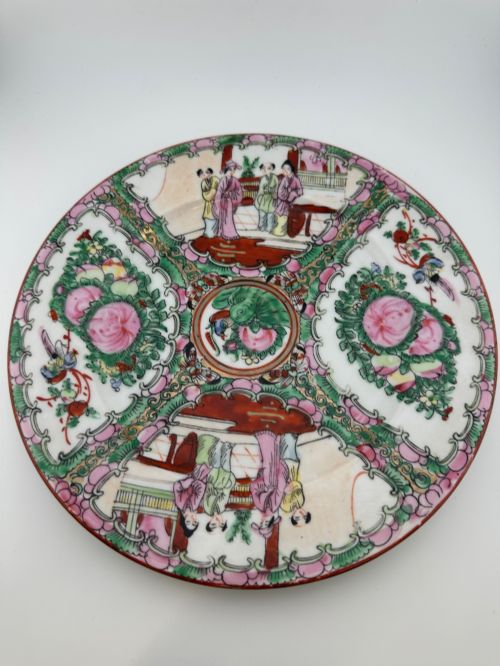
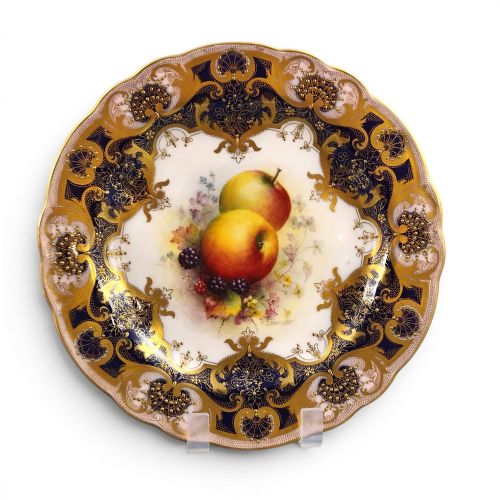
A gilt ceramic charger is a large decorative plate or wall dish surface finished with metallic gold leaf, gilding, or ormolu mounts. These objects function primarily as display pieces rather than tableware, appearing in various forms across centuries of ceramic production.
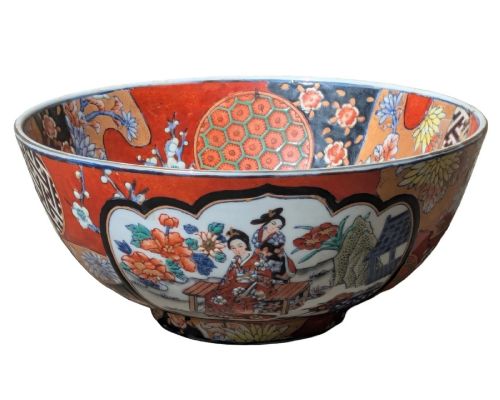
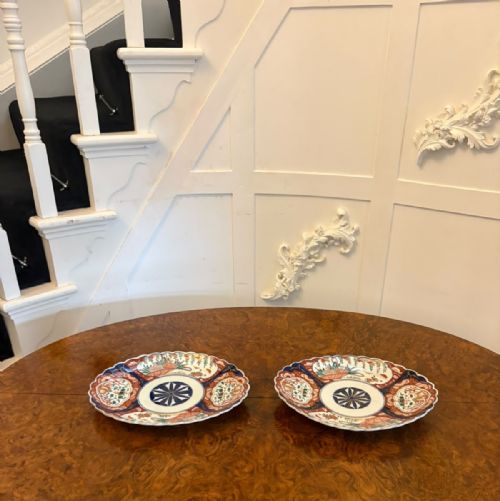
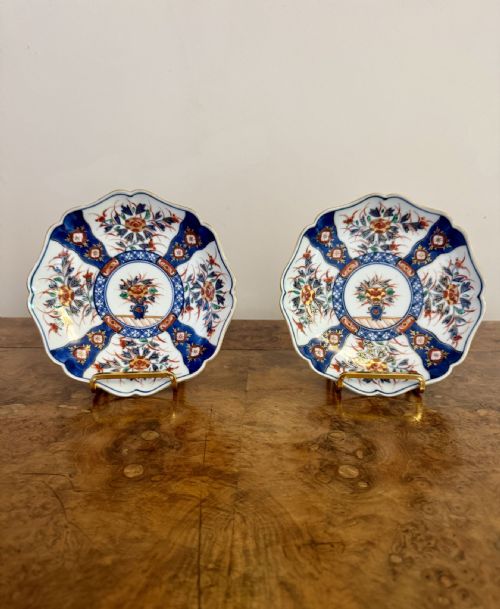
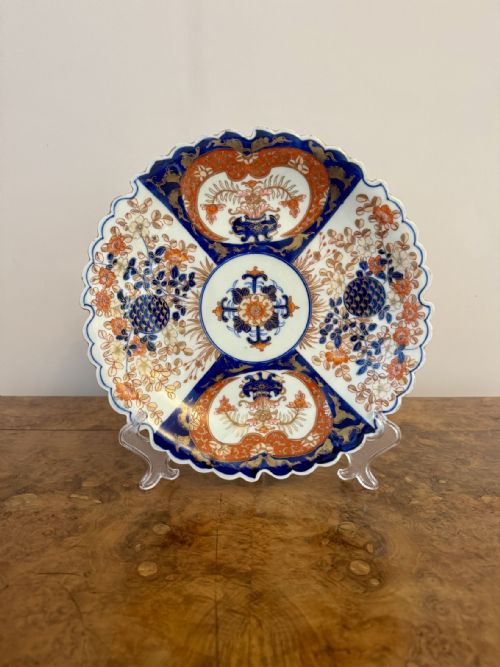
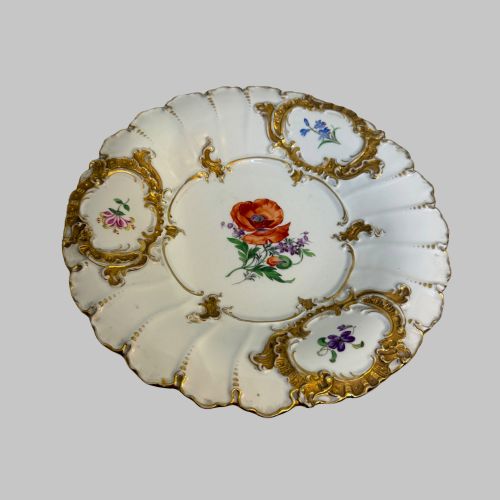
On this page, you are most likely to meet 19th-century and early 20th-century examples, ranging from Japanese Imari and Kutani porcelains to European works from Vienna, Meissen, and English potteries like Mason's and Copeland.
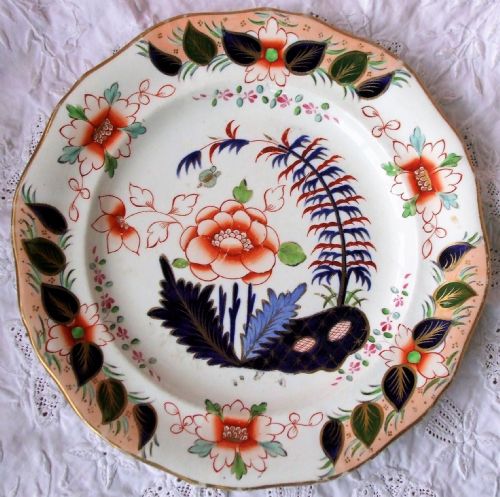
The selection encompasses diverse decorative traditions, including Chinese export wares, Neoclassical mythological scenes, and Japanese Meiji period designs executed in porcelain, bone china, and ironstone.
How they were made
Makers utilised high-fired ceramic bodies, including hard-paste porcelain, ironstone, and bone china, shaped into large bowls, trays, and deep circular plates. These ceramic bases provided a stable foundation for intricate hand-painted motifs and layered enamels.
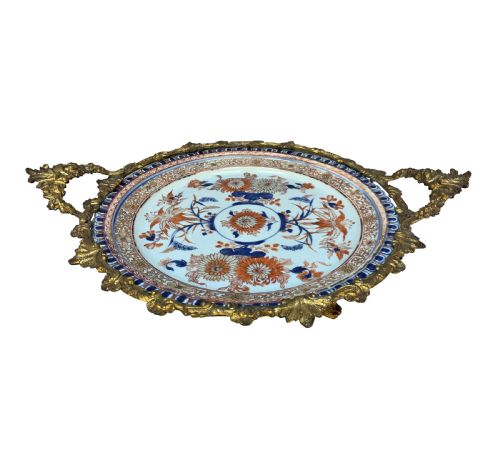
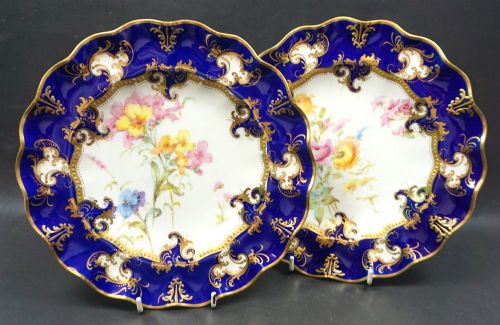
Gilding was applied using gold leaf or liquid gold highlights, often fired onto the glaze to create durable metallic sheens that framed central pictorial scenes. Some pieces incorporated bronze or ormolu mounts to secure and elevate the ceramic body.
Listings feature 19th-century European porcelain and Japanese Meiji period ceramics alongside 18th-century Chinese export wares.
What varies in quality
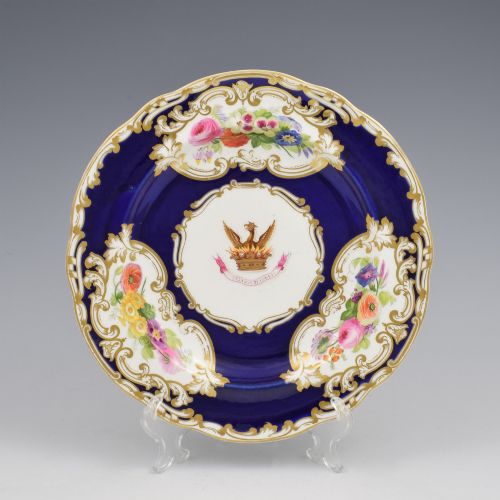
The standard of painting determines the tier of the piece, separating rapid commercial output from masterworks featuring detailed mythological figures, exotic birds, or armorial crests. Hand-painted precision by named artists or recognised studios elevates the artistic value of the ceramic surface.
The application and preservation of the gilding further distinguish the range, alongside the complexity of the porcelain body, such as reticulated pierced borders or specialised ground colours like orange, yellow, and bleu céleste.
John Davenport of Longport·Royal Crown Derby·Royal Worcester·Meissen·Mason·Samson Paris
The Gilt Ceramic Charger Glossary
- Charger
- A large decorative plate or dish intended for display on a wall or cabinet rather than for serving food.
- Gilding
- The application of gold leaf or powdered gold to the surface of ceramics to create metallic ornamentation.
- Ironstone
- A heavy, durable type of earthenware patented in the 19th century as a robust alternative to porcelain.
- Imari
- A traditional Japanese style of porcelain decorated in underglaze blue, iron red, and gold, widely replicated in Europe.
- Reticulated
- Describes ceramics featuring openwork patterns or pierced lattice borders cut into the clay before glazing and firing.
Gilt Ceramic Charger: Frequently Asked Questions
How were chargers displayed?
These large ceramic plates were traditionally mounted on walls or set upright in cabinets to showcase their painted surfaces and gilt details.
Their substantial size and rich ornamentation made them focal points in formal dining rooms and drawing rooms.
What is the difference between a charger and a cabinet plate?
Chargers are generally larger in diameter and were designed to stand out as major decorative wall or table centerpieces.
Cabinet plates are often smaller and were collected specifically to be housed within glass display cabinets alongside other fine porcelain.
How do I identify Meiji period Japanese pieces?
Meiji period pieces date from the late 19th to early 20th century and frequently display dense hand-painted patterns in iron red and gold.
Many bear specific artist or studio marks from production centres like Kutani and Satsuma.
Why are some pieces mounted in metal?
Certain porcelain plates and bowls feature ormolu or cast metal mounts added to enhance their stature and provide structural framing.
This practice was common in European workshops adapting imported Asian ceramics for affluent interiors.