


Gilt Ceramic Centrepiece
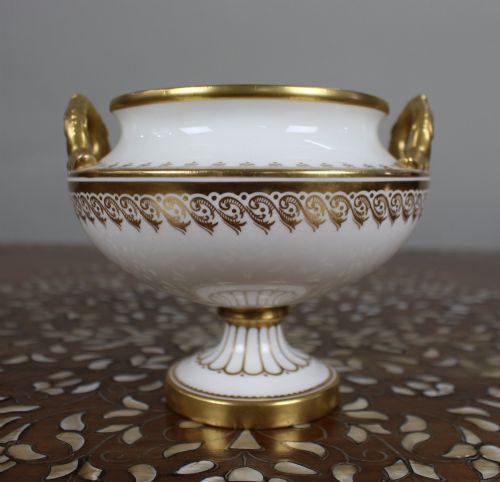
A gilt ceramic centrepiece brings a formal focal point to a table, combining lustrous metallic gilding with porcelain, ironstone or bone china.
Gilt Ceramic Centrepiece
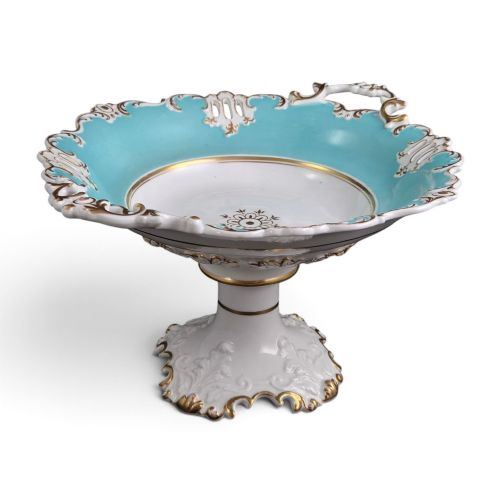
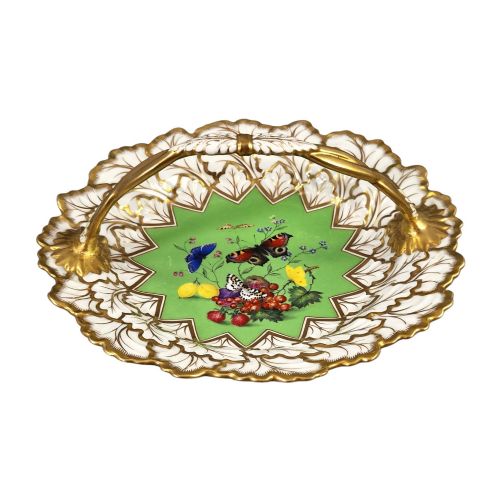
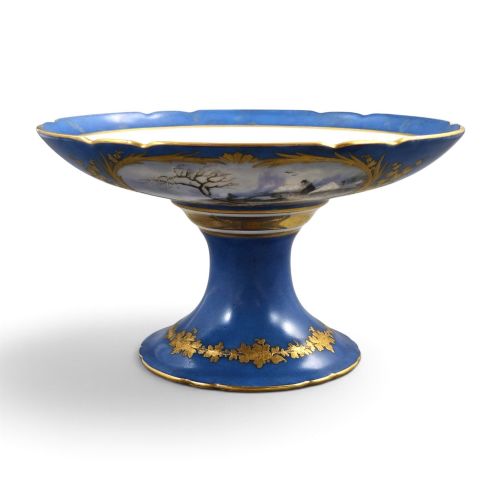
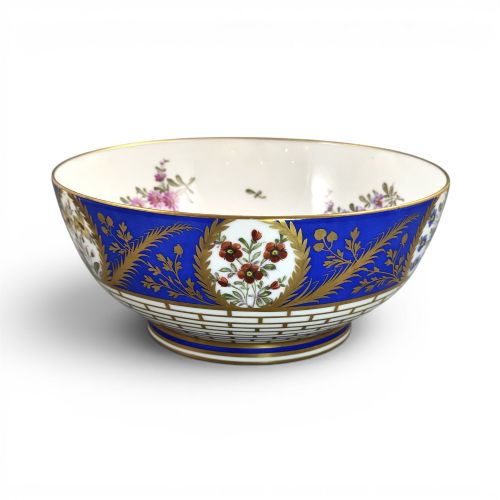
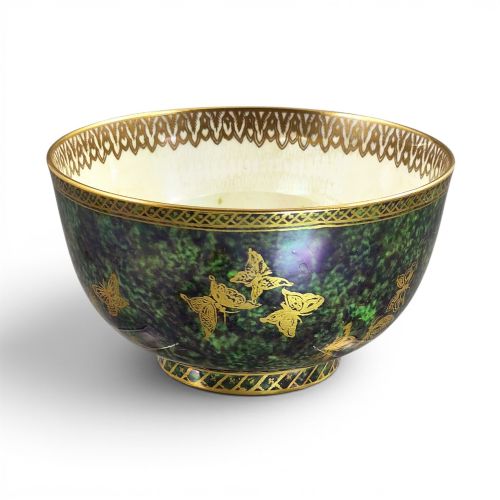
A gilt ceramic centrepiece serves as a prominent table ornament, encompassing decorative bowls, comports, tazzas, baskets and large display dishes. The pieces span centuries of ceramic production, from Georgian earthenware and Regency porcelain to Victorian hard-paste vessels and Edwardian lustreware.
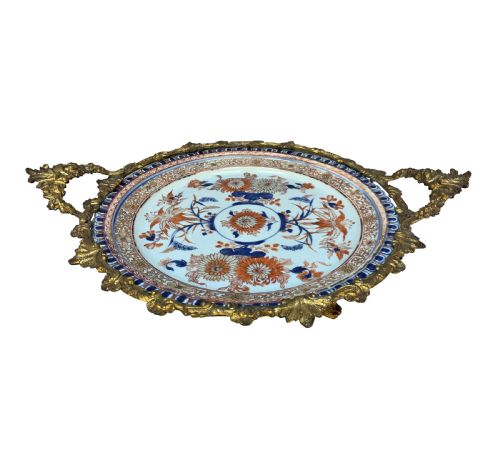
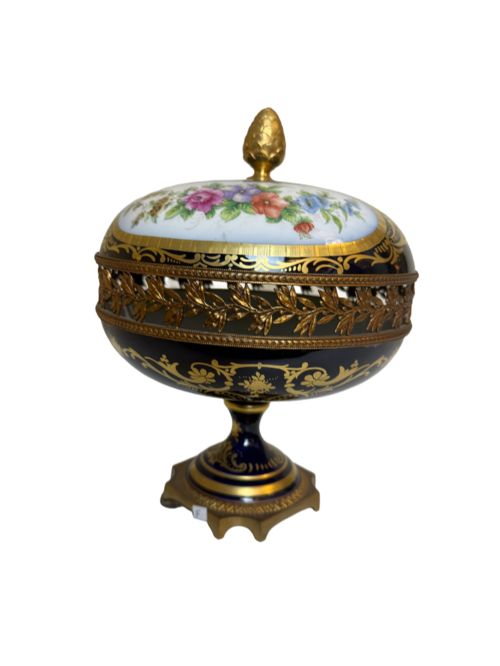
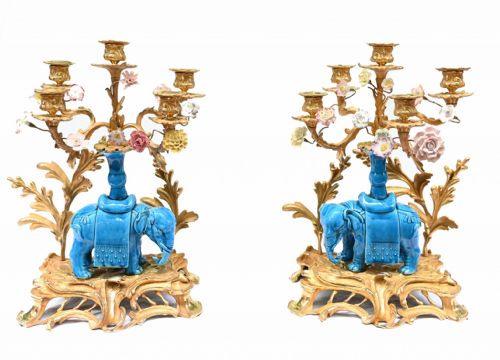
Buyers encounter European factories such as Coalport, Worcester, Derby, Sevres and Meissen, alongside Chinese export wares and Japanese Imari porcelain. Many combine ceramic bowls with cast bronze mounts, ormolu fittings or applied figures.
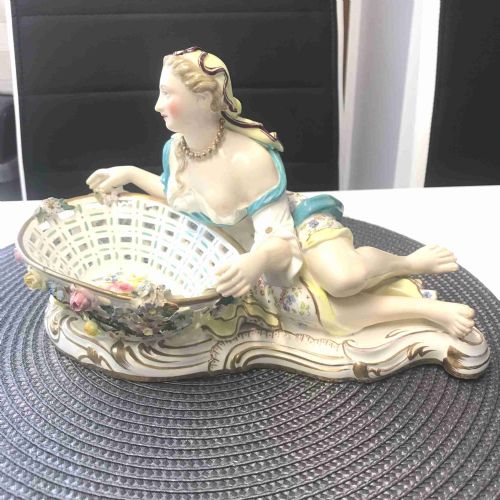
Forms vary from footed fruit bowls and lidded tureens to figural sweetmeat dishes supported by putti or animals. The unifying characteristic across the selection is the integration of ceramic bodies with rich gilding, enamel highlights or gold leaf details.
How they were made
Makers shaped hard-paste porcelain, bone china, ironstone or earthenware on the wheel or pressed them into moulds before firing at high temperatures. Artisans then applied underglaze painting, enamels or transfer printing for the primary decorative patterns.
Gilt highlights, gold leaf and gilding were applied by hand and fired again to bond the metal to the ceramic glaze. Metal components such as ormolu, gilt bronze mounts and champlevé enamel frames were cast separately and secured to complete the structural centrepiece.
Listings feature porcelain, ironstone and bone china decorated with gold leaf, ormolu and champlevé enamel.
What varies in quality
The standard of a gilt ceramic centrepiece rests on the crispness of the porcelain moulding and the precision of the hand-painted details. Superior pieces display finely rendered landscapes, delicate floral sprays or intricate figural modelling without blurring in the enamel work.
The execution of the gilding marks a distinct tier in craftsmanship, where raised gold work and hand-chiselled ormolu mounts demonstrate greater artisan skill than flat, machine-applied metallic paint. Maker attribution and factory marks from renowned kilns further elevate the standing of an individual vessel.
Flight Barr And Barr·Royal Crown Derby·Royal Worcester·C G Schierholz And Sohn·Wedgwood
The Gilt Ceramic Centrepiece Glossary
- Ormolu
- Gilded bronze furniture and decorative mounts popular in French and English works. It provides a bright metallic contrast to ceramic bodies.
- Hard-paste porcelain
- A durable ceramic composition fired at very high temperatures. It offers a bright white body that accepts rich enamel colours and gold leaf securely.
- Garniture
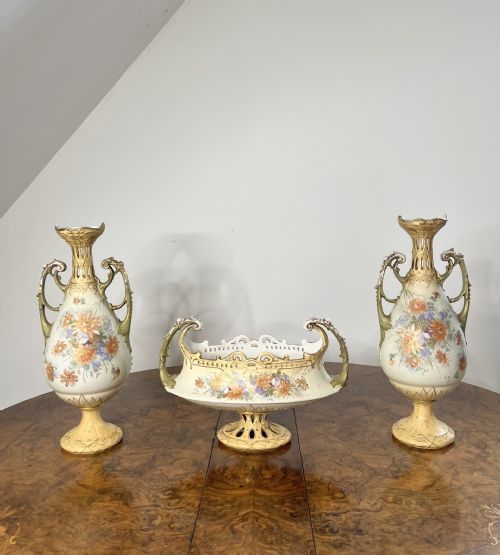
- A set of matching ornamental vases or pots designed for display together on a mantelpiece or sideboard. They frequently share the gilt and ceramic themes of the central bowl.
- Comport
- A decorative dish raised on a foot, used for dessert presentations. These pieces often incorporate hand-painted scenes and gilded edges.
Gilt Ceramic Centrepiece: Frequently Asked Questions
What is a gilt ceramic centrepiece?
It is an ornamental vessel designed for the middle of a dining table or sideboard, combining fired ceramic with gold leaf or metallic gilding. These items include large bowls, comports and basket forms.
Craftsmen across European and Asian potteries produced them to hold fruit, sweets or floral displays during formal meals. The reflective gilt surfaces catch candlelight and natural room illumination.
How do I clean a gilt ceramic centrepiece?
Dust the surface gently with a soft, dry artist brush to remove particles without abrading the delicate metallic decoration. Avoid liquid cleaners or harsh cloths.
Water and commercial detergents can wear away historic hand-applied gilding and enamel work. Professional conservation methods should be consulted for heavily soiled antique pieces.
How do I identify the period?
Examine the base for factory backstamps, impressed marks or hand-painted signatures that correspond to known operating dates of potteries. Stylistic clues such as Rococo revival scrolls or Art Deco geometries also indicate the era.
Material composition and manufacturing techniques help narrow down the age. For instance, ironstone bodies and specific enamel palettes point directly to Georgian or Victorian manufacturing windows.
Where were these pieces used?
Owners placed them centrally on dining tables as decorative showpieces during banquets and formal dinner parties. They occupied prominent positions on sideboards when not in active use.
Drawing rooms and antechambers also housed these vessels on display tables and cabinets. Their primary purpose was aesthetic display rather than heavy domestic utility.