



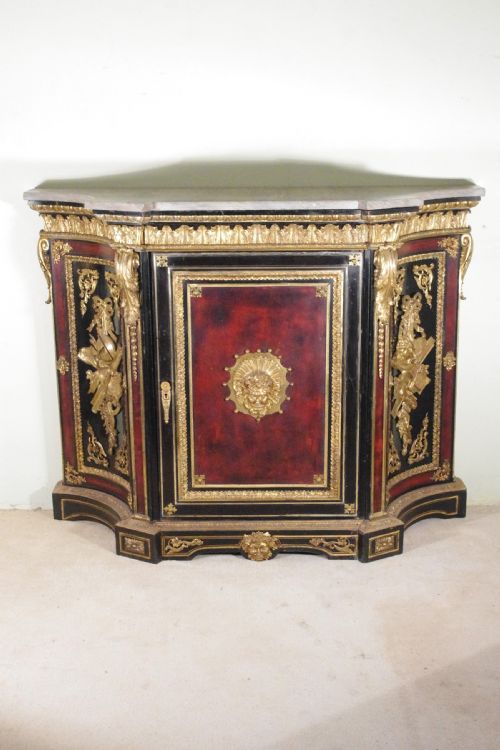

Gilt Bronze Pier Cabinet
A gilt bronze pier cabinet brings nineteenth-century drawing rooms alive through rich woods, polished stone, and gleaming cast mounts.
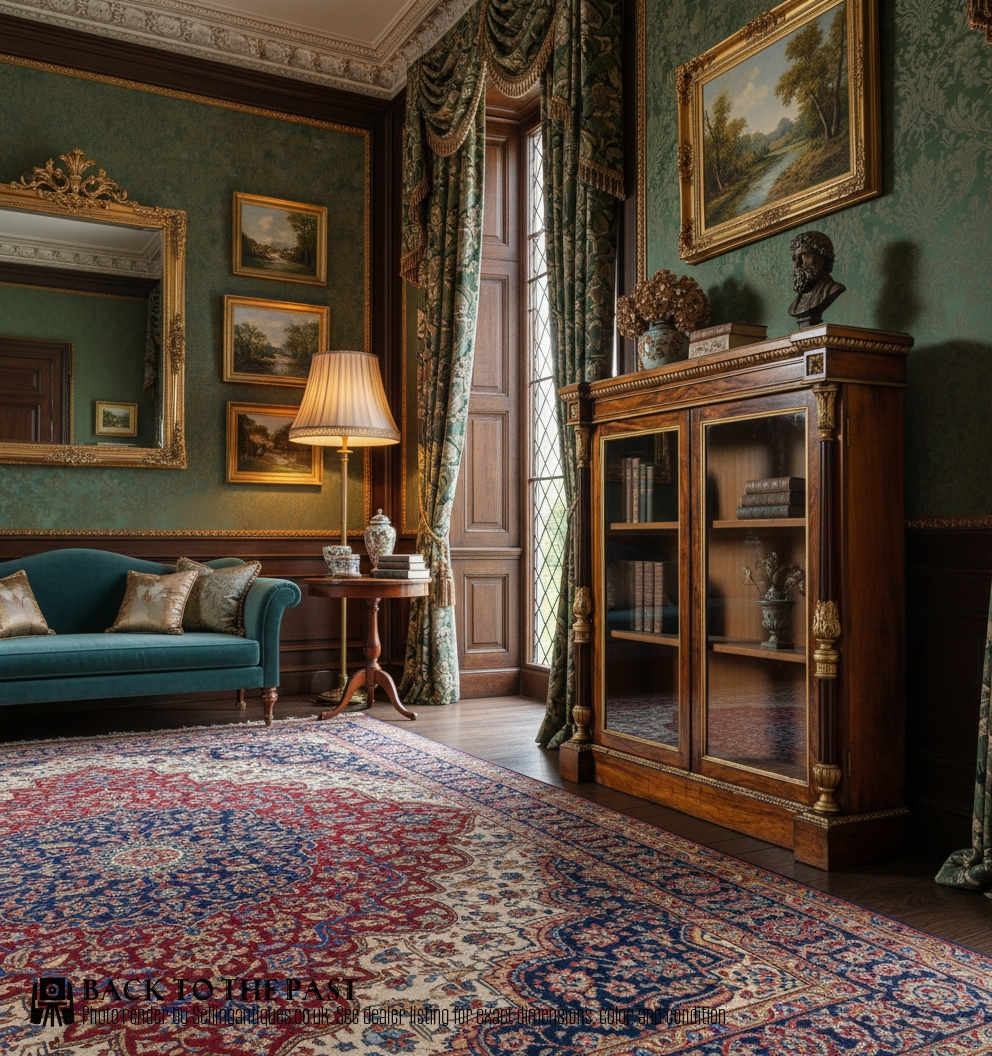
Gilt Bronze Pier Cabinet
A gilt bronze pier cabinet is typically designed to sit against the wall space between windows, combining display shelving with enclosed storage. These pieces emerge chiefly across the Victorian era and the nineteenth century, reflecting both British craftsmanship and French revival movements.
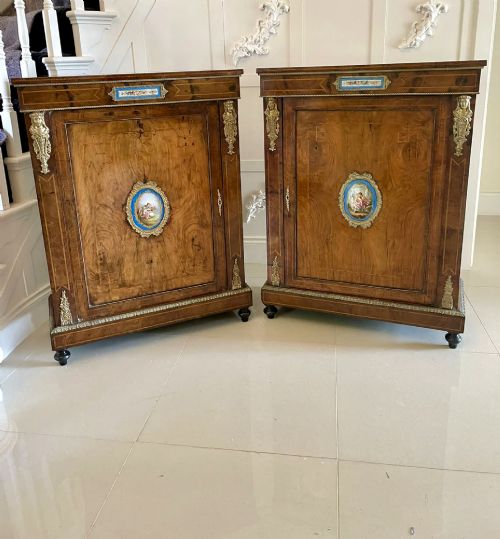
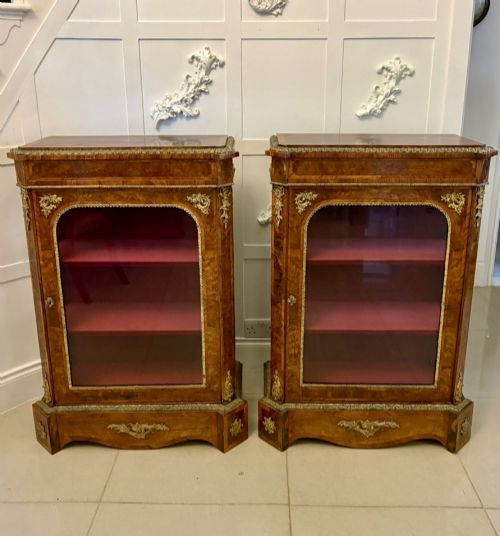
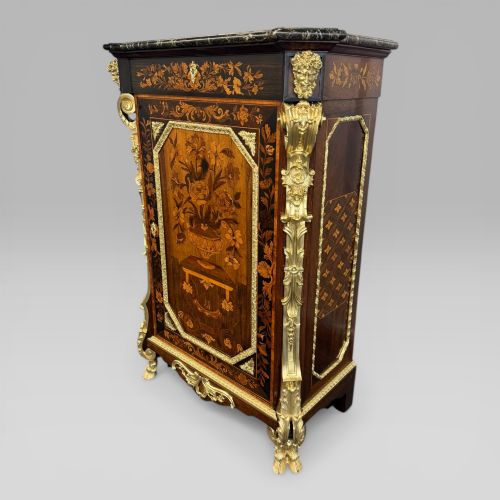
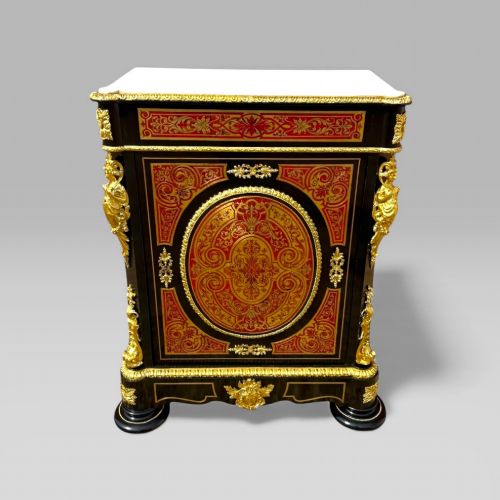
The most common examples encountered here are walnut side cabinets and ebonised French pier furniture, frequently detailed with marquetry and topped with marble. Buyers often find pairs of these narrow cabinets designed to balance a formal room.
Origins span British Victorian workshops and continental French ateliers, drawing on Louis XVI and Napoleon III style influences. The forms range from single-door display units to compact credenzas and cabinets set with porcelain plaques.
Materials and construction methods
Carinthian and English cabinet makers utilised dense timber foundations such as walnut, satinwood, kingwood, and ebonised wood, often enhanced by intricate marquetry and tortoiseshell boulle work. These carcasses provide the weight and stability needed to support heavy stone elements.
Ormolu and gilt bronze mounts are cast and chased to frame doors, corners, and plummets, fixed securely to the timber structure. Marble tops are fitted precisely to the upper surface, while glass panels and mirrored interiors complete the display function.
Gilt Bronze Pier Cabinet Retail Price Guide 2026
Typical asking prices for gilt bronze pier cabinet among the pieces listed under this phrase on Sellingantiques today, from the lower quarter to the upper quarter. They describe what is for sale here now, not the wider market.
Listings feature pieces spanning 1850 to 1920, predominantly representing Victorian and Napoleon III periods with French revival styles.
Distinctions in quality and execution
Quality rests in the crispness of the gilt bronze or ormolu chasing and the precision of the timber inlay. Superior pieces show deeply carved mounts and finely detailed marquetry where individual wood grains and brass strands fit without gaps.
The choice of secondary materials, from genuine marble slabs and pietra dura panels to Sevres porcelain plaques, dictates the upper tier of execution. Heavier carcasses in burr walnut, olive wood, or ebonised finishes paired with robust brass and tortoiseshell work indicate ambitious workshop production.
Edward Holmes Baldock
The Gilt Bronze Pier Cabinet Glossary
- Ormolu
- Gilded bronze used for decorative mounts and hardware. The process involves applying a mercury-gilding technique common in nineteenth-century French and British cabinet making.
- Pier cabinet
- A narrow piece of furniture built to fit the wall space between two windows. These cabinets often feature glass doors for displaying porcelain and small collectibles.
- Marquetry
- Decorative patterns formed by inserting thin veneers of wood, ivory, or metal into a wooden carcass. This technique creates elaborate floral or geometric pictorial designs across the door fronts.
- Boulle
- A form of marquetry using brass and tortoiseshell popularized by French artisans. It creates a striking contrast of golden metal against dark organic shell.
- Pietra dura
- Inlay work using polished, coloured stones to create formal or pictorial designs. It appears on the most elaborate nineteenth-century cabinet panels.
- Sevres plaque
- Porcelain panels painted in distinctive styles and set into furniture doors. These plaques originated from the famous French royal porcelain manufactory.
Gilt Bronze Pier Cabinet: Frequently Asked Questions
Where should I place a pier cabinet?
These narrow cabinets fit naturally against wall spaces between windows or along narrow hallway walls where deeper furniture will not pass.
They also serve as focal points in drawing rooms, providing surface space for lamps or decorative objects while keeping collections visible behind glass.
How do I distinguish French styles from Victorian ones?
French pieces from the nineteenth century often favour ebonised finishes, tortoiseshell, and elaborate ormolu mounts influenced by Napoleon III and Louis XVI revivals.
Victorian pieces frequently showcase native or exotic woods like walnut and satinwood with marquetry inlay, reflecting British interpretations of continental forms.
Can these cabinets hold heavy books?
Pier cabinets are primarily built for display and light storage rather than heavy library use. Their internal shelving is generally intended for porcelain, glassware, and small collections.
Placing excessive weight on the interior shelves can stress the timber supports and antique glass panels.
What is the purpose of the marble top?
Marble tops provide a durable, cooling surface that contrasts with the warm tones of the timber carcass below. They also added weight and stability to the cabinet structure.
Historically, this stone surface allowed owners to place plants or water jugs on the furniture without risking water damage to the wood veneer.