
Gilt Black Side Table
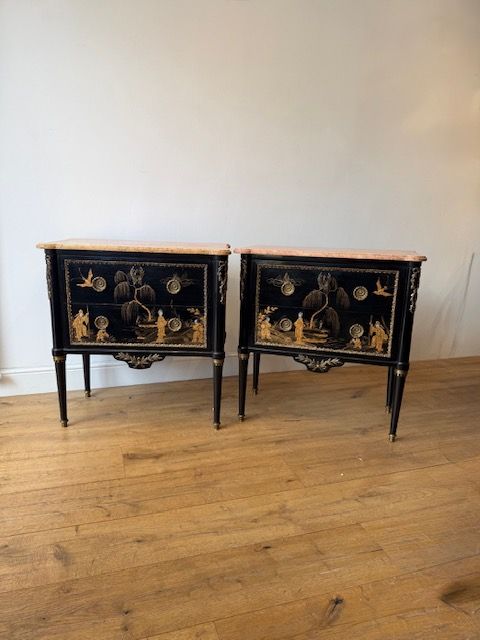
These gilt black side tables bring dramatic contrast and dark reflective surfaces into a room.
Gilt Black Side Table
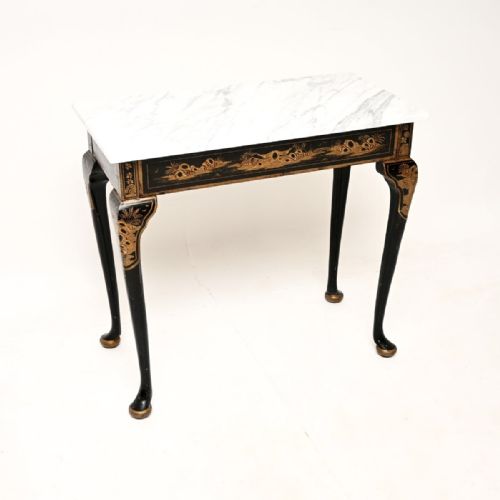
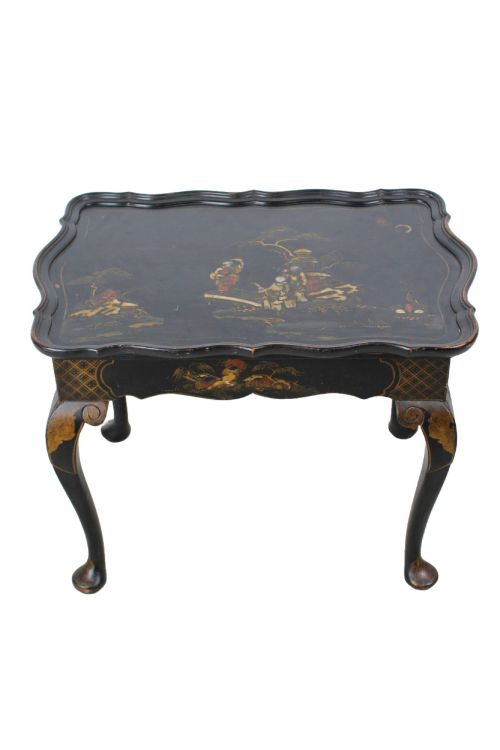
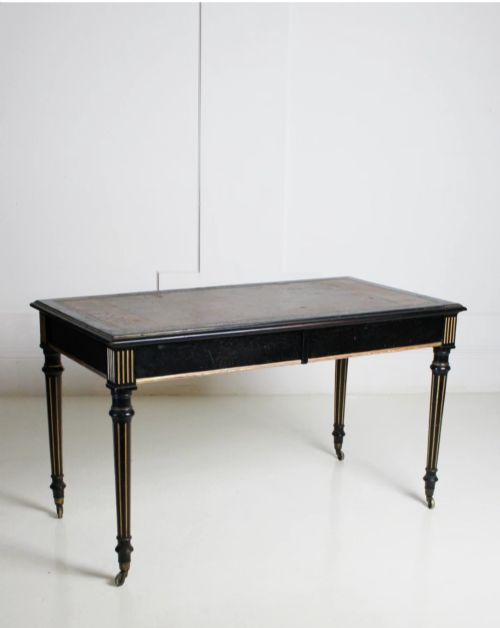
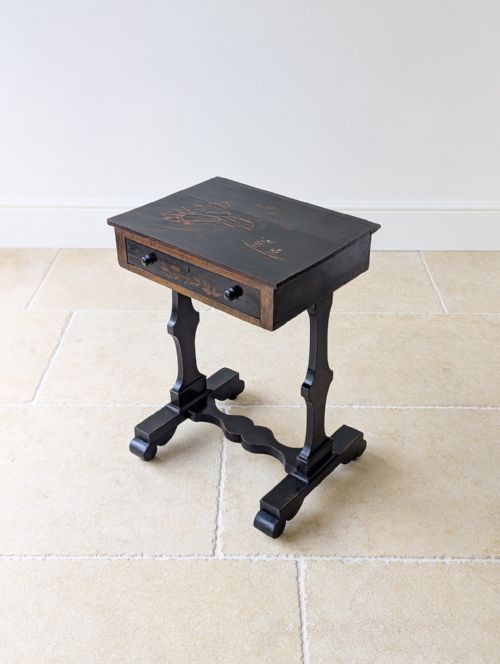
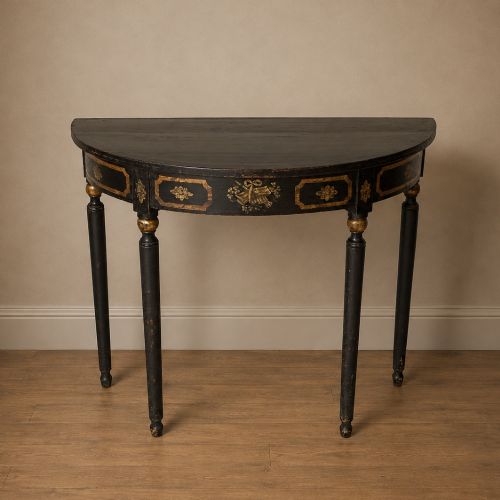
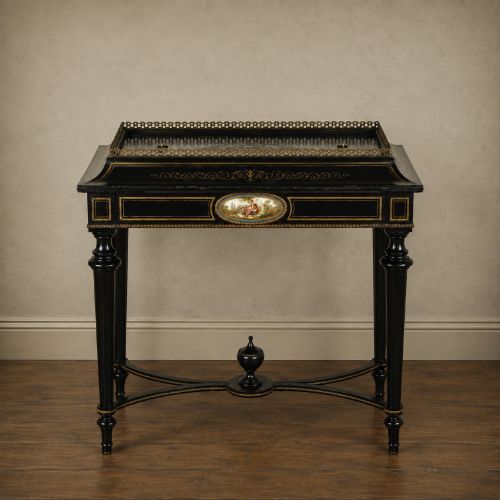
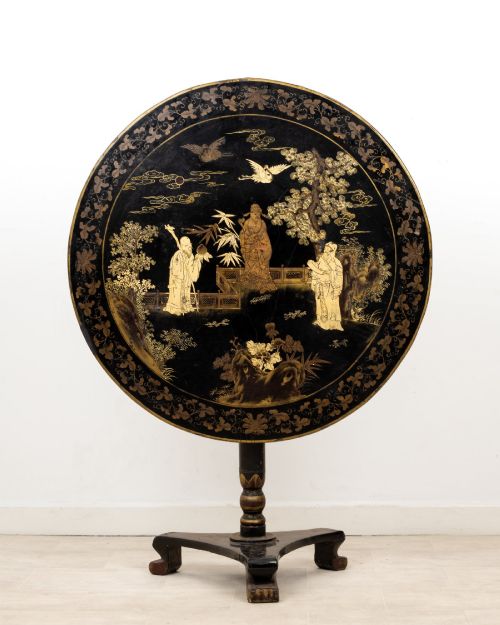
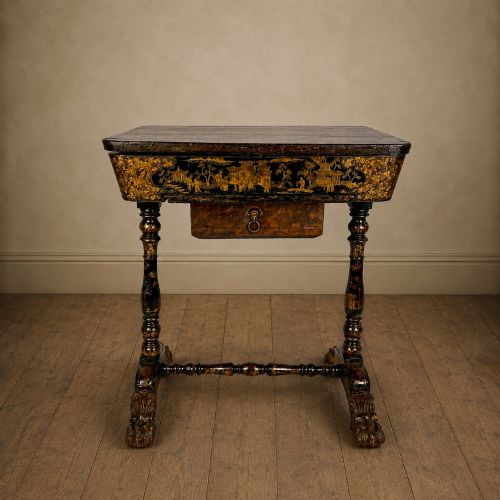
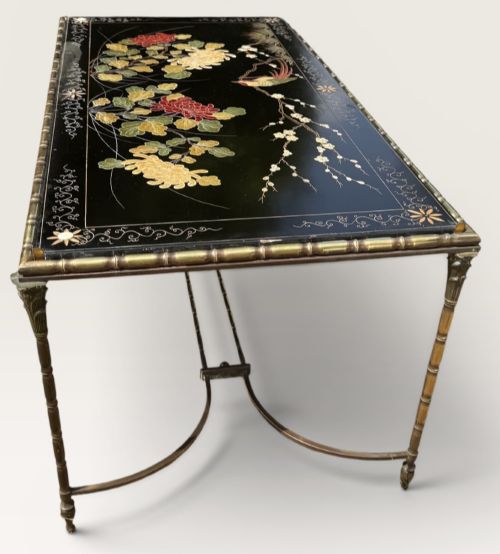
A gilt black side table combines dark painted, ebonised or lacquered timber grounds with bright gilding or parcel gilt highlights, creating a striking visual presence. When searching for a gilt black side table, buyers encounter forms ranging from Regency console tables and occasional tables to Edwardian chinoiserie coffee tables and tray tables on stands.
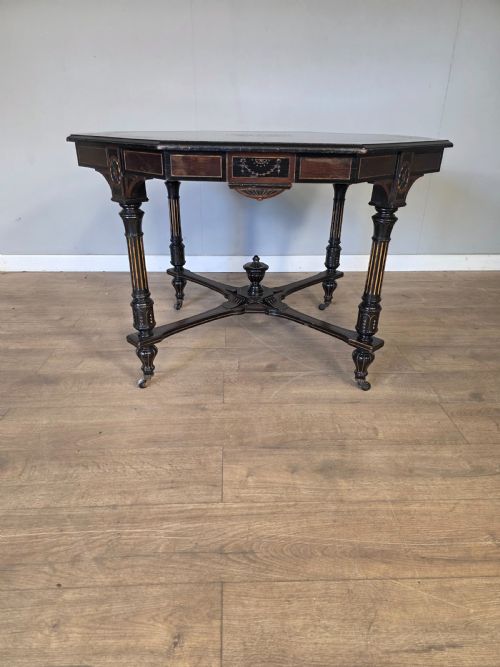
The materials and periods span the eighteenth, nineteenth, and early twentieth centuries, with Victorian and Regency examples appearing frequently alongside later chinoiserie and Aesthetic Movement designs. These pieces function as small tables, work tables, and occasional furniture, often featuring painted decoration, lacquered surfaces, or marble tops.
Materials and Construction
Craftsmen utilised wood, ebonised wood, and papier-mâché as the primary structural bases, applying black lacquer, paint, or japanning to achieve the dark finish. Gold leaf and parcel gilt were then applied to highlight carved details, edges, and decorative motifs.
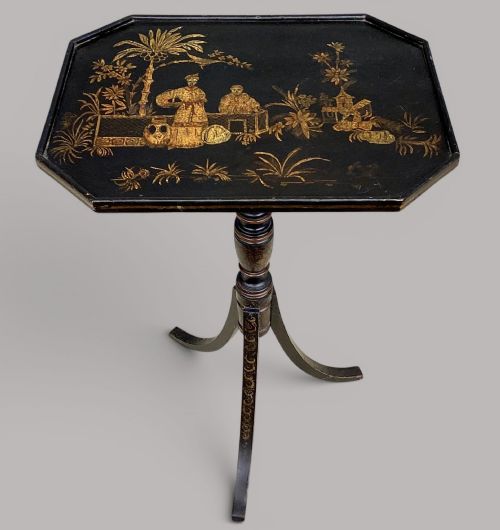
Surfaces frequently incorporate lacquerwork or hand-painted chinoiserie scenes, while structural elements in certain console and centre tables combine wood with marble tops or brass fittings.
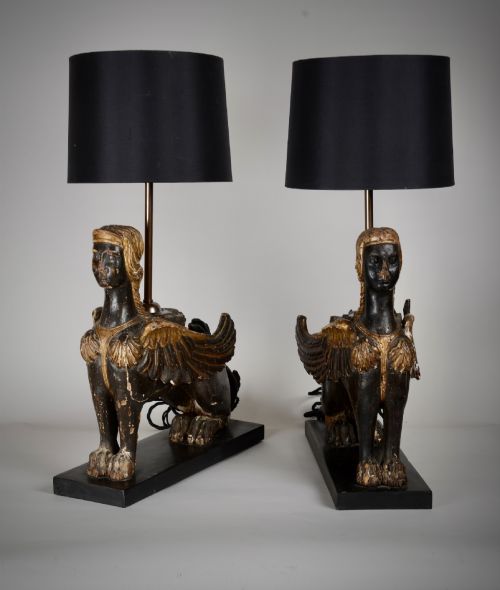
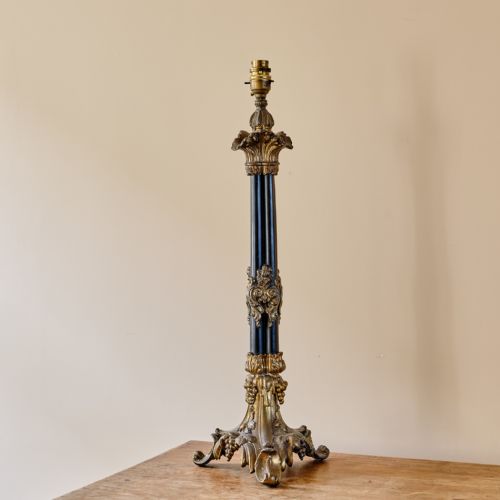
Sphinx lamp conversions stand ready to guard the corner of a room.
Distinctions in Quality
Quality rests in the execution of the surface decoration, from the depth of the black lacquer and the crispness of the hand-painted chinoiserie motifs to the purity of the gold leaf application. Finer pieces demonstrate superior control in the joinery of smaller forms like nests of tables and tray stands, alongside the use of materials such as genuine marble or papier-mâché.
The harmony between the dark ebonised or painted ground and the parcel gilt highlights dictates the visual success of the piece, separating standard production from exceptional examples.
Maison Bagues·Lamb of Manchester·Maison Millet
The Gilt Black Side Table Glossary
- Ebonised wood
- Timber treated to resemble ebony, creating a dense black surface often found on nineteenth-century furniture. This finish provides a dark, uniform background for gilt highlights.
- Japanning
- European imitation of East Asian lacquerwork, built up in layers of varnish and heat-cured. It produced durable black surfaces decorated with raised metallic designs.
- Parcel gilt
- The practice of gilding only specific portions of an object, such as carved details or edges. This technique contrasts bright gold against a black painted or ebonised wood body.
- Chinoiserie
- European artistic style reflecting Chinese motifs and decorative techniques, popular on lacquered furniture and tray tables. These designs often feature figures, landscapes, and pavilions in gold paint.
- Papier-mâché
- A composite material made from paper pulp or layers of paper bound with glue, pressed and dried. It formed lightweight trays and occasional tables that accepted black lacquer and gilding exceptionally well.
Gilt Black Side Table: Frequently Asked Questions
How do I clean a lacquered surface?
Dust gently with a soft, dry microfibre cloth to prevent scratching the dark finish.
Avoid using water, chemical sprays, or wax polish on delicate lacquer and gilt details.
Are tray tables sturdy enough for daily use?
Many tray tables feature removable papier-mâché or wooden trays resting on folding or fixed stands.
While suitable for serving drinks or holding objects, care should be taken with heavy loads on older folding bases.
What distinguishes Regency from Victorian pieces?
Regency pieces often display classical restrained lines, bold parcel gilding, and Chinese export or neoclassical influences.
Victorian examples frequently embrace heavier ebonised finishes, complex chinoiserie decoration, or papier-mâché construction.
Can I place a lamp on a side table?
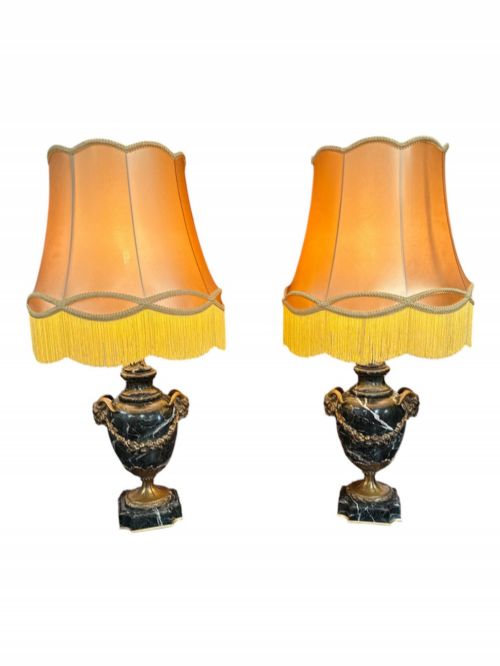
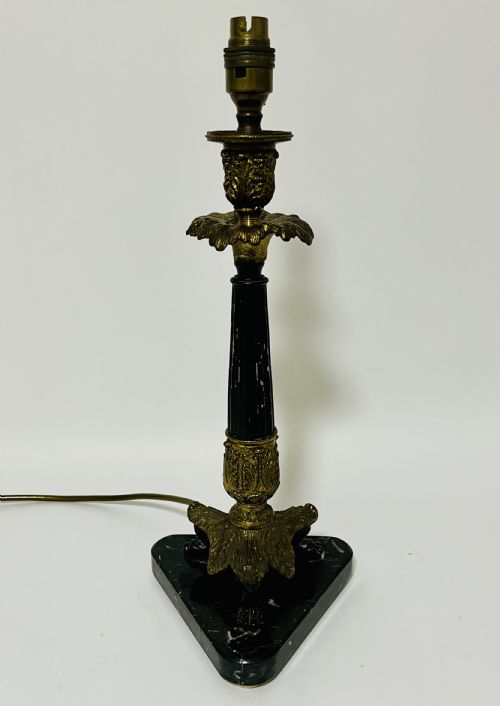
Side tables and occasional tables provide stable surfaces for table lamps and urn lamps.
Ensure the base of the lamp sits comfortably within the table top dimensions to avoid tipping.