



Gilded Wooden Lamp
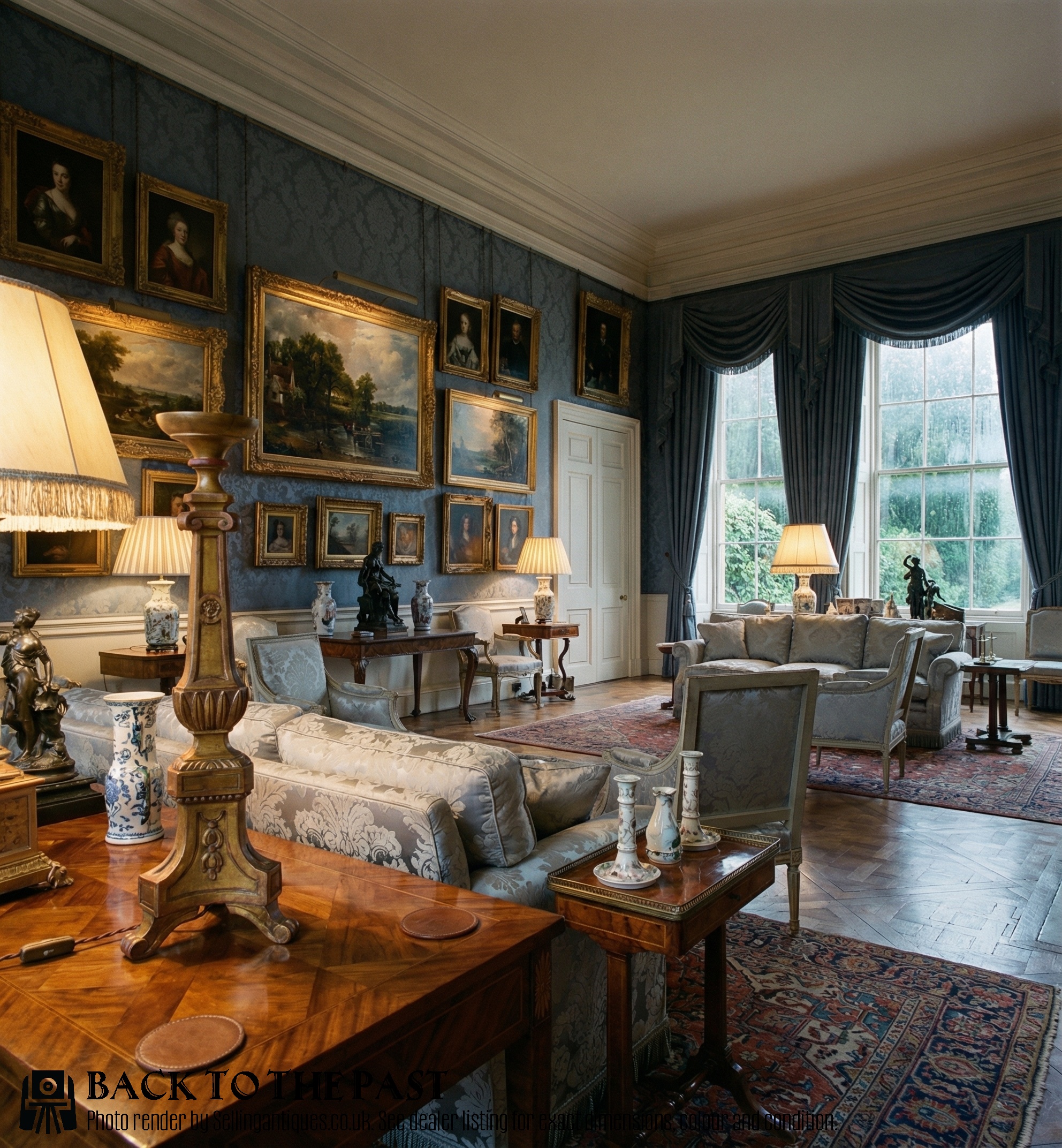
A gilded wooden lamp brings warmth and metallic sheen to a room, drawing on decades and centuries of carved timber and gold leaf.
Gilded Wooden Lamp
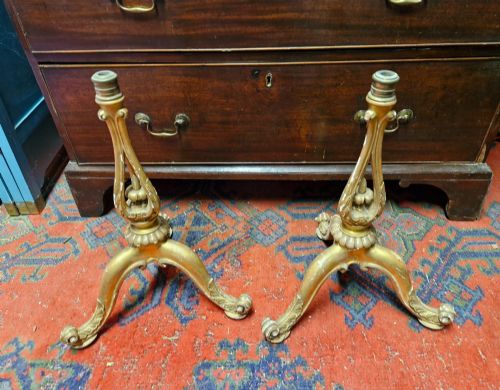
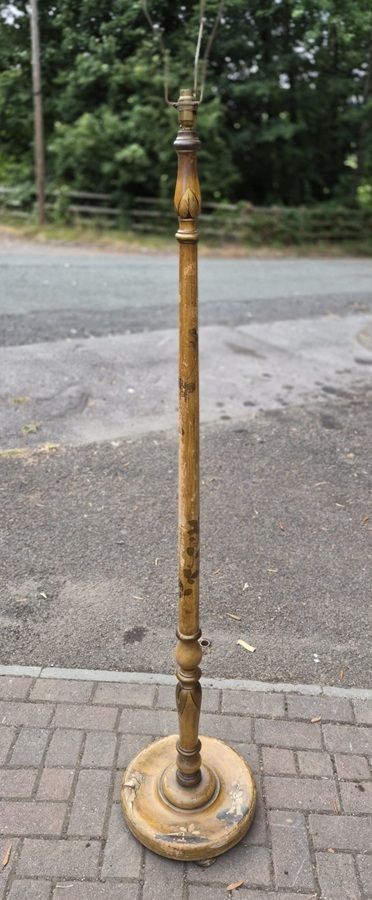
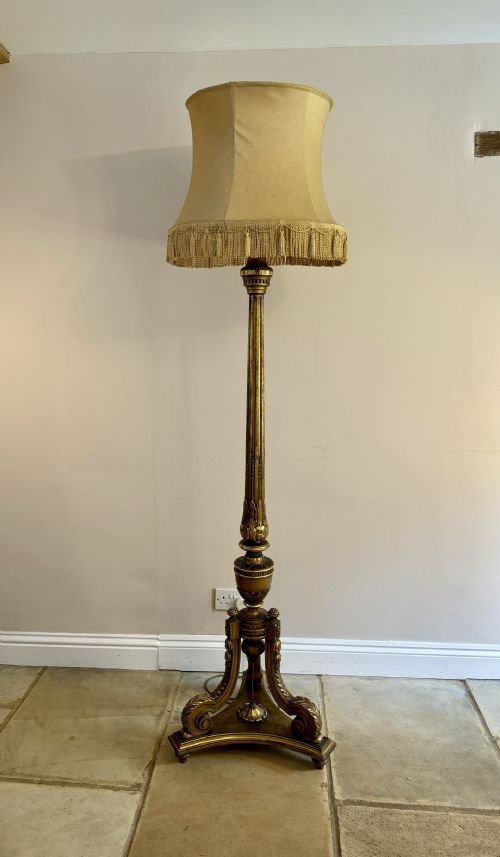
When you search for a gilded wooden lamp, you find lighting and stands shaped from timber, coated in gesso, and finished with gold leaf or paint. These pieces range from towering floor standards to compact table bases, wall lights, and chandeliers.
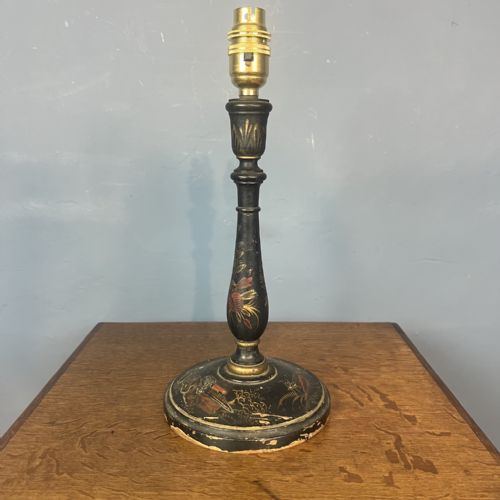
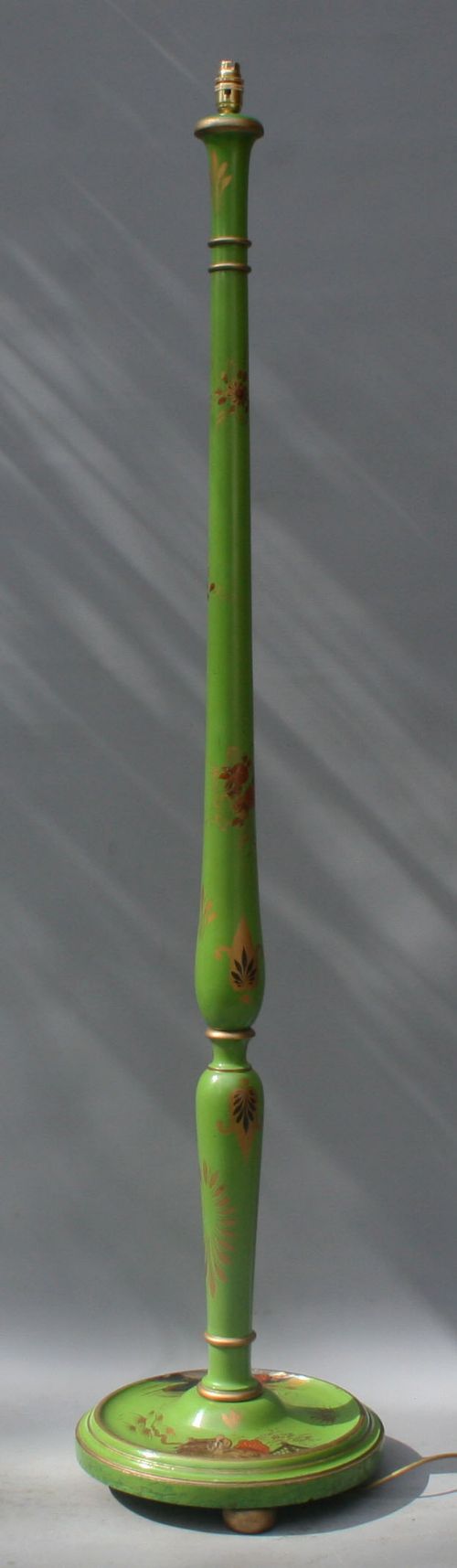
The selections span the eighteenth century through to the nineteen-thirties, with nineteenth-century examples and nineteen-thirties standard lamps appearing most frequently. Italian, French, and English workshops dominate the origins, often channelling Baroque, Rococo, or Chinoiserie aesthetics.
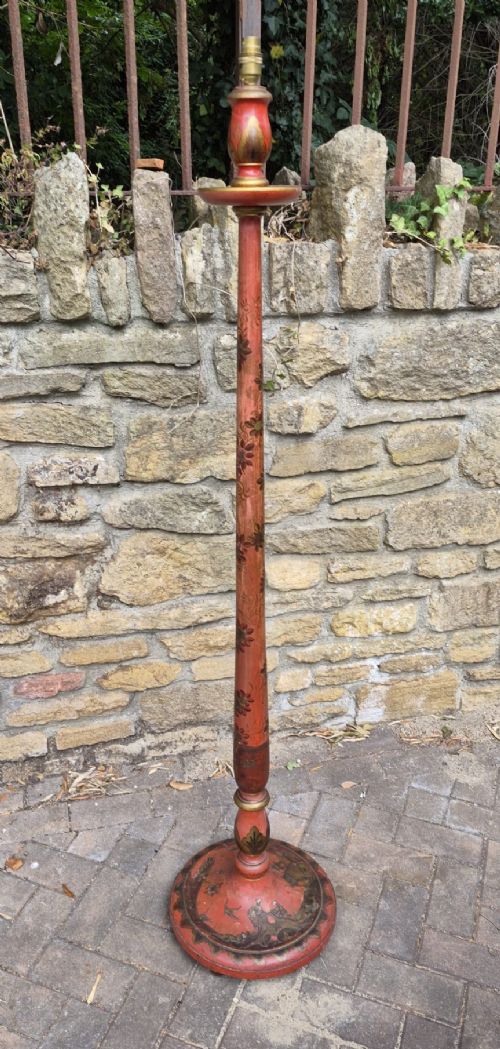
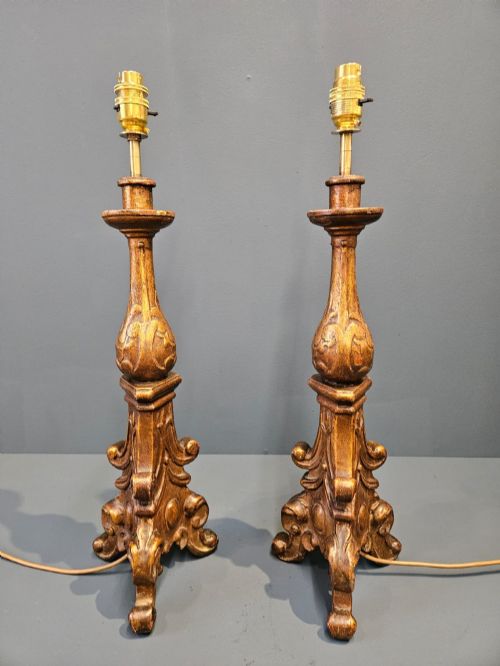
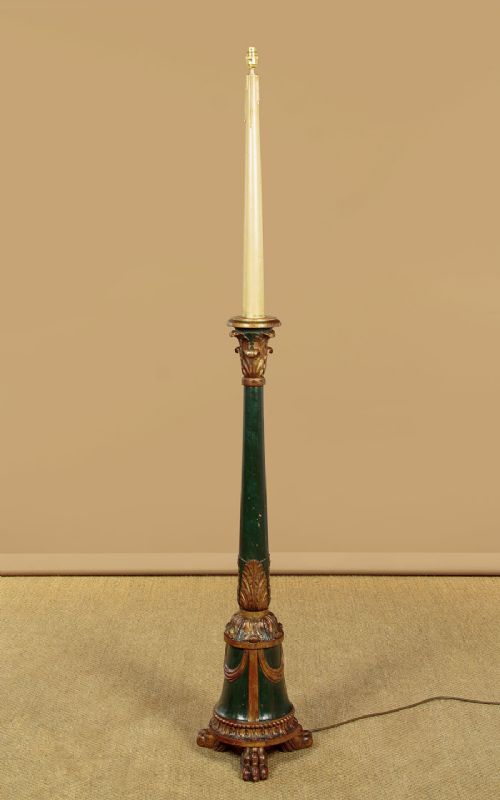
You will encounter monumental tripod bases, pricket sticks converted for modern wiring, and lacquered columns alongside carved figures on stands. Table lamps and tall floor models provide the primary options for domestic interiors.
Materials and construction methods
Carved wood provides the structural core for these items, frequently layered with a fine gesso ground to prepare the surface for gilding. Artisans applied thin sheets of gold leaf or metal paint over the prepared wood to achieve a reflective finish.
Fabric shades and brass fittings often complement the wooden bodies, while polychrome paint adds colour and detail to Venetian figures and Chinoiserie lacquerwork. Traditional joinery and hand-carved ornamentation define the construction of the older timber frames.
Assessing craftsmanship and condition
The depth and crispness of the hand-carved wooden ornament separate standard production from superior examples. Finishes range from worn, authentic gold leaf showing warm patination to heavier, flat painted substitutes.
Proportion and structural integrity dictate the standing of a piece, particularly in tall standard lamps and floor models. Original polychrome and untouched gilt surfaces carry more weight among collectors than later overpainting or heavy restoration.
The Gilded Wooden Lamp Glossary
- Giltwood
- Timber carved and surfaced with gold leaf over a gesso base. This material gives furniture and lighting a brilliant metallic glow.
- Gesso
- A plaster mixture applied to wood surfaces as a smooth preparation layer for gilding. It allows carvers to achieve sharp details before applying gold leaf.
- Pricket stick
- A candleholder featuring a central spike to secure the wax candle. Many old pricket sticks are later converted to electric lamp bases.
- Polychrome
- Decoration employing several colours on a single object. It frequently appears alongside gilding on Venetian and continental figures.
- Chinoiserie
- European imitation of Chinese artistic styles and motifs. This aesthetic is common on lacquered standard lamps from the early twentieth century.
Gilded Wooden Lamp: Frequently Asked Questions
How do I wire an old lamp base?
Most antique wooden lamp bases can be fitted with modern internal wiring by a qualified electrician without altering the exterior timber or gilt structure.
Pricket sticks and converted oil lamps require careful bracket adaptation to hold bulb holders securely while preserving the original top section.
Where should I place a standard lamp?
Tall floor standards suit dark corners or seating areas where their height projects warm illumination downward.
Placing them against plain walls allows carved giltwood and Chinoiserie lacquer details to stand out without visual clutter.
How do I clean gilded wood?
Dust surfaces gently with a dry, soft microfibre cloth to prevent scratching the delicate gold leaf or painted layers.
Avoid liquid cleaners, abrasives, and harsh solvents, as moisture lifts thin metal leaf and damages historic gesso.
Are eighteenth-century lamps rare?
Eighteenth-century examples appear less frequently than nineteenth-century or nineteen-thirties pieces due to their age and survival rate.
Many listings from earlier centuries originate from Italian and English workshops, showing heavy Baroque carving.