





Gilded Wooden Frame
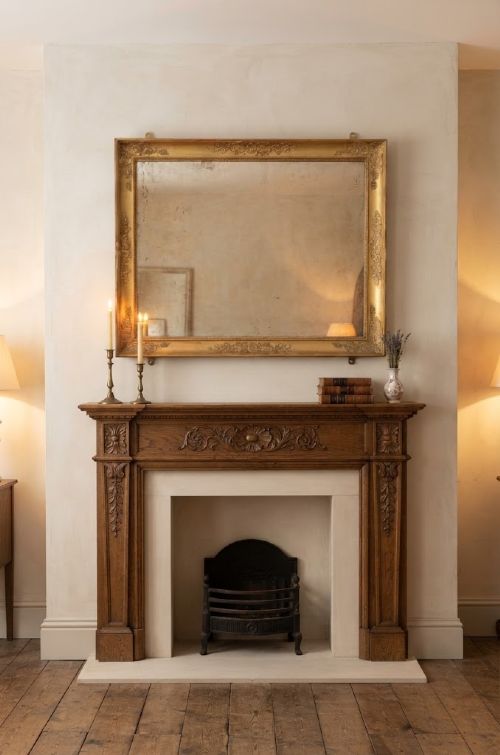
A gilded wooden frame brings warmth and historic craftsmanship to any wall, catching the light with centuries of accumulated polish.
What a Gilded Wooden Frame Is
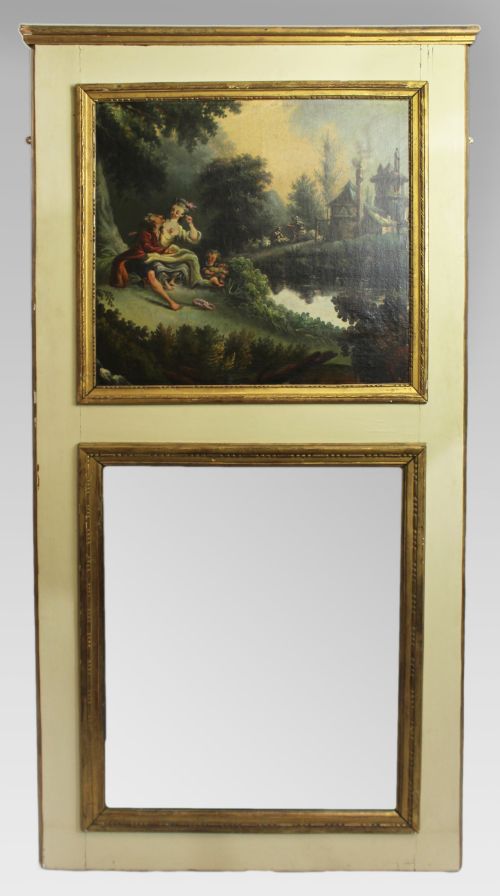
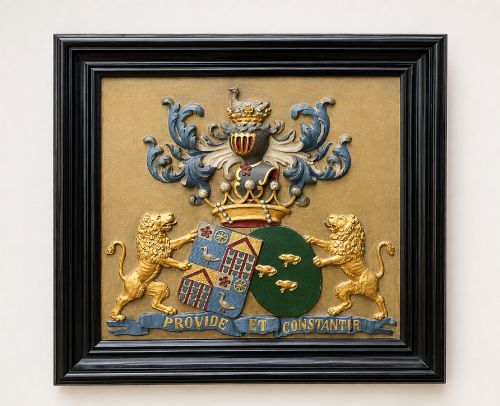
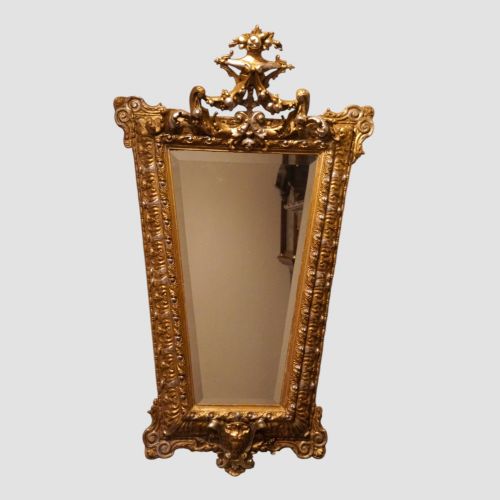
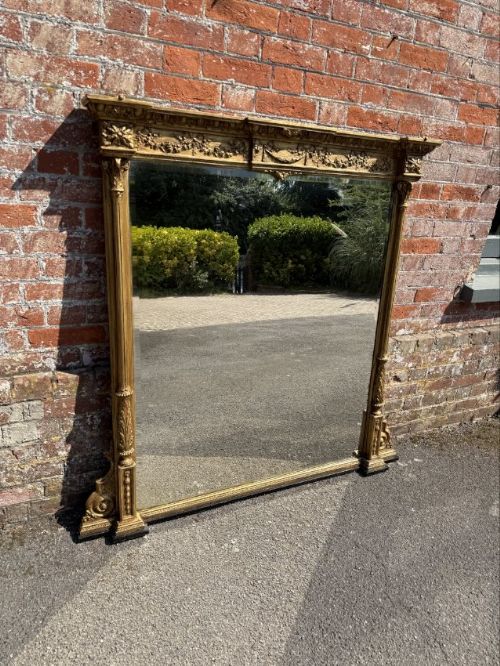
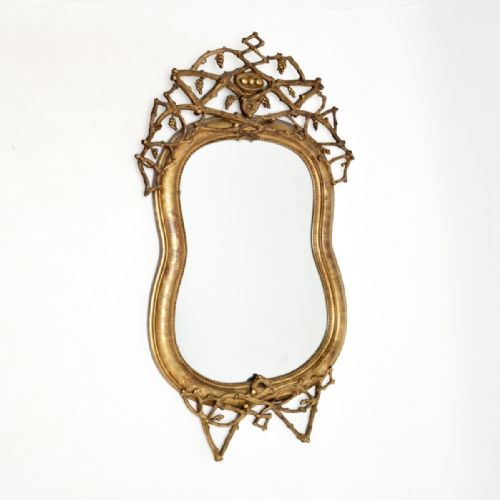
A gilded wooden frame provides architectural structure and luminous focus for paintings and mirrors alike. When exploring a gilded wooden frame, collectors encounter diverse expressions from the seventeenth century through the early twentieth century.
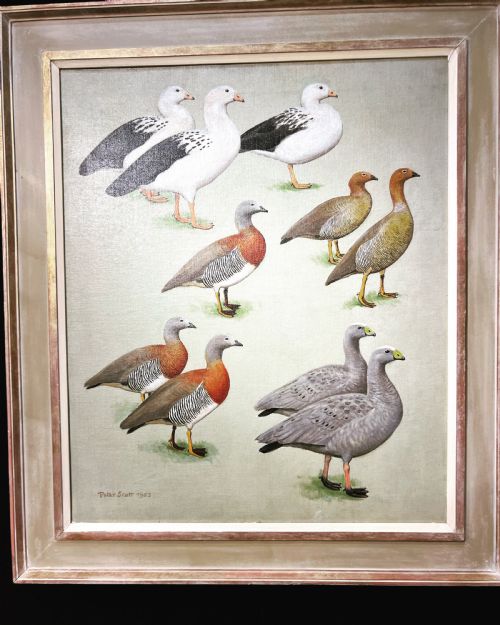
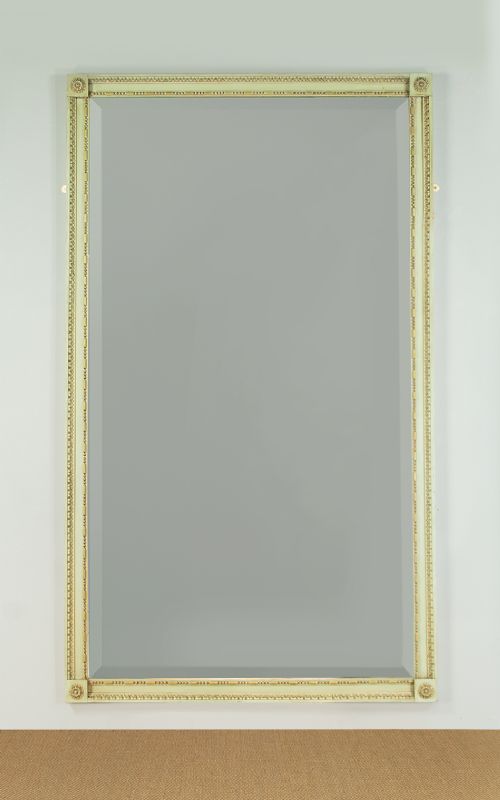
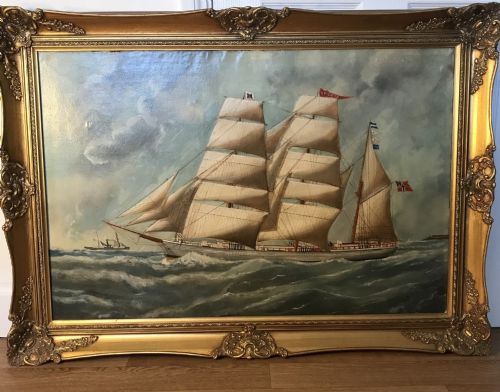
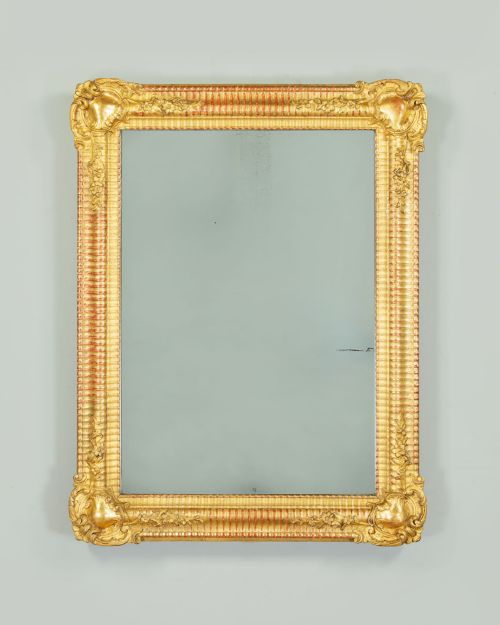
The selection ranges from robust seventeenth-century constructions to ornate Victorian and Rococo interpretations. Visitors frequently encounter nineteenth-century Italian and French provincial wall mirrors alongside antique picture frames housing oil paintings.
Makers drew on distinct regional styles including French chateau aesthetics and nineteenth-century genre realism. Each piece demonstrates how centuries of makers transformed simple timber into decorative centerpieces.
Materials and Construction
Makers relied on solid wood as the primary structural foundation, shaping timber through traditional hand-carving techniques. Gesso layers were applied over the wood to create a smooth, responsive base for subsequent embellishment.
Fine gold leafing or giltwood finishes provided the characteristic reflective surface that defines these objects. Selected pieces integrate paper, glass, oil, and canvas components to complete the assembled artwork or mirror.
Retail Price Guide 2026
Typical UK retail prices for gilded wooden frame, calculated from the Sellingantiques database of over a million retail prices indexed since 2003. This retail price guide relies exclusively on Sellingantiques data; no external sources or auction records are used, so the figures do not describe the wider market.
A nineteenth-century chestnut seller once looked out from his canvas through the exact same golden glimmer as a French chateau mirror.
Markers of Quality
Quality rests in the depth and dexterity of the hand-carved wooden ornament rather than mechanical uniformity. Superior examples display crisp gesso work beneath the gold leaf that retains sharp architectural edges over generations.
The richness of the gilding and the harmony between timber and surface treatment distinguish finer artefacts. Pieces shaped by skilled hands in the seventeenth or nineteenth centuries demonstrate lasting structural integrity.
The Gilded Wooden Frame Glossary
- Giltwood
- Wood that has been coated with gold leaf or a gold-coloured substance. This finish provides the characteristic metallic gleam seen across antique wall mirrors and picture frames.
- Gesso
- A plaster mixture applied to wood to prepare a smooth surface for gilding. It allows carvers to achieve fine detail before the gold leaf is laid down.
- Rococo
- An ornate artistic style characterised by asymmetry, curves, and scrollwork. Frames in this taste emphasise elaborate naturalistic motifs.
- Victorian
- Pertaining to the reign of Queen Victoria, spanning the nineteenth century. Pieces from this era often incorporate historical revival styles and genre realism.
- Oil Painting
- Artwork created with pigments suspended in a drying oil medium. These paintings are frequently housed within the historic frames that complement their visual depth.
Frequently Asked Questions
How do I date a frame?
Dating relies on examining the underlying wood construction, the preparation layers of gesso, and the specific stylistic vocabulary of the carving.
Early seventeenth-century examples differ substantially in timber preparation and joinery from later Victorian or 1920s interpretations.
What is the difference between giltwood and gold leaf?
Giltwood describes the overall wooden object that has received a gold finish, whereas gold leaf refers specifically to the extremely thin sheets of hammered gold applied to the surface.
Craftsmen laid these delicate metallic sheets over a prepared gesso and bole ground to achieve an even brilliance.
Can I hang a heavy antique mirror safely?
Hanging requires assessing the weight of the solid wood and gesso structure against modern wall fixings.
Professional mirror hangers often recommend securing the piece directly into wall studs to support the substantial timber and glass weight.
How should I clean gilded surfaces?
Dusting should be performed gently with a dry, soft brush to protect the delicate gold leaf and underlying gesso from abrasion.
Moisture and chemical cleaners must be avoided entirely, as they can strip the historic gilding and damage the timber beneath.