
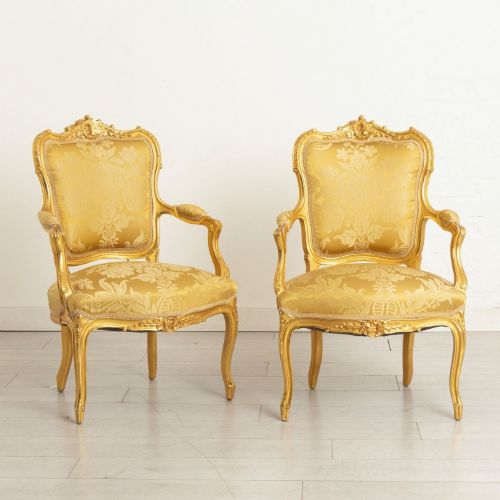


Gilded Wood Accent Chairs
These gilded wood accent chairs bring instant presence to a room, offering sculptural form alongside practical seating.
Gilded Wood Accent Chairs
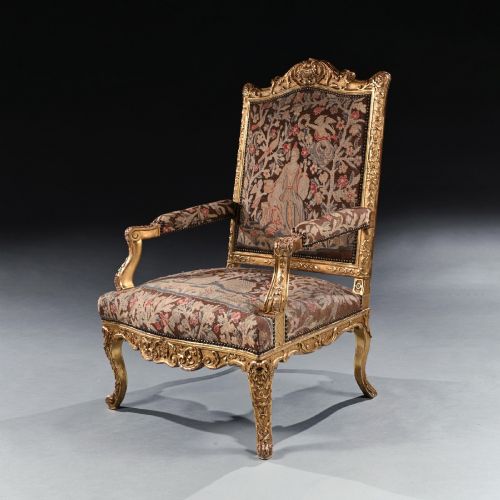
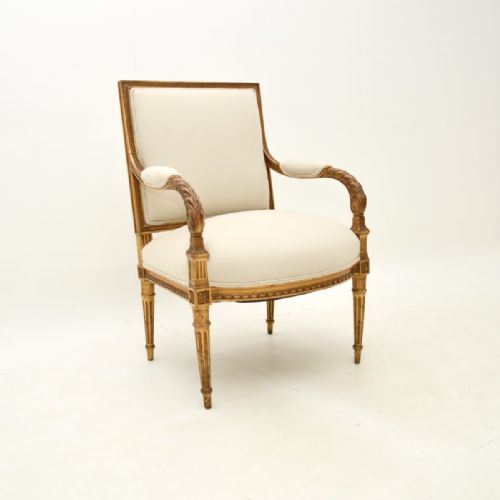
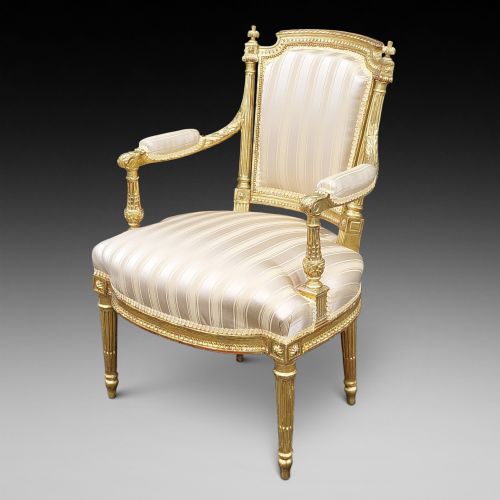
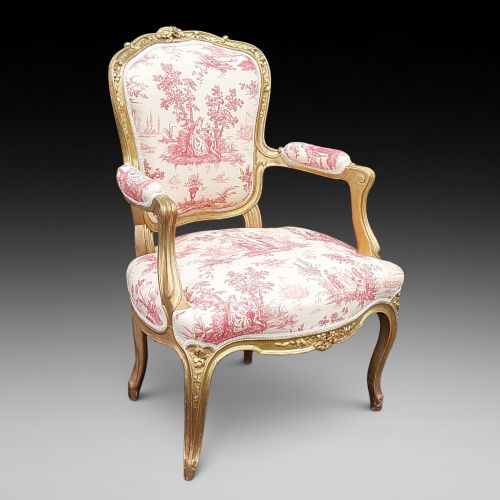
Gilded wood accent chairs encompass seating designed to stand out within a room rather than blend into a standard dining set. When exploring gilded wood accent chairs, buyers typically encounter pieces originating from the eighteenth, nineteenth, and early twentieth centuries, reflecting diverse European design movements.
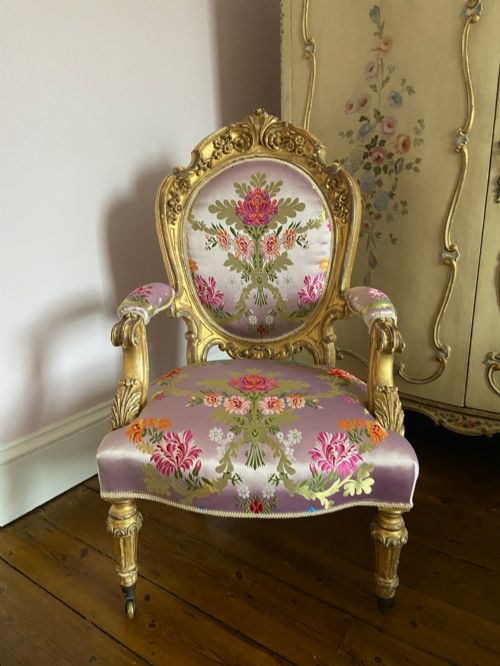
The selection frequently spans French and Italian workshops, presenting armchairs, side chairs, salon chairs, and smaller bedroom seating. Stylistic expressions range from elaborate Rococo and Neoclassical forms to Victorian interpretations and Louis XVI styles.
Constructed primarily as statement pieces, these chairs often serve functional roles in formal reception spaces, drawing rooms, and private chambers. Their survival across centuries demonstrates both decorative appeal and durable framing techniques.
Materials and Construction Techniques
The structural framework of these seats relies heavily on solid timber foundations, with beech and walnut appearing frequently alongside other durable hardwoods. Woodworkers shaped these frames through careful carving, often introducing complex curves and symmetrical motifs.
Surface ornamentation is achieved through the application of gold leaf or silver gilt upon prepared grounds, creating a luminous metallic finish. Many examples incorporate upholstered elements featuring silk, velvet, and various contemporary or historic textile coverings.
Some chairs spent centuries observing quiet aristocratic gossip before finding their way onto the modern marketplace.
Distinctions in Quality
The standard of craftsmanship is visible in the crispness and depth of the hand-carving applied directly to the timber frames. Superior examples display fluid, intentional lines where decorative motifs integrate seamlessly into the structural woodwork.
The integrity of the gilding surface dictates much of the visual success of the piece, with finer applications showing subtle variations in tone rather than flat, modern paint. Additionally, the robustness of the underlying joinery determines how well the chair preserves its structural stability over generations.
Jacob-Desmalter·Lamb of Manchester
The Gilded Wood Accent Chairs Glossary
- Giltwood
- Timber decorated with thin sheets of gold leaf applied over a prepared gesso and bole ground. This technique creates a rich, reflective surface characteristic of formal historic seating.
- Fauteuil
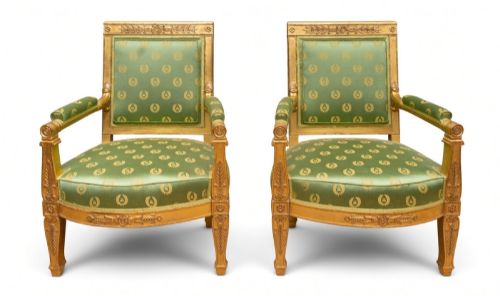
- An open-framed armchair featuring upholstered backrest and seat panels with exposed wooden arms. These chairs originated in France and gained popularity across European court circles.
- Bergere
- A closed armchair featuring upholstered sides enclosed by wooden framework, often fitted with a loose seat cushion. This form prioritises comfort while maintaining formal elegance.
- Rococo Revival
- A nineteenth-century design movement drawing inspiration from the asymmetrical, organic curves of the mid-eighteenth century. Pieces in this style emphasise elaborate scrollwork and naturalistic floral motifs.
Gilded Wood Accent Chairs: Frequently Asked Questions
How do I identify a true antique gilded chair?
Authentic period chairs reveal traditional joinery methods, such as hand-cut tenons and pegged joints, when inspected beneath the upholstery and frame. The gilt surface typically shows subtle signs of age and wear, including craquelure or minor losses exposing the underlying preparation layers.
Furthermore, the timber used for the frame should match the expected species for the stated period and region of manufacture. Examining the weight and density of the wood provides additional clues regarding authenticity.
Where should I place an accent chair in my home?
These decorative chairs suit low-traffic areas where their sculptural lines and reflective surfaces remain visible without risking excessive wear. They function effectively as reading chairs in studies, occasional seating in drawing rooms, or statement pieces in bedrooms.
Positioning them away from direct sunlight protects fragile silk and velvet upholstery from fading over time. Pairing a single statement chair with a complementary side table creates a distinct focal point within a larger interior space.
Can these antique chairs handle everyday use?
While historic frames were built to withstand active domestic environments, their age requires a measured approach to daily sitting. Regular inspection of the structural joints ensures the frame remains stable and capable of supporting weight safely.
Upgraded internal webbing and modern reinforcement beneath historical upholstery fabrics can improve durability for modern living. Avoiding excessive movement and protecting the gilt finish from moisture preserves the structural and visual integrity of the piece.
What is the difference between Louis XIV and Louis XVI styles?
Louis XIV designs emphasise heavy, monumental proportions, grand scale, and symmetrical grandeur suited to formal baroque palaces. Carvings are typically bold and authoritative, reflecting absolute royal power.
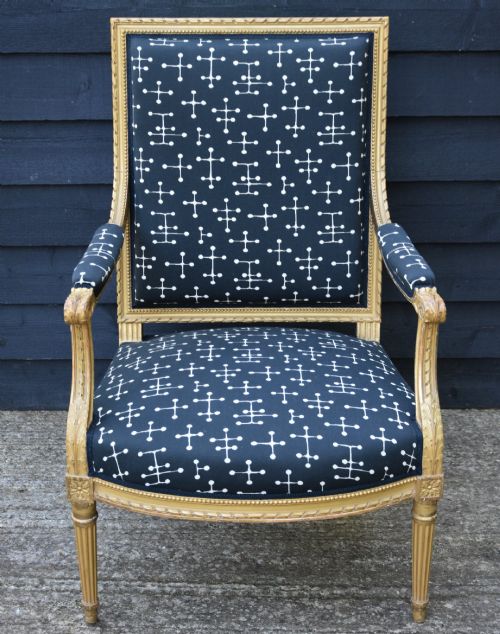
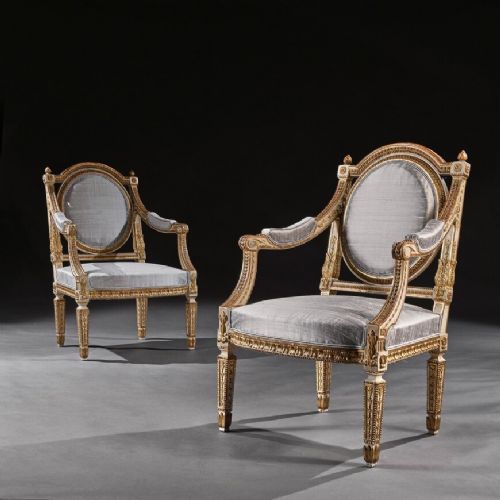
In contrast, Louis XVI pieces introduce straight lines, neoclassical restraint, and geometric symmetry, often featuring fluted legs and oval backrests. This later style reflects an architectural shift toward lighter, more restrained interior aesthetics.