



Gilded Urn with Lid
A gilded urn with lid brings classical dignity and bright metalwork into a room, joining ceramic bodies with rich surface treatment.
Gilded Urn with Lid
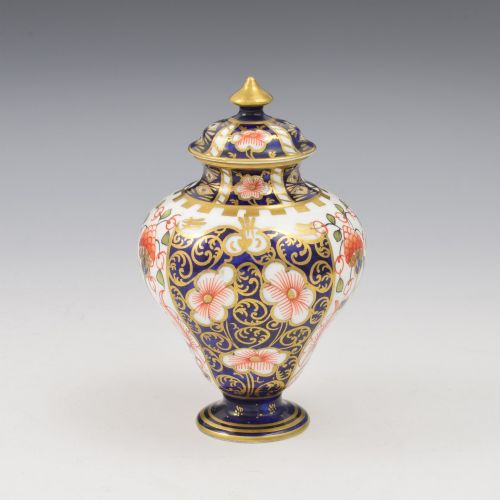
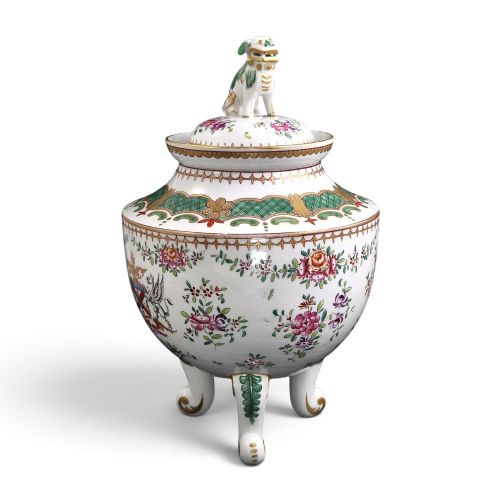
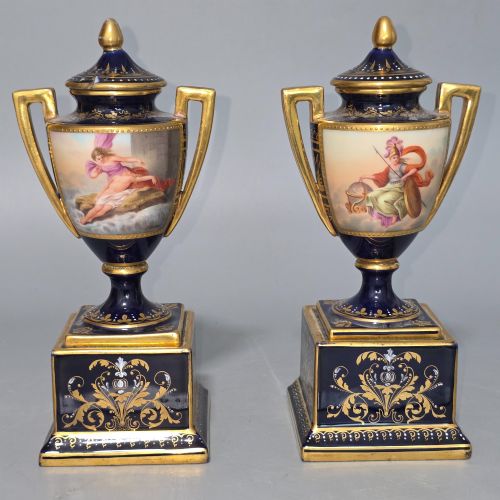
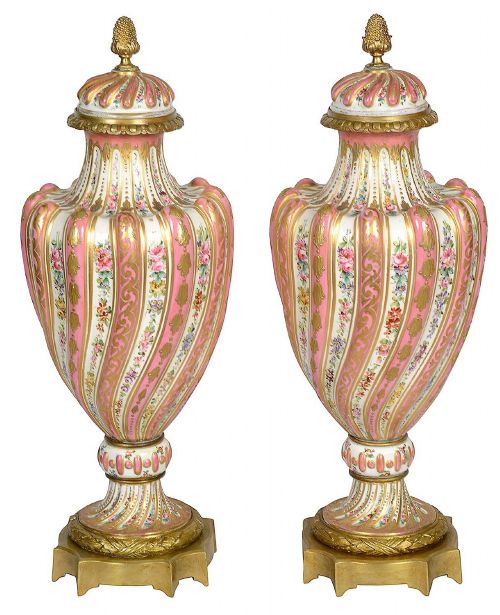
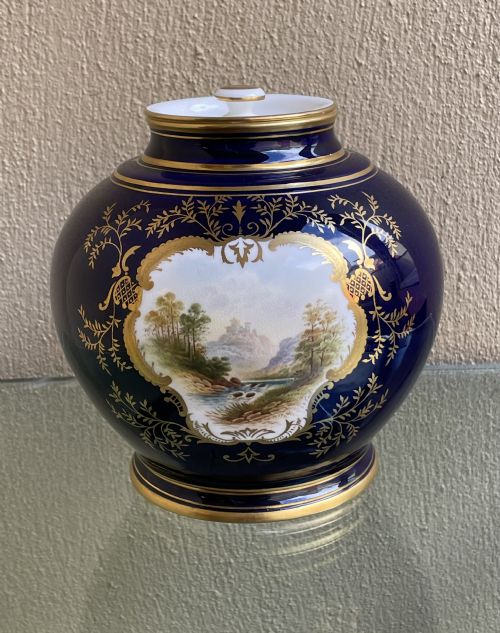
A gilded urn with lid spans multiple periods from the nineteenth century through the mid twentieth century, drawing on neoclassical revival, empire, rococo revival, and art deco designs. Buyers find pieces shaped as amphorae, pedestal vessels, and twin handled vases fitted with matching covers.
Origins range across European and English manufactories, including Vienna, Dresden, Sevres, Coalport, Worcester, and KPM. Some examples incorporate Japanese imari patterns or decorative schemes in the edo manner alongside traditional western motifs.
Materials and construction
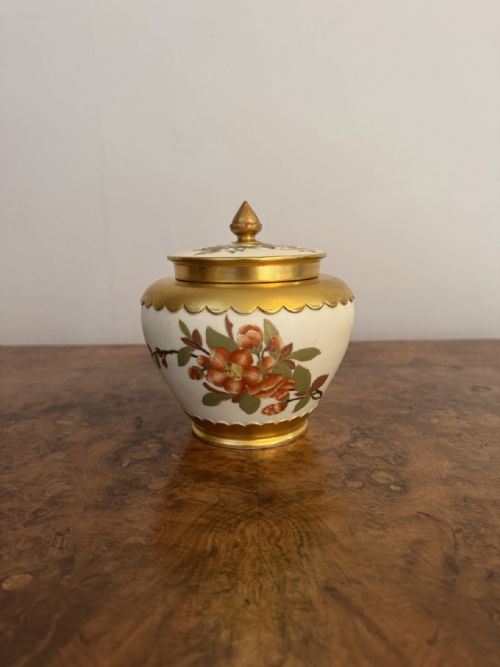
Pottery bodies formed from porcelain, earthenware, and ceramic provide the structural base for these covered vessels. Artisans apply hand painted scenes, botanical motifs, and figural vignettes directly onto the clay surface.
Gilding techniques utilise gold leaf, gilt, and gold gilt applied to handles, rims, and borders. Certain French and continental works add gilt metal mounts to secure the ceramic components.
Listings feature porcelain and earthenware shaped into lidded urns and pedestal vases across the nineteenth and twentieth centuries.
Assessing the execution
The refinement of the hand painting sets pieces apart, particularly detailed portrait work, landscape panels, and botanical studies executed by named artists. Precision in the application of gold leaf and the crispness of moulded porcelain details indicate higher workmanship.
The integration of the lid with the vessel body demonstrates the skill of the potter, ensuring a balanced silhouette. Quality also rests in the purity of the ceramic body and the depth of the glaze.
Vienna Porcelain·Helena Wolfsohn Dresden·Royal Winton·Coalport·Hadley's Worcester·Sevres·KPM·Royal Crown Derby·Royal Worcester·Flight Barr And Barr
The Gilded Urn with Lid Glossary
- Amphora
- A two handled vessel with a narrow neck, often used for classical revival decorative pieces.
- Gilding
- The application of gold leaf or powder to a surface, creating a bright metallic finish.
- Imari
- A traditional Japanese ceramic style featuring cobalt blue, iron red, and gilt ornamentation.
- Pedestal Vase
- A vessel raised upon a distinct foot or base, adding vertical presence to the display.
- Sevres Style
- Decorative ceramics imitating the aesthetic and porcelain techniques of the historic French factory.
Gilded Urn with Lid: Frequently Asked Questions
How were lidded urns used historically?
These vessels served primarily as decorative ornaments on mantelpieces, sideboards, and pedestals within formal rooms.
Their lids remained in place to complete the classical silhouette of the piece rather than to store contents.
Where should I place an urn in my home?
Position them on sturdy furniture where adequate light highlights the painted scenes and gilded surfaces.
Keep them away from high traffic areas to protect delicate handles and fitted covers from accidental knocks.
How do I care for antique porcelain?
Dust the surface gently with a dry, soft brush to remove particles without disturbing the painted details or gold leaf.
Avoid using water or cleaning solutions on gilded or hand painted areas to prevent permanent damage.
What indicates a nineteenth century piece?
Look for dense porcelain bodies, classical revival or empire styling, and hand applied gilding characteristic of the period.
Factory marks and artist signatures often provide further confirmation of the date of manufacture.