




Gilded Reverse Glass Painting
These gilded reverse glass painting pieces bring reflective depth and metallic brilliance to walls, spanning centuries of decorative artistry.
Gilded Reverse Glass Painting
A gilded reverse glass painting involves applying pigment and gold leaf to the rear of a glass panel so the image displays correctly from the front. This technique produces a flat, high-gloss surface that catches light differently than canvas or wood.
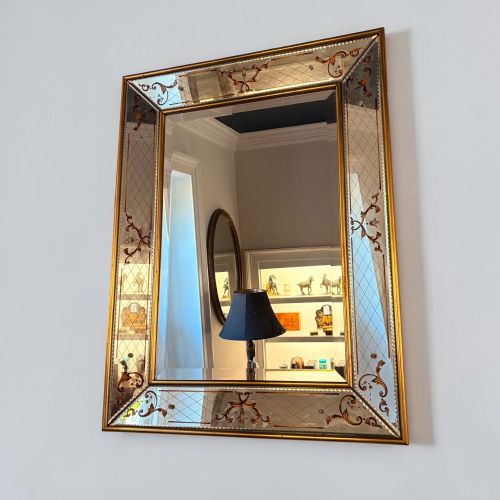
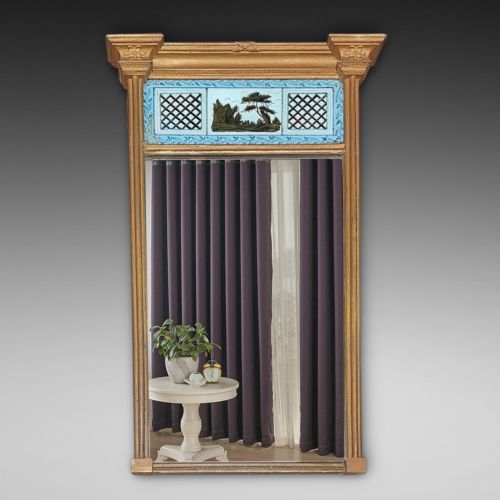
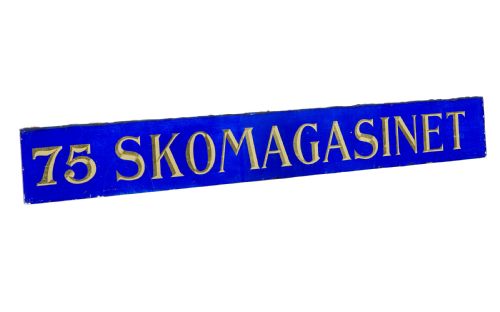
The evidence shows these works take several forms, including framed wall art depicting portraits, religious subjects, and sporting scenes, alongside functional decorative items like pier mirrors and advertising signs.
Buyers will encounter pieces from the eighteenth and nineteenth centuries, featuring Georgian, Regency, and Victorian aesthetics, as well as early twentieth-century examples like shop signs and crystoleoms.
Materials and Technique
Makers use flat glass as the primary support, painting fine details and applying gold leaf directly to the reverse side before sealing the back. This method protects the delicate pigments from atmospheric dirt and damage.
Frames employ wood and giltwood, often carved or moulded to house the fragile glass panels securely. Gilt leaf provides the metallic highlights seen in mirrors, armorial crests, and decorative wall panels.
Object forms range from wall mirrors and apothecary jars to chess boards and boutique shop signs.
Judging Quality
Quality rests upon the delicacy of the brushwork and the precision of the gilding applied behind the glass. Skilled execution results in sharp definition and a rich metallic sheen visible through the transparent pane.
The integrity of the original backing and the condition of the glass surface dictate the visual impact of the piece. Clean preservation of the pigment layers separates superior decorative works from heavily degraded examples.
Sebastiaan Vrancx·Fletcher·Abraham Cooper·Schweninger
The Gilded Reverse Glass Painting Glossary
- Verre eglomise
- A process of cold gilding and painting on glass where metal leaf is applied to the rear and etched or painted over. This method creates mirrored highlights and intricate borders.
- Crystoleum
- A Victorian technique where a coloured photograph is stuck face-down to glass, the paper backing rubbed away, and the remaining transparent image hand-painted from behind.
- Pier mirror
- A tall, narrow mirror designed to hang on the wall space between windows. These frequently incorporate decorated glass panels or églomisé sections above the glass plate.
- Mezzotint
- A printmaking process where the copper plate is roughened to produce rich tonal gradations. These prints were sometimes transferred to glass and hand-coloured.
- Armorial crest
- A heraldic design displaying a family coat of arms. These appear painted on glass panels to denote lineage or status.
Gilded Reverse Glass Painting: Frequently Asked Questions
Where should I hang these pieces?
Hang them on interior walls away from direct sunlight and damp conditions to protect the delicate metallic leaf and pigments behind the glass.
Pier mirrors and framed art suit living spaces and hallways where reflected light enhances the glossy surface.
How do I tell an 18th-century piece apart?
Eighteenth-century examples often feature hand-painted mezzotints, religious iconography, or classical subjects executed with fine, minute brushwork.
Examining the framing materials and the type of glass helps confirm the period alongside the stylistic traits of the painted scene.
What is a crystoleum?
A crystoleum is a Victorian picture made by applying a photographic print to glass, thinning the paper, and adding oil paint behind it.
This method gives the flat photograph a layered, luminous depth resembling a true painting.