
Gilded Porcelain Teacup Saucer
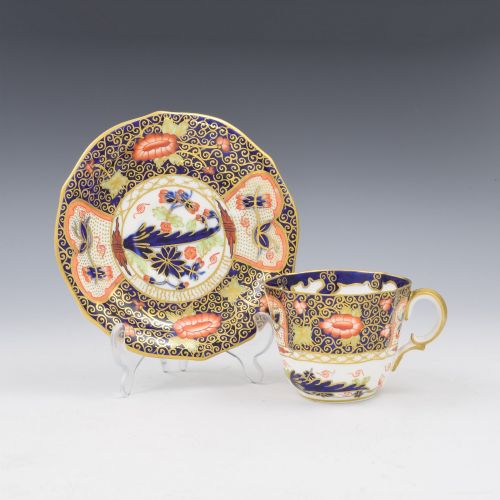
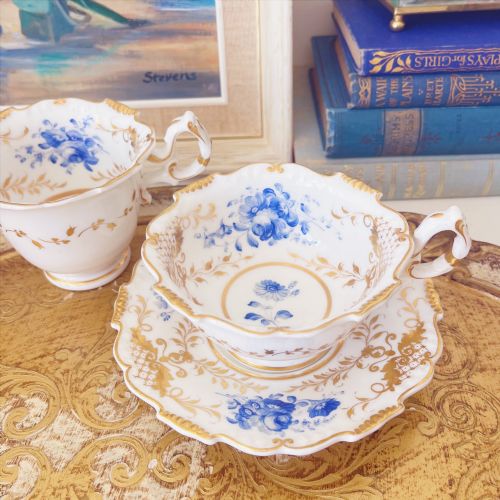
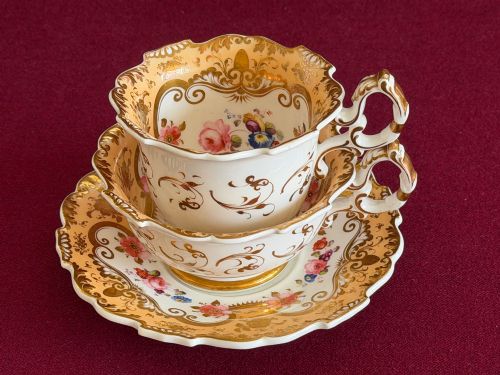
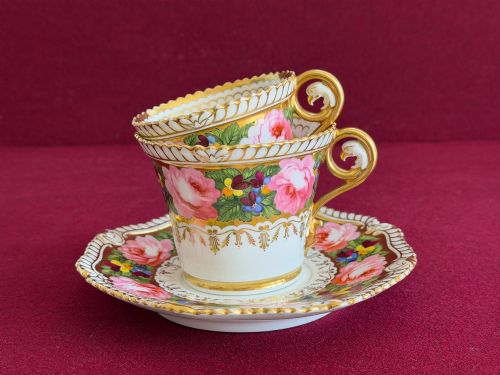
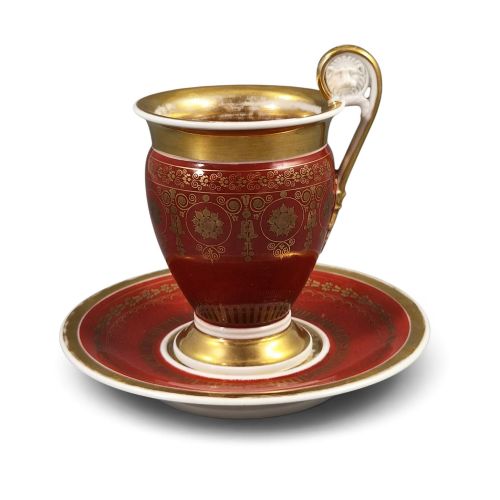
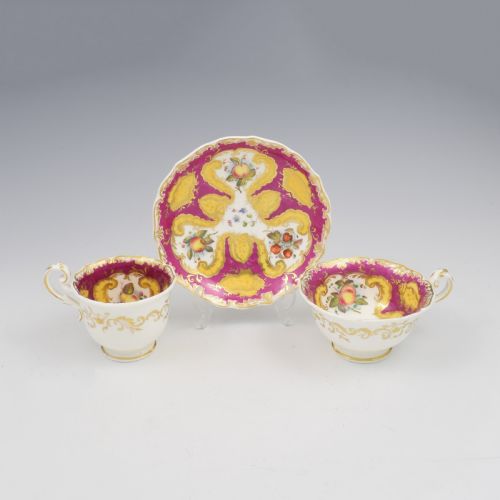
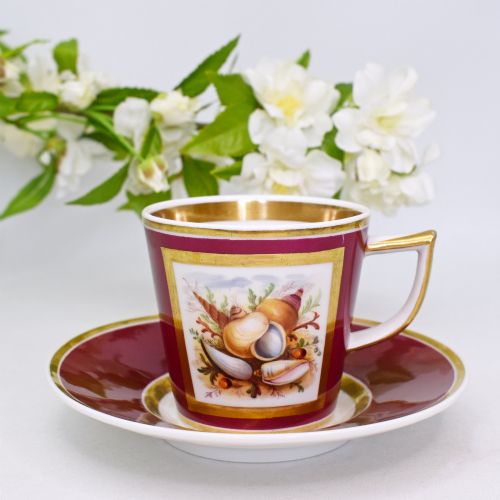
A gilded porcelain teacup saucer brings tactile weight and hand-painted detail to the table, offering a glimpse into nineteenth-century drawing rooms.
Gilded Porcelain Teacup Saucer
A gilded porcelain teacup saucer combines fine ceramic bodies with metallic embellishment, designed for formal dining and tea service in the nineteenth century. These sets include cabinets cups, trios with coffee cans, and covered vessels alongside standard cup and saucer pairings.
The pieces on this page span the Georgian, Regency, and Victorian periods, capturing the shift from neoclassical restraint to the richer ornamentation of the mid-nineteenth century. English factories like Minton, Newhall, Coalport, and Worcester sit alongside continental makers such as KPM Berlin and Kusnetzoff.
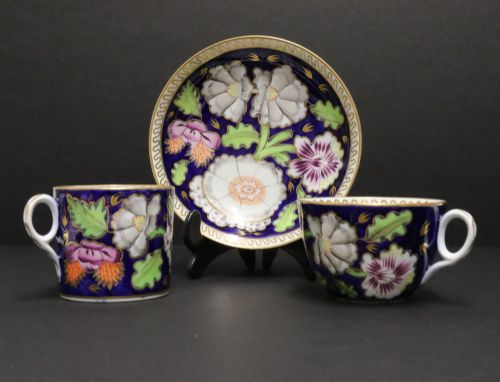
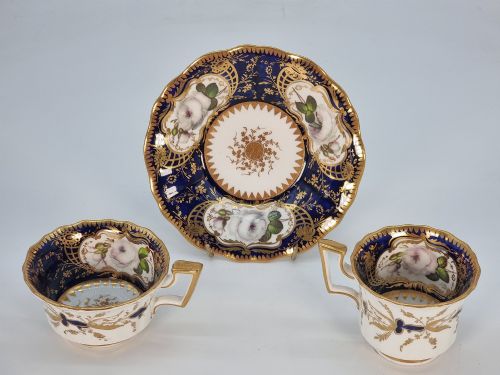
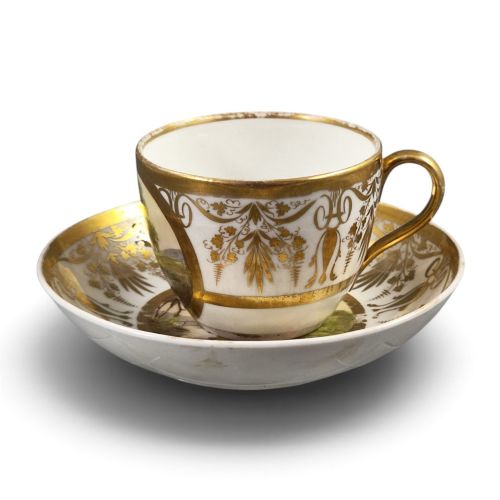
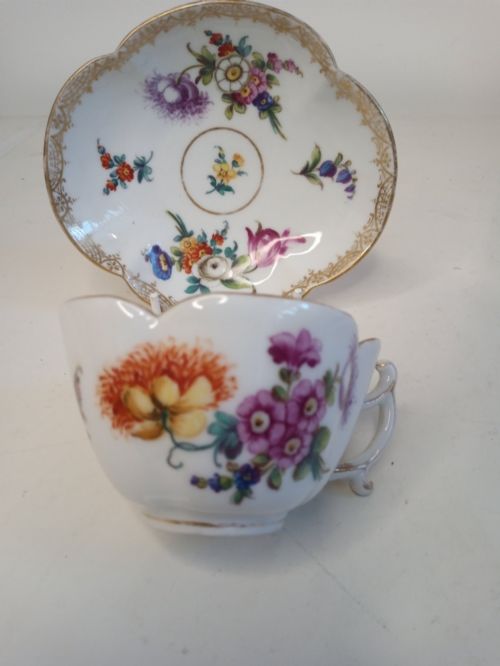
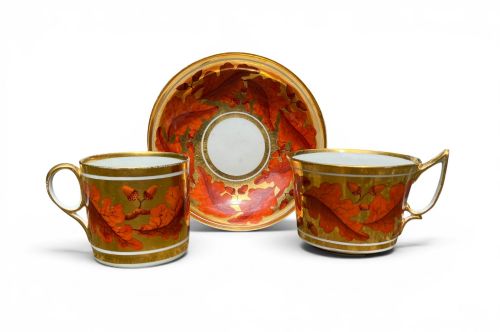
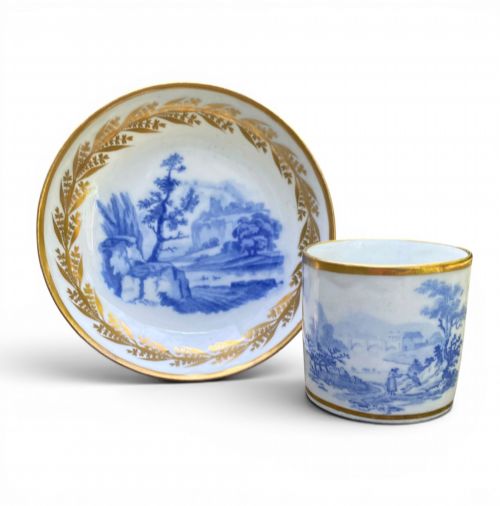
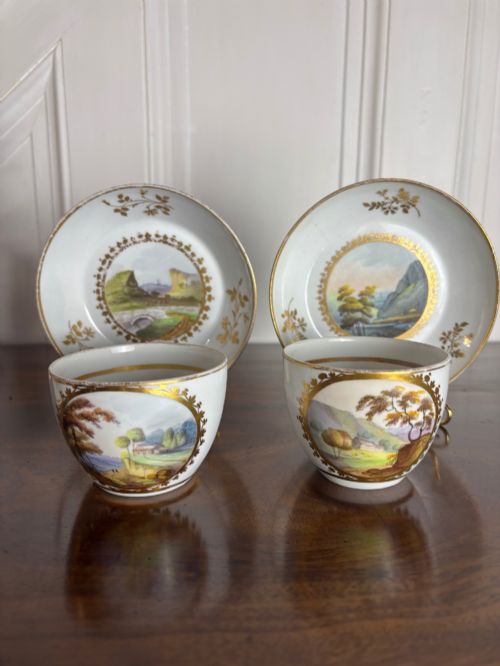
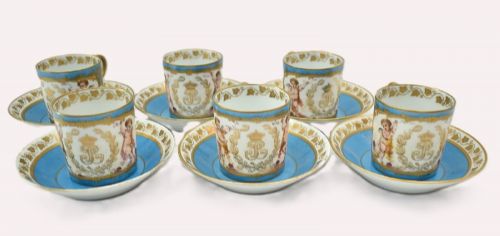
Buyers encounter forms decorated with botanical subjects, hand-painted landscapes, and turquoise borders framed by gold leaf. Each piece reflects the domestic rituals of its era, whether produced in Staffordshire workshops or Russian ceramic factories.
Materials and Manufacture
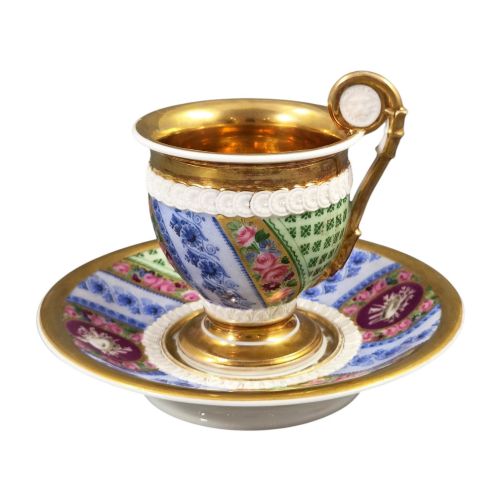
Makers utilised hard-paste porcelain and bone china as the foundation for these teacups and saucers, fired at high temperatures to achieve a durable and refined body. Enamel pigments were then applied by hand to create detailed botanical motifs and scenic reserves.
Gilding was executed using gold leaf and liquid gold, applied to rims, handles, and borders to catch the light during evening candlelight service. Artisans frequently paired this metallic decoration with vibrant turquoise and cobalt ground colours.
Gilded Porcelain Teacup Saucer Retail Price Guide 2026
Typical asking prices for gilded porcelain teacup saucer among the pieces listed under this phrase on Sellingantiques today, from the lower quarter to the upper quarter. They describe what is for sale here now, not the wider market.
The listings on this page span the 19th Century, incorporating Regency, Georgian, and Biedermeier styles across porcelain and bone china.
Assessing Quality and Execution
Quality rests in the precision of the hand-painted details, where botanicals and landscapes show careful brushwork rather than stencilled transfer printing. Finer examples maintain crisp definition in the enamel work and even distribution across the painted reserves.
The application of the gold leaf or gilding dictates the finish of the piece, with superior items showing burnished highlights that contrast against matte surfaces. Weight and translucency of the porcelain body further separate standard production wares from cabinet pieces.
Minton·Newhall·Coalport·Worcester·KPM Berlin·Kusnetzoff
The Gilded Porcelain Teacup Saucer Glossary
- Cabinet cup
- A decorative teacup intended for display rather than everyday use, often featuring landscape or portrait painting. These pieces typically arrived with matching saucers and sometimes covers.
- Hard-paste porcelain
- A true ceramic composition of kaolin and petuntse fired at high temperatures. It produces a dense, vitreous body that resists scratching and absorbs enamel colours cleanly.
- Bone china
- An English ceramic body incorporating bone ash alongside china clay and stone. This mixture allows for thinner walls and a warm, milky translucency.
- Gilding
- The application of gold leaf or gold paint to ceramic surfaces. It provides the metallic borders and highlights characteristic of formal nineteenth-century tea wares.
- Enamel
- A glass-based pigment fused to the porcelain surface during a secondary firing. It supplies the permanent colour used for floral and scenic decoration.
Gilded Porcelain Teacup Saucer: Frequently Asked Questions
How do I date a gilded teacup and saucer?
Dating relies on stylistic markers such as neoclassical shapes from the Georgian period or the heavier ornamentation of Victorian design. Factory marks, where present on the base, provide precise confirmation of the manufacturing era.
Changes in porcelain composition, from early bone china to hard-paste bodies, also help narrow the decade of production.
Can I use these cups for drinking tea?
While these teacups were originally functional vessels, nineteenth-century cabinet pieces and trios are typically reserved for display today. The delicate enamel work and gold leaf can wear down with frequent use and modern washing.
Gentle hand washing in lukewarm water is necessary if occasional use is preferred over cabinet storage.
What is the difference between a cup and a cabinet trio?
A standard set includes a teacup and saucer designed for the tea table. A trio adds a matching coffee cup or coffee can to the pairing.
Cabinet pieces often feature more elaborate landscape or floral paintings intended for visual appreciation in a glazed display case.
Why is some gilding matte and other gilding shiny?
The finish depends on whether the gold was burnished after firing. Artisans used agate tools to polish specific areas of the gold leaf to a bright shine while leaving other sections matte for contrast.
This technique creates depth within the decorative borders and handles.