



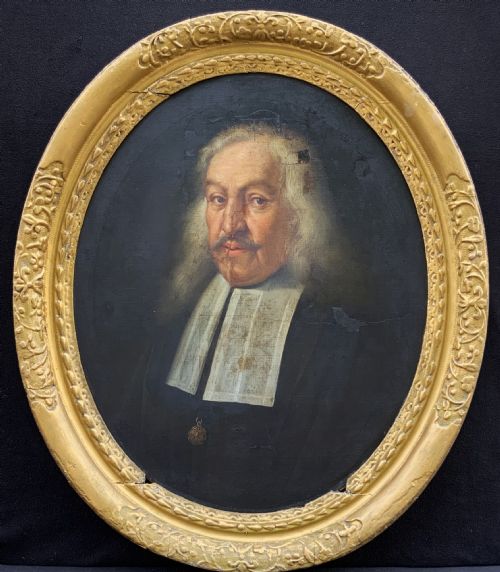
Gilded Oval Frame Art
Gilded oval frame art brings together centuries of portraiture and landscape work housed within curved, light-reflecting borders.
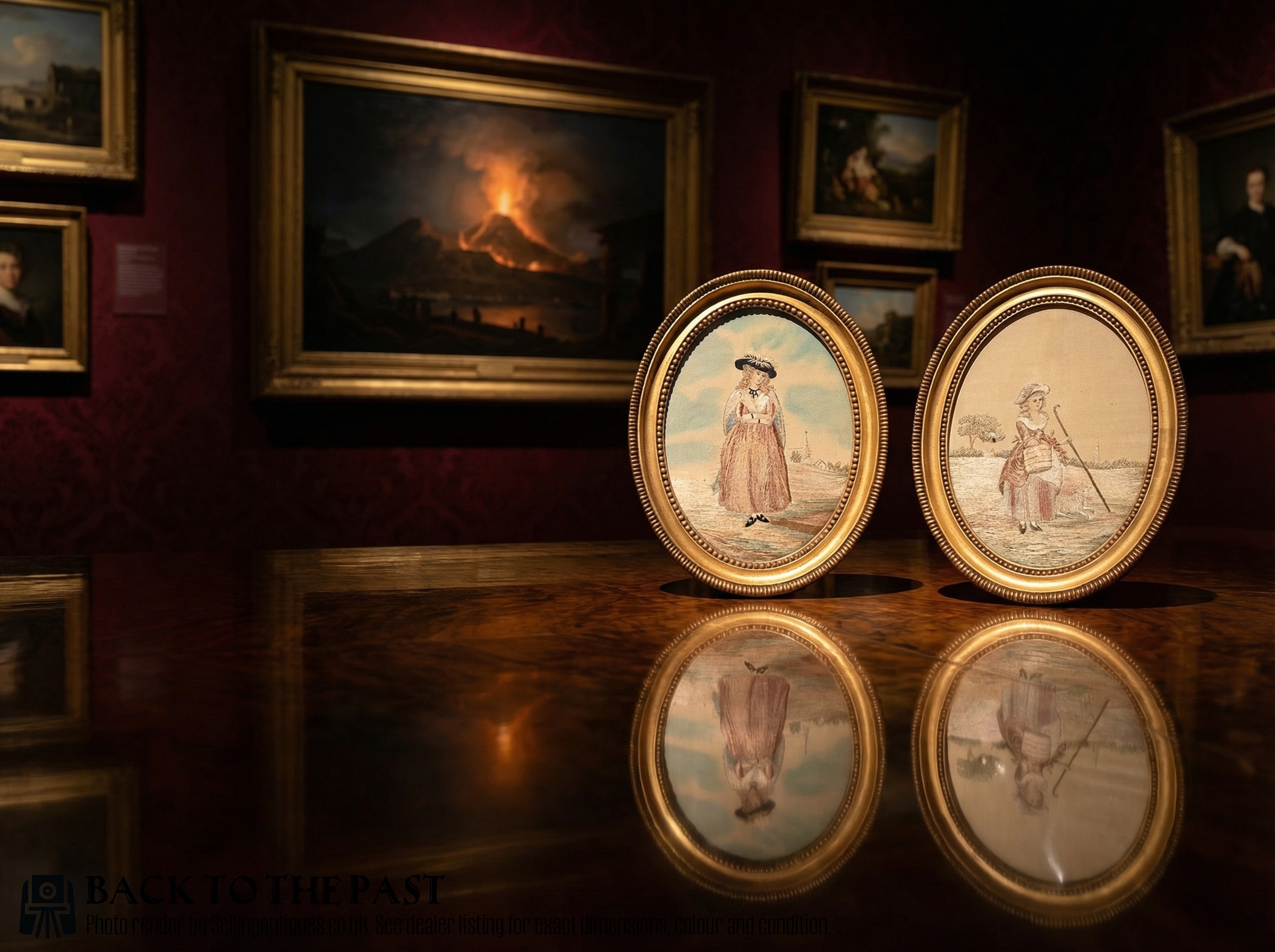
Gilded Oval Frame Art
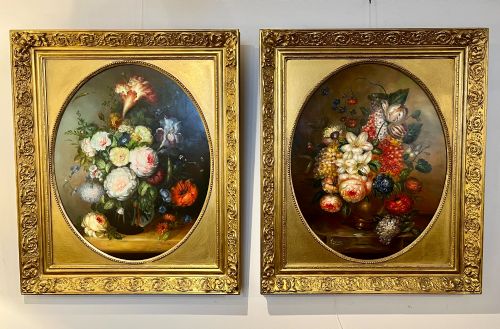
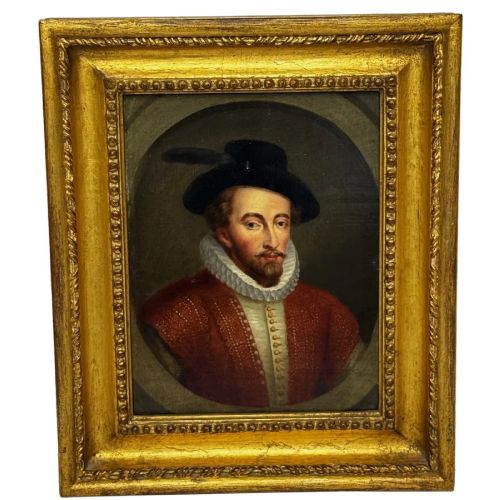
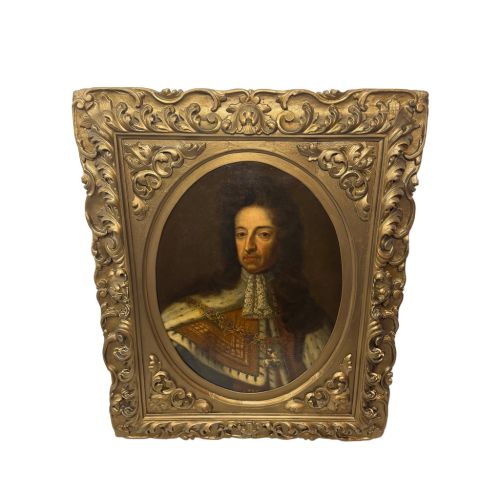
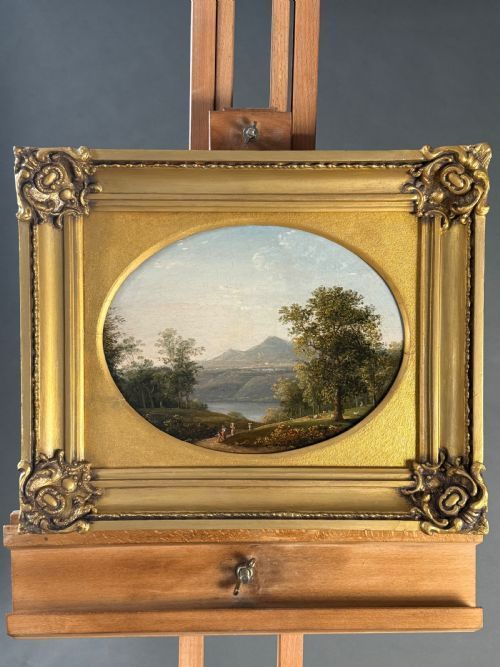
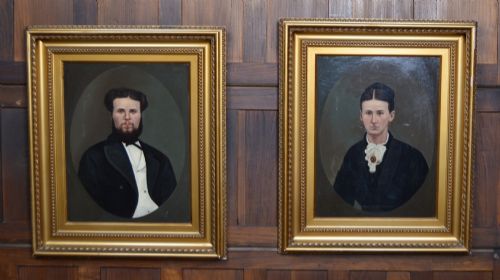
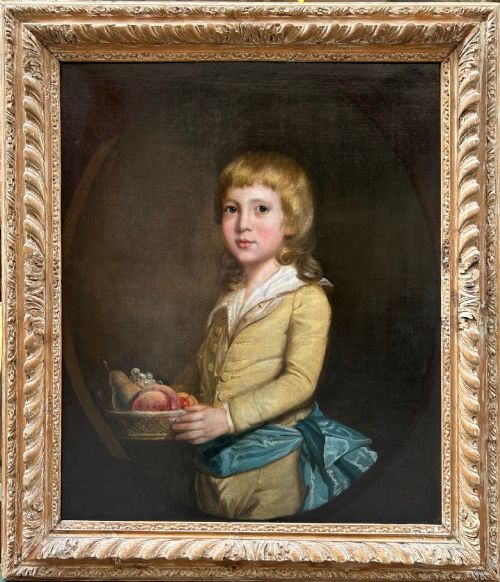
When you search for gilded oval frame art, you are looking at oil paintings, pastels, watercolours, miniatures and silhouettes enclosed in curved borders from the seventeenth century through to the Edwardian period. The selection on this page relies heavily on eighteenth and nineteenth-century portraiture, alongside occasional landscape views and textile works.
The objects span Georgian, Regency, Victorian and Edwardian eras, with British and continental European schools well represented. You will find large canvas oils alongside intimate miniature paintings on glass and paper, each maintaining the characteristic curved perimeter that defines the genre.
Framing materials range from carved giltwood to gold leaf applied over wood, providing the luminous border that gives these pieces their distinct visual weight. These works serve primarily as wall art, capturing historical likenesses and decorative scenes within structured ovals.
Materials and Construction
The physical works utilise traditional painting mediums such as oil on canvas, oil on board, pastel, watercolour and silkwork embroidery, supported by glass, paper and wood. Artists applied gold leaf or carved giltwood to create the distinctive reflective surrounds that house the imagery.
Construction techniques combine traditional joinery for the wooden frames with water gilding or oil gilding methods. Portrait miniatures often feature glass covers and delicate watercolour or oil applications, whilst larger oil paintings utilise heavy canvas stretched across curved wooden backing structures.
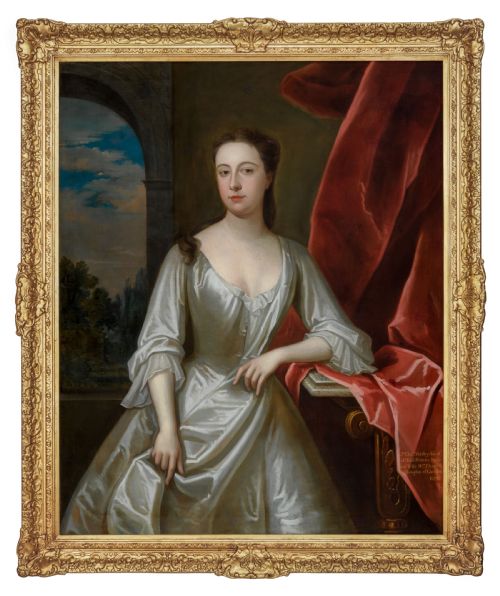
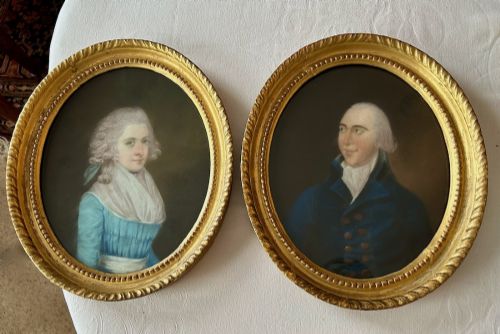
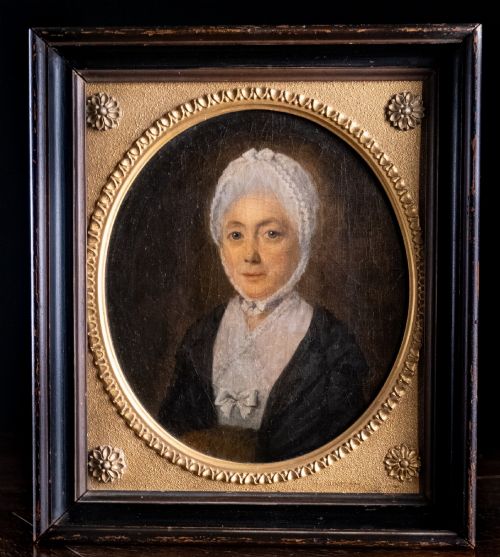
Several ladies gaze out across the centuries wearing elaborate bonnets, red robes and white dresses.
Markers of Quality
Quality rests on the fineness of the brushwork, the depth of the gilding and the preservation of the surface medium over time. Works by identified artists or established schools demonstrate superior draughtsmanship and compositional control compared to anonymous student pieces.
The integrity of the frame matters as much as the artwork itself, with hand-carved giltwood showing greater crispness of detail than moulded alternatives. Original glass, undisturbed backing materials and clean paint surfaces separate well-preserved historical items from heavily restored examples.
Sir Godfrey Kneller·Michael Dahl·Thomas Murray·John Scougall·Jacob Philipp Hackert·Thomas Beach·Pieter Borseler·Jeremiah Davison·Allan Ramsay·Arthur Percy Dixon·Arthur William Devis·Susie Lassam·George Hargreaves·John Miers·Walter Meegan
The Gilded Oval Frame Art Glossary
- Giltwood
- Wood carved and coated with gold leaf or gold paint. This material forms the ornate borders characteristic of classical framing styles.
- Silhouette
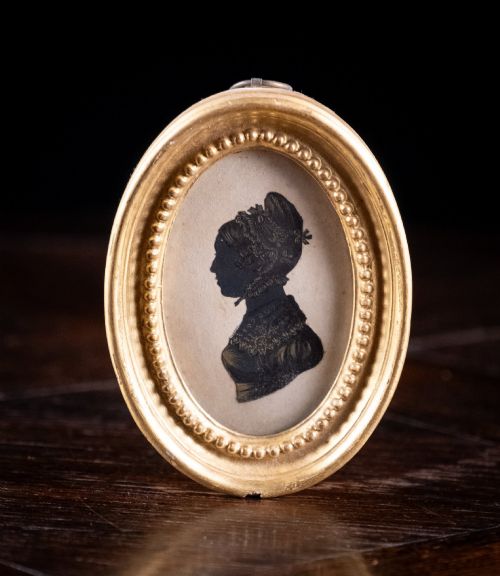
- A solid black profile portrait, often cut from paper or painted onto card or glass. These items frequently date from the Georgian and Regency periods.
- Portrait Miniature
- A small, highly detailed painting executed on ivory, vellum, card or glass. They were often kept as personal tokens or worn as jewellery.
- Verre Églomisé
- A process of applying cold painting and gold leaf to the rear face of glass. It produces a mirror-like finish often used on historic mats and frames.
- Pastel
- A dry painting medium consisting of powdered pigment and a binder. Works executed in this medium require glass protection to prevent smudging.
Gilded Oval Frame Art: Frequently Asked Questions
What periods do these pieces date from?
The items span from the seventeenth century through the Georgian, Regency and Victorian eras up to the Edwardian period and the 1920s.
Most pieces originate from the eighteenth and nineteenth centuries, reflecting the high popularity of oval portraits during those times.
How were these artworks displayed historically?
Owners typically hung them in principal reception rooms, parlours and private bedchambers as focal points on panelled or wallpapered walls.
Miniatures and silhouettes were frequently kept on desks or carried as personal mementoes alongside larger framed wall displays.
What mediums are used in these works?
Surviving examples utilise oil on canvas, pastel on paper or canvas, watercolour, woolwork embroidery and silkwork.
Artists also worked on specialised supports including glass for reverse-painted mirrors and delicate portrait miniatures.
How do I care for antique framed art?
Keep pieces away from direct sunlight and excessive moisture to protect delicate watercolours, pastels and the underlying gold leaf.
Dust wooden frames gently with a dry cloth and avoid chemical cleaners on both the glass and the gilded surfaces.