



Gilded Oil Painting
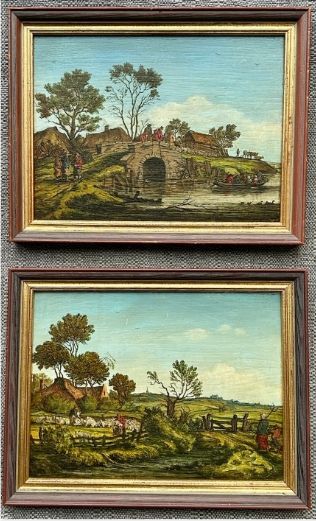
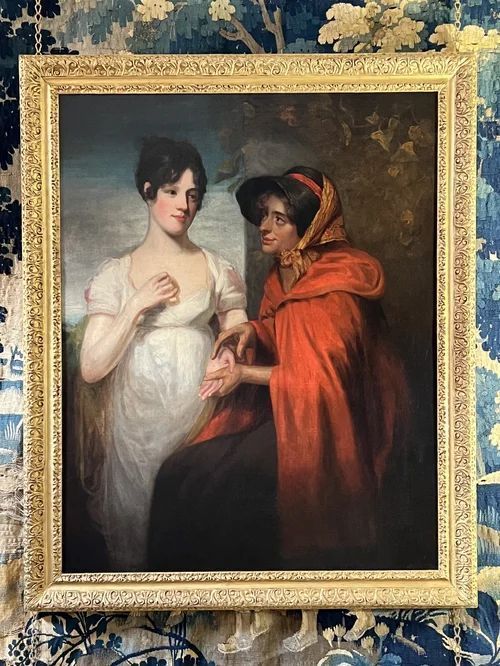
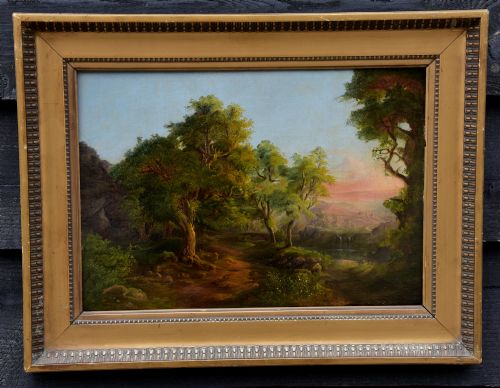
When you seek a gilded oil painting, you are looking at centuries of portraiture and landscape bound in gold leaf and carved wood.
Gilded Oil Painting
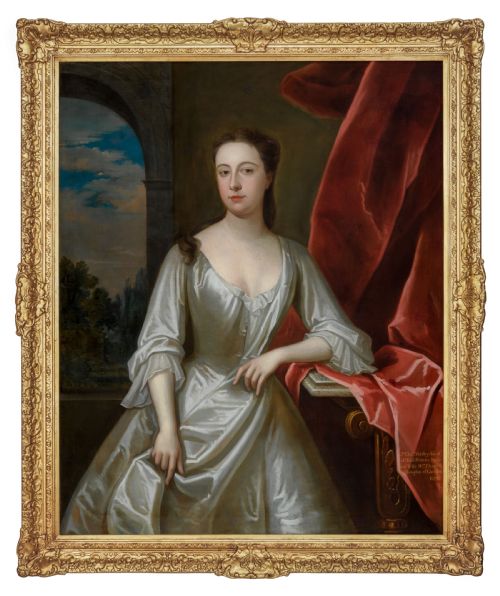
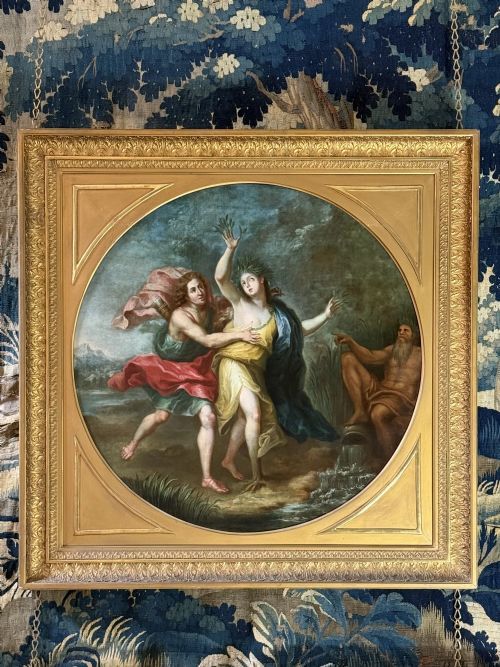
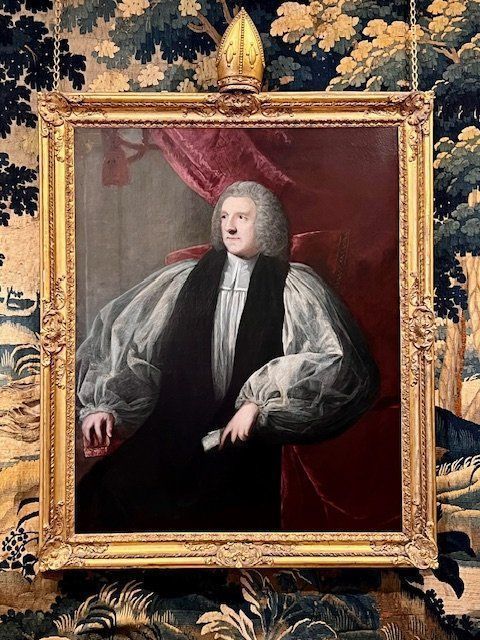
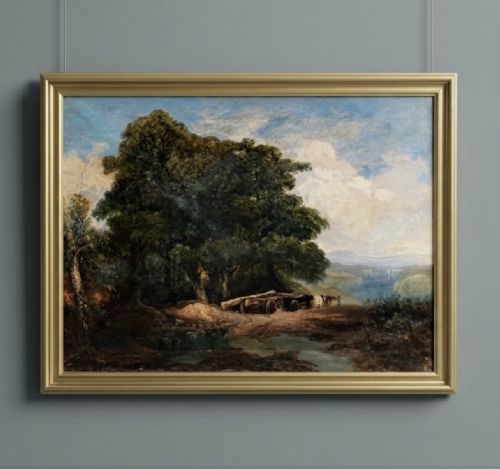
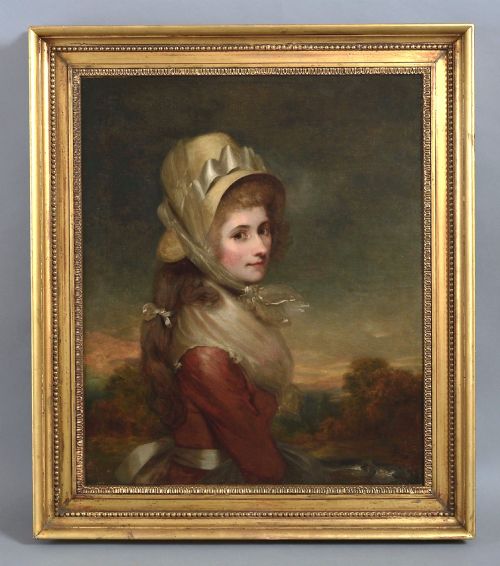
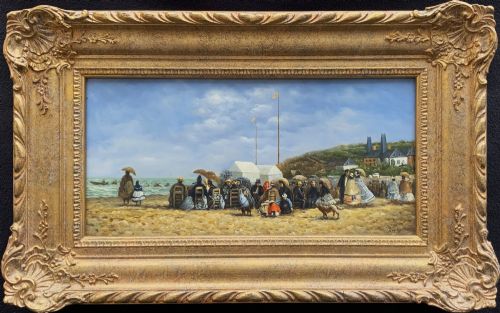
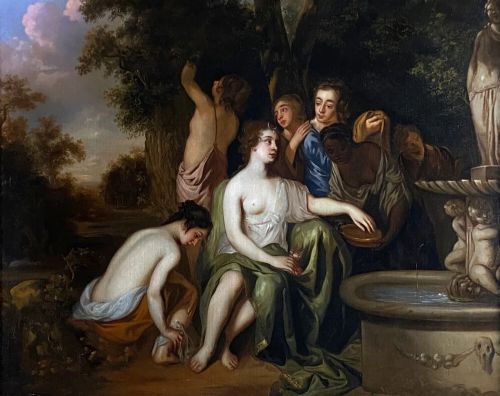
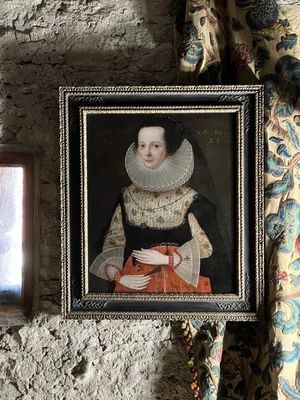
A gilded oil painting comprises canvas, wood panel, or board rendered in oil paint and housed within a decorative gold-leaf or gesso frame. These works span from the seventeenth century through to the mid-twentieth century, encompassing periods such as the Regency, Victorian, and Baroque eras.
Subjects range from formal aristocratic portraits and classical mythological scenes to pastoral landscapes, maritime views, and floral still lifes. Many pieces reflect historical British and European schools, including Dutch Golden Age styles and French Post-Impressionism.
Buyers encounter both original period works by named artists and studio circles alongside later interpretations and copies rendered in historical styles.
How They Were Made
Canvas, wood panels, and occasionally milk glass serve as the primary supports for the pigment, prepared with grounds before the application of oil paint by brush.
Frames are constructed from timber, such as giltwood and carved wood, frequently layered with gesso and finished with gold leaf to create ornate swept or pierced profiles.
Listings feature works spanning the seventeenth century through to the 1960s, utilising oil paint, canvas, giltwood, and gesso.
What Varies in Quality
The standard of an artwork rests on the precision of the brushwork, the anatomical or spatial accuracy of the composition, and the expressive handling of light and shadow by the painter.
Frame craftsmanship also dictates overall merit, distinguishing deep, hand-carved, and gilded wooden mouldings from simpler or later replacements.
Sir Godfrey Kneller·Charles Antoine Coypel·Sir Joshua Reynolds·Richard Sebastian Bond·Joseph Clover·Sir Martin Archer Shee·Georges de La Tour·Sir Peter Lely·Valentine T Garland·Dumini Leopoldo·Clifford Hanney·W Klombeck·John Opie·Francois Boucher·Anthony Van Dyck·Robert Heinrich·Michael Dahl·Thomas Murray·Constantyn Netscher·Pieter Borsseler·Maurice of Nassau·Francisco Jose de Goya·Jean Baptiste Greuze·Alfred Fontville de Breanski Jr·Oliver Clare
The Gilded Oil Painting Glossary
- Gesso
- A plaster-like mixture applied to wood or canvas as a base for painting or gilding. This material allows artisans to carve intricate decorative reliefs before applying gold leaf.
- Giltwood
- Timber that has been coated with gold leaf or gold paint. It forms the structural and decorative core of many traditional picture frames.
- Oil on Canvas
- Pigment mixed with drying oils applied to a stretched woven fabric support. This medium became the dominant method for fine art paintings from the Renaissance onward.
- Swept Frame
- A picture frame featuring deeply curved, scroll-like mouldings that pull outward from the sight edge. These ornate surrounds are typical of nineteenth-century presentation styles.
- Circle of
- A designation indicating an artist worked closely during the same period under the direct influence of a major master. The hand is often unidentified but shares the technical approach of the principal painter.
Gilded Oil Painting: Frequently Asked Questions
How do I date an antique oil painting?
Dating relies on examining the canvas preparation, stretcher construction, nail types, and pigment composition alongside any artist signatures or inscriptions. Stylistic clues in costume, hair, and framing conventions also help narrow down the decade of creation.
Secondary evidence such as old gallery labels, backboard stamps, or provenance records can further confirm the historical period in which the work was produced.
Are original frames important for these artworks?
Original or period-appropriate frames significantly contribute to the historical integrity and visual harmony of an oil painting. Master framemakers tailored mouldings to complement the aesthetic of the canvas, making a matched frame a desirable feature for collectors.
While frames are sometimes swapped or restored over the centuries, those retaining their original gilding and joinery preserve the complete artefact as it was intended to be displayed.
How should I care for a framed oil painting?
Oil paintings require stable indoor environments away from direct sunlight, dampness, and rapid temperature fluctuations that can cause canvas slackening or wood warping. Gentle dusting of the frame and canvas surface should be done with a soft, dry brush without applying pressure.
Avoid using water, chemical cleaners, or commercial solvents on either the painted surface or the gilded frame, as these can strip the historical finishes.
What is the difference between an original painting and an after-work?
An original painting is an independent composition conceived and executed directly by the named artist or their immediate studio. An 'after' work denotes a later artist's deliberate copy or study of a well-known master's existing composition.
Both categories can possess considerable age and fine craftsmanship, but original primary compositions generally hold distinct art-historical significance.